
Dog Dental Radiography FAQ — Key Information Every Owner Should Know
Dental issues in dogs can affect areas deep beneath the surface that aren’t visible to the naked eye. Radiographic imaging is an essential step for an accurate diagnosis.
Dog Dental Radiography Is a Key Procedure for Accurate Diagnosis of Dental Issues
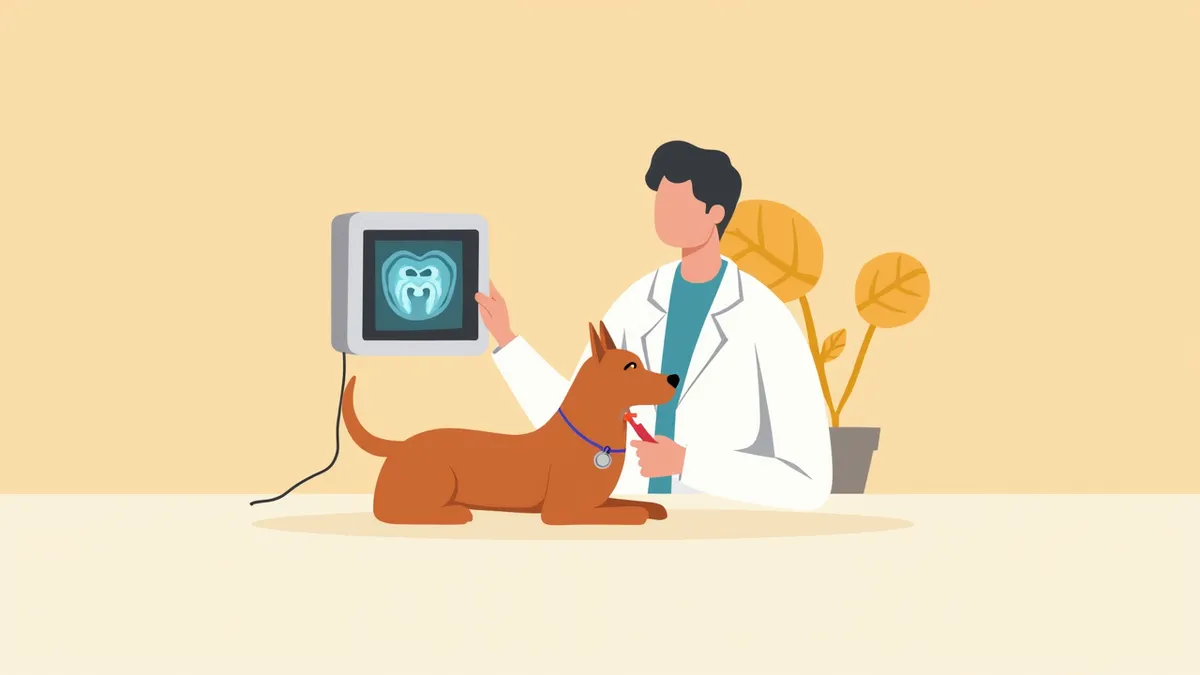
Why Is Radiographic Imaging More Important Than Visual Examination for Dental Issues?
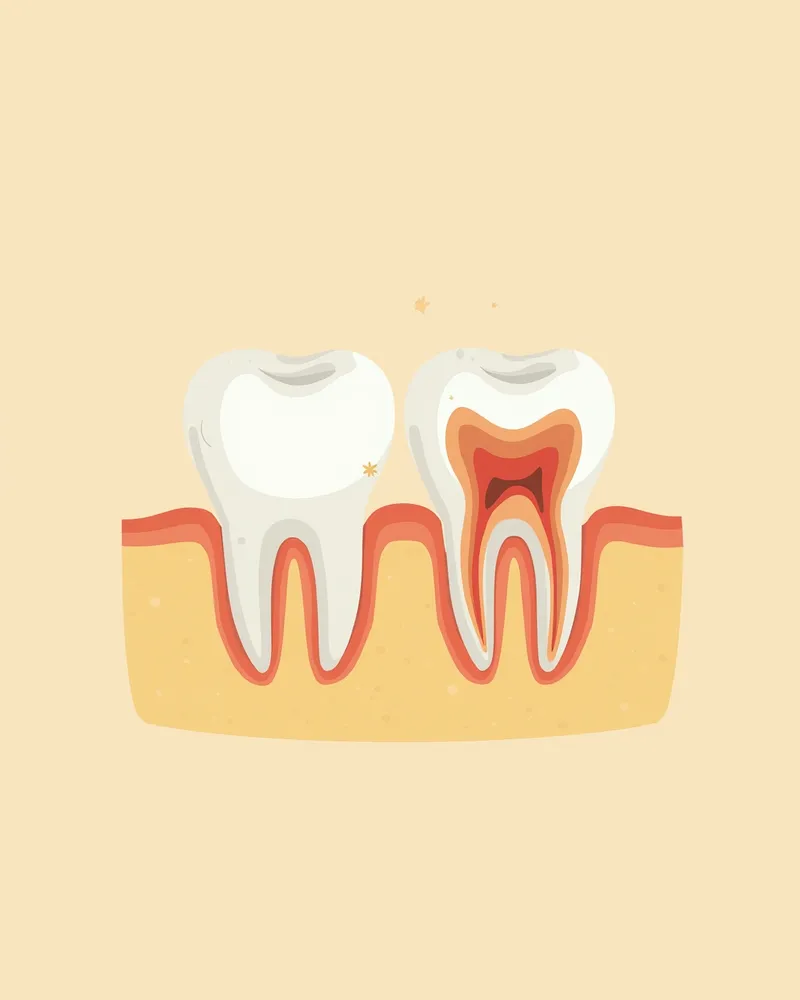
Is Radiographic Imaging Dangerous for Dogs?
Is There Anything Special to Prepare for Your Dog Before Radiographic Imaging?

Comparison of Dental Radiography Types: Conventional X-ray vs. Digital Laser Radiography
| Item | Conventional (Film) X-ray | Digital Dental Radiography |
|---|---|---|
| Image review speed | Relatively slow | Fast |
| Image retake/correction | Cumbersome | Easy |
| Imaging time | Relatively long | Fast |
| Clinical use | Traditional method | Widely used |
Digital dental radiography is widely used in clinical practice because images can be reviewed and handled faster and more easily than with film. However, the specific radiation dose, resolution, and cost may vary depending on the equipment and clinic, so it is best to check with your veterinarian.
How Are Radiographic Results Interpreted?
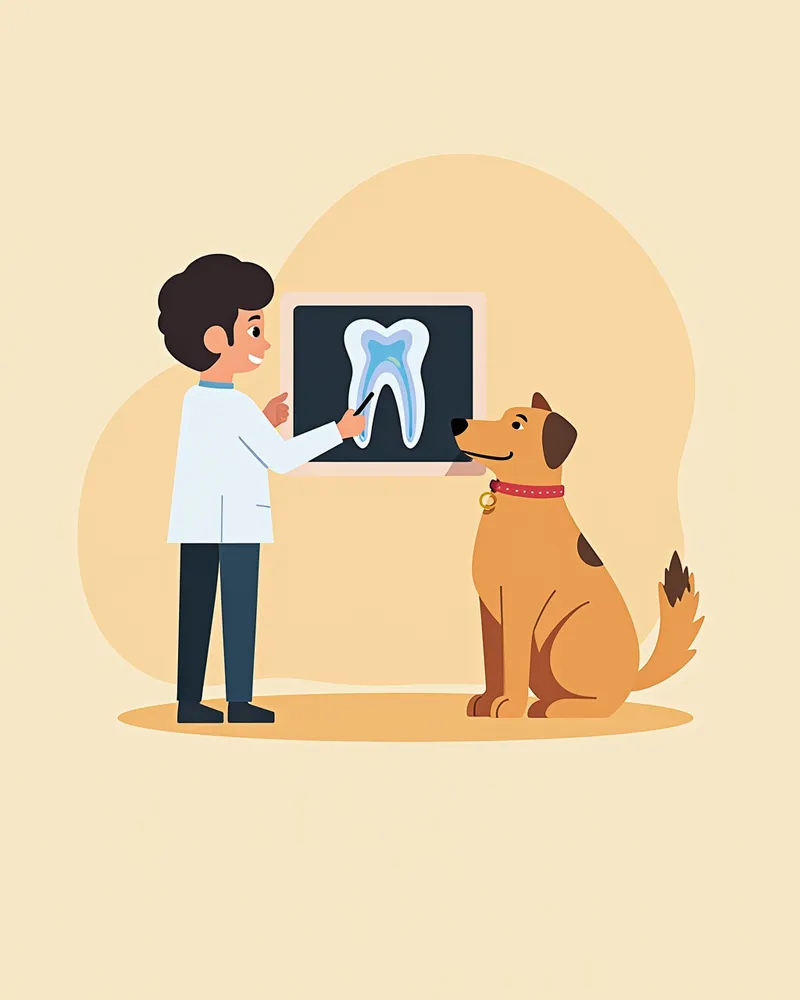
Immediate Radiographic Imaging Is Necessary in These Cases
If your dog has severe bad breath, difficulty eating, frequently rubs its mouth, or moves its jaw in a way that suggests pain, an X-ray examination is essential. These symptoms could indicate a tooth root infection or bone damage. Early diagnosis makes treatment easier and helps reduce pain. X-rays are a necessary procedure for an accurate diagnosis.
Post-Radiographic Imaging Care Tips

Reviewed by a veterinarian

Dr. Tony — Punnawat Phongkittirak
VeterinarianA veterinarian who majored in veterinary medicine at Khon Kaen University, Thailand, and completed the IVSA program at North Carolina State University in the United States. Drawing on clinical experience at animal hospitals, he works in the pet healthcare field and is dedicated to building a digital care environment that connects pet parents with veterinarians.
Reviewed 2026-06-29
Frequently Asked Questions
Is a dental exam alone sufficient?
How often should radiographic examinations be performed?
Can the examination be performed without anesthesia?
Will my pet experience pain after the X-ray?
How much will it cost?
Share
Related Guides

7 Best Cat Dental Chews for Tartar Prevention Recommended by Veterinarians and Selection Criteria

Top 5 Recommended Dental Treats for Dogs in 2026 — VOHC Certification Criteria

7 Criteria for Choosing Dog Tartar Prevention Dental Chews Recommended by Veterinarians

Symptoms and Prevention of Feline Panleukopenia

Symptoms and Management of Feline Hypertrophic Cardiomyopathy (HCM)

Rescue Dog Adoption Procedures and Precautions – What You Must Know Before Adopting

The Ultimate Guide to Preparing for Cat Adoption
Pet Health Checkup Timing and Examination Items

How Much Do Veterinary Clinic Fees Cost? A Guide by Category

Dog Tartar Prevention and Brushing Methods
References
[1] Plumb's Veterinary Drug Handbook, 9th Edition. Wiley-Blackwell, 2022.