
Is My Dog Okay Alone? How to Monitor Separation Anxiety with a Pet Camera
We’ve put together a guide on how to accurately observe signs of separation anxiety using a pet camera and apply those observations to behavioral correction. We’ll walk you through everything from choosing the right camera model to analyzing footage and identifying key signals that pet owners should watch for.
What Is a Pet Camera? The Key Tool for Observing Separation Anxiety
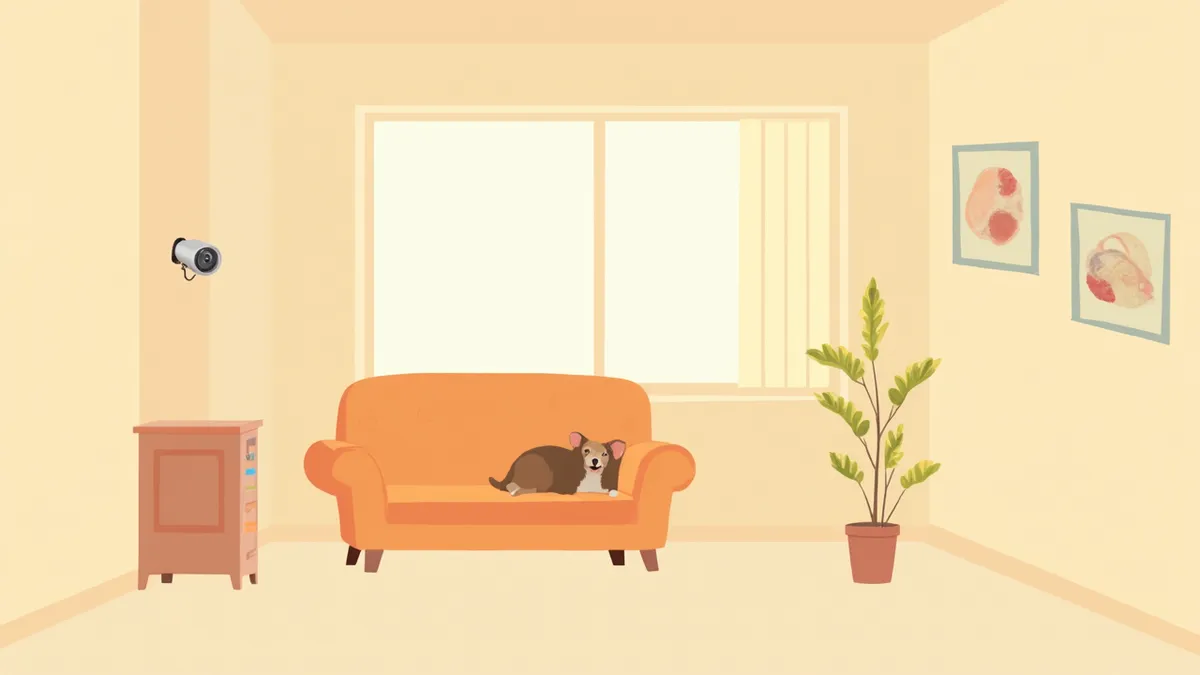
Why Are Pet Cameras Useful for Separation Anxiety?
Comparison of Pet Camera Models (Based on Separation Anxiety Observation Criteria)
| Item | Basic Model | Two-Way Audio Model | Treat-Dispensing Model |
|---|---|---|---|
| Live video | True | True | True |
| Night infrared | True | True | True |
| Two-way talk | False | True | True |
| Treat reward | False | False | True |
| Suitability for observing separation anxiety | OK for observation only | Observation + intervention possible | Observation + training aid |
| Expected price range | $20 to $40 | $60 to $100 | $100 to $200 |
Two-way audio can actually trigger excitement, so it should be used with caution. Prices are general consumer prices as of April 2026.
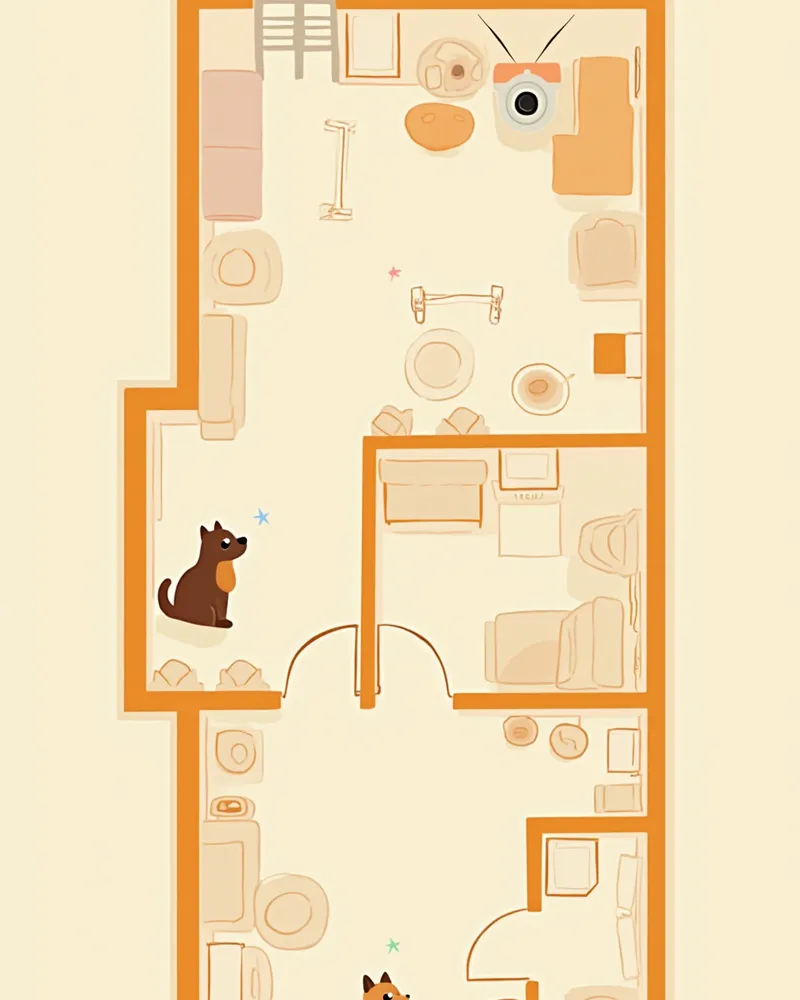
How to Set Up Camera Placement and Shooting Angles
Do Not Use Two-Way Audio Carelessly
If a pet showing signs of separation anxiety suddenly hears their owner’s voice, they may become more agitated and bark excessively due to confusion over why the owner isn’t coming closer despite being nearby. In behavior modification for separation anxiety, it’s important to keep departures and arrivals calm and predictable, as unpredictable vocal stimuli can worsen confusion rather than ease anxiety. If restlessness is observed on video, stop using voice interventions and use the camera for observation only.
Separation Anxiety Signals to Check for in Video Footage

Using Camera Footage for Behavioral Correction
Seek Immediate Veterinary Consultation If You See These Videos
If you notice any of the following behaviors on video, it’s time to seek a behavioral medicine consultation: persistent and repetitive barking or howling, self-injurious escape attempts such as repeatedly banging the head or paws against doors or windows, excessive self-licking of the paws or tail to the point of bleeding, repeated vomiting or diarrhea every time the pet goes outside, or a sustained loss of appetite. It’s especially important to rule out underlying medical causes—such as pain or other illnesses—if the behavioral changes appeared suddenly or if your pet is seven years old or older. If general behavioral modification alone doesn’t lead to improvement, medication may be necessary.
Reviewed by a veterinarian

Dr. Tony — Punnawat Phongkittirak
VeterinarianA veterinarian who majored in veterinary medicine at Khon Kaen University, Thailand, and completed the IVSA program at North Carolina State University in the United States. Drawing on clinical experience at animal hospitals, he works in the pet healthcare field and is dedicated to building a digital care environment that connects pet parents with veterinarians.
Reviewed 2026-04-20
Frequently Asked Questions
Do cats need pet cameras too?
How long should I keep the recorded videos?
Can the Treet spray function help with separation anxiety?
Will installing a camera alone resolve separation anxiety?
I’m concerned about privacy. How can I choose a secure model?
Share
Related Guides

7 Behavioral Enrichment Strategies for Mental Stimulation Recommended by Veterinarians

Top 5 Calming Supplements for Dogs and Cats in 2026

L-Theanine Effects and Calming Support

Dog SDMA Test — Early Detection of Kidney Failure and Cost Guide
Canine Giardia: A Complete Guide to Testing and Treatment for Chronic Diarrhea
Feline Blood Glucose Testing — Stress Hyperglycemia and Accurate Measurement Methods
Home Blood Glucose Monitoring for Dogs — Device Recommendations and Measurement Guide

Feline Injection-Site Sarcoma — Vaccination and Site Selection Guide

My Dog Collapsed Suddenly — Emergency Shock Signs and Survival Prognosis for Splenic Hemangiosarcoma
Symptoms and First Aid Guide for Cat Tea Tree Oil Exposure — 24-Hour Golden Time Checklist
References
[1] Landsberg, Hunthausen, Ackerman, Behavior Problems of the Dog and Cat, 4th Edition, 2024
[2] Horwitz & Mills, BSAVA Manual of Canine and Feline Behavioural Medicine, 2nd Edition, 2023
[3] Shaw & Martin, Introduction to Animal Behavior and Veterinary Behavioral Medicine, 2024
[4] Yin, S., Veterinary Guide to Preventing Behavior Problems in Dogs and Cats, 2023