Like
Share
멍실장
고양이 항암 부작용 관리 자주 묻는 질문 Q&A — 보호자가 꼭 알아야 할 핵심

My cat is vomiting and not eating after chemotherapy — is this normal?

Oncology/CancerQ&AMeongsiljang Veterinary Advisory Board

We’ve put together a guide for pet owners on understanding and effectively managing the side effects that may occur during cancer treatment in cats.

Consistent observation by the owner is key to managing chemotherapy side effects in cats
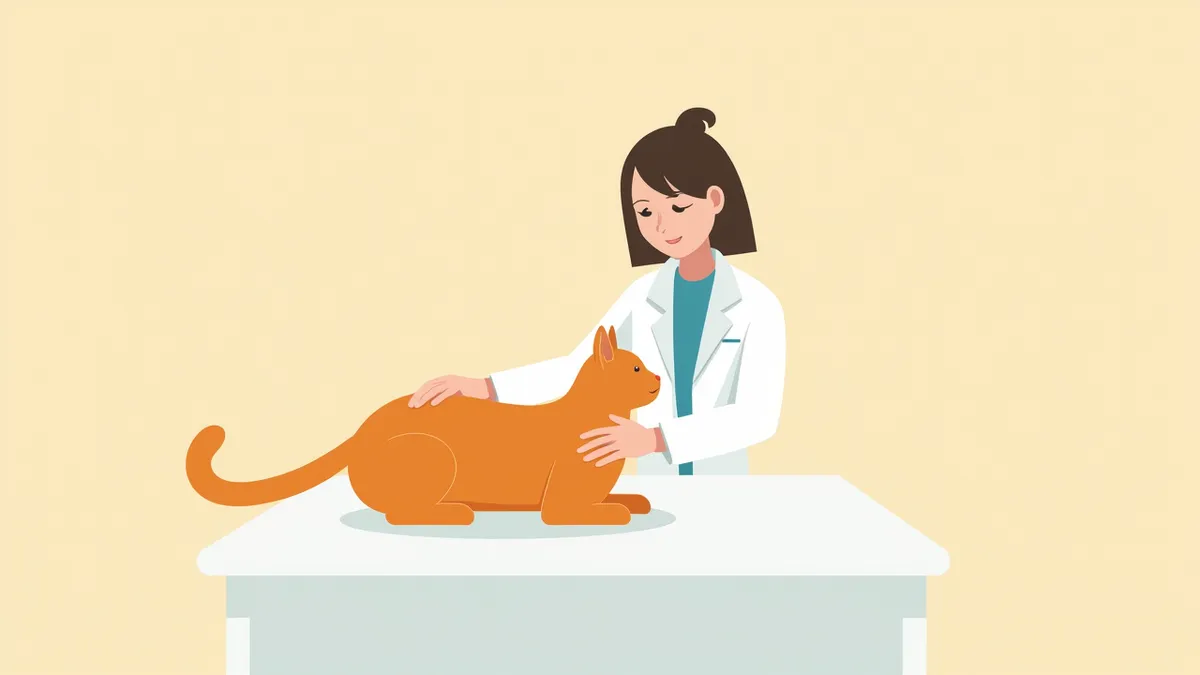
A veterinarian examining a cat
Managing side effects during a cat’s cancer treatment relies heavily on the owner’s daily observation and response. Early detection of any unusual signs allows for prompt action in collaboration with your veterinarian. - Loss of appetite: Cats may suddenly refuse food or eat only small amounts. In such cases, try offering small, frequent meals and use their favorite foods to encourage eating. - Vomiting and diarrhea: The gastrointestinal tract is one of the most commonly affected areas by chemotherapy drugs. It’s important to regulate food and water intake and ensure proper hydration. - Fatigue and lethargy: Your cat may show reduced activity, reluctance to move, or dull eyes. Provide a comfortable environment and allow them to rest frequently. - Low white blood cell count: When bone marrow is affected, the immune system weakens, making your cat more susceptible to infections. Limit outdoor exposure and maintain a clean environment. Keeping a consistent record of these signs will greatly assist in consultations with your veterinarian.

Major side effects of cancer treatment affect rapidly dividing cells
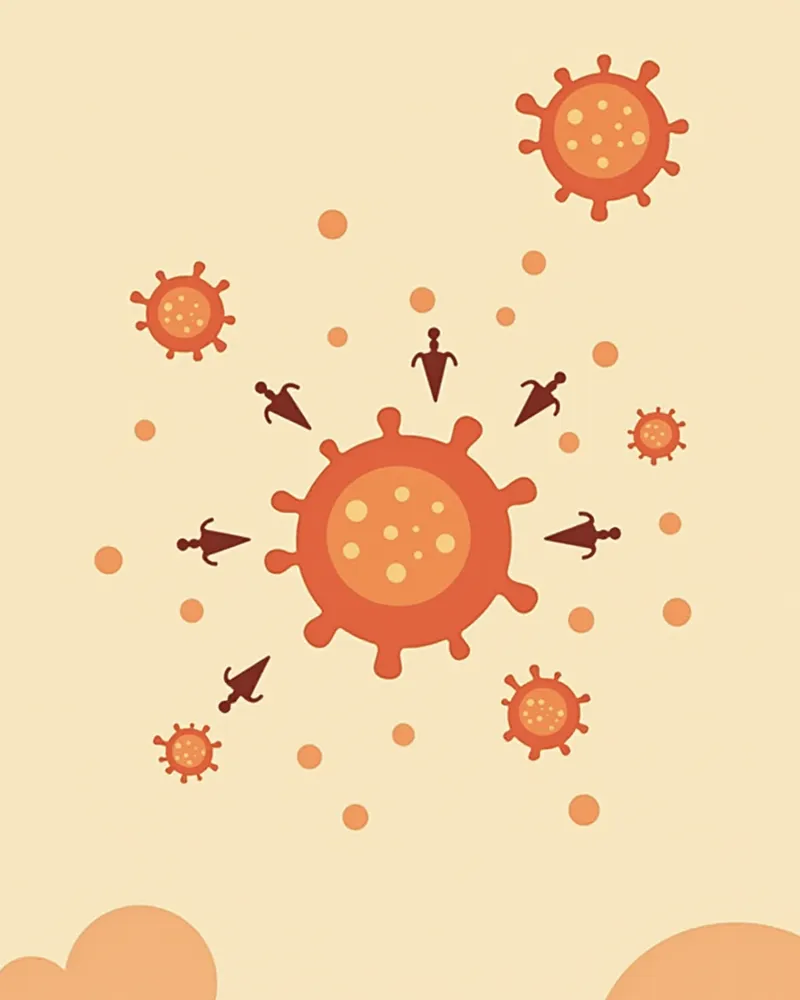
Cancer medications target cancer cells but can also damage healthy cells. Because certain normal cells divide rapidly—particularly those in the gastrointestinal tract, blood-forming tissues, and hair follicles—they are especially vulnerable to these effects. - Gastrointestinal effects: Vomiting, diarrhea, and loss of appetite are common. During this time, it’s important to offer small, frequent meals and ensure adequate hydration. - Blood cell damage: White blood cells, red blood cells, and platelets may decrease, which can increase the risk of infection, cause anemia, or lead to bleeding tendencies. - Hair loss: While cats typically do not experience significant hair loss, some may develop patchy thinning or alopecia. - Fatigue and lethargy: Increased energy demands often result in a sharp decline in activity levels. Providing a comfortable environment and ensuring plenty of rest is essential. These side effects may persist or recur throughout the treatment period, so consistent monitoring by the pet owner is crucial.
A microscopic view of anticancer drugs attacking cancer cells

Accurately identify the main signs of side effects
It’s important to recognize the main signs of chemotherapy side effects in cats. Early detection allows you to work with your veterinarian to take appropriate action. Below are some common symptoms:
Decreased appetite: Your cat may suddenly stop eating or consume only small amounts of food.
Repeated vomiting: Frequent vomiting or persistent, severe vomiting that doesn’t stop.
Prolonged diarrhea: Diarrhea that lasts for an extended period or contains blood.
Increased fatigue: Your cat may remain inactive all day and spend more time resting with its eyes closed.
Suspected fever: Your cat may feel warmer than usual, show shivering, or seek out warm spots. Accurate temperature measurement and fever assessment require a veterinarian’s evaluation.
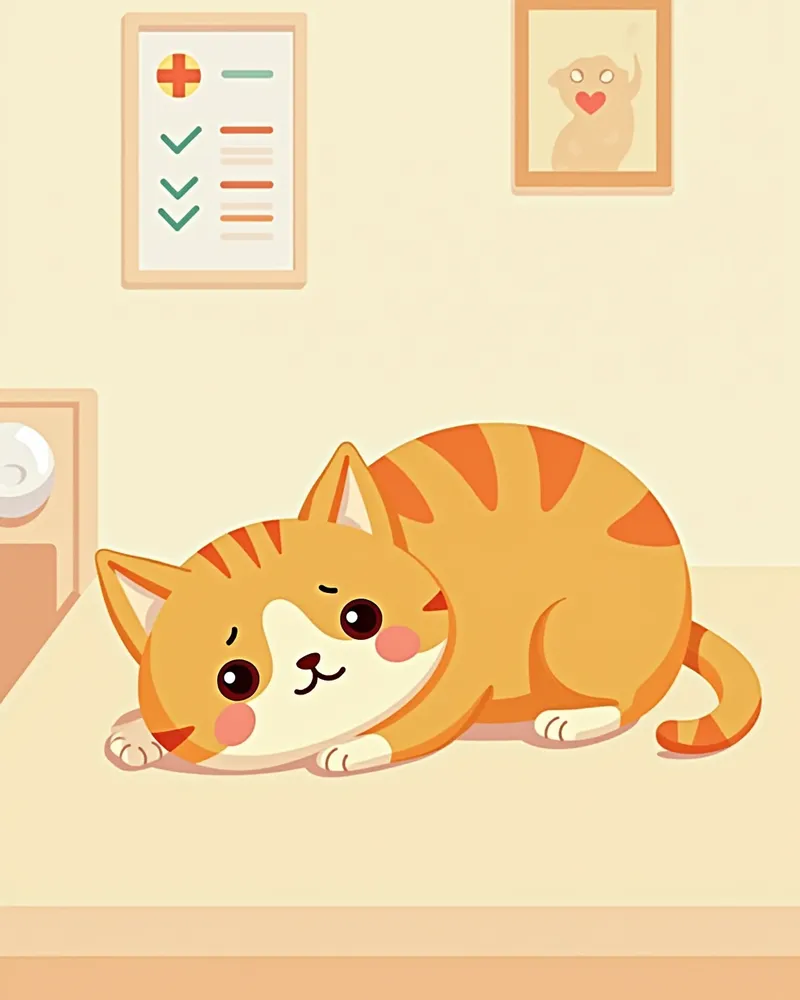
A cat struggling due to a decreased appetite

Emergency signs requiring immediate veterinary visit

If your cat shows the following symptoms, contact your veterinarian immediately, as they can be life-threatening.

Management strategies vary depending on the severity of side effects
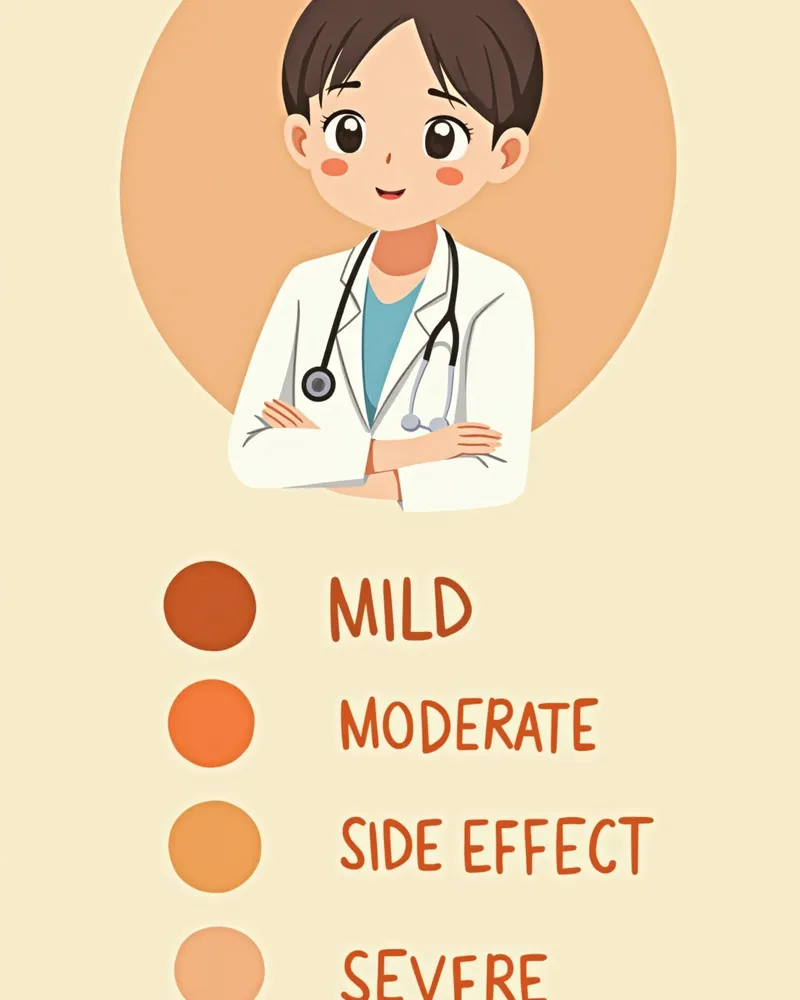
Cancer treatment side effects are categorized as mild, moderate, or severe, each requiring appropriate management. Work with your veterinarian to assess the situation and adjust the treatment plan as needed.
Mild: Decreased appetite, mild vomiting. These can be managed at home.
Moderate: Recurrent vomiting, diarrhea, lethargy. Consult your veterinarian for medication adjustments.
Severe: Fever, bloody stools, severe vomiting, or decreased consciousness. Immediate veterinary care is essential.
A chart showing the severity of chemotherapy side effects

Consistently practice home care methods

It is important to care for your cat at home following your veterinarian’s instructions. Here are some practical care tips:
Divide meals: Feed small amounts 4–6 times a day. Choose foods your cat enjoys.
Ensure hydration: Change the water frequently and mix in moisture-rich foods (e.g., fish broth).
Provide a resting area: Create a quiet, warm space and minimize external stimuli.
Manage activity levels: Avoid excessive activity and only encourage walks when necessary.
Regular weight checks: Record your cat’s weight once a week to monitor changes.
A cozy resting space for your cat

Always consult your veterinarian before using supplements during cancer treatment

Never give your pet any supplements during cancer treatment without your veterinarian’s approval. Some supplements and nutritional products can interfere with how chemotherapy works or affect its safety. - Antioxidants and vitamin supplements: Their interactions with cancer treatments have not been thoroughly verified, so always consult your veterinarian before adding them. - Herbal and botanical supplements: Ingredients and effects vary widely between products and are often unverified, so avoid using them based on your own judgment. - Nutritional supplements: Even simple nutritional support can impact the treatment plan, so only use products recommended by your veterinarian. Avoid purchasing or administering supplements on your own, and work with your vet to determine whether any supplement is safe to use.
Consulting with a veterinarian about the use of supplements.

Comparison table of management strategies by side effect type

ItemMain SymptomHome CareWhen to Visit the Clinic
Decreased appetiteRefusing food, eating lessOffer small frequent meals, try strongly aromatic foodNo appetite for more than a day or noticeable weight loss
Repeated vomitingFrequent repeated vomiting or persistent severe vomitingDivide meals, fast for a set period after giving medicationBlood mixed in, persisting for a long time
Persistent diarrheaLong-lasting or containing bloodProvide fluid replacement, offer a light dietBloody stool, fever, decreased consciousness
Worsening fatigueNot moving all day, keeping eyes closed moreProvide a quiet space, reduce stimulationConfusion, unresponsiveness

Consult your veterinarian immediately in all cases. Side effects can worsen.

Reviewed by a veterinarian

Dr. Tony — Punnawat Phongkittirak

Dr. Tony — Punnawat Phongkittirak

Veterinarian

A veterinarian who majored in veterinary medicine at Khon Kaen University, Thailand, and completed the IVSA program at North Carolina State University in the United States. Drawing on clinical experience at animal hospitals, he works in the pet healthcare field and is dedicated to building a digital care environment that connects pet parents with veterinarians.

Frequently Asked Questions

My cat has no appetite during cancer treatment. What should I do?
Feed small amounts multiple times a day. Try offering strongly scented foods or fish broth. If your pet has no appetite for more than one day, consult your veterinarian.
My pet vomits frequently. How can I manage this at home?
Do not feed your pet for a certain period after administering the medication. Offer small amounts of food and ensure adequate hydration. If symptoms recur, seek veterinary care immediately.
Can I give my pet supplements while they are undergoing cancer treatment?
Never administer supplements directly to your pet. Only use products recommended by your veterinarian, as some supplements may interfere with treatment.
My cat is too tired to move. I'm worried.
Let your pet rest. However, if they remain immobile for more than a day or become unresponsive, contact your veterinarian immediately.
How long do the side effects of cancer treatment last?
The outcome varies depending on the medications used and the treatment schedule, but symptoms often gradually improve within a few days. Your veterinarian will adjust the treatment plan based on any side effects that occur. If symptoms persist for an extended period, a visit to the clinic is necessary.

Share

Related Guides

References

[1] Jenna H. Burton, The Cat, Clinical Medicine and Management, 2nd Edition, 2014

[2] De Campos CB, et al., Use of carboplatin in feline malignant mammary gland neoplasms, In Vivo, 2014

[3] O’Keefe DA, et al., Systemic toxicity associated with doxorubicin administration in cats, J Vet Intern Med, 1993

This information is based on veterinary literature and does not replace diagnosis or treatment. Please consult a veterinarian for specific health concerns.

Metapet Co., Ltd. | CEO: Park Sung-yong | Business Reg. No. 417-88-02562 | Seoul, South Korea | Customer Center

Cat Vomiting and Not Eating After Chemo: Is This Normal? | Meongsiljang