Like
Share
멍실장
사료 갑자기 바꾸면 안 되는 이유

Why Does Sudden Food Change Cause Diarrhea? — A Safe Transition Method Without Gastrointestinal Burden

DigestiveQ&AMeongsiljang Veterinary Advisory Board

Sudden changes in diet can lead to gastrointestinal symptoms such as vomiting and diarrhea. The general guideline is to gradually transition over 7 to 10 days by slowly adjusting the ratio of the new food to the old.

Why You Shouldn’t Change Food Suddenly
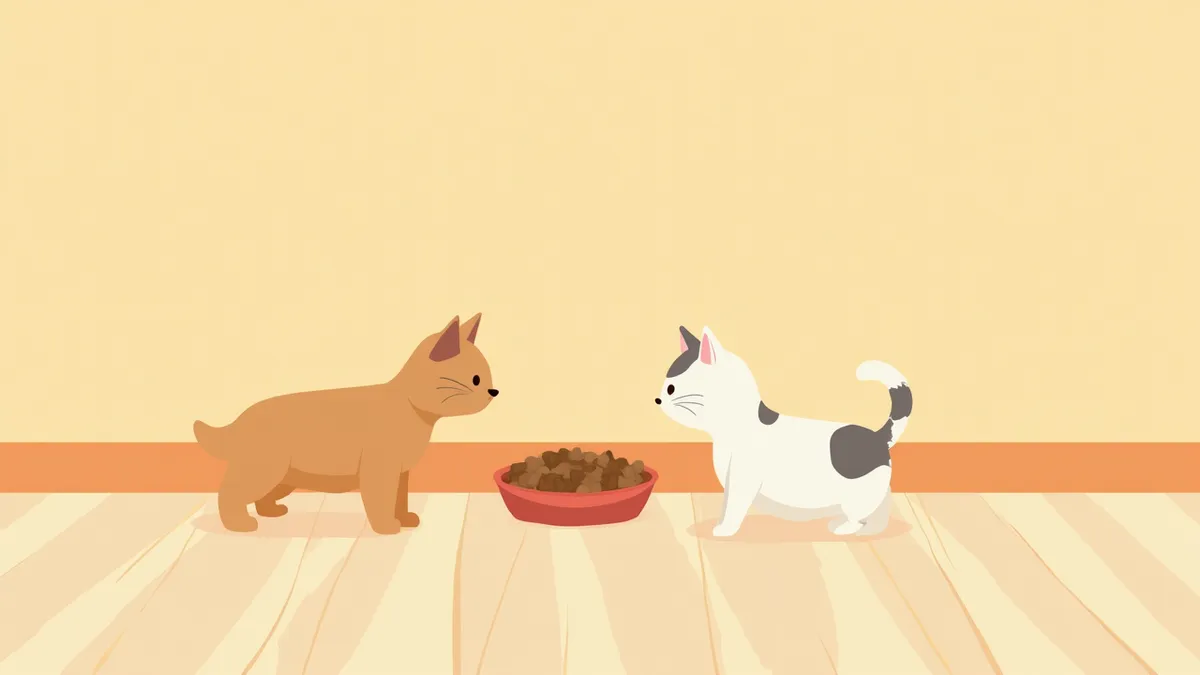
A dog and a cat looking at two bowls of food
Transitioning your pet’s food involves gradually replacing their current diet with the new one over about a week. The key is to give their digestive system time to slowly adjust to the new food. This step-by-step approach helps minimize stress on the digestive tract. In contrast, an abrupt change can trigger acute gastrointestinal symptoms such as vomiting, diarrhea, or loss of appetite. Severe diarrhea may even lead to dehydration due to fluid loss. The longer your pet has been on their current food, or the more sensitive their digestive system, the slower and more cautious the transition should be for safety.

What Happens When You Change Food Suddenly

Your dog’s or cat’s digestive system is already accustomed to their current food. If the ingredients—such as the type of protein, carbohydrate ratio, or fiber content—change suddenly, the digestive tract may not adapt quickly enough, leading to stress on the system. This can irritate the stomach, small intestine, and large intestine, potentially resulting in vomiting or diarrhea. Gastrointestinal inflammation is a common condition that often presents with vomiting, diarrhea, abdominal pain, and loss of appetite. Pets with underlying digestive issues or sensitive stomachs may experience more pronounced symptoms, so extra care is essential.

7–10 Day Step-by-Step Transition Ratio

The standard transition schedule recommended in veterinary nutrition textbooks is shown in the table below. It involves gradually decreasing the proportion of the old food while increasing the proportion of the new food.

Step-by-Step Food Transition Ratio

ItemCurrent FoodNew Food
Days 1–275%25%
Days 3–450%50%
Days 5–625%75%
Days 7–100%100%

For sensitive pets, extend the transition to up to 14 days for a slower switch

Cases Requiring a Slower Transition

In the following situations, it’s safer to transition more gradually than the standard recommended period: - Young puppies and kittens: Their digestive systems are still developing, so a slower transition than usual is advised. - Senior pets: Their digestive tracts may be more sensitive, so proceed with extra care. - History of chronic diarrhea or IBD: Consult your veterinarian and transition over a sufficiently long period. - Switching to a different brand: Especially when the protein and carbohydrate sources are completely different. - Transitioning to a prescription diet: Follow your veterinarian’s instructions carefully.
An elderly dog that eats its food cautiously

Signs That Require Immediate Veterinary Visit

If your pet shows any of the following symptoms during a food transition, stop feeding the new food immediately and visit a veterinarian. Persistent vomiting lasting more than 24 hours, bloody diarrhea, or extreme lethargy to the point of refusing water all indicate a high risk of dehydration. Small-breed pets and young puppies or kittens are especially prone to rapid dehydration, so prompt veterinary care is essential.

If Diarrhea or Vomiting Occurs During Transition

If your pet is experiencing only mild, soft stools, allow their gut time to adjust by staying at the current feeding ratio for an additional 2–3 days. You may also consider reverting to the previous stage. If symptoms are not severe, avoid rushing to the next stage; instead, ensure they drink plenty of water and monitor their condition. Administer probiotics only after consulting with a veterinarian, and never give human medications such as Jeongrohwan or anti-diarrheal drugs.
A dog drinking water

Cats Are More Sensitive

Cats tend to be more particular about their food than dogs, so they may not readily accept new foods. Cats that have grown accustomed to a specific diet from a young age may even reject unfamiliar kibble. Additionally, if a cat refuses food for an extended period, inadequate nutrient intake can lead to health issues, so extra caution is warranted. If your cat rejects new food, do not force them to go hungry; instead, gradually increase the proportion of their current food or try alternative methods such as wet food or toppers to help them adapt slowly.

Helpful Tips to Keep in Mind

Start transitioning your pet’s food during a calm, stress-free period. Avoid making the switch right after moving, traveling, visiting the vet, or introducing a new pet to the household. During stressful times, your pet’s digestive system may already be sensitive, increasing the risk of digestive issues. It’s also best to make gradual changes during seasonal transitions.

Reviewed by a veterinarian

Dr. Tony — Punnawat Phongkittirak

Dr. Tony — Punnawat Phongkittirak

Veterinarian

A veterinarian who majored in veterinary medicine at Khon Kaen University, Thailand, and completed the IVSA program at North Carolina State University in the United States. Drawing on clinical experience at animal hospitals, he works in the pet healthcare field and is dedicated to building a digital care environment that connects pet parents with veterinarians.

Frequently Asked Questions

I suddenly changed my pet’s food, and there are no symptoms. Is that okay?
It’s a good sign if there are no symptoms. However, changes as the digestive system adjusts to the new food may not appear for a few days. Keep a close eye on stool consistency and appetite for about a week. Pets with sensitive constitutions may experience delayed digestive symptoms after several days, so please remain vigilant.
Should I still transition slowly when switching to a different flavor within the same brand?
Yes, even within the same brand, changing the main ingredient (e.g., from chicken to salmon) alters the protein and fat composition. Gradually adjusting the ratio during the transition is a safe way to reduce the burden on your pet's digestive system.
Is the process the same when switching to a prescription diet?
The basic principles are the same, but depending on the disease, there are cases where you need to switch to a 100% prescription diet immediately (e.g., acute kidney disease). Please follow your veterinarian's instructions first.
How should I handle treats and toppers?
During the transition period, **do not introduce any new treats or toppers**. This makes it difficult to identify the cause of any issues. Offer only the treats your pet is already accustomed to, in minimal amounts, and introduce new items one at a time with at least a week between each, ensuring no symptoms are present.
Does the 7-day rule also apply when switching from dry food to wet food?
Actually, you should transition even more gradually. Because the moisture content and texture change significantly, switching too quickly can burden your pet’s digestive system, so a proper transition period is recommended. If your pet refuses the wet food, try warming it slightly or mixing it with their current dry food.

Share

Related Guides

References

[1] Fascetti AJ, Delaney SJ. Applied Veterinary Clinical Nutrition, 2nd Ed. Chapter 8: Commercial and Home-Prepared Diets

[2] Ettinger SJ, Feldman EC. Textbook of Veterinary Internal Medicine, 8th Ed. Chapter on Diseases of the Small Intestine

[3] Hand MS, et al. Small Animal Clinical Nutrition, 5th Ed. Chapter on Feeding Methods

This information is based on veterinary literature and does not replace diagnosis or treatment. Please consult a veterinarian for specific health concerns.

Metapet Co., Ltd. | CEO: Park Sung-yong | Business Reg. No. 417-88-02562 | Seoul, South Korea | Customer Center

Why Sudden Food Changes Cause Diarrhea & How to Switch Safely | Meongsiljang