Like
Share
멍실장
강아지끼리 인사 절차와 매너

How to Teach Puppies to Greet Each Other — Safe Steps and Manners to Prevent Fights

ImmunityQ&AMeongsiljang Veterinary Advisory Board

Dogs follow a specific sequence when greeting each other, starting with sniffing. By adhering to this proper greeting protocol, they can become friends without fighting or stress.

How Do Dogs Greet Each Other?
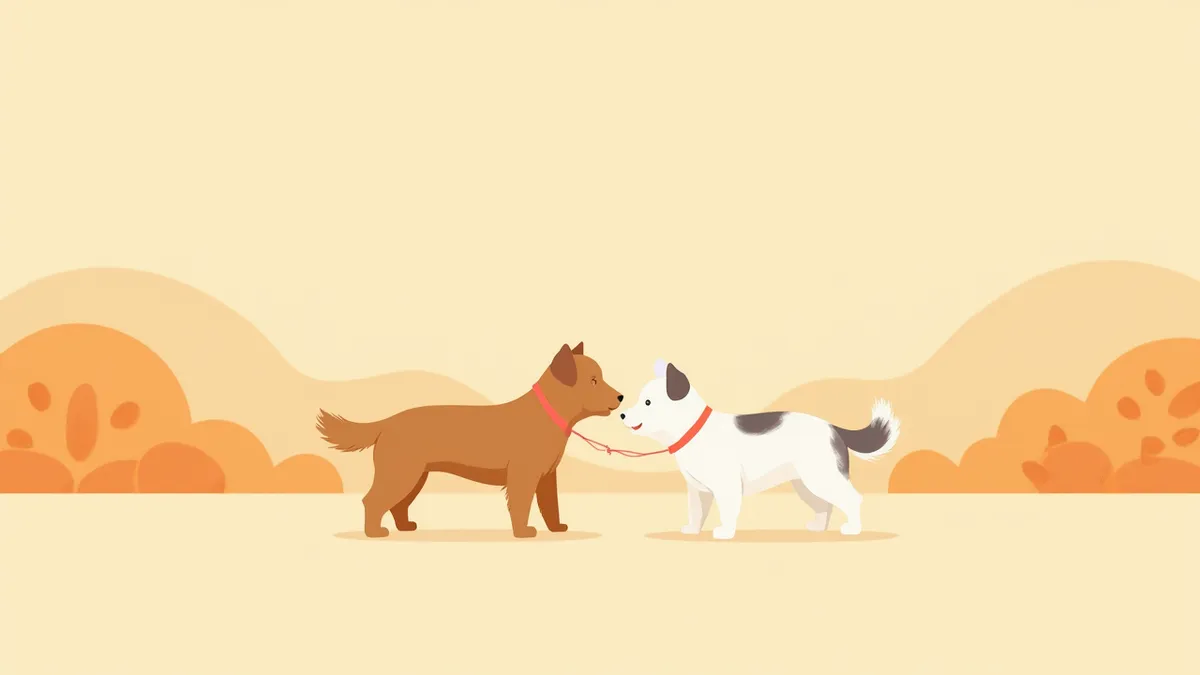
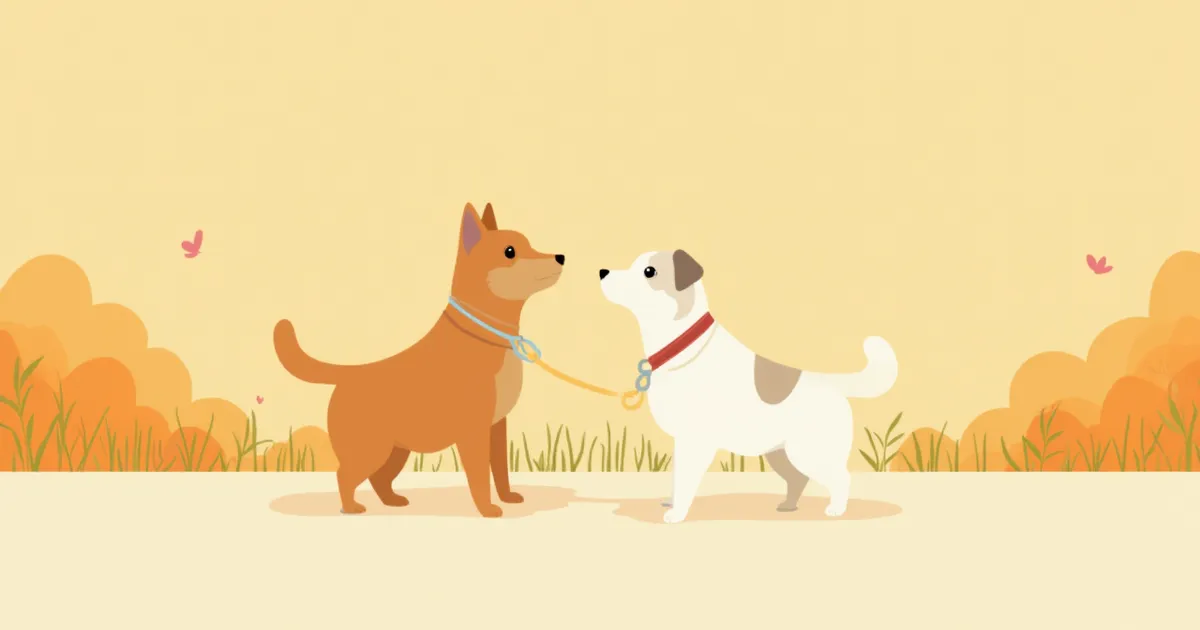
Two dogs greeting each other by touching noses while on loose leashes.
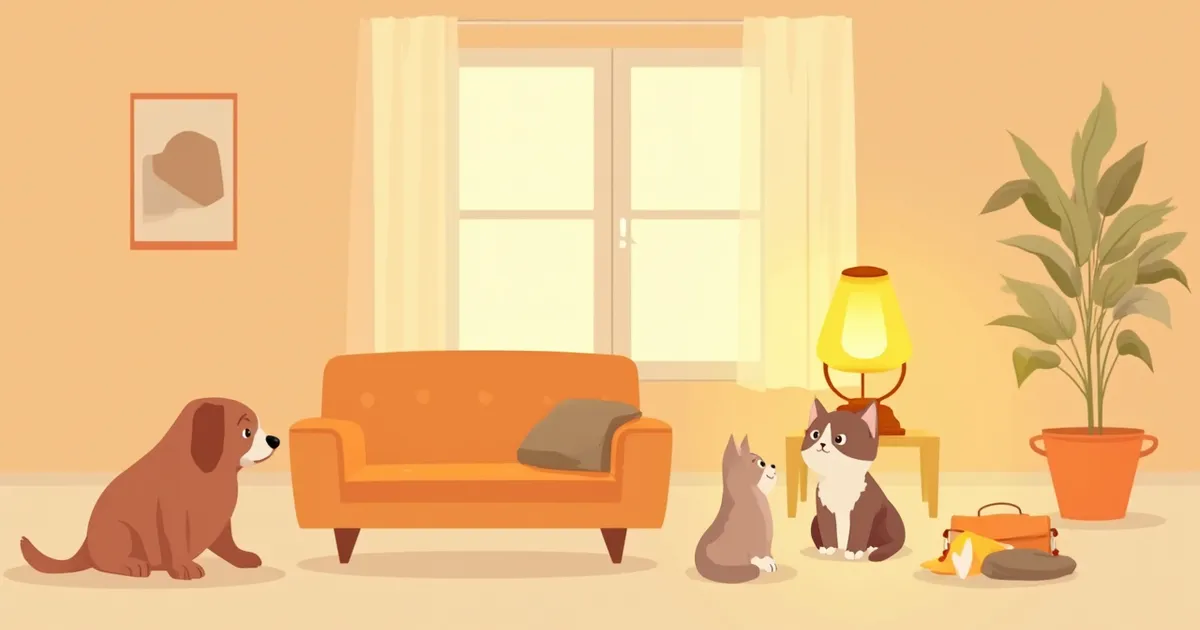
When dogs greet each other, they follow a step-by-step social ritual: they identify one another by scent and convey friendliness or refusal through body language. The key is to go slowly and keep the leash loose. First, they sniff each other’s noses, then explore the flanks and hindquarters in sequence. If both are interested, they may initiate play with a play bow—lowering their front legs while keeping the rear end up. If you pull on the leash or force them together, you’ll interrupt their greeting signals.

Why Do Dogs Follow This Greeting Sequence?

Dogs are known to exchange various social cues through scent. This olfactory greeting is so vital in canine society that it’s often compared to swapping business cards. However, when two unfamiliar dogs meet, the natural approach is not to walk straight toward each other, but to circle around and slowly close the distance while sniffing. Dogs generally prefer this indirect, side-by-side approach over direct face-to-face or belly-to-belly contact, as a head-on approach can be perceived as threatening. The progression of sniffing from the nose to the flank and hindquarters is a careful process designed to avoid overstimulating either party. If this delicate ritual is rushed or forced, it can lead to heightened arousal, causing the dogs to become tense or exhibit defensive behaviors.

Proper Greeting Steps vs. Incorrect Greeting Situations

ItemDesirable SituationDangerous Situation
Approach speedSlowly, drawing an arcGoing straight/charging head-on
Leash stateLoose U-shapePulled taut
TailMid-height, soft wagRaised high, wagging stiffly
Body postureStanding sideways to exploreClimbing on top of or draping over the other's shoulders
TimeSeparating naturally after 3-5 secondsStaring continuously for over 10 seconds

3-second rule: greet each other for 3 seconds → separate and check the reaction → re-contact if okay

Greeting Manners Owners Must Follow
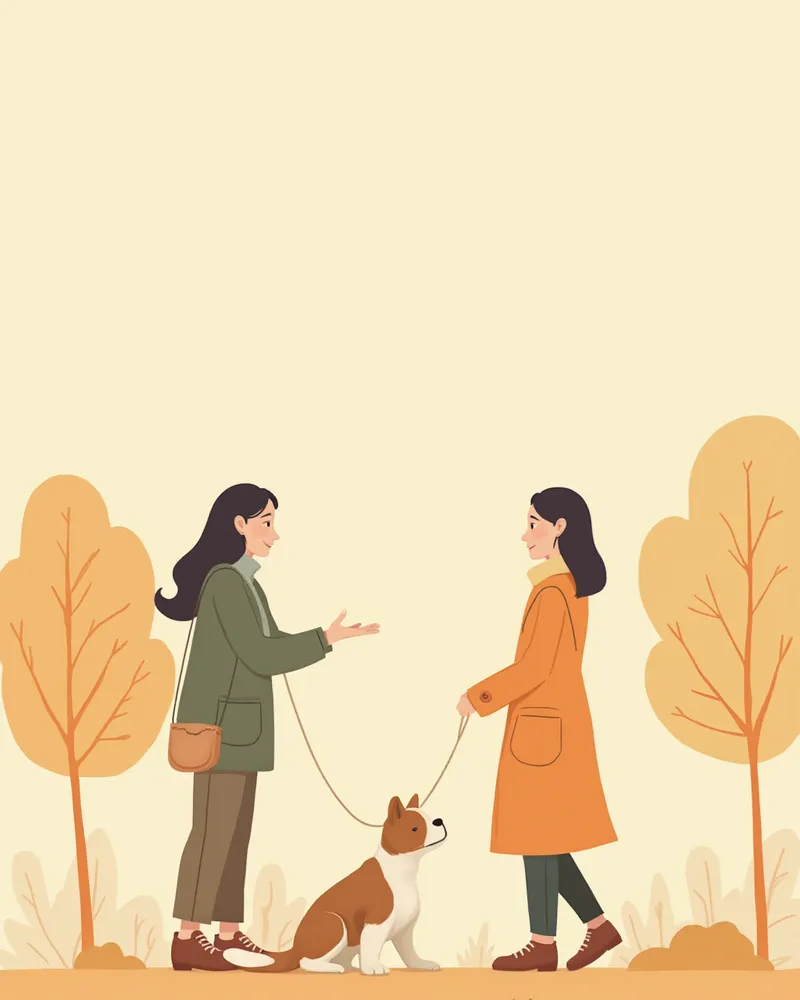
- Ask first: Always ask the other dog’s owner, “Is it okay to say hello?” before approaching. - Keep the leash loose: A taut leash sends a “tension” signal to your dog. - Avoid approaching head-on: It’s more polite to approach from the side in a gentle arc. - Apply the 3-second rule: After the initial greeting, briefly separate the dogs to observe their reactions. - Save head pats for later: Reaching over a strange dog’s head can be perceived as a threatening gesture.
Two owners checking if their dogs can greet each other, while the dogs sit and wait patiently.

When to Avoid Greetings

If you notice any of the following signs, stop greeting the dog immediately and give it space. Forcing interaction can lead to aggressive behavior or bites. - Growling, baring teeth, raised hackles - Tail tucked under the body and crouching posture (indicating extreme fear) - Frequent lip licking or repeated yawning (stress signals) - One dog consistently trying to avoid interaction while the other pursues - Confined spaces with no escape route, such as narrow hallways or elevators

How to Handle Problems During Greetings
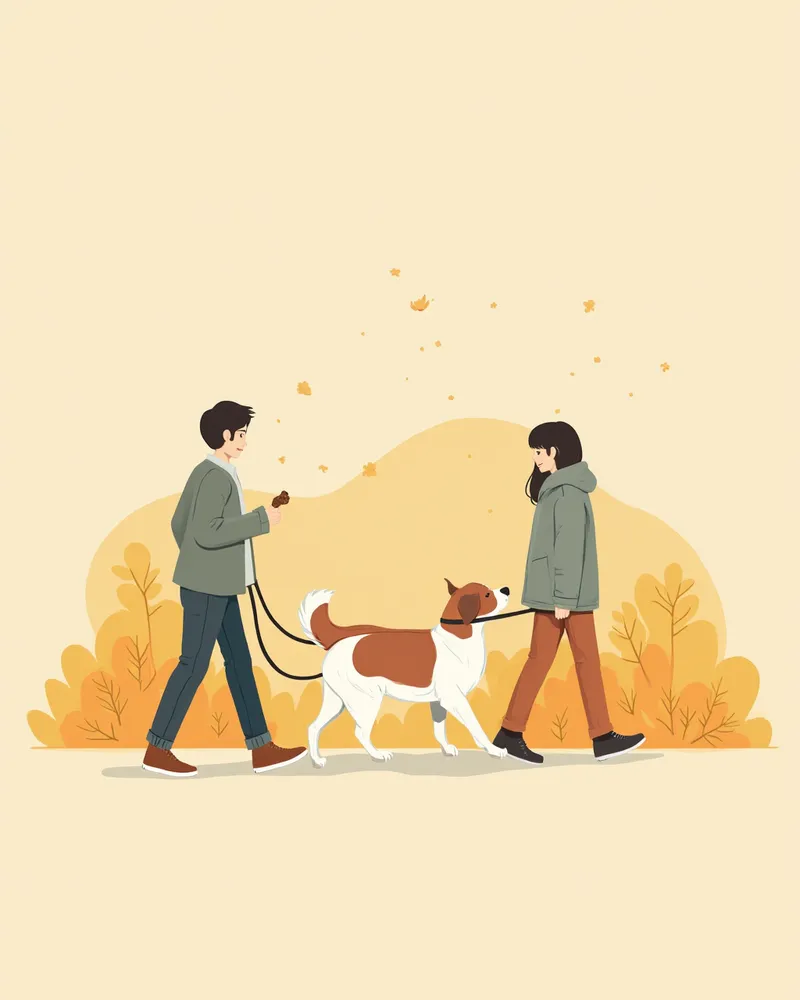
When tension rises, first call your dogs by name and redirect their attention with treats. Pulling both dogs at once can increase aggression, so it’s more effective to move them apart one at a time in opposite directions. If a bite has already occurred, don’t force them apart; instead, use barrier stimuli like loud noises, water, or covering them with a blanket. Afterward, always have a veterinarian examine the wounds to prevent infection.
A pet owner who eases tension between dogs by distracting them with treats.

How to Teach Greeting Manners from a Young Age

The socialization period, from 3 to 14 weeks of age, is a critical window for puppies to learn how to build healthy relationships with other dogs and various stimuli (the sensitive period begins around 3 weeks and lasts until approximately 12–14 weeks). Short, positive interactions with puppies of different breeds and sizes during this time help establish good greeting manners for life. However, avoid forcing your puppy to confront things that scare them; instead, let them approach and explore at their own pace. Forcing exposure can actually increase fear. If vaccinations are not yet complete, hold your puppy to observe the outside environment or use controlled settings like verified puppy classes. Even after reaching adulthood, consistently maintaining the habit of brief greetings with other dogs during walks helps sustain good social skills.

Consider Breed and Individual Characteristics

Even within the same breed, individual dogs can vary greatly in temperament and physical condition. Brachycephalic breeds with short muzzles, such as French Bulldogs and Pugs, may pant easily when excited, so keep an eye on them to prevent overexertion. Senior dogs with poor vision or puppies with hearing impairments can be especially startled by someone approaching from behind. Encounters between large dogs that haven’t received basic training, or between intact males, can also heighten tension. Above all, behavioral differences within the same breed can be significant, and how a dog was raised and handled during puppyhood profoundly shapes its temperament. Always remember that saying “my dog is naturally gentle” reflects hope rather than a reliable prediction.

Reviewed by a veterinarian

Dr. Tony — Punnawat Phongkittirak

Dr. Tony — Punnawat Phongkittirak

Veterinarian

A veterinarian who majored in veterinary medicine at Khon Kaen University, Thailand, and completed the IVSA program at North Carolina State University in the United States. Drawing on clinical experience at animal hospitals, he works in the pet healthcare field and is dedicated to building a digital care environment that connects pet parents with veterinarians.

Frequently Asked Questions

Should you always allow dogs to sniff each other’s rear ends?
Sniffing each other’s rear ends is a natural way for dogs to exchange social information and greet one another. While this behavior is generally acceptable, if one dog consistently tries to avoid it, please separate them right away.
Can I introduce my small dog to a larger one?
When there’s a significant size difference, the disparity in play intensity and physical strain can increase the risk of injury. It’s safer for smaller dogs to first gain ample experience interacting with dogs of similar size before attempting to play with larger ones.
What should I do if my dog mounts (rides on) another dog during greetings?
Mounting is often triggered by excitement or stress rather than sexual behavior. Regardless of the cause, it’s important to calm your pet first. Gently separate them with a leash and redirect their attention elsewhere. If the behavior persists, consider consulting a professional for behavior modification advice.
Can a puppy that hasn’t completed its vaccinations still greet other dogs?
Since their immune system isn’t fully developed yet, we don’t recommend letting them freely greet other dogs outdoors. Instead, use controlled environments like vaccinated family dogs or puppy classes.
Does a dog that only barks when greeting people lack social skills?
Barking can express interest, excitement, or fear. If your dog starts barking before you approach, it’s best to step back and use basic commands like “sit” or “stay” to help them calm down, then try again.

Share

Related Guides

References

[1] Horwitz D, Mills D. BSAVA Manual of Canine and Feline Behavioural Medicine, 2nd ed. BSAVA, 2009.

[2] Overall KL. Manual of Clinical Behavioral Medicine for Dogs and Cats. Elsevier, 2013.

[3] Little S. The Dog Care Handbook: Things I Wish My Vet Had Told Me. 5M Publishing, 2024.

[4] Shepherd K. Introduction to Animal Behavior and Veterinary Behavioral Medicine, Ch.11.

This information is based on veterinary literature and does not replace diagnosis or treatment. Please consult a veterinarian for specific health concerns.

Metapet Co., Ltd. | CEO: Park Sung-yong | Business Reg. No. 417-88-02562 | Seoul, South Korea | Customer Center

How to Introduce Puppies: Safe Steps and Manners to Prevent Fights | Meongsiljang