
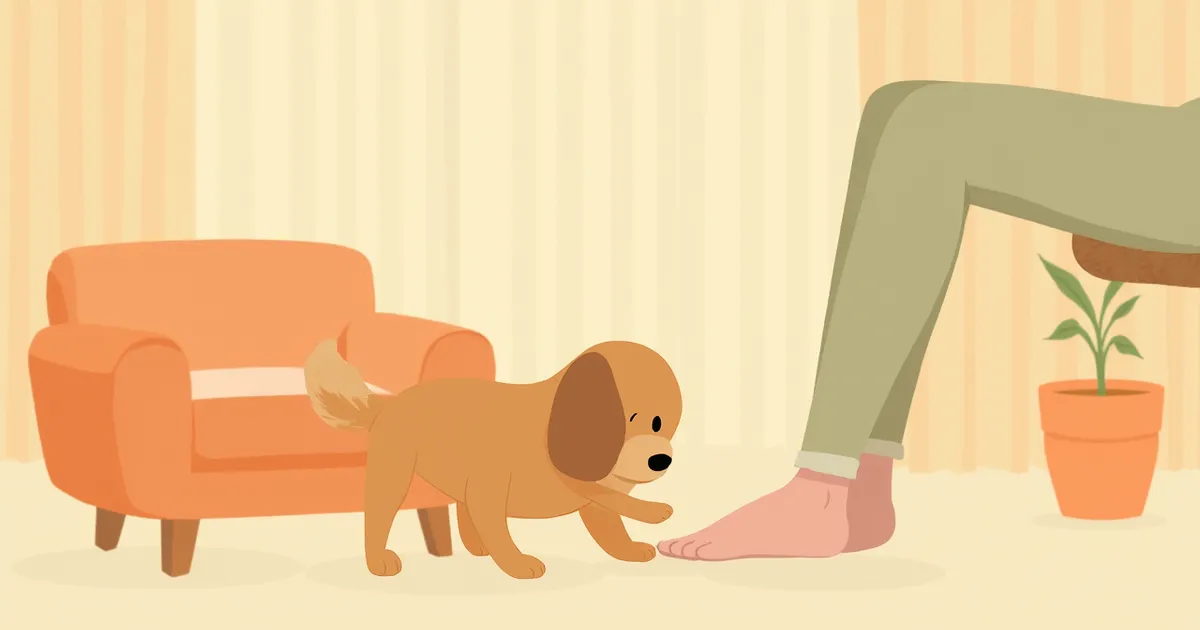
Why Your Dog Licks Your Feet: Affection or Stress Signal?
There are many reasons why a dog might lick its owner's feet, ranging from affection and attention-seeking to anxiety, stress, or even a desire for salt. We’ve outlined how to distinguish between normal behavior and potential warning signs based on the duration of the licking and any accompanying symptoms.
Why Your Dog Licks Your Feet: Summary
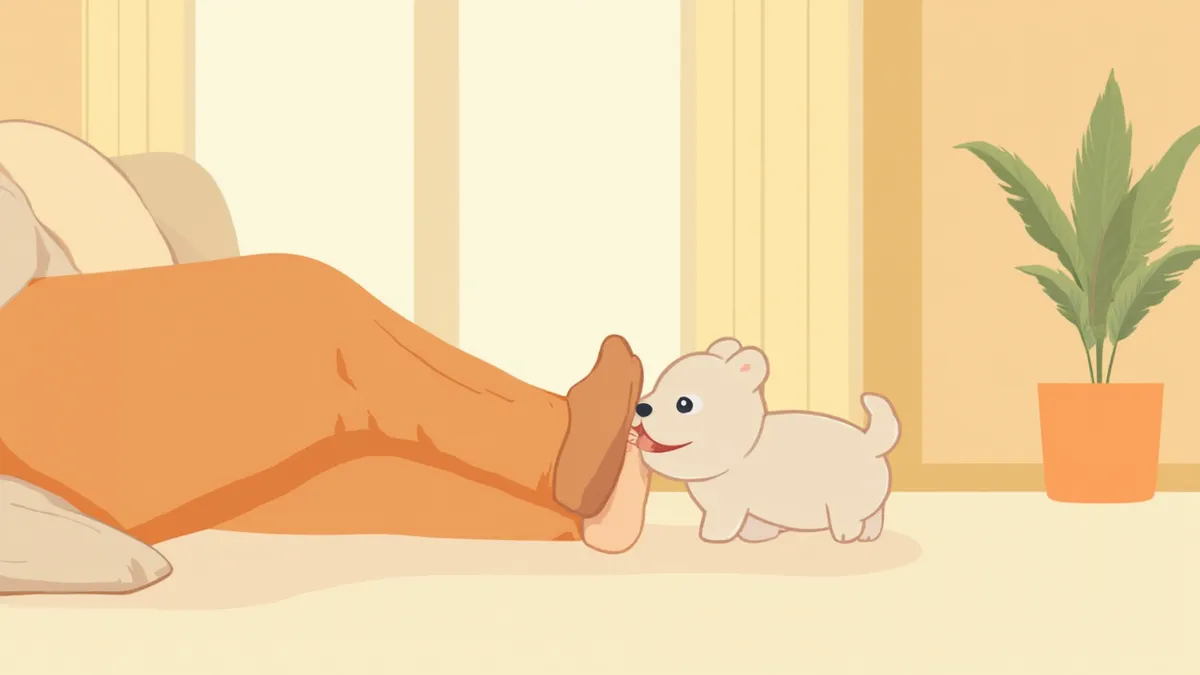
Why 'Feet'? The Behavioral Background
5 Key Reasons Why Dogs Lick Feet
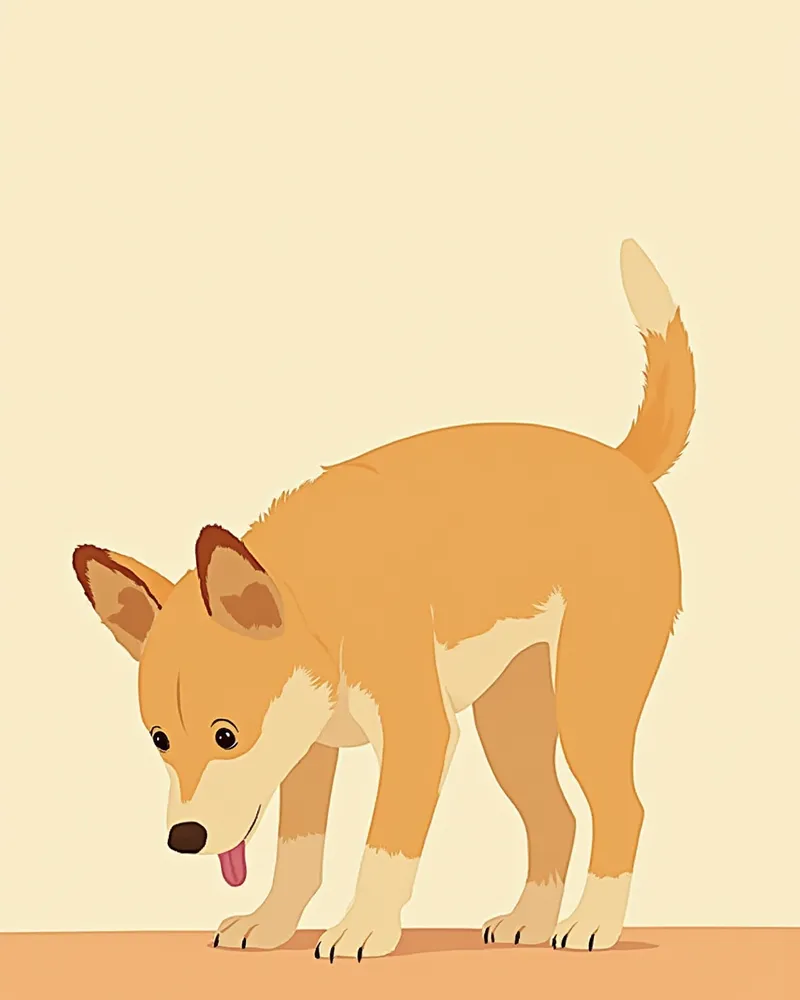
How to Distinguish Normal Foot Licking from Problematic Licking
| Item | Normal behavior | Watch with caution | Respond immediately |
|---|---|---|---|
| Duration | Licks briefly then stops | Lasts longer than usual | Repeated persistently for a long time |
| Frequency | Occasionally | Noticeably more frequent | Repeated incessantly |
| Accompanying behavior | Tail wagging, relaxed | Restless, panting | Even licks its own paws |
| Whether it can be stopped | Stops when name is called | Pauses briefly then resumes | Continues despite being restrained |
| Response | OK to leave as is | Check the causative environment | Consult a veterinarian or behavior specialist |
When the dog repeatedly licks its own paws, an accompanying dermatitis or allergy is highly likely
When to Visit the Vet
This may not be a simple display of affection, but rather a warning sign from your pet’s body. If any of the following apply, we recommend visiting an animal hospital within one to two weeks. In particular, if your pet licks its paw pads until they become red or if the fur between the toes has turned brownish, there may be an underlying issue such as atopy, food allergies, or a Malassezia infection. A sudden, significant increase in paw-licking could also indicate gastrointestinal problems like abdominal pain or nausea.
Skin Conditions to Suspect When Licking Their Own Paws
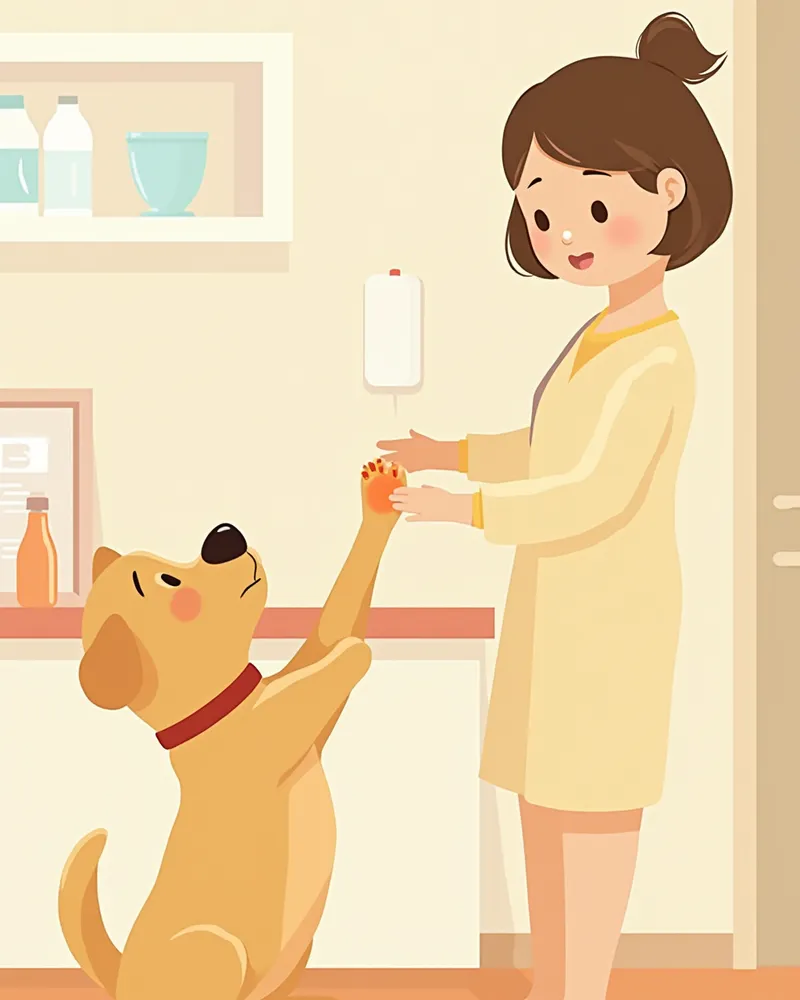
Countermeasures and Management for Owners
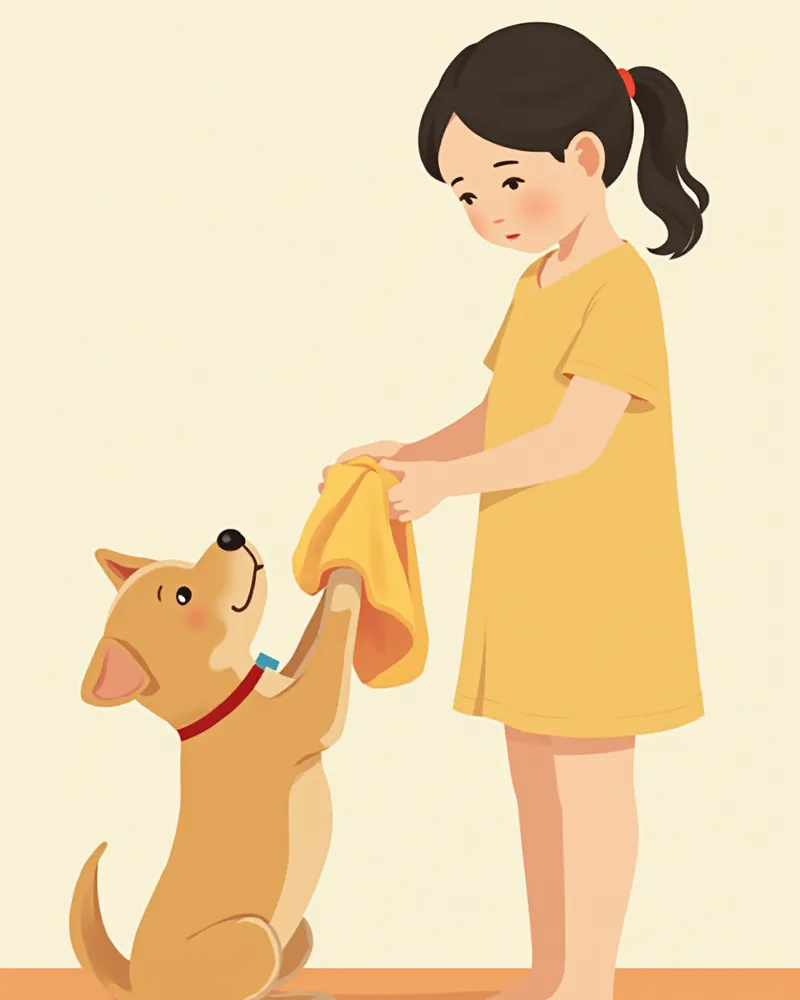
What Not to Do
Scolding your dog or covering its mouth to stop paw-licking can actually backfire. Since dogs don’t understand why they’re being reprimanded, this approach can damage your bond and increase their anxiety, potentially worsening the licking. We also advise against applying spicy sprays or bitter-tasting deterrents found online, as these can irritate your dog’s skin. The most effective strategy is to calmly ignore the behavior and gently redirect your dog’s attention to a different activity.
Reviewed by a veterinarian

Dr. Tony — Punnawat Phongkittirak
VeterinarianA veterinarian who majored in veterinary medicine at Khon Kaen University, Thailand, and completed the IVSA program at North Carolina State University in the United States. Drawing on clinical experience at animal hospitals, he works in the pet healthcare field and is dedicated to building a digital care environment that connects pet parents with veterinarians.
Reviewed 2026-04-28
Frequently Asked Questions
Is it okay to just let my dog lick its paws?
Can bacteria from a dog’s licking be transmitted to humans?
My dog licks its paws excessively after walks. Why is that?
The skin between my pet’s toes has turned brown. Does this require treatment?
Are the reasons for licking paws different in young puppies and senior dogs?
Share
Related Guides

Primary vs. Secondary Veterinary Hospitals: A Comparison
5 Easy-to-Raise Cat Breeds for First-Time Owners — Grooming Difficulty Comparison
Top 7 Short-Legged Dog Breeds
When Is a Kidney Biopsy Essential for Cats? — Key Points on Procedure and Indications
Tumor Grade vs. Stage: What’s the Difference?
The Complete Guide to Interpreting Lymph Node Aspiration Results
The Ultimate Guide to Distinguishing Cytology Patterns (Inflammation, Neoplasia, and Hyperplasia)
Why Your Dog Licks Its Body and Barks

Why Cats Love Empty Boxes: Could It Be Related to Stress?

Why Do Cats Sit on Keyboards? Is It to Get Attention or for Warmth?
References
[1] BSAVA Manual of Canine and Feline Dermatology, 4th Edition, Chapter on Pruritus and Behavioral Dermatoses
[2] Beaver BV, Canine Behavior: Insights and Answers, 2nd Edition, Saunders
[3] Veterinary Guide to Preventing Behavior Problems in Dogs and Cats, Wiley-Blackwell
[4] Horwitz DF, Mills DS, BSAVA Manual of Canine and Feline Behavioural Medicine, 2nd Edition