

How to Start Shelter Volunteering: From Eligibility to Actual Activities
This practical guide covers the essentials for first-time volunteers at animal shelters, including what to bring, step-by-step procedures, and important precautions. It also addresses infection prevention and psychological preparation.
What Is Shelter Volunteering?
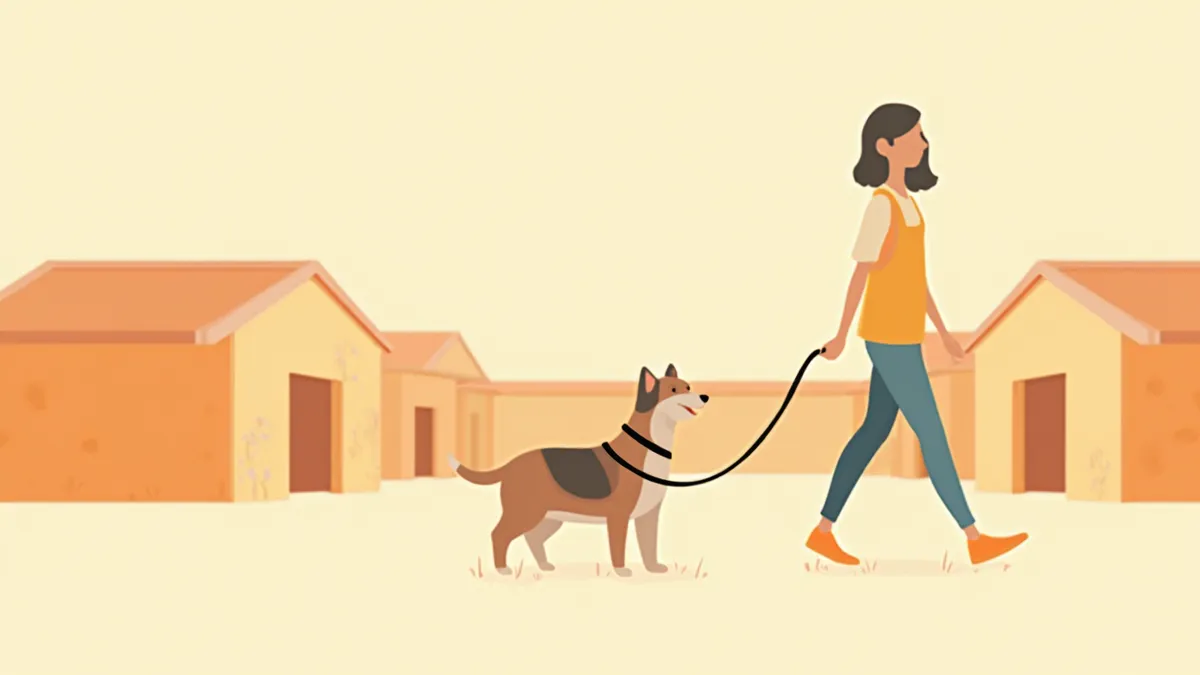
Where and How to Apply for Volunteering?
Essential Items to Prepare Before Volunteering

Comparison of Activities by Volunteer Type
| Item | Cleaning volunteer | Walking volunteer | Foster care |
|---|---|---|---|
| Physical exertion | High | Moderate | Low |
| Animal contact | Indirect | Direct | Close contact |
| Duration | Half a day | Half a day | 2 weeks to several months |
| Recommended for beginners | True | True | False |
| Possible even with existing pets | True | True | Conditional |
Foster care is recommended for owners with experience in isolation and medical care.
If You Have a Pet at Home, Please Follow These Guidelines
If you have a dog or cat at home, preventing infection after volunteering is the most important step. Shelters are high-risk environments for infectious diseases because many animals share the same space. In particular, upper respiratory tract diseases (URTDs, such as those caused by herpesvirus and calicivirus) are the most common among cats, and zoonotic parasites transmitted through feces can spread to volunteers. Additionally, the longer animals stay in shelter, the greater the risk of both infectious diseases and emotional stress. After volunteering, please follow these steps: ① Seal your outerwear and shoes in plastic bags before leaving; ② Shower and wash your hair immediately upon arriving home; ③ Wash your clothes thoroughly in hot water; and ④ Avoid contact with your pets until you have thoroughly washed your hands and body.
How Your First Volunteer Day Will Proceed

Behavioral Guidelines When Interacting with Animals
Please Postpone Volunteering in These Cases
Your health directly impacts the well-being of the animals in our care. Please postpone your visit if any of the following apply: ① You are experiencing symptoms of infection, such as a cold, flu, or gastroenteritis; ② Your pet at home is unvaccinated or currently undergoing treatment for an illness; ③ You have visited overseas farms or other shelters within the past two weeks; ④ You are in the early stages of pregnancy or taking immunosuppressive medication. Pregnant individuals and those with compromised immune systems are at risk of exposure to zoonotic parasites that can be transmitted to humans through cat feces; therefore, it is essential to avoid cleaning cat enclosures and handling feces.
Psychological Preparation Is Also Necessary (Compassion Fatigue)

Reviewed by a veterinarian

Dr. Tony — Punnawat Phongkittirak
VeterinarianA veterinarian who majored in veterinary medicine at Khon Kaen University, Thailand, and completed the IVSA program at North Carolina State University in the United States. Drawing on clinical experience at animal hospitals, he works in the pet healthcare field and is dedicated to building a digital care environment that connects pet parents with veterinarians.
Frequently Asked Questions
Can minors volunteer at the shelter?
Can I bring my pet when volunteering?
Will a volunteer service certificate (1365) be issued?
What should I do if a bite incident occurs during a volunteer activity?
My pet at home isn't eating after the first volunteer session. Why might that be?
Share
Related Guides

Primary vs. Secondary Veterinary Hospitals: A Comparison
Comparing Dog Vaccine Types (3-way, 5-way, 7-way): Differences and How to Choose

Pet Insurance Enrollment Timing Comparison: When Is the Most Advantageous Time to Enroll?
The Ultimate Guide to Gastroscopy and Colonoscopy for Dogs and Cats: Procedure and Costs
Why are pancreatic enzyme (cPLI/fPLI) tests necessary?

When is Total Hip Replacement Needed for Dogs, and What Is the Recovery Like?

Complete Guide to Urethrotomy Surgery in Dogs
How is cruciate ligament suture surgery performed?
Splenectomy Procedure and Care

When and how should cleft palate surgery be performed?
References
[1] Association of Shelter Veterinarians, Guidelines for Standards of Care in Animal Shelters, 2022
[2] Miller L., Janeczko S., Infectious Disease Management in Animal Shelters, 2nd Ed, 2021
[3] 동물보호법 시행규칙 제14조 (동물보호센터 운영), 농림축산식품부, 2024