

Splenectomy Procedure and Care
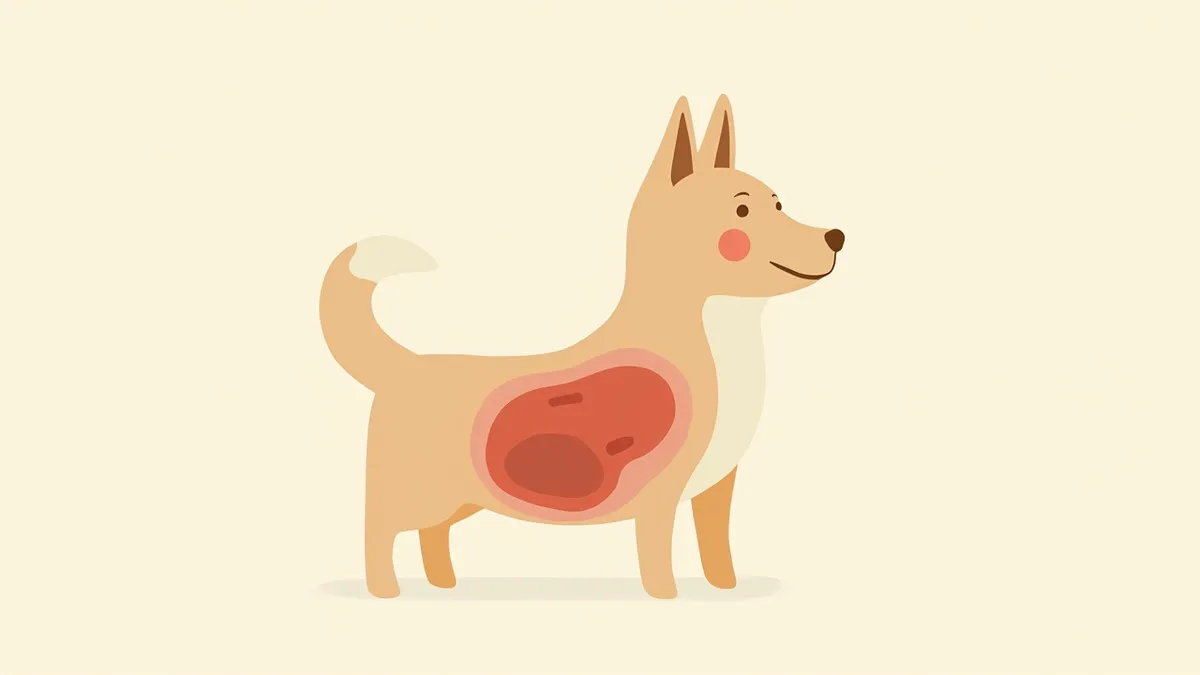
This guide explains the surgical procedure, recovery period, and home care methods for pet spleen removal (splenectomy), based on veterinary evidence. We’ve also summarized important precautions before and after surgery, as well as long-term care tips, all in one place.
What is Splenectomy?
When is Splenectomy Performed?
Comparison by Surgical Type
| Item | Partial Resection | Total Resection | Emergency Laparotomy |
|---|---|---|---|
| Target Condition | Localized benign lesions | Tumors, complete torsion | Traumatic rupture |
| Surgery Time | 1–2 hours | 1.5–2.5 hours | 2–3 hours |
| Hospitalization Period | 2–3 days | 3–5 days | 5–7 days |
| Immune Function Preservation | True | False | False |
| Reoperation Risk | Low | Almost none | Moderate |
Actual application is judged by the veterinarian based on imaging and blood test results.
Overview of the Surgical Procedure

Essential Pre-Surgery Checks
Fasting from food for 12 hours and water for 4 hours before surgery is standard. Be sure to inform your veterinarian about any medications your pet is taking, especially steroids or anticoagulants. If a tumor is suspected, a chest CT scan or abdominal ultrasound should be performed first to check for metastasis, which is essential for accurately predicting the prognosis. Senior dogs and those with heart disease must undergo an anesthesia risk assessment (ASA grading).
Home Care for the First Week After Discharge

Go to the Vet Immediately If You See These Symptoms
If you notice bright red blood oozing from the surgical site or a distended, bloated abdomen, there may be internal bleeding. Pale or grayish gums, sudden lethargy with rapid breathing, and repeated vomiting are also emergency warning signs. If your pet suddenly loses its appetite and develops a persistent fever between three and five days after surgery, suspect infection or complications. Since normal body temperature varies by individual, know your pet’s baseline temperature and contact your veterinarian immediately if anything seems off. Don’t hesitate—call the clinic right away.
Is It Okay Without a Spleen? Long-Term Management

Diet and Exercise Return Schedule
Keeping a Recovery Log
Reviewed by a veterinarian

Dr. Tony — Punnawat Phongkittirak
VeterinarianA veterinarian who majored in veterinary medicine at Khon Kaen University, Thailand, and completed the IVSA program at North Carolina State University in the United States. Drawing on clinical experience at animal hospitals, he works in the pet healthcare field and is dedicated to building a digital care environment that connects pet parents with veterinarians.
Reviewed 2026-04-26
Frequently Asked Questions
Does life expectancy decrease after a splenectomy?
How much does the surgery cost?
Do cats undergo the same surgical procedure?
When should the sutures be removed?
Will my pet’s vaccination schedule change after surgery?
Share
Related Guides

Primary vs. Secondary Veterinary Hospitals: A Comparison

5 Easy-to-Raise Cat Breeds for First-Time Owners — Grooming Difficulty Comparison

Top 7 Short-Legged Dog Breeds

What Is Feline Glaucoma? — From Symptoms to Preventing Blindness: A Must-Read for Pet Owners

What Is Fluorescein Staining for Cats? — A Complete Guide to the Procedure and Result Interpretation

Why Do Tear Stains Form on My Cat? — Causes and When to Visit the Vet Q&A

Feline Entropion (Eyelid Rolling) FAQ — Key Information Pet Owners Must Know

What is corneal perforation in cats? — How to recognize emergency warning signs

If Your Cat’s Eyes Look Cloudy — Causes of Corneal Edema and When to Visit the Vet

If Your Cat’s Pupil Looks Cloudy — Key Q&A on Cataract Causes and When to Treat
References
[1] Fossum TW, Small Animal Surgery, 5th Edition, Chapter 22: Surgery of the Hemolymphatic System, Elsevier, 2019
[2] Tobias KM, Johnston SA, Veterinary Surgery: Small Animal Expert Consult, 2nd Edition, Chapter 105: Spleen, Elsevier, 2018
[3] Ettinger SJ, Textbook of Veterinary Internal Medicine, 8th Edition, Chapter 201: Diseases of the Spleen, Elsevier, 2017