
How is cruciate ligament suture surgery performed?
We’ve compiled the essential information every pet owner should know about cruciate ligament repair surgery in dogs, including the underlying principles, suitable candidates, and the recovery process, all based on veterinary textbook standards.
What is cruciate ligament suture surgery?
Which dogs is it suitable for?
How is the surgery performed?
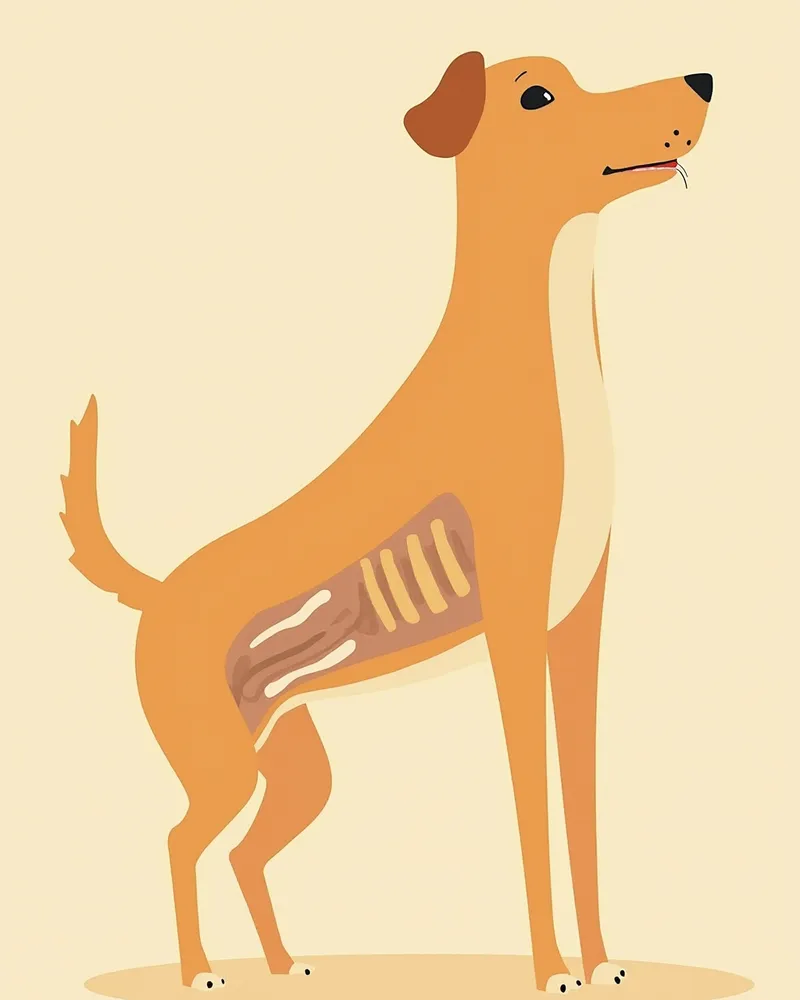
Suture vs. Osteotomy (TPLO) Comparison
| Item | Lateral suture | TPLO (tibial plateau leveling osteotomy) | TTA (tibial tuberosity advancement) |
|---|---|---|---|
| Applicable body weight | Mainly small breeds | All weights, especially large breeds | Medium to large breeds |
| Surgical difficulty | Relatively low | High (specialized equipment) | High |
| Recovery period | 8–12 weeks | 8–12 weeks | 8–12 weeks |
| Re-rupture/complication risk | High in large breeds | Relatively low | Relatively low |
| Characteristics | Fixation with suture outside the joint | Corrects the tibial angle itself | Moves and fixes the front of the tibia |
The veterinarian decides the final surgical method based on body weight, activity level, and degree of arthritis
Essential Pre-Surgery Checks
Before surgery, a comprehensive health check, blood tests, and an echocardiogram (for senior dogs) are essential. Since both knees are at risk of rupture, the opposite leg must also be evaluated. According to veterinary surgical textbooks, overweight dogs, in particular, place additional stress on the opposite knee, increasing the risk of further rupture; therefore, it is recommended to manage your dog’s weight and have your veterinarian assess the condition of the opposite leg. Additionally, if a meniscal injury is present, the surgical plan may need to be adjusted.
Post-Surgery Recovery Process
Key Home Care Points
Contact Your Veterinarian Immediately If You See These Signs
If your pet suddenly refuses to put any weight on the leg during recovery, or if you notice pus or bleeding from the surgical site, or if swelling persists for several days, please contact your veterinarian immediately without delay. These could be signs of complications such as suture dehiscence, infection, or additional meniscal damage. In particular, if limping suddenly worsens in the early stages of recovery, it may indicate that the sutures have come undone or that the meniscus has suffered secondary damage, so please have your veterinarian evaluate your pet right away.
Reviewed by a veterinarian

Dr. Tony — Punnawat Phongkittirak
VeterinarianA veterinarian who majored in veterinary medicine at Khon Kaen University, Thailand, and completed the IVSA program at North Carolina State University in the United States. Drawing on clinical experience at animal hospitals, he works in the pet healthcare field and is dedicated to building a digital care environment that connects pet parents with veterinarians.
Reviewed 2026-04-26
Frequently Asked Questions
How much does a cruciate ligament repair surgery cost?
Can we manage this with conservative treatment alone, without surgery?
If both are ruptured, are they repaired in a single surgery?
Will my pet be able to run and play like before after surgery?
Which breeds are more susceptible to cruciate ligament rupture?
Share
Related Guides
Top 5 Patellar Support Braces for Dogs — Stage-by-Stage Size Guide
Curcumin Efficacy and Anti-inflammatory/Joint Support

Top 5 Recommended Joint Supplements for Dogs in 2026
Tips for Changing Wound Dressings and Bandages for Dogs and Cats

Tuxedo Cat Characteristics and Personality
Symptoms and Management of Tracheal Collapse in Dogs

Emergency Response for Canine Gastric Dilatation-Volvulus (GDV)

Feline Ringworm (Fungal Dermatitis): Symptoms and Treatment

Cat Allergy Types and Management

How to Get and Test Puppy Food Samples
References
[1] Textbook of Veterinary Orthopaedic Surgery, Cranial Cruciate Ligament Chapter
[2] 100 Top Consultations in Small Animal General Practice, Ch.49 Cranial Cruciate Ligament Insufficiency, Martin Owen
[3] The Dog Care Handbook, Things I Wish My Vet Had Told Me