Like
Share
멍실장
로베나콕시브(온시어) 고양이 NSAIDs 완벽 가이드

Robenacoxib (Onsior): The Complete Guide to Feline NSAIDs

JointQ&AMeongsiljang Veterinary Advisory Board

Robenacoxib is a selective COX-2 inhibitor NSAID approved for use in cats. It is used for managing arthritis and post-surgical pain, and it is essential to check kidney and liver function before use.

What is Robenacoxib (Onsior)?

A cat undergoing a joint examination by a veterinarian
Robenacoxib is a selective COX-2 inhibitor belonging to the nonsteroidal anti-inflammatory drug (NSAID) class, used in both cats and dogs. Because COX-2 is an enzyme involved in inflammation, selectively inhibiting it helps reduce pain and inflammation associated with arthritis and surgery. Robenacoxib is primarily excreted in the feces via the biliary route, and studies evaluating long-term use have not reported evidence of kidney or liver toxicity. However, as with all NSAIDs, the possibility of side effects remains. It is widely known under the brand name Onsior, and for cats, it is available in two forms: oral tablets and injectable solution.

When is it used?

Robenacoxib is primarily prescribed for cats in three main situations. First, it is used to reduce musculoskeletal pain and inflammation, most commonly in cases of chronic osteoarthritis. Second, it is employed for pain management before and after surgery, such as neutering or dental procedures, administered either as an injection or an oral medication. Third, it helps control acute musculoskeletal pain and inflammation during the postoperative recovery period. As a cat-specific NSAID with safety and efficacy validated through high-quality clinical studies, it may also be selected by veterinarians for long-term joint management.

How does it differ from other NSAIDs?

When comparing the main NSAIDs used in cats, the differences are quite clear. Robenacoxib has proven effective for treating feline osteoarthritis, and its safety and efficacy for long-term use have been evaluated through several high-quality clinical studies.

Comparison of Major Feline NSAID Ingredients

ItemRobenacoxibMeloxicamAspirin
COX-2 selectivityVery highModerateNone (non-selective)
Long-term use in catsApproved (varies by country)Approved in some countriesNot recommended
FormulationTablet, injectionOral liquid, injectionTablet
Main useArthritis, surgical painArthritis, surgical painLimited use

Approved indications vary by country and manufacturer, so always follow your veterinarian's prescription.

How is administration carried out?

Robenacoxib is a prescription medication, so pet owners should never determine the dosage on their own. Your veterinarian will decide the appropriate dose and administration schedule based on your pet’s weight. In cats, it is typically administered as a dedicated 6 mg tablet or an injection, usually given orally once daily. It is best to give the medication at roughly the same time each day. Since food can inhibit absorption, robenacoxib should ideally be given on an empty stomach. Always follow the instructions provided by the manufacturer and your veterinarian exactly. If the medication is used for longer than the prescribed period, regular blood tests are necessary.
A pet owner giving medicine to their cat at home

Cats to use with caution or avoid

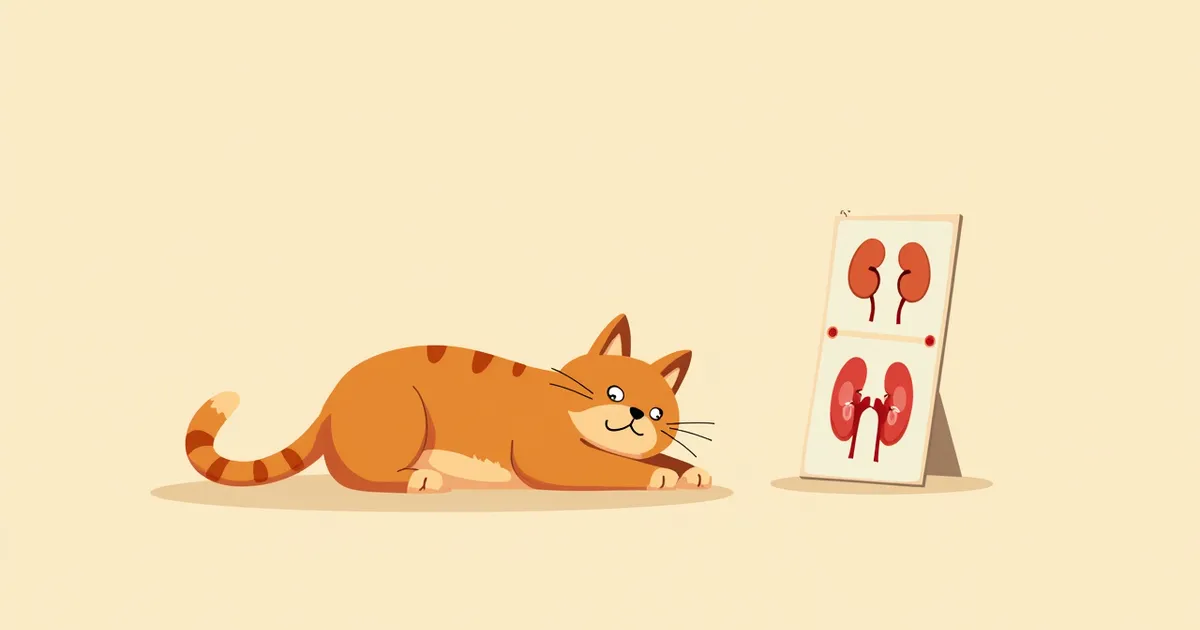
Please consult your veterinarian before administering Robenacoxib if any of the following apply: - Kidney disease: Cats with chronic kidney disease or those who are dehydrated - Liver dysfunction: Cats with elevated liver enzymes or a history of liver disease - Gastrointestinal ulcers: Cats experiencing gastrointestinal bleeding, or recurrent vomiting and diarrhea - Kittens: Cats under 4 months of age or weighing less than 2.5 kg are outside the approved usage range - Pregnant or nursing cats: Safety data is limited - Concurrent use of other NSAIDs or steroids: The risk of gastrointestinal and renal side effects increases significantly

How to check for side effect signals

Robenacoxib is relatively safe, but all NSAIDs can affect the gastrointestinal tract, kidneys, and liver. Please monitor your pet at home for the following signs: - Changes in appetite: Eating less than usual or refusing food entirely - Vomiting or diarrhea: Especially black stools or blood-tinged stools, which may indicate gastrointestinal bleeding - Lethargy: Sleeping more than usual or showing reduced responsiveness - Changes in water intake or urination: Drinking excessively or producing less urine - Gum color: Pale or yellowish gums may signal liver issues or anemia
A pet owner checking on a cat that’s feeling under the weather

Signs requiring immediate veterinary care

If you notice any of the following symptoms, stop administering the medication and seek veterinary care immediately: - Vomiting or diarrhea lasting more than 24 hours - Black or bloody stools, or vomit containing blood - Complete loss of appetite and sudden lethargy - A sharp decrease in urine output or complete absence of urination - Jaundice (yellowing of the gums or the inside of the ears) - Seizures, convulsions, or collapse Cats have a strong tendency to hide pain and discomfort, so their condition can deteriorate rapidly if signs are missed. It is safest to contact your veterinarian promptly if you notice any deviation from your cat’s normal behavior.

Key points to remember for home management

- Strictly follow the prescribed dosage: Do not increase or decrease the dose based on your own judgment. - Do not mix with other medications: Combining this medication with steroids, other NSAIDs, or certain diuretics can be dangerous. - Ensure adequate hydration: Dehydration significantly increases the burden on the kidneys. Place multiple water bowls or fountains around your home. - Regular blood tests: We recommend checking progress within 5–7 days after starting treatment, followed by blood tests to monitor kidney and liver values at 2–4 weeks. Continue regular monitoring during all subsequent check-ups for safety. - Never use human medications: Ibuprofen and acetaminophen are fatal to cats. If you have questions about overall joint health, please also check out our Cat Arthritis Guide.
A healthy senior cat drinking water from a water dispenser

Reviewed by a veterinarian

Dr. Tony — Punnawat Phongkittirak

Dr. Tony — Punnawat Phongkittirak

Veterinarian

A veterinarian who majored in veterinary medicine at Khon Kaen University, Thailand, and completed the IVSA program at North Carolina State University in the United States. Drawing on clinical experience at animal hospitals, he works in the pet healthcare field and is dedicated to building a digital care environment that connects pet parents with veterinarians.

Frequently Asked Questions

How long can Robenacoxib be administered?
The approved duration of use varies by country and formulation. Acute pain is typically treated with short-term medication, while chronic arthritis may be managed with long-term use at the veterinarian’s discretion. Regular blood and urine tests are essential for safety when administering the medication over an extended period.
Can I share dog-specific Onsier with my cat?
Absolutely not. Cat and dog medications differ in dosage and formulation. Splitting or substituting them arbitrarily can lead to overdose or kidney damage. Always follow the prescription specifically intended for cats.
What should I do if I miss a dose?
Administer the missed dose as soon as you remember, but if it’s close to the next scheduled dose, skip the missed one and resume the regular dosing schedule. Never give a double dose to make up for a missed one.
Can I force-feed a cat that refuses to eat?
Loss of appetite itself can be a sign of NSAID side effects. You should stop the medication and consult your veterinarian. Using NSAIDs when your pet is dehydrated or has kidney strain significantly increases the risk of side effects.
Can this be used together with other pain relievers, such as gabapentin or buprenorphine?
Combining this medication with pain relievers that work through different mechanisms is possible under a veterinarian’s guidance. However, it should be avoided when used alongside steroids or other NSAIDs, as this combination significantly increases the risk of gastrointestinal and kidney complications.

Share

Related Guides

References

[1] Plumb's Veterinary Drug Handbook, 9th Edition — Robenacoxib

[2] Giraudel JM et al., Pharmacokinetics and tolerability of robenacoxib in cats, J Vet Pharmacol Ther, 2009

[3] King JN et al., Clinical safety of robenacoxib in feline osteoarthritis, J Feline Med Surg, 2016

[4] Handbook of Veterinary Pharmacology — NSAIDs chapter

This information is based on veterinary literature and does not replace diagnosis or treatment. Please consult a veterinarian for specific health concerns.

Metapet Co., Ltd. | CEO: Park Sung-yong | Business Reg. No. 417-88-02562 | Seoul, South Korea | Customer Center

Robenacoxib (Onsior): Feline NSAID Uses & Precautions | Meongsiljang