Like
Share
멍실장
고양이 폐 타진·흉수 천자 자주 묻는 질문 Q&A — 보호자가 꼭 알아야 할 핵심

Frequently Asked Questions About Feline Lung Percussion and Thoracentesis — Key Information for Pet Owners

RespiratoryQ&AMeongsiljang Veterinary Advisory Board

Feline lung percussion and thoracentesis are crucial procedures for removing pleural effusion that causes respiratory distress. Here’s a summary of the key information pet owners need to know.

What Are Feline Lung Percussion and Thoracentesis?

A veterinarian auscultating a cat's lungs.
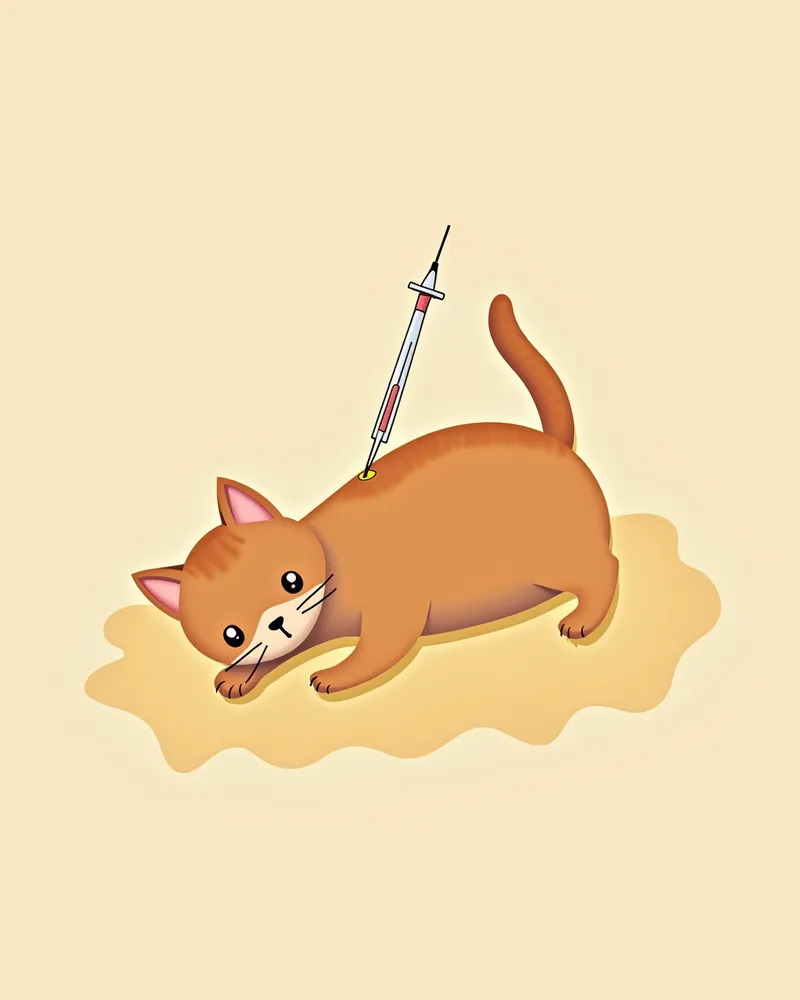
Feline lung auscultation (including percussion) and thoracentesis are essential procedures for diagnosing and removing fluid within the thoracic cavity that causes respiratory distress. - Lung auscultation: This involves listening to sounds emanating from the cat’s chest. The presence of pleural effusion typically reduces lung sounds in the lower (ventral) regions, helping to indicate whether fluid is present. - Thoracentesis: This diagnostic and therapeutic procedure involves draining fluid from the thoracic cavity using a needle or catheter, providing immediate relief of breathing difficulties. By removing the fluid compressing the lungs, it aids in restoring lung function. Additionally, analyzing the characteristics of the drained fluid provides crucial information for identifying the underlying cause. The procedure can be performed more safely when a veterinarian uses ultrasound to confirm the precise location. Many cats show immediate improvement in breathing after the procedure, although the rate of improvement may vary depending on the patient’s condition.

Why Are Lung Percussion and Thoracentesis Necessary for Cats?

If your cat shows signs of respiratory distress—such as panting, breathing with an open mouth, or resting its chin on the floor to breathe—thoracentesis may be urgently needed. Pleural effusion refers to the abnormal accumulation of fluid in the chest cavity, which can compress the lungs, impair their function, and become life-threatening. Auscultation can help identify areas with diminished lung sounds, providing clues to this condition, while thoracentesis is performed to achieve immediate improvement in breathing. When pleural effusion is suspected as the cause of acute respiratory distress, rapid fluid removal can help stabilize your cat’s breathing. Common causes of pleural effusion in cats include heart disease and tumors. When performed under veterinary guidance, this procedure allows for simultaneous diagnosis and treatment, serving as more than just symptomatic relief—it’s the first step toward identifying the underlying cause.
A cat showing signs of respiratory distress receiving care from a veterinarian

How Is Thoracentesis Performed?

Cats are typically given a mild sedative, and the site for thoracentesis is aseptically disinfected. Many cats tolerate the procedure well with only light sedation and minimal restraint. - Ultrasound guidance: The veterinarian uses real-time ultrasound imaging to pinpoint the exact location. - Safety monitoring: Oxygen is administered while continuously monitoring respiratory status and oxygen saturation to minimize risks. - Fluid removal: Fluid is slowly drained from the thoracic cavity using a needle or catheter. Depending on the volume and characteristics of the fluid, the procedure may need to be repeated. - Site selection: The puncture is usually made between the 6th and 10th ribs, carefully avoiding nerves and blood vessels by entering just in front of the rib. - Recovery observation: The cat is monitored until stable, with the observation period varying based on the individual’s recovery progress.
Using ultrasound to guide thoracentesis in a cat

How Should Cats Be Managed After Thoracentesis?

After thoracentesis, cats require close monitoring. - Respiratory status: Carefully watch for signs of labored breathing or open-mouth breathing. The veterinarian will regularly auscultate the chest and check the respiratory rate and effort. - Heart rate and body temperature: If these are normal, you may proceed to the next steps as directed by your veterinarian, but all medications must be administered strictly according to their instructions. At home, restrict your cat’s activity and allow them to rest in a quiet, low-stress environment. Avoid vigorous outings or play immediately after the procedure, and maintain a calm atmosphere. Always ensure fresh, clean water is available, adhere strictly to the prescribed medication schedule, and contact your veterinarian immediately if any abnormal symptoms appear.
A cat recovering at home after thoracentesis

Signs Requiring Immediate Veterinary Visit

If your pet experiences worsening difficulty breathing, increased coughing, or a rise in body temperature after thoracentesis, contact your veterinarian immediately. These symptoms may indicate infection or lung damage, so close monitoring by the caregiver is essential.

How Safe Is Thoracentesis?
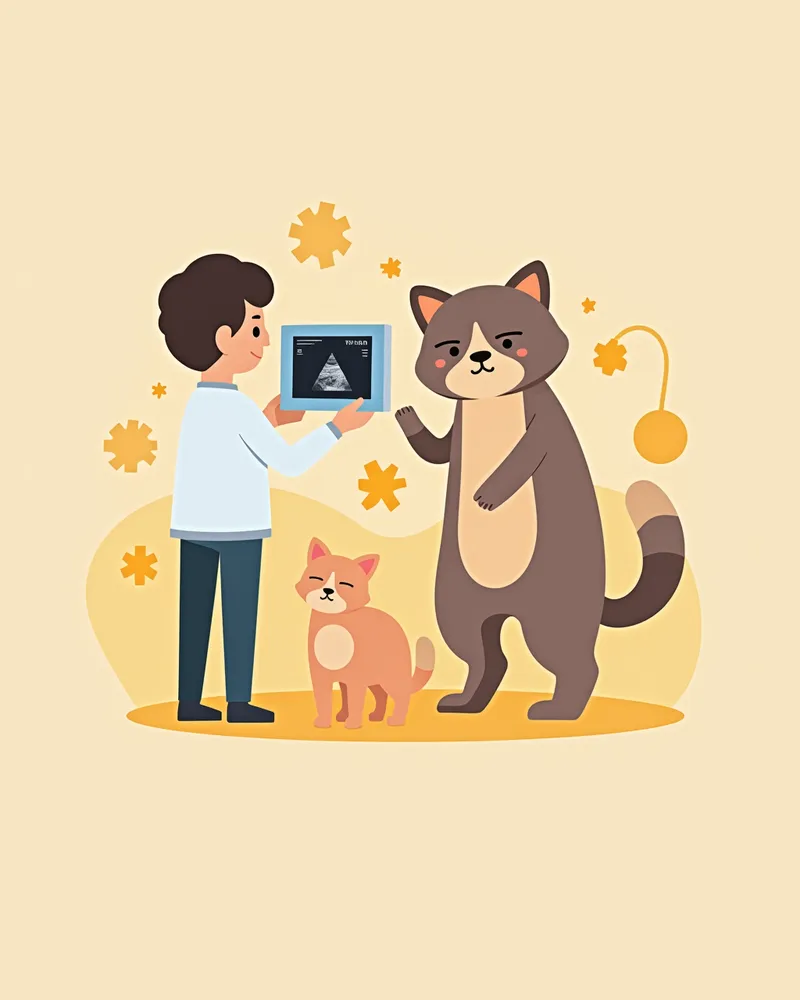
Thoracentesis is a relatively safe procedure when performed by an experienced veterinarian under ultrasound guidance. - Precise positioning: Ultrasound is used to avoid the lungs and surrounding structures while draining the fluid. - Infection prevention: The puncture site is disinfected, and the procedure is carried out under strict aseptic conditions. - Risk of complications: Pneumothorax or intrathoracic hemorrhage may occur due to lung laceration. The risk of pneumothorax increases with repeated thoracentesis or chronic pleural disease, but an experienced veterinarian can minimize these risks. Most cats show immediate improvement in breathing and stable recovery after the procedure. However, caution is needed if severe coagulopathy or thrombocytopenia is present, as these increase the risk of bleeding. Therefore, thorough pre-procedure examinations and evaluations are essential for safety.
A veterinarian analyzes an ultrasound image while preparing for thoracentesis.

Pre- and Post-Thoracentesis Comparison: Summary of Precautions

ItemBefore AspirationAfter Aspiration
Respiratory StatusSevere breathing difficultyImmediately improved (the rate of improvement varies by individual)
ActivityDifficulty movingResting but calm
Need for ObservationObserve carefullyThe observation period varies depending on the post-procedure situation
MedicationNoneTake as directed by the veterinarian

If abnormal symptoms appear after pleural fluid aspiration, an immediate hospital visit is needed.

Reviewed by a veterinarian

Dr. Tony — Punnawat Phongkittirak

Dr. Tony — Punnawat Phongkittirak

Veterinarian

A veterinarian who majored in veterinary medicine at Khon Kaen University, Thailand, and completed the IVSA program at North Carolina State University in the United States. Drawing on clinical experience at animal hospitals, he works in the pet healthcare field and is dedicated to building a digital care environment that connects pet parents with veterinarians.

Frequently Asked Questions

Does thoracentesis cause pain?
During the procedure, mild sedation is typically administered, so significant pain is unlikely. Some discomfort may occur after the puncture, but pain medication can be prescribed as needed.
Is one tap enough?
If the underlying cause isn’t addressed, pleural effusion can recur. A veterinarian needs to identify the cause and initiate appropriate treatment.
Can thoracentesis be performed repeatedly?
If the underlying cause isn’t addressed, the issue can recur. However, frequent recurrences can strain the lungs and potentially lead to complications like pneumothorax, so it’s essential to consult your veterinarian for proper guidance.
What home care steps should I follow after my pet has had thoracentesis?
It’s important to limit your pet’s activity, maintain a calm environment, administer medications as directed by your veterinarian, and closely monitor their breathing.
What should I watch for in my cat’s diet after thoracentesis?
Adjust your cat’s food portions as directed by your veterinarian, and be aware that dietary modifications may be necessary depending on their condition. Always provide fresh, clean water so your cat can drink freely as they normally would.

Share

Related Guides

References

[1] The Cat, Clinical Medicine and Management, 2nd Edition, 1994

[2] Canine and Feline Respiratory Medicine, 3rd Edition, 2018

[3] Veterinary Surgical Oncology, 2nd Ed, 2003

This information is based on veterinary literature and does not replace diagnosis or treatment. Please consult a veterinarian for specific health concerns.

Metapet Co., Ltd. | CEO: Park Sung-yong | Business Reg. No. 417-88-02562 | Seoul, South Korea | Customer Center

Cat Lung Percussion & Thoracentesis: Your Complete Guide | Meongsiljang