
Frequently Asked Questions About Hypertensive Heart Disease in Dogs — Key Information Every Pet Owner Should Know
Early detection is crucial for improving survival rates in dogs with hypertensive heart disease. We’ve compiled the essential information every pet owner should know in a Q&A format.
What Is Hypertensive Heart Disease in Dogs?
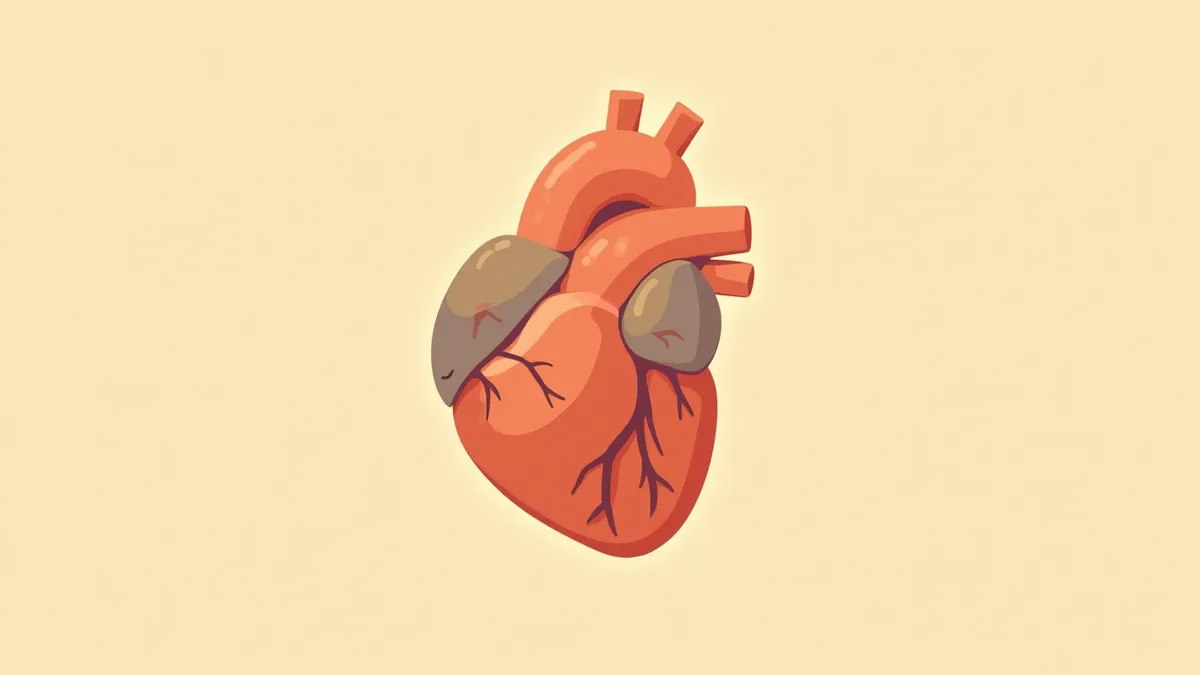
What Are the Main Causes of This Condition?
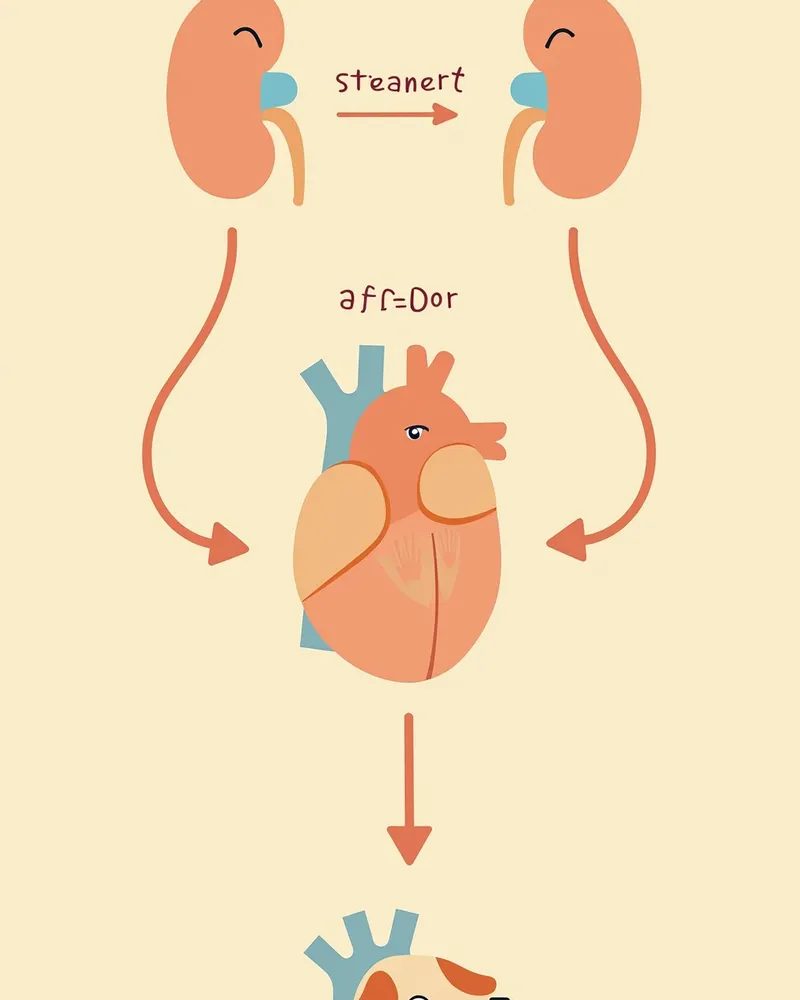
What Symptoms Appear?

Signs Requiring Immediate Veterinary Visit
Severe coughing, difficulty breathing that causes your pet to sit or lie down, and bluish discoloration of the mouth or tongue are emergency signs of heart failure. In such cases, seek veterinary care immediately, as delays can be life-threatening.
Symptoms and Responses by Stage of Hypertensive Heart Disease
| Item | Main Symptoms | Main Response |
|---|---|---|
| Mild | Tires easily after exercise | Slight coughing, difficulty breathing |
| Moderate | Persistent coughing, shortness of breath | Cardiac weakening, weight loss |
| Severe | Abdominal swelling, bluish mouth | Heart failure, possible shock |
Stage-specific responses are determined after veterinary diagnosis. Early management is important.
What Tests Are Needed for an Accurate Diagnosis?
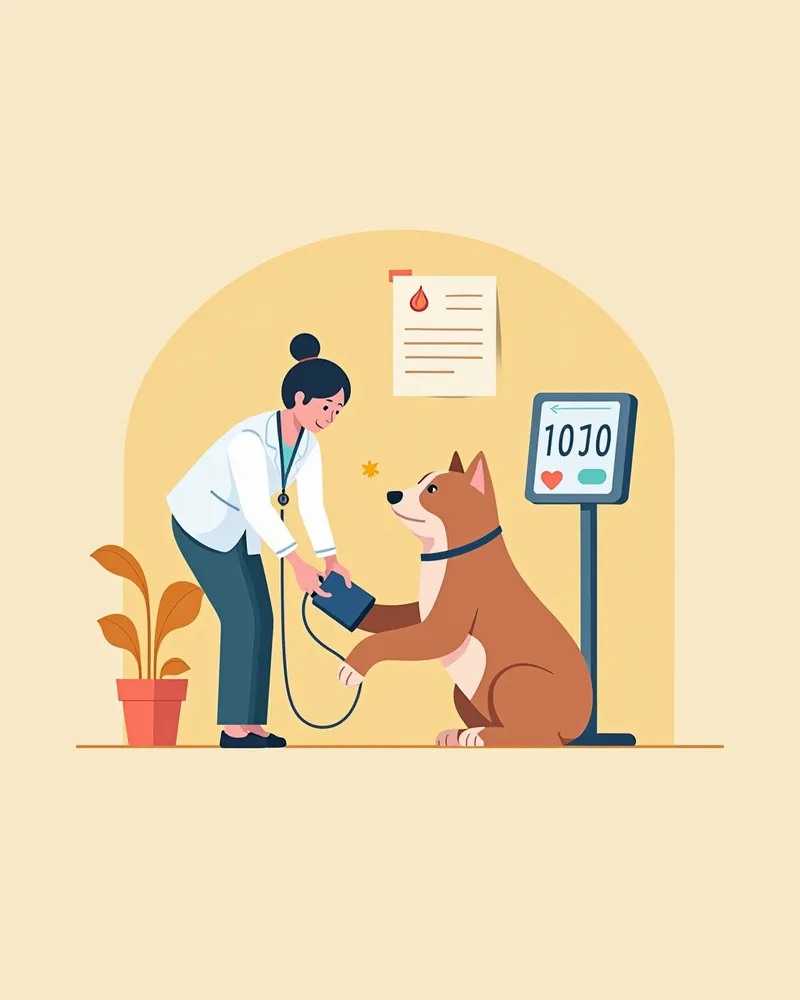
What Are the Treatment Methods?

What Should Be Noted in Daily Management?

Breeds and Conditions to Watch For
Hypertensive heart disease is most often secondary to other underlying conditions. Dogs with a history of chronic kidney disease or endocrine disorders such as adrenal or thyroid disease, as well as senior dogs, require particular vigilance. Because primary hypertension is rare, early screening for underlying diseases is essential.
Reviewed by a veterinarian

Dr. Tony — Punnawat Phongkittirak
VeterinarianA veterinarian who majored in veterinary medicine at Khon Kaen University, Thailand, and completed the IVSA program at North Carolina State University in the United States. Drawing on clinical experience at animal hospitals, he works in the pet healthcare field and is dedicated to building a digital care environment that connects pet parents with veterinarians.
Reviewed 2026-06-03
Frequently Asked Questions
Can high blood pressure-related heart disease in dogs be cured?
How is blood pressure measured?
Can reducing salt intake help?
How should I exercise my pet?
Can I stop giving the medication?
Share
Related Guides

Coenzyme Q10 Benefits and Administration Guide

Dog Pulmonary Edema Warning — 7 Best Diuretics (Furosemide) for Heart Management

7 Best Prescription Diets for Feline Heart Disease Recommended by Veterinarians — Criteria for Choosing Low-Sodium Food

Canine Amyloid Nephropathy FAQ — Key Information Every Pet Owner Should Know

Frequently Asked Questions About Feline Urinary Stone Prevention Diets — Key Essentials for Pet Owners

Frequently Asked Questions About Feline Urine Specific Gravity Testing — Key Information Every Pet Owner Should Know

Cat Urine pH Management FAQ — Key Information Every Pet Owner Should Know

Feline Urethral Stricture FAQ — Key Information Pet Owners Must Know

Feline Stress-Induced Cystitis Management FAQ — Key Points Pet Owners Must Know

Frequently Asked Questions (FAQ) on Chronic Recurrent Urinary Tract Infections in Cats — Key Information Every Pet Owner Must Know
References
[1] Freid KJ, Freeman LM, Rush JE et al. Retrospective study of dilated cardiomyopathy in dogs. J Vet Intern Med. 2020 Dec 21;35(1):58–67.
[2] Anderson LJ, Fisher EW. The blood pressure in canine interstitial nephritis. Res Vet Sci. 1968;9:304–313.
[3] Brown SA, Henik RA. Diagnosis and treatment of systemic hypertension. Vet Clin North Am Small Anim Pract. 1998;28(6):1481–1494.