Like
Share
멍실장
강아지 심전도(ECG) 검사 자주 묻는 질문 Q&A — 보호자가 꼭 알아야 할 핵심

A Complete Guide to Dog ECG Tests: When to Get One and What It Reveals

HeartQ&AMeongsiljang Veterinary Advisory Board

An electrocardiogram (ECG) is a key test for early detection of abnormal heart rhythms in dogs. We’ve compiled the essential information every pet owner should know in a Q&A format.

What Does a Dog ECG Test Check?
An electrocardiogram (ECG) for dogs records the electrical signals generated by the heart to assess the cardiac rhythm and identify any abnormalities in the conduction system. - Heart rate and rhythm regularity: This evaluates whether the heart is beating too fast or too slow, and checks for irregular rhythms. - Electrical signal conduction: This assesses whether electrical signals are being transmitted properly throughout the heart and identifies any conduction abnormalities. - Cardiac enlargement or conduction blocks: This can detect changes such as atrial or ventricular enlargement, as well as conduction blocks like third-degree atrioventricular block, where signal transmission is obstructed. - Evaluation of arrhythmias and ischemic signs: This helps identify arrhythmias such as premature ventricular contractions or ventricular tachycardia, and assesses for signs suggestive of myocardial ischemia, such as ST-segment changes. The veterinarian will interpret the results and explain them to you.
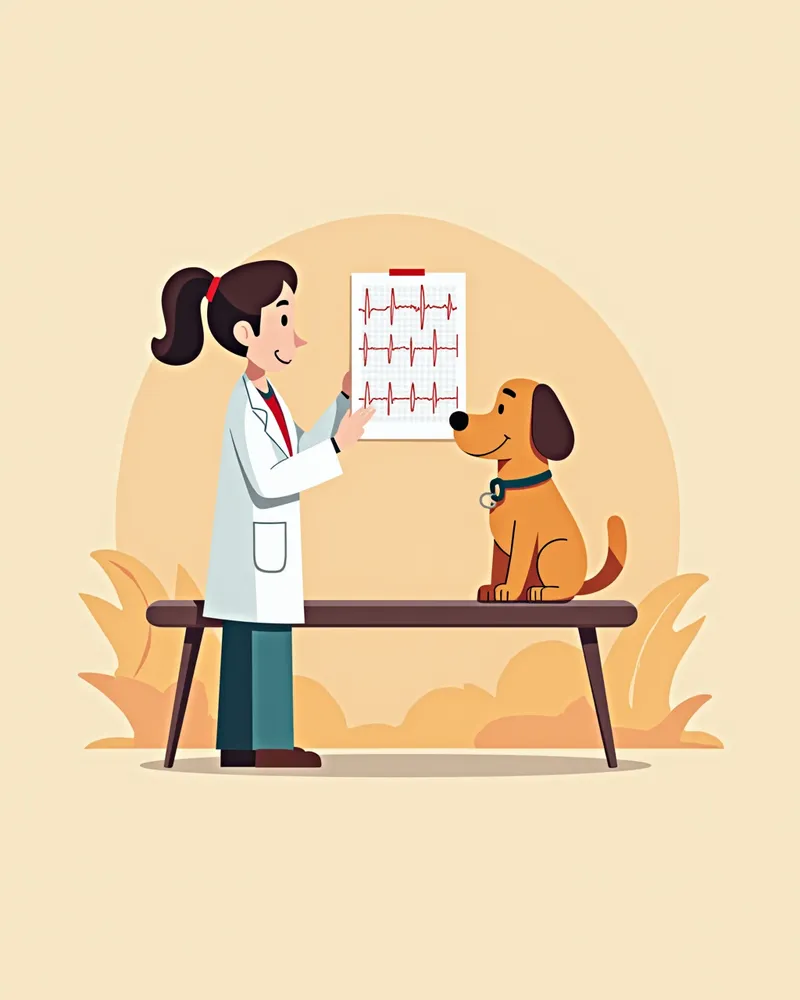
A veterinarian reviewing a puppy’s electrocardiogram (ECG) results.

When Is an ECG Test Necessary?

If your dog suddenly collapses or shows signs of dizziness, an electrocardiogram (ECG) is necessary. - Suspected cardiac rhythm abnormalities: An ECG is essential if the heart rate is too fast, too slow, or irregular. - Breeds at risk for hereditary heart disease: Screening is recommended for senior dogs and breeds predisposed to cardiomyopathy or arrhythmias, such as Boxers and Doberman Pinschers. - Difficulty breathing or lethargy: An ECG is needed when symptoms arise from decreased cardiac function. - Abnormal heart sounds detected: If a veterinarian hears abnormal heart sounds, an ECG is performed as a follow-up diagnostic test to characterize the arrhythmia. - Included in routine health checkups: Regular ECGs for senior dogs and at-risk breeds help detect heart problems early.
An elderly dog undergoing a cardiac examination

What Is the ECG Test Procedure Like?

An electrocardiogram (ECG) is a relatively simple procedure that causes little to no discomfort. Dogs are typically positioned on their right side (right lateral recumbency) for the exam, with electrodes attached to all four limbs and the chest. If a dog is having difficulty breathing or is unable to cooperate, the recording can also be taken while the dog is standing or lying on its stomach. - Electrode placement: Electrodes can usually be attached without shaving the fur, leaving minimal marks on the skin. - Exam duration: The procedure is relatively brief, but the dog must lie quietly to ensure an accurate recording. - Real-time recording: The electrical signals generated by the heart are measured in real time for analysis by the veterinarian. However, breathing, trembling, or movement can interfere with obtaining an accurate record. - Post-exam condition: In most cases, it is safe to return home immediately after the exam. - Result interpretation: The veterinarian will analyze the results and explain them to you.
A puppy undergoing an electrocardiogram (ECG) with electrodes attached to its body.

ECG vs. Echocardiogram: A Comparison

ItemElectrocardiogram (ECG)Echocardiography (Echo)
Main PurposeCheck cardiac rhythm and electrical activityEvaluate cardiac structure and function
Exam Time1–3 minutes15–30 minutes
PainNoneNone
Required EquipmentECG deviceUltrasound equipment
Mainly Recommended WhenWhen a cardiac rhythm abnormality is suspectedWhen there are problems with heart size or contractility

An ECG is advantageous for quickly identifying rhythm problems, while an echo is suitable for evaluating structural problems.

How Are ECG Results Interpreted?
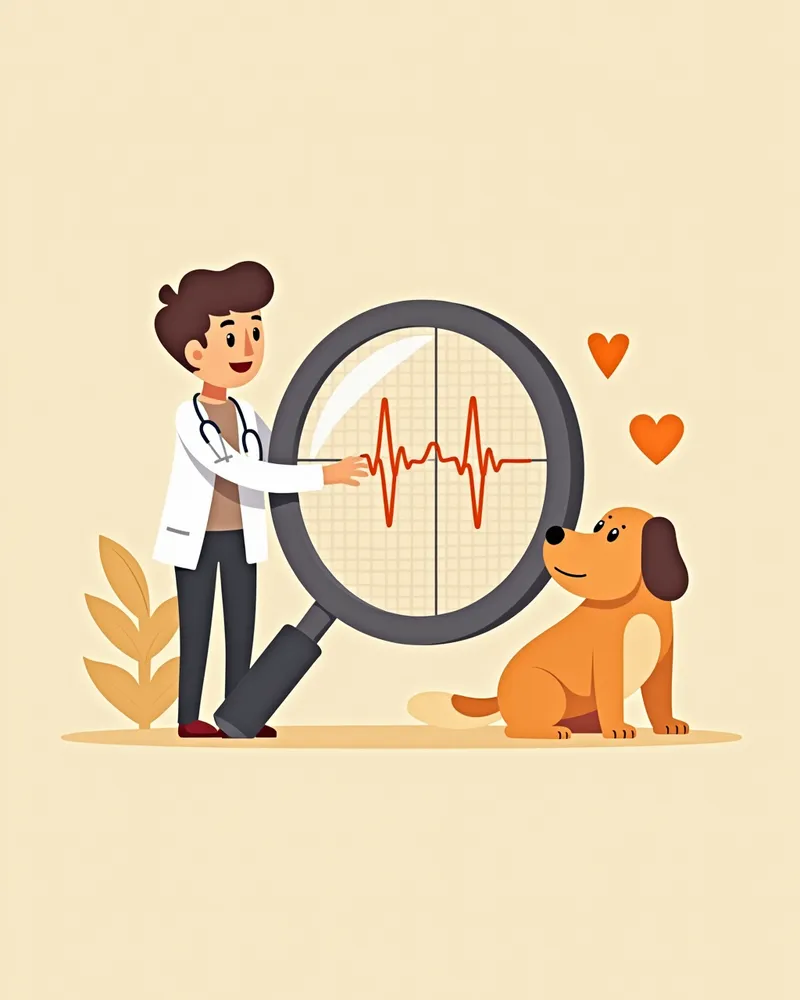
An electrocardiogram (ECG) analyzes the heart’s rhythm, cycle, and the direction of electrical signal flow. A normal rhythm is regular, with consistent patterns in each signal. If the rhythm is irregular, too fast, or too slow, it may indicate an abnormality in the heartbeat. The veterinarian will evaluate the results comprehensively to determine whether further testing or treatment is needed. Since some abnormalities may be temporary, repeat testing might be necessary.
A veterinarian analyzing an electrocardiogram (ECG) result.

Precautions Before an ECG Test

If your dog is overly excited or has exercised heavily before the test, it may affect the results. Please keep your dog calm and resting for at least one hour prior to the examination. Additionally, movement during the test can make it difficult to obtain accurate readings, so it’s important to follow the veterinarian’s instructions to keep your dog still.

What to Watch Out for After an ECG Test?

There are no special precautions to take after an electrocardiogram (ECG). - Electrode removal: The electrodes are easily removed and do not leave any marks or irritation on the skin. - Resuming activity: It is perfectly fine to resume normal activities immediately after the test. - Reviewing results: Your veterinarian will explain the test results and guide you through any additional tests or treatment plans if needed. - Follow-up testing: If an abnormal heart rhythm is suspected, regular follow-up examinations will be necessary. - Owner’s role: Be sure to follow your veterinarian’s instructions and carefully monitor any changes in your pet’s symptoms.
A healthy puppy playing after a check-up

Frequently Asked Questions About ECG Tests

A dog’s electrocardiogram (ECG) test is painless. - The procedure itself is not painful: Simply attaching electrodes does not cause any discomfort to your dog. - No side effects after the test: There are no particular side effects, and your dog can go straight home afterward. - Time to interpret results: The veterinarian will analyze the test results and explain them to you. - Additional tests if needed: If a heart problem is suspected, further tests such as an echocardiogram or 24-hour monitoring may be required. - Preventive significance: In senior dogs or breeds at higher risk, early detection of heart issues helps ensure timely treatment.
A calm dog after an electrocardiogram (ECG) test

Reviewed by a veterinarian

Dr. Tony — Punnawat Phongkittirak

Dr. Tony — Punnawat Phongkittirak

Veterinarian

A veterinarian who majored in veterinary medicine at Khon Kaen University, Thailand, and completed the IVSA program at North Carolina State University in the United States. Drawing on clinical experience at animal hospitals, he works in the pet healthcare field and is dedicated to building a digital care environment that connects pet parents with veterinarians.

Frequently Asked Questions

When is the best time to have an ECG test?
If an irregular heartbeat is suspected, or if your dog is senior or belongs to a breed predisposed to heart disease, regular check-ups are recommended.
Does the test take a long time?
The test itself takes about 1 to 3 minutes, and including preparation and result interpretation, the entire process takes approximately 10 to 15 minutes.
Should my pet eat anything before an ECG test?
There’s no need to fast before the test. However, it’s important to avoid excessive excitement or exercise beforehand.
What should I do if the test results come back abnormal?
The veterinarian will guide you through additional tests and a treatment plan. Your pet may need heart medication or lifestyle adjustments.
Is it safe to have an ECG test done repeatedly?
Repeated testing to monitor heart condition is safe and commonly performed, with no side effects.

Share

Related Guides

References

[1] Tilley, L.P. and Burtnick, N.L. (2009). How to. In: ECG for the Small Animal Practitioner (ed. C.C. Cann), 1–8.

[2] Kittleson, M.D. and Kienle, R.D. (1998). Small Animal Cardiovascular Medicine. St. Louis, MO: Mosby.

[3] Fox, P.R. and Harpster, N.K. (1999). Diagnosis and management of feline arrhythmias. In: Textbook of Cardiovascular Medicine in Dogs and Cats.

This information is based on veterinary literature and does not replace diagnosis or treatment. Please consult a veterinarian for specific health concerns.

Metapet Co., Ltd. | CEO: Park Sung-yong | Business Reg. No. 417-88-02562 | Seoul, South Korea | Customer Center

Complete Guide to Dog ECG Tests: When to Get One and What It Reveals | Meongsiljang