
Like
Share
멍실장
강아지 심장 질환 운동 제한 자주 묻는 질문 Q&A — 보호자가 꼭 알아야 할 핵심

How Much Exercise Is Safe for Dogs with Heart Disease? — Safety Guidelines and Warning Signs

HeartQ&AMeongsiljang Veterinary Advisory Board

If you suspect or have been diagnosed with heart disease in your dog, restricting exercise is a crucial measure to protect their life. Here are the key questions and answers that pet owners should know.

Exercise Restriction for Dogs with Heart Disease Is a Crucial Measure to Protect Their Life
Stable condition in dogs with heart disease
For dogs whose heart disease has progressed to the point of heart failure, limiting exercise is a crucial management strategy to reduce cardiac strain and prevent symptom exacerbation. - Declining cardiac function: When the heart cannot pump blood adequately, it may fail to meet the body’s increased demands during activity, leading to easy fatigue, rapid breathing, or syncope (fainting). - Risks of exercise-induced stress: Excessive activity can sharply increase cardiac workload. In cases with severe pulmonary hypertension, this may raise the risk of syncope or sudden death during exercise, making adherence to veterinary guidelines essential. - Individualized guidelines: The appropriate level of restriction varies based on factors such as weight, age, and cardiac status, so professional assessment is necessary rather than applying a one-size-fits-all approach. - Regular monitoring: Consistent veterinary check-ups and behavioral observations, such as counting resting respiratory rate, are vital for promptly detecting changes in symptoms. - Maintaining quality of life: The goal is not to impose an absolute ban on activity, but to strike a balance by providing safe, mentally stimulating interactions within appropriate limits.

Reasons and Mechanisms for Exercise Restriction
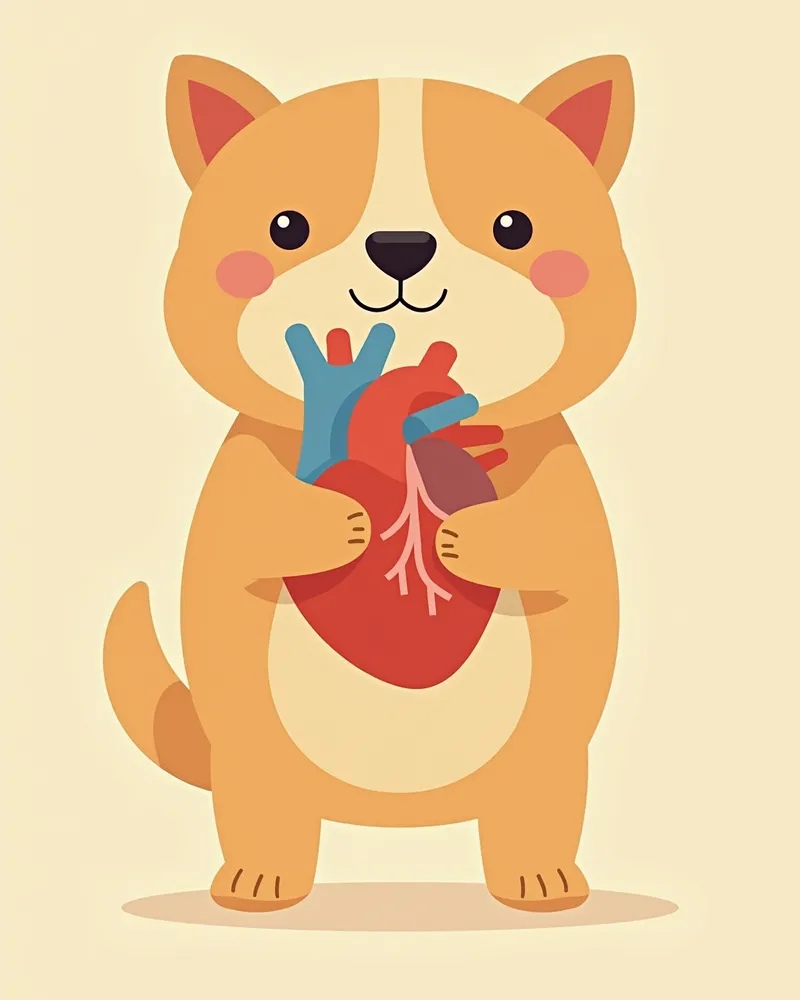
Dogs with advanced heart disease struggle to meet their body’s increased demands during exercise because their hearts can no longer pump blood effectively. - Increased cardiac strain: Exercise requires the heart to beat faster, which places additional stress on an already weakened heart and can lead to easy fatigue or rapid breathing. - Risk of fainting or sudden death: Physical activity can trigger insufficient cardiac output or arrhythmias, potentially leading to fainting or sudden death during exercise. In cases of pulmonary hypertension, even mild activity may cause weakness or collapse. - Stricter restrictions for severe cases: The more severe the condition, such as in advanced pulmonary hypertension, the more strongly complete avoidance of exercise is recommended. Your veterinarian will determine the appropriate level of restriction based on your dog’s specific condition. - Proactive management: Even without obvious symptoms, heart function may be declining, making early intervention based on veterinary assessment crucial. - Maintaining safe activity levels: Exercise restriction does not mean total inactivity; the goal is to maintain quality of life through low-impact activities that minimize cardiac strain.
Anatomical diagram of a heart with reduced function

Timing and Criteria for Exercise Restriction

If a heart condition is suspected or diagnosed, owners should adjust their pet’s exercise level based on a veterinarian’s assessment rather than making their own judgments about activity levels. - Importance of early intervention: Even in the absence of symptoms, heart function may already be declining, so appropriate measures should be taken based on veterinary examination results. - Restrictions based on condition: There is no fixed formula for walk duration or intensity; restrictions become stricter as heart disease worsens, and in severe cases such as pulmonary hypertension, all exercise is recommended to be avoided. Specific guidelines are determined by the veterinarian. - Consideration of individual differences: Restrictions vary depending on factors such as weight, age, and concurrent diseases, so a one-size-fits-all approach should be avoided. - Collaboration with the veterinarian is essential: Exercise plans should be reviewed and adjusted together with the veterinarian, and modified flexibly as the pet’s condition changes. - Maintaining daily routine: Since exercise restrictions can impact overall lifestyle, efforts should focus on maintaining emotional stability and a consistent daily rhythm.
A veterinarian and a puppy during a heart examination

Exercise Restriction Guidelines by Cardiac Functional Class

Item심장 기능 등급운동 제한 수준산책 시간주의 사항
심장 질환만 있고 증상 없음경미한 제한수의사가 허용한 범위 내정기 검진과 활동량 관찰 필수
경미한 증상중간 제한수의사 지시 범위 내 짧게산책 중 호흡·기력 확인
중등도 증상(심부전)강한 제한무리하지 않는 최소한숨참·기침·피로 징후 시 즉시 중단·휴식
심각한 증상(중증 심부전·심한 폐고혈압)운동 회피모든 운동 피함병원 치료와 안정 우선

심장 기능 평가와 운동 제한 수준은 초음파 검사 및 혈액 검사 등 검사 결과를 토대로 수의사가 판단하며, 구체적인 산책 시간은 개별 상태에 따라 달라져요.

Alternative Activities Owners Can Provide When Exercise Is Restricted

For dogs that need to limit their physical activity, it’s crucial to provide alternative activities that offer mental stimulation. - Use training puzzles: Food-dispensing puzzles are effective for improving focus and reducing stress. - Scent exploration games: These activities engage your dog’s natural sense of smell, providing both emotional comfort and mental stimulation. - Head massage and voice training: Gentle massages and calm, soothing voice commands help create a sense of security and strengthen the bond between you and your pet. - Short daily interactions: Simply sitting together or gently stroking your dog can be deeply comforting for them. - Quality over quantity: When planning activities, prioritize emotional satisfaction and a sense of calm over the amount of exercise.
Emotional stimulation activities for dogs with heart disease

Sudden Shortness of Breath or Collapse Requires Immediate Veterinary Attention

If your dog suddenly becomes short of breath or collapses during a walk, it could be a medical emergency such as fainting due to arrhythmia, acute heart failure, or even sudden death. Contact your veterinarian immediately and transport your dog to the clinic as quickly as possible—this is a critical moment that can save your pet’s life.

Balancing Exercise Restriction and Training

Activity restriction doesn’t mean a complete ban on exercise; rather, it’s about strategically managing the amount and intensity of physical activity. - Short, frequent sessions: It’s more effective to repeat low-intensity exercises for short periods (5–10 minutes) several times a day. - Minimize cardiac strain: If your dog shows signs of breathlessness or fatigue during exercise, stop immediately and allow them to rest. - Collaborate with your veterinarian: Review your exercise plan with your vet and adjust it flexibly based on any changes in your dog’s condition. - Maintain emotional stability: Regular, controlled exercise helps provide a sense of security for your dog and can reduce anxiety. - Aim to improve quality of life: Even with activity restrictions, strive to ensure your dog enjoys a happy and stable life.
Safe Training for Dogs with Heart Disease

Reviewed by a veterinarian

Dr. Tony — Punnawat Phongkittirak

Dr. Tony — Punnawat Phongkittirak

Veterinarian

A veterinarian who majored in veterinary medicine at Khon Kaen University, Thailand, and completed the IVSA program at North Carolina State University in the United States. Drawing on clinical experience at animal hospitals, he works in the pet healthcare field and is dedicated to building a digital care environment that connects pet parents with veterinarians.

Frequently Asked Questions

Is the exercise restriction permanent?
Not at all. Once your pet’s heart function improves, your veterinarian can gradually increase their exercise level. Regular check-ups and monitoring are essential.
Is it okay to play with my pet at home instead of taking them for a walk?
Yes, there are plenty of games you can do at home that help stabilize your dog's emotional well-being without putting strain on their heart. We recommend puzzle toys, scent-based exploration games, and voice command training.
Should I still train my pet while they are restricted from exercise?
Yes, light training is essential to provide mental stimulation and help maintain focus. However, keep the intensity low and the sessions short.
What conditions must be met for a dog with heart disease to go outside?
If your pet's heart function is stable and your veterinarian has given the go-ahead, short, quiet outings are possible. It's essential to closely monitor their condition during walks.
It’s really tough to restrict my pet’s exercise. What should I do?
Try replacing it with other activities that provide emotional stimulation. Puzzle toys, head massages, and voice training can help reduce your dog's stress and promote a sense of calm.

Share

Related Guides

References

[1] Freeman LM, Rush JE, et al. (2020). Retrospective study of dilated cardiomyopathy in dogs. Journal of Veterinary Internal Medicine, 35(1), 58–67.

[2] Smith CE, Freeman LM, et al. (2007). Omega-3 fatty acids in Boxer dogs with arrhythmogenic right ventricular cardiomyopathy. Journal of Veterinary Internal Medicine, 21(2), 265–270.

[3] Keene BW, Atkins CE, et al. (2019). A causative mutation in the striatin gene in Boxers with arrhythmogenic right ventricular cardiomyopathy. Veterinary Medicine and Science, 5(4), 455–463.

This information is based on veterinary literature and does not replace diagnosis or treatment. Please consult a veterinarian for specific health concerns.

Metapet Co., Ltd. | CEO: Park Sung-yong | Business Reg. No. 417-88-02562 | Seoul, South Korea | Customer Center

How Much Exercise Is Safe for a Dog with Heart Disease? Key Guidelines | Meongsiljang