

Feline Bronchodilators FAQ — Key Points Pet Owners Must Know
Feline bronchodilators are a key treatment for chronic bronchial disease. Here’s a summary of their effects, how to use them, and important precautions that pet owners should know.
What Are Feline Bronchodilators?
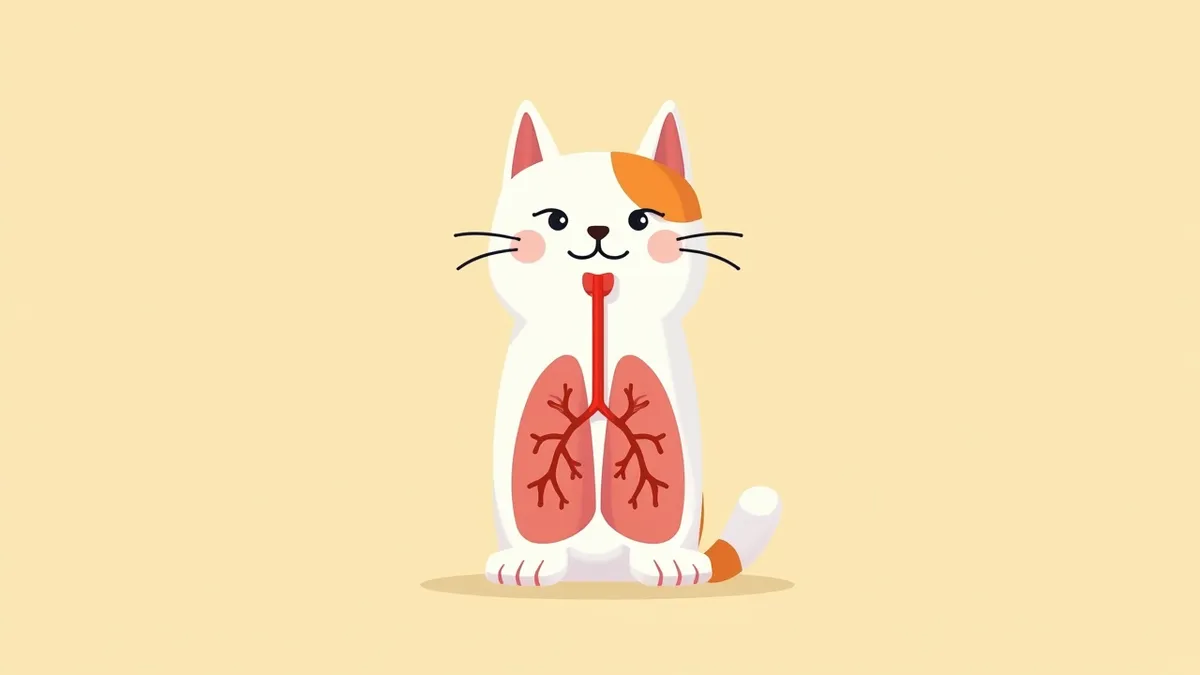
Why Do Cats Need Bronchodilators?
What Are the Main Effects of Bronchodilators?

When to Seek Immediate Veterinary Care
If your pet experiences worsened difficulty breathing, a bluish tint to the mouth, or a sudden increase in coughing after taking a bronchodilator, seek veterinary care immediately. These symptoms may indicate a drug side effect or disease progression. Do not stop the medication or adjust the dosage without consulting your veterinarian.
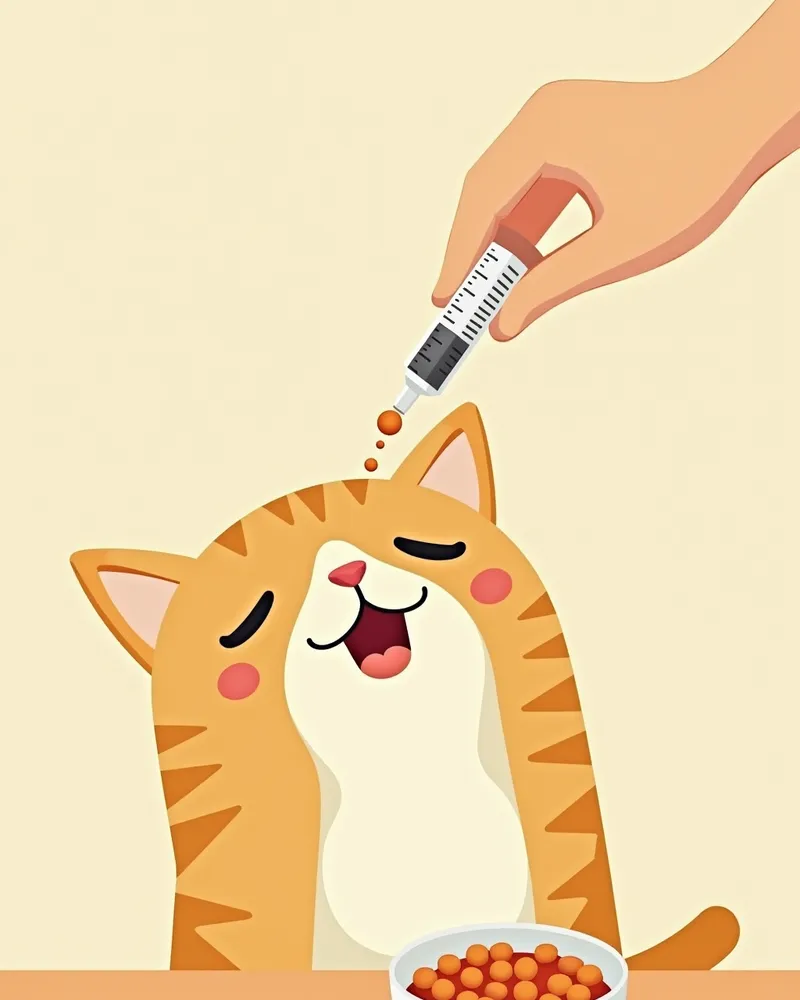
How to Administer Bronchodilators
What Are the Main Side Effects of Bronchodilators?

Comparison Table of Bronchodilator Types
| Item | Duration of effect | Main side effects | Frequency of use |
|---|---|---|---|
| Theophylline | The extended-release form usually maintains its effect with once-daily (evening) dosing. The exact duration varies between individuals, so the veterinarian makes the judgment | Increased heart rate, vomiting, drug toxicity reactions | Usually once/day (evening) |
| Aminophylline | A methylxanthine-class drug; its duration varies by individual, so the veterinarian determines the dose and interval | Anxiety, decreased appetite, gastric irritation | 1–2 times/day (per the veterinarian's prescription) |
| Albuterol (spray) | An inhaled form used mainly during acute exacerbations. Continuous routine use may actually worsen airway inflammation | Increased heart rate, tremors, possible worsening of cough | Used as needed during acute exacerbations (up to 3 times a day) |
The veterinarian selects the appropriate medication based on the patient's condition. Methylxanthine-class drugs have a narrow therapeutic range, so cats sensitive to side effects are started on a low dose, and albuterol is used as a rescue medication during acute exacerbations rather than for routine ongoing use.
Good Habits to Combine with Bronchodilators

Reviewed by a veterinarian

Dr. Tony — Punnawat Phongkittirak
VeterinarianA veterinarian who majored in veterinary medicine at Khon Kaen University, Thailand, and completed the IVSA program at North Carolina State University in the United States. Drawing on clinical experience at animal hospitals, he works in the pet healthcare field and is dedicated to building a digital care environment that connects pet parents with veterinarians.
Reviewed 2026-06-29
Frequently Asked Questions
Do bronchodilators need to be taken for life?
What happens if I miss a dose of medication?
The coughing has decreased, but can I stop the medication?
Are bronchodilators dangerous for cats?
Why does my cat become excited after taking medication?
Share
Related Guides

Top Recommended Feline Bronchodilators and Selection Criteria: A Complete Guide

Best Recommendations and Selection Criteria for Monitoring Your Cat’s Respiratory Rate (RR) During Sleep for Heart Care

Best Recommendations and Selection Criteria for Monitoring Your Dog’s Respiratory Rate (RR) During Sleep for Heart Care

Guide to Safe Storage of Pet Food and Treats

When Your Dog Growls, Is It Fear or Aggression? — How to Tell by the Signals

Cat Fur Types: How to Identify and Care for Them?

Is My Dog Anemic? — Checking Iron Levels with Ferritin and Transferrin

What is the Pancreatitis SNAP Test? How to Interpret Results and Accuracy
Gastric Dilatation-Volvulus (GDV) Surgical Process

Why Does Your Cat Zoom at 3 AM? — How to Calm Them Down
References
[1] Lynelle R. Johnson, DVM, MS, PhD, Dipl ACVIM (SAIM). Small Animal Critical Care Medicine, 3rd Ed. Elsevier, 2023.
[2] Canine and Feline Respiratory Medicine, 3rd Edition. Elsevier, 2022.
[3] Textbook of Respiratory Disease in Dogs and Cats. Wiley-Blackwell, 2021.