

Why Does High Blood Pressure Occur in Dogs? — A Comprehensive Guide from Symptoms to Daily Management
We’ve put together an easy-to-understand guide for pet owners on the causes, symptoms, diagnostic criteria, and treatment and management of high blood pressure in dogs. You’ll also find information on its connection to kidney disease and endocrine disorders.
What Is Canine Hypertension?

Causes: Why Does It Occur?
Normal Blood Pressure Criteria for Dogs
Risk of Organ Damage by Blood Pressure Stage
| Item | Normal | Borderline | Hypertension | Severe hypertension |
|---|---|---|---|---|
| Systolic blood pressure (mmHg) | Under 140 | 140–159 | 160–179 | 180 or more |
| Risk of organ damage | Minimal | Low | Moderate | High |
| Treatment recommendation | Monitor progress | Investigate cause | Begin drug therapy | Treat immediately |
Based on ACVIM (American College of Veterinary Internal Medicine) 2018 guidelines
What Symptoms Appear?

Go to the Vet Immediately If You See These Symptoms
If your pet suddenly goes blind, develops retinal hemorrhages, experiences recurrent nosebleeds, seizures, or weakness in the hind legs, their blood pressure may have reached dangerous levels. In senior dogs especially, these symptoms warrant immediate veterinary attention for blood pressure monitoring and evaluation of underlying conditions. According to veterinary internal medicine guidelines, systolic blood pressure exceeding 180 mmHg or signs of target organ damage require urgent treatment. Left untreated, this can lead to permanent blindness or severe brain damage.
How Is It Diagnosed?
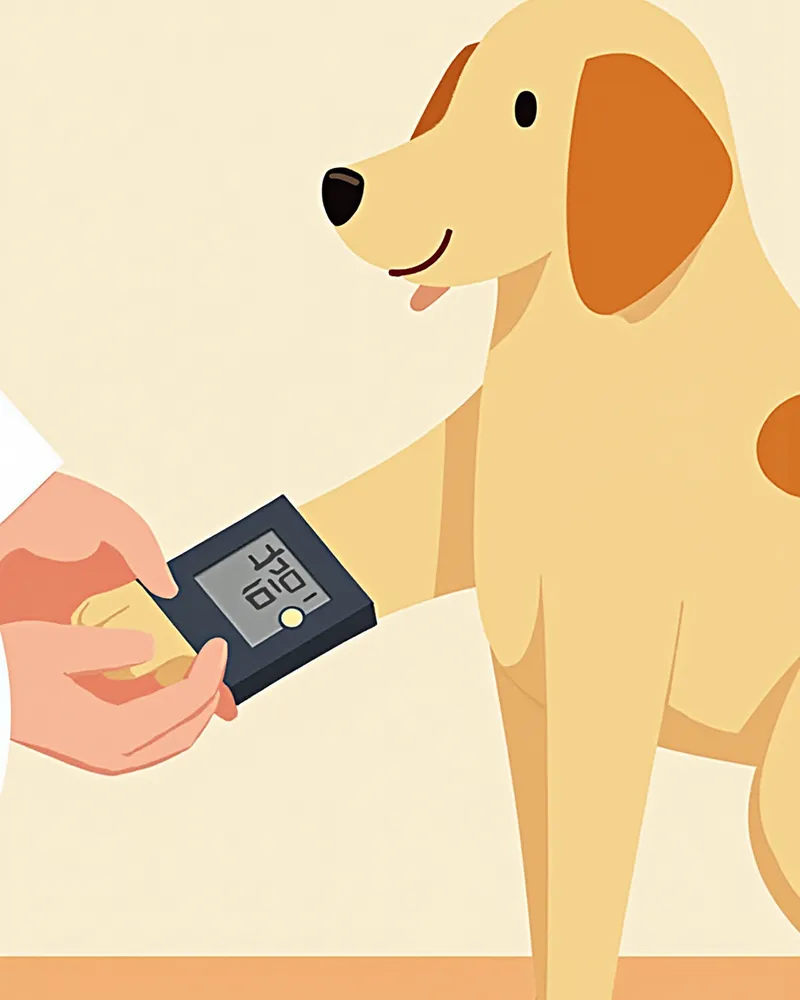
How Is It Treated?
How to Manage It at Home?

Essential Rules to Follow During Hypertension Management
Never stop blood pressure medication abruptly or adjust the dosage without your veterinarian’s guidance. If you miss a dose, do not double up at the next scheduled time; simply resume the regular dose. Regular blood pressure monitoring and blood tests are essential to assess the medication’s effectiveness and kidney function. While the dosage may be reduced or discontinued once the underlying condition is well-managed, this decision must always be made by your veterinarian.
Reviewed by a veterinarian

Dr. Tony — Punnawat Phongkittirak
VeterinarianA veterinarian who majored in veterinary medicine at Khon Kaen University, Thailand, and completed the IVSA program at North Carolina State University in the United States. Drawing on clinical experience at animal hospitals, he works in the pet healthcare field and is dedicated to building a digital care environment that connects pet parents with veterinarians.
Reviewed 2026-04-21
Frequently Asked Questions
Can you measure your dog's blood pressure at home, just like people do?
Should all senior dogs have their blood pressure checked?
Do I need to give my pet blood pressure medication for the rest of their life?
Which breeds are more prone to high blood pressure?
Can my pet still exercise while taking blood pressure medication?
Share
Related Guides

Coenzyme Q10 Benefits and Administration Guide

Dog Pulmonary Edema Warning — 7 Best Diuretics (Furosemide) for Heart Management

7 Best Prescription Diets for Feline Heart Disease Recommended by Veterinarians — Criteria for Choosing Low-Sodium Food

Fluoxetine (Prozac) Behavioral Medication Guide

Why Use Benazepril for Dogs? — Heart and Kidney Protection Effects and Precautions

What is Omeprazole for Dogs and Cats? — Effects of the Acid-Suppressing Medication and Precautions

What is Enalapril? — A Dog Heart Medication: Is It Really Necessary for Your Pet?

Ondansetron: The Ultimate Guide to a Potent Antiemetic for Dogs and Cats

Carprofen (Rimadyl) Pain Reliever Guide

Enrofloxacin (Baytril) Broad-Spectrum Antibiotic
References
[1] Acierno M.J. et al., ACVIM consensus statement: guidelines for the identification, evaluation, and management of systemic hypertension in dogs and cats, J. Vet. Internal Med. 32:1803-1822, 2018
[2] Clinical Medicine of the Dog and Cat, 4th Edition, Chapter on Systemic Hypertension
[3] Textbook of Cardiovascular Medicine in Dogs and Cats, Systemic Hypertension
[4] Small Animal Critical Care Medicine, 3rd Edition, Blood Pressure Substaging