
Like
Share
멍실장
강아지 피부과 전문 진료 이용 가이드

Guide to Using Canine Dermatology Specialty Services

Skin & CoatQ&AMeongsiljang Veterinary Advisory Board

Canine dermatology is a specialized field focused on skin, ear, and coat conditions. Here’s everything you need to know about when to visit, what tests to expect, and how to prepare.

What Is Canine Dermatology?
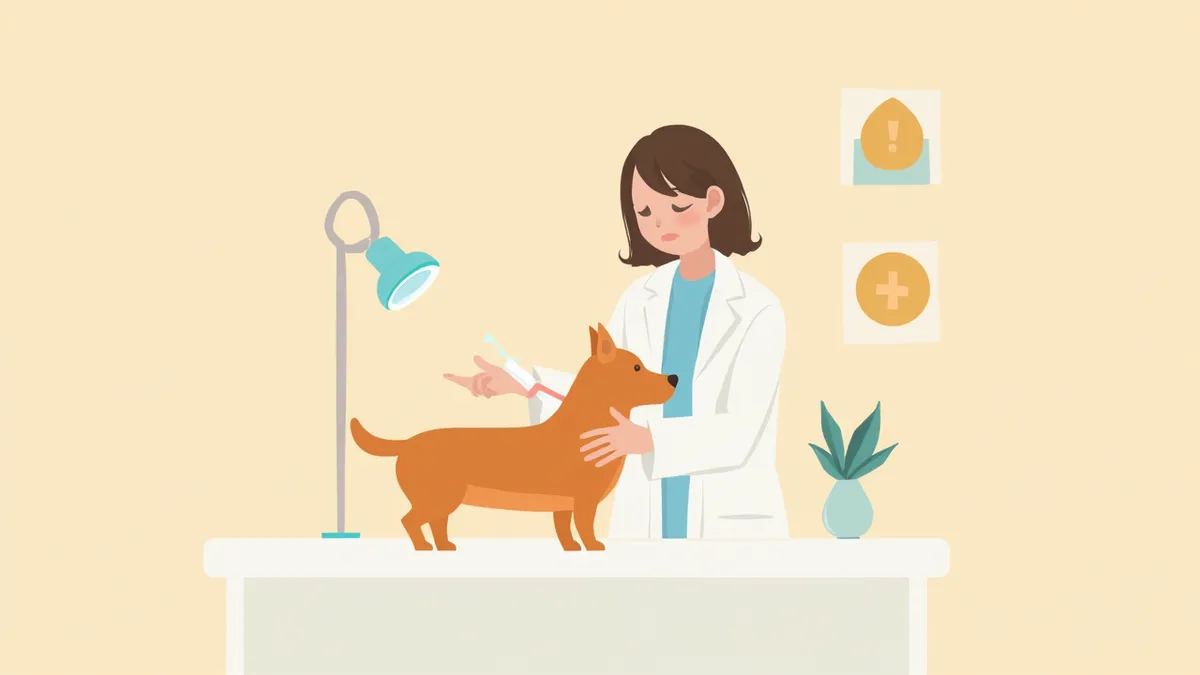
A veterinarian carefully examining a puppy's skin.
Canine dermatology is a specialized veterinary field focused on diagnosing and treating conditions affecting the skin, ears, coat, and paw pads. The most critical factor is how the condition responds to treatment. If your dog’s skin issues keep recurring, or if you’ve visited a general veterinary clinic three times without a clear diagnosis or satisfactory improvement, it may be time to consult a dermatology specialist. Chronic atopy, allergies, and autoimmune diseases require detailed testing, and a specialist’s expertise can significantly influence the outcome.

When Should You See a Dermatologist Instead of a General Veterinary Clinic?

Simple skin issues can be handled at a general veterinary clinic, but a dermatology specialist is recommended in the following situations: - Recurring episodes: Itching or rashes that repeatedly return in the same area - Lack of treatment response: No clear diagnosis or satisfactory improvement after three visits - Systemic symptoms: Hair loss, hyperpigmentation, or scaling spreading across the entire body - Chronic otitis externa: Ear inflammation that recurs frequently - Long-term steroid use: When symptom control relies solely on steroids over an extended period

Differences Between General Care and Dermatology Specialty Care

Here’s a summary of the key differences between the two approaches. While the initial cost is higher for dermatology, identifying the exact cause can help reduce long-term recurrence expenses.

Comparison of General vs. Dermatology Specialty Care

ItemGeneral Veterinary ClinicDermatology Specialty Care
Treatment ApproachSymptom-based empirical treatmentCause-based precise diagnosis
Main TestsVisual exam · cytologyAllergy testing · skin biopsy · bacterial culture
Consultation Time10–20 minutes30–60 minutes
Initial Visit Cost RangeKRW 30,000–80,000KRW 100,000–250,000
Best Suited ForSimple · acute symptomsChronic · recurrent · immune-mediated diseases

Costs vary by region and clinic; these are averages as of 2024.

Common Conditions Seen in Dermatology

These are some of the most common conditions we frequently manage in veterinary dermatology for dogs. - Atopic dermatitis: Chronic itching triggered by environmental allergens - Food allergies: Skin and gastrointestinal symptoms caused by reactions to specific proteins - Malassezia infection: Skin lesions and a distinct odor resulting from yeast overgrowth - Pyoderma: Pus and rashes caused by bacterial infection - Demodicosis: Proliferation of mites within hair follicles - Autoimmune diseases: Rare conditions such as pemphigus For a detailed breakdown of symptoms by condition, please refer to our Guide to Dog Skin Diseases.
Observing a dog’s skin inflammation using specialized equipment

Cases Requiring Same-Day Emergency Care

The following symptoms may indicate something more serious than a simple skin issue and require immediate veterinary attention: - Sudden, severe swelling of the face and lips - Pus, foul odor, and fever originating from the skin - Extensive skin necrosis or ulceration - Sudden, widespread hair loss accompanied by lethargy - Skin symptoms occurring alongside vomiting and diarrhea

What to Prepare Before Your Dermatology Visit

Dermatologists narrow down diagnoses based on the owner’s records. Preparing the following information before your visit will significantly shorten consultation time: - Onset of symptoms: The date and season when symptoms were first noticed - Photo and video records: Progression of lesions (at least once a week) - Dietary records: Ingredient lists for all food and treats consumed in the past three months - Previous treatment history: A complete list of all medications, shampoos, and supplements used - Changes in living environment: Moving, new family members, seasonal changes, etc. Photo records are particularly crucial for diagnosing allergies, as symptoms may periodically disappear.
A pet owner showing a photo of their dog’s skin to a veterinarian.

Main Tests Performed in Dermatology

This is the standard diagnostic sequence used in veterinary dermatology to identify the underlying cause. - Cytology: Scraping the skin surface to check for bacteria and yeast (5 minutes) - Skin scraping: Checking for mites such as Demodex and Sarcoptes (10 minutes) - Wood’s lamp examination: Screening for fungal infections (immediate) - Bacterial culture and susceptibility testing: Identifying antibiotic resistance (3–5 days) - Allergen testing: Serum or intradermal skin testing (1–2 weeks) - Skin biopsy: Histopathological examination when autoimmune disease or tumors are suspected (1 week) Not all tests are performed during the initial visit; instead, they are conducted step-by-step based on the suspected condition.

How Long Does Treatment Take and What Does It Cost?

Treatment duration and costs vary significantly depending on the condition. Simple infections typically resolve within 2–4 weeks, whereas atopic dermatitis is a chronic condition requiring lifelong management. - Bacterial infection: 2–4 weeks, total cost $70 to $200 - Malassezia: 3–6 weeks, total cost $100 to $200 - Food allergy diagnosis: 8–12 weeks on an elimination diet, total cost $200 to $400 - Atopic dermatitis management: Ongoing monthly cost of $40 to $100 - Autoimmune disease: Monthly cost of $70 to $200, with regular check-ups essential An accurate diagnosis early on can significantly reduce long-term medication and follow-up visit costs.
A scene where a veterinarian explains the treatment plan to the pet owner.

Reviewed by a veterinarian

Dr. Tony — Punnawat Phongkittirak

Dr. Tony — Punnawat Phongkittirak

Veterinarian

A veterinarian who majored in veterinary medicine at Khon Kaen University, Thailand, and completed the IVSA program at North Carolina State University in the United States. Drawing on clinical experience at animal hospitals, he works in the pet healthcare field and is dedicated to building a digital care environment that connects pet parents with veterinarians.

Frequently Asked Questions

Can I get dermatology care at a local veterinary clinic?
We can provide basic veterinary care. However, we recommend finding a clinic with a veterinarian certified by the Korean Veterinary Dermatology Association or who has specialized experience in dermatology. For chronic or recurrent conditions, specialized care can make a significant difference in outcomes.
Is an allergy test really necessary?
Not every dog needs this treatment. It’s most beneficial when itching persists or doesn’t improve with standard care. Your veterinarian can help determine the right timing and whether it’s appropriate for your dog.
Are dermatology treatments covered by pet insurance?
Most insurance companies include skin conditions in their basic coverage. However, for chronic conditions like atopic dermatitis, you must disclose them before enrolling, and certain tests may be excluded from coverage, so it’s important to review the policy terms.
How should I shampoo my pet during treatment?
Only use medicated shampoos prescribed by your veterinarian. Regular dog shampoos can further irritate the skin barrier that is currently being treated. The frequency and method of use vary depending on the specific condition, so do not decide on your own.
Do I need to make an appointment for a dermatology visit?
Most specialized consultations require an appointment. Since initial visits can take 30 to 60 minutes, it’s often difficult to see patients on the same day. We recommend calling ahead to schedule your appointment and confirm what to bring.

Share

Related Guides

References

[1] Hnilica KA, Patterson AP, Small Animal Dermatology: A Color Atlas and Therapeutic Guide, 4th ed, Elsevier, 2017

[2] Miller WH, Griffin CE, Campbell KL, Muller and Kirk's Small Animal Dermatology, 7th ed, Elsevier Mosby, 2013

[3] Jackson HA, Marsella R, BSAVA Manual of Canine and Feline Dermatology, 4th ed, BSAVA, 2021

This information is based on veterinary literature and does not replace diagnosis or treatment. Please consult a veterinarian for specific health concerns.

Metapet Co., Ltd. | CEO: Park Sung-yong | Business Reg. No. 417-88-02562 | Seoul, South Korea | Customer Center

Canine Dermatology: When to See a Skin Specialist | Meongsiljang