
Complete Guide to IV Fluid Types (Normal Saline, Ringer’s Solution, 5% Dextrose)
Intravenous fluids used for dogs and cats are mainly divided into three types: normal saline, Ringer’s solution, and 5% dextrose. Here’s a simple breakdown of their ingredients and uses.
What Types of IV Fluids Are There for Dogs and Cats?
Why Are IV Fluids Administered?
Comparison of the Three IV Fluid Types at a Glance
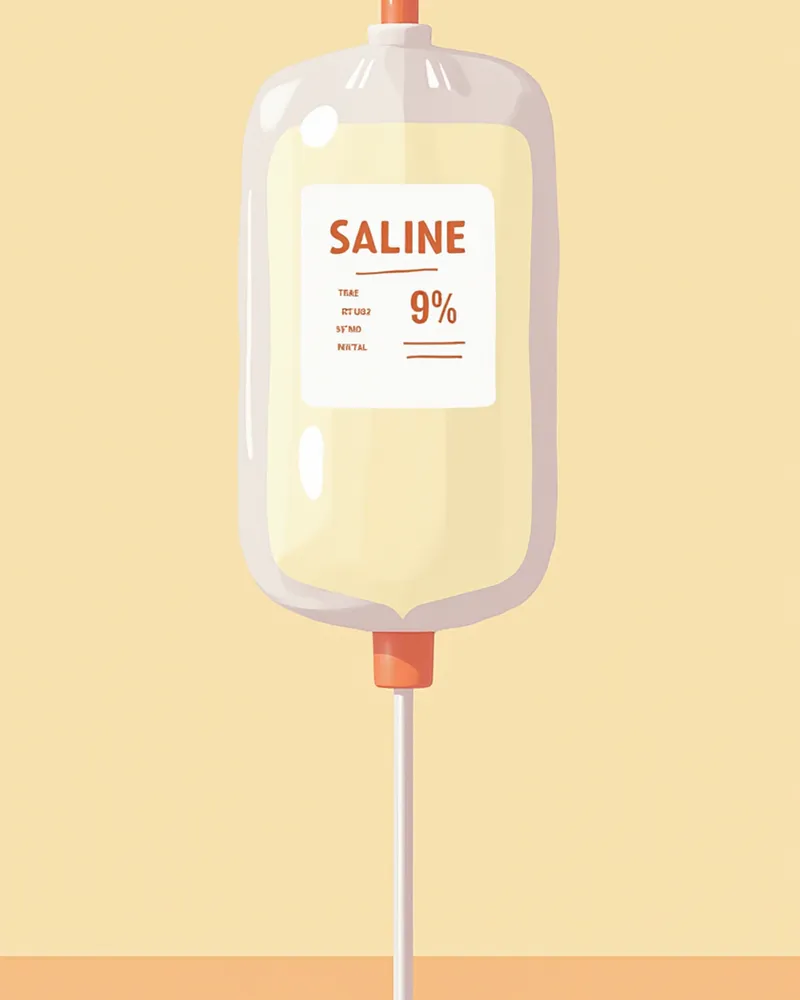
| Item | Normal saline (0.9% NaCl) | Ringer's solution (LRS/Hartmann's solution) | 5% dextrose (D5W) |
|---|---|---|---|
| Main components | Sodium & chloride | Sodium, chloride, potassium, calcium, lactate | Dextrose + water |
| Osmolality | Isotonic | Isotonic | Isotonic (hypotonic within the body) |
| Primary use | Dehydration, hyperkalemia, correction of hyponatremia | General dehydration, surgery, shock | Hypoglycemia, free water replacement |
| Cautionary situations | Caution regarding sodium overload in heart & kidney disease | Caution regarding lactate metabolism in liver failure | Caution regarding rapid changes in blood glucose |
Based on DiBartola, Fluid Therapy in Small Animal Practice 4th edition
When Is Normal Saline Used?
Why Is Ringer’s Solution (Hartmann’s Solution) the Most Commonly Used?
Why You Should Not Administer IV Fluids at Home
The type of fluid and the infusion rate are specialized decisions that your veterinarian must make based on your pet’s weight, underlying conditions, and electrolyte levels. Administering fluids too quickly can lead to serious complications such as pulmonary edema, heart failure, or sudden electrolyte imbalances. In cases prescribed by a veterinarian, such as for chronic kidney disease, subcutaneous fluid therapy at home is an approved treatment method. However, arbitrarily administering fluids with the casual mindset of “it’s just hydration, what’s the harm?” is extremely dangerous. Please always have your pet’s condition evaluated at a veterinary clinic and follow the veterinarian’s prescription precisely.
5% Dextrose Has Specific Purposes
Subcutaneous vs. Intravenous Fluids: What’s the Difference?
Exercise Extra Caution with IV Fluids in Cats
Cats have a more delicate ability to regulate body fluids than dogs, so both the rate and volume of IV fluids must be adjusted with greater precision. In cats with cardiomyopathy (heart disease), rapid fluid administration significantly increases the risk of pulmonary edema. Even if a cat appears healthy on the surface, they may have underlying heart conditions, so it is recommended to assess cardiac status before starting IV fluids.
Reviewed by a veterinarian

Dr. Tony — Punnawat Phongkittirak
VeterinarianA veterinarian who majored in veterinary medicine at Khon Kaen University, Thailand, and completed the IVSA program at North Carolina State University in the United States. Drawing on clinical experience at animal hospitals, he works in the pet healthcare field and is dedicated to building a digital care environment that connects pet parents with veterinarians.
Reviewed 2026-04-23
Frequently Asked Questions
Do I need to choose a specific type of subcutaneous fluid for home administration?
How long does the effect of a single IV fluid treatment last?
Is intravenous fluid therapy always beneficial?
Which is better, normal saline or Ringer's solution?
The site where the IV catheter was inserted is swollen. Is this normal?
Share
Related Guides

Primary vs. Secondary Veterinary Hospitals: A Comparison

5 Easy-to-Raise Cat Breeds for First-Time Owners — Grooming Difficulty Comparison

Top 7 Short-Legged Dog Breeds

Dog Urethral Obstruction FAQ — Key Information Every Pet Owner Must Know

Dog Sleep Respiratory Rate (RR) Monitoring Heart FAQ — Key Points Owners Must Know

Canine Pulmonary Thromboembolism FAQ — Key Information for Pet Owners

Dog Pulmonary Edema FAQ — Key Information Every Pet Owner Should Know

Dog Aspiration Pneumonia FAQ — Key Information Every Owner Must Know

Puppy Vaccination Side Effect Monitoring FAQ — Key Points Every Pet Owner Must Know
Frequently Asked Questions About DHPP (Combination Vaccine) for Puppies — Key Information Every Pet Owner Should Know
References
[1] DiBartola SP, Fluid, Electrolyte, and Acid-Base Disorders in Small Animal Practice, 4th Edition, Saunders
[2] Ettinger SJ, Textbook of Veterinary Internal Medicine, 8th Edition, Elsevier
[3] Silverstein DC, Small Animal Critical Care Medicine, 2nd Edition, Saunders