Like
Share
멍실장
강아지 골관절염 증상과 관리

Canine Osteoarthritis: Symptoms and Management

JointQ&AMeongsiljang Veterinary Advisory Board

We’ve put together a comprehensive guide covering everything about canine osteoarthritis—from its definition and main symptoms to diagnosis, treatment, and home care. Early detection is the key to slowing its progression.

What Is Canine Osteoarthritis?
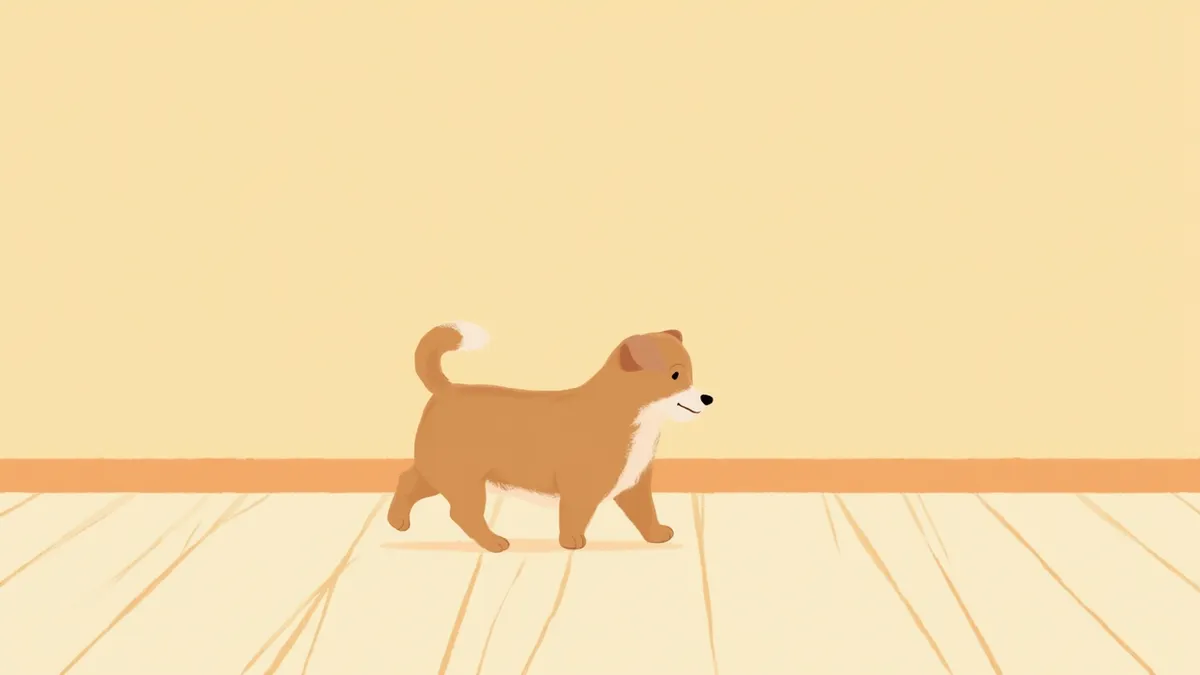
An elderly dog walking slowly while slightly limping on its hind legs.
Canine osteoarthritis is a degenerative joint disease in which the cartilage gradually wears away, leading to inflammation and pain, while bone spurs (osteophytes) develop and restrict joint movement. The most important thing to understand is that the goal isn't a cure, but rather controlling the rate of progression. Since worn cartilage cannot be restored, catching early signs like limping, difficulty standing, or avoiding stairs and intervening promptly can make all the difference in your dog's lifespan and quality of life.

Why Does It Occur? (Causes and Risk Factors)

Osteoarthritis typically begins through two main pathways. The first involves repeated abnormal stress on a normal joint, such as from obesity, excessive jumping, or recurrent injuries. The second occurs when normal stress is placed on an already abnormal joint, due to conditions like hip dysplasia, patellar luxation, or cruciate ligament rupture. According to veterinary textbooks, the development of osteoarthritis is a complex process involving the interplay of degeneration and repair within the articular cartilage, subchondral bone, and synovium. Inflammation is a secondary factor that accompanies this process, following a much more complex pathway than a simple linear sequence. The risk is higher in older dogs, large breeds, overweight individuals, and those with a history of joint surgery.

Signs That Should Raise Suspicion

Osteoarthritis pain builds up gradually, so owners often brush it off as “just part of getting older.” If any of the following signs persist for more than two weeks, a veterinary visit is recommended.
Limping: Especially noticeable right after waking up or following exercise.
Stiffness: Slow to start moving, but improves after a short walk.
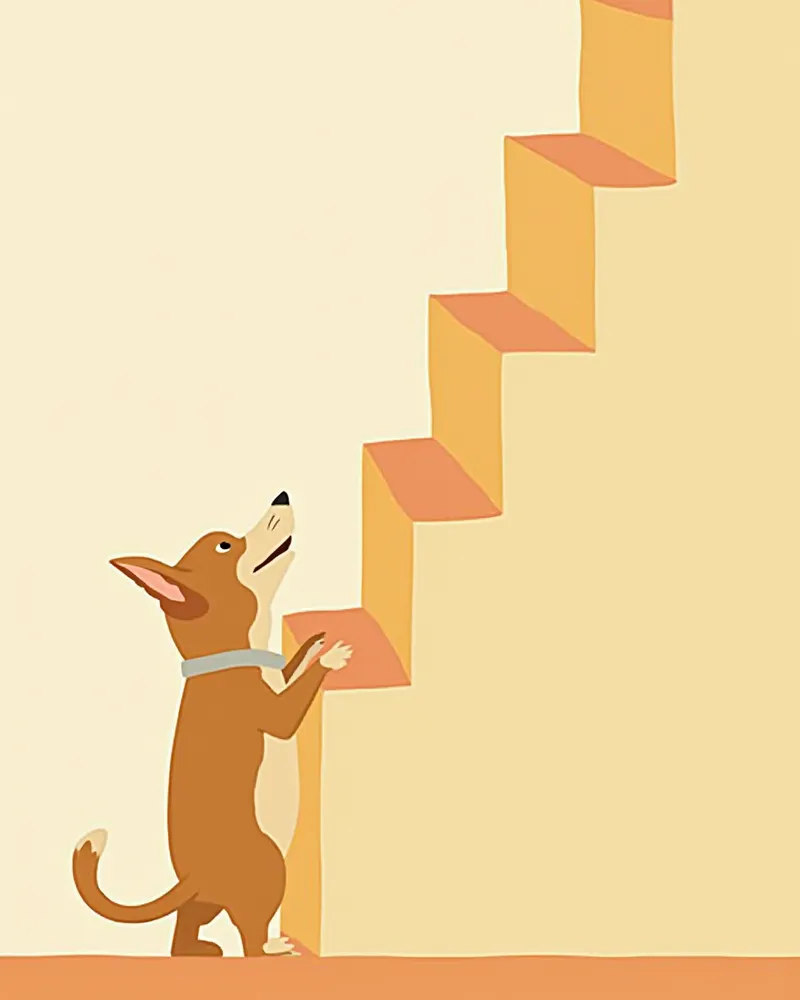
Avoiding stairs or sofas: Suddenly reluctant to jump or climb up and down.
Postural changes: Leaning to the side to shift weight away from the painful leg.
Behavioral changes: Growling when touched or becoming more irritable than usual.
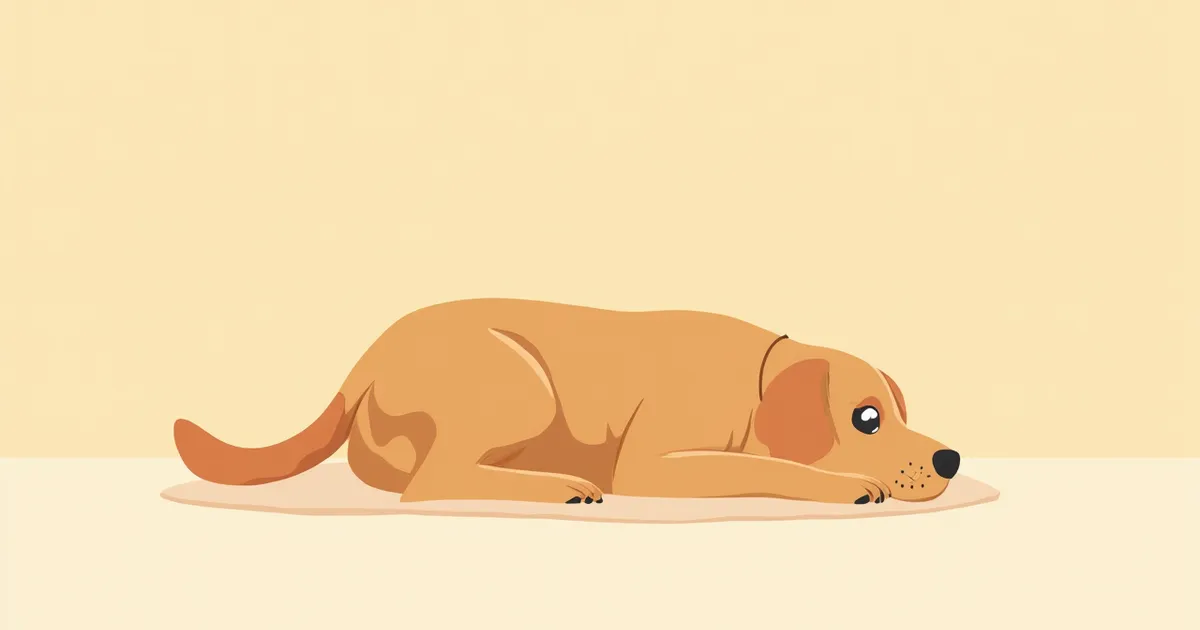
A dog hesitating at the bottom of the stairs, reluctant to climb up.

When to Visit the Vet the Same Day

If your pet develops non-weight-bearing lameness, where they are completely unable to put any weight on their leg, or if you notice significant joint swelling and warmth, or if their appetite suddenly drops and they seem unusually lethargic, this may not be a simple flare-up but rather an emergency such as infectious arthritis, a cruciate ligament tear, or a fracture. In particular, if there is a history of trauma or a sudden worsening of symptoms, same-day veterinary care is essential.

How Is Diagnosis Performed?
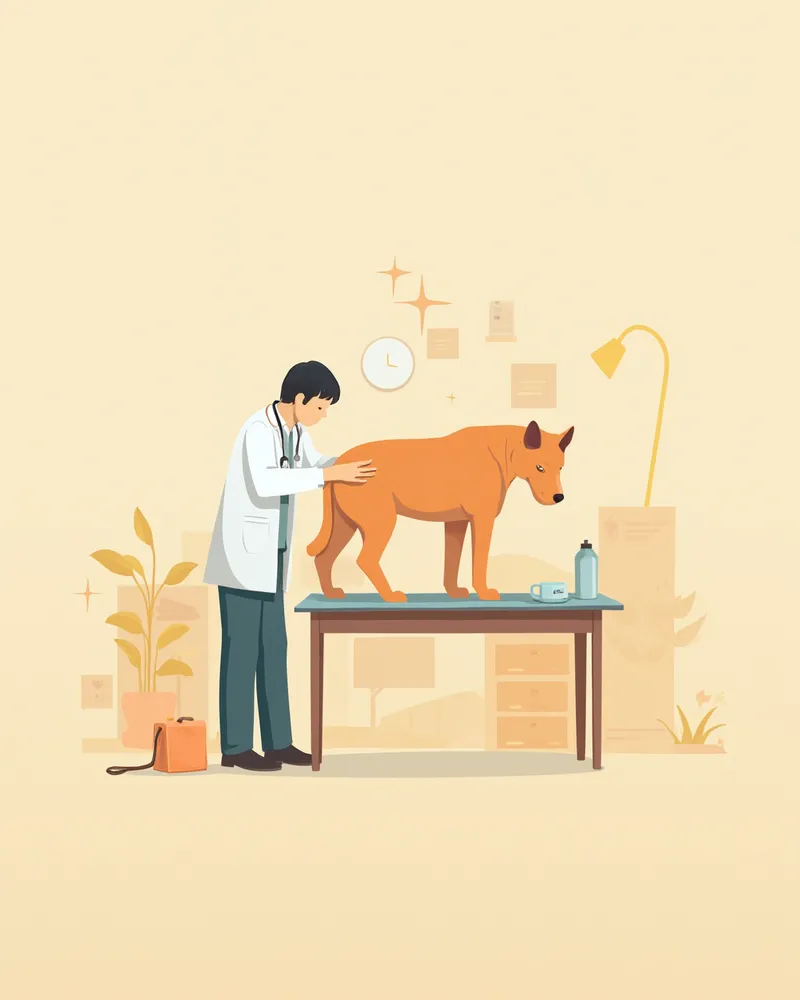
At the clinic, we begin by interviewing you to understand when the symptoms started and their pattern. Next, we perform an orthopedic physical exam, manually flexing and extending each joint to check for pain, crepitus, or swelling. We then take X-rays to look for signs of degeneration, such as narrowed joint spaces, bone spurs (osteophytes), and sclerosis around the joints. If needed, we may use CT or MRI scans to get a more detailed view of the cartilage and ligaments. If we suspect a concurrent injury, such as a cruciate ligament tear, we first assess joint stability using a cranial drawer test. If infectious or immune-mediated arthritis is suspected, we analyze the synovial fluid to determine the specific type of arthritis.
A veterinarian examining a dog’s hind leg joints by bending them at the animal hospital

Stage-by-Stage Symptoms and Management Directions

ItemEarly stageIntermediate stageAdvanced stage
Main symptomsStiffness after exercisePersistent limping & avoiding stairsDifficulty standing & muscle atrophy
Management focusWeight management & low-impact exerciseCombined medication & supplementsConsider surgery & rehabilitation
Analgesic useOccasionally neededMay be needed consistentlyLong-term prescription common
Exercise amountMaintain light activity on flat groundAdjust to low-impact & short-distanceReduce as directed by the veterinarian

The stage is determined by the veterinarian based on a combination of symptoms, imaging, and pain scores.

Treatment Methods (Multidisciplinary Approach)
Treating osteoarthritis isn’t about relying on a single method; the standard approach is a multidisciplinary strategy that addresses multiple aspects simultaneously.
Weight Management: Even a slight weight gain can significantly increase stress on the joints, so it’s crucial to maintain the ideal weight recommended by your veterinarian.
Medication: Non-steroidal anti-inflammatory drugs (NSAIDs) are the first-line treatment, with the dosage and duration determined by your veterinarian based on your pet’s weight.
Joint Supplements: Ingredients with potential cartilage-protective benefits, such as chondroitin sulfate and omega-3 fatty acids rich in EPA, can be utilized.
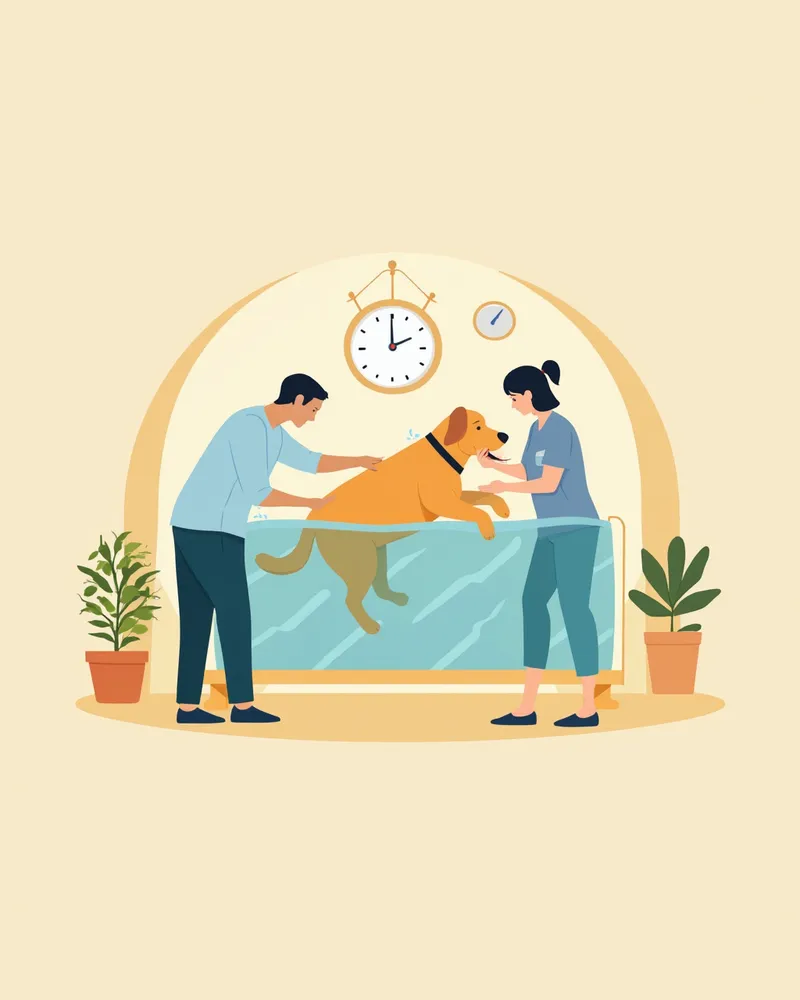
Rehabilitation and Low-Impact Exercise: Options include hydrotherapy on an underwater treadmill and walking on flat ground.
Surgery: Procedures such as arthroscopy or total joint replacement may be considered in end-stage cases or when the underlying cause is clearly identified.
A dog undergoing rehabilitation exercise on an underwater treadmill.

Home Care Points

Daily environmental management is just as important as clinical treatment.
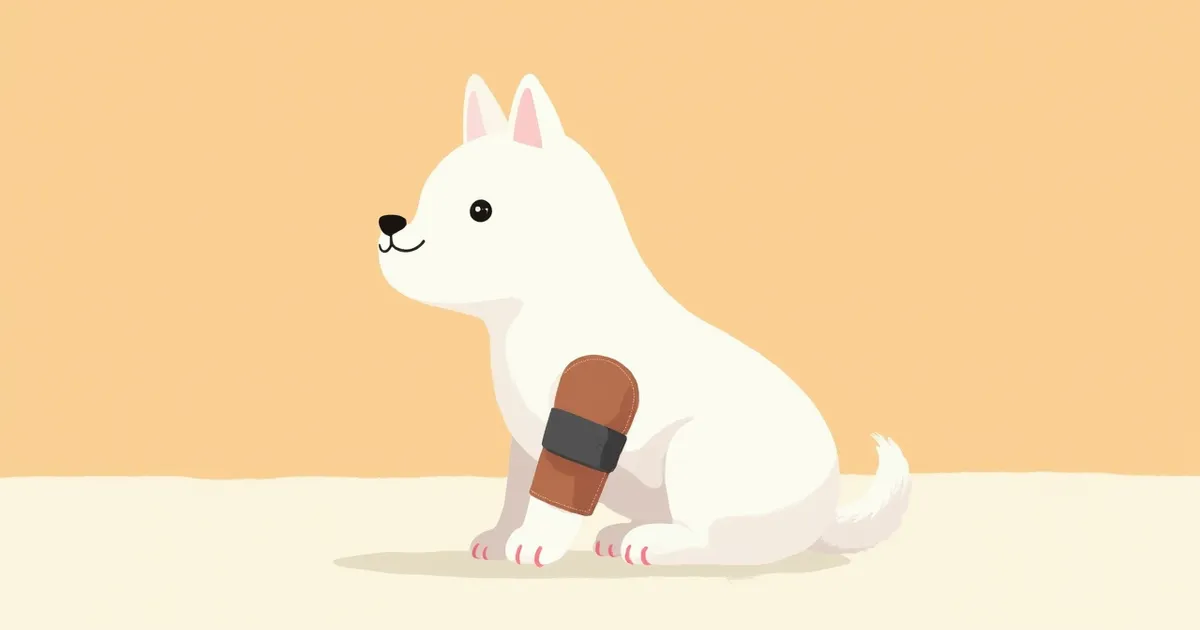
Prevent slippery floors: Use mats or rugs to reduce the impact on your dog’s legs when they slip.
Minimize stairs: Replace high sofas and beds with pet stairs or ramps.
Short, frequent walks: Multiple short walks are better for your dog’s joints than one long walk.
Weekly weight checks: Regularly monitor your dog’s weight to ensure it stays within the target range recommended by your veterinarian.
Warm and comfortable resting area: Provide a soft, warm bed to reduce stress on your dog’s joints, and maintain an appropriate indoor temperature for a comfortable environment.

Behaviors to Absolutely Avoid

Never give your dog human pain relievers like ibuprofen or acetaminophen without a veterinarian’s prescription. Dogs metabolize medications very differently than humans, so it’s essential to use only veterinary-prescribed medications formulated specifically for animals. Additionally, stopping prescribed medication prematurely because you think the pain has subsided, or subjecting your dog to high-impact activities such as fetch with sudden stops and sharp turns in the park, can worsen their condition. If you’re considering adding joint supplements, always check with your veterinarian first to ensure they’re safe to use alongside any current medications.

Reviewed by a veterinarian

Dr. Tony — Punnawat Phongkittirak

Dr. Tony — Punnawat Phongkittirak

Veterinarian

A veterinarian who majored in veterinary medicine at Khon Kaen University, Thailand, and completed the IVSA program at North Carolina State University in the United States. Drawing on clinical experience at animal hospitals, he works in the pet healthcare field and is dedicated to building a digital care environment that connects pet parents with veterinarians.

Frequently Asked Questions

Can osteoarthritis be cured?
A complete cure is difficult. While worn cartilage cannot be restored, consistent weight management, medication, rehabilitation, and environmental adjustments can significantly slow the progression of the condition, allowing your pet to live comfortably without pain.
Is it sufficient to manage joint health with supplements alone?
While supplements can help in the early, mild stages, they are not enough to manage pain once the condition progresses to the moderate stage or beyond. Please consult your veterinarian to combine supplements with medication and rehabilitation therapy.
Should I avoid taking my dog for walks altogether?
Not at all. Complete rest can cause muscle atrophy, which may actually make the joints less stable. It’s better to take short, flat walks several times a day consistently.
Which breeds should be especially cautious?
Large and giant breeds such as Golden Retrievers, Labrador Retrievers, and German Shepherds, as well as middle-aged and older dogs, are at a relatively higher risk for osteoarthritis. Caution is also warranted for breeds prone to joint developmental abnormalities like hip dysplasia or elbow dysplasia, as well as for dogs that are overweight or have a history of joint surgery.
At what age should joint screenings begin?
The ideal time to start health screenings varies depending on your dog’s breed, weight, and any underlying conditions, so it’s best to consult with your veterinarian to determine the right schedule for your pet. If your dog has a history of joint surgery or trauma, regular check-ups are necessary regardless of age.

Share

Related Guides

References

[1] Textbook of Veterinary Orthopaedic Surgery, Chapter 12 — Osteoarthritis

[2] The Dog Care Handbook: Things I Wish My Vet Had Told Me — Osteoarthritis

[3] BSAVA Manual of Canine and Feline Musculoskeletal Disorders

This information is based on veterinary literature and does not replace diagnosis or treatment. Please consult a veterinarian for specific health concerns.

Metapet Co., Ltd. | CEO: Park Sung-yong | Business Reg. No. 417-88-02562 | Seoul, South Korea | Customer Center

Dog Osteoarthritis: Symptoms and Management Guide | Mengsiljang | Meongsiljang