
Frequently Asked Questions About Feline Urine Specific Gravity Testing — Key Information Every Pet Owner Should Know
The feline urine specific gravity test is a key diagnostic tool for evaluating kidney function and hydration status. We’ve compiled the essential information every pet owner should know in a Q&A format.
What Is a Feline Urine Specific Gravity Test?
Why Is a Feline Urine Specific Gravity Test Important?
How to Prepare for a Urine Specific Gravity Test

How to Interpret Urine Specific Gravity Test Results
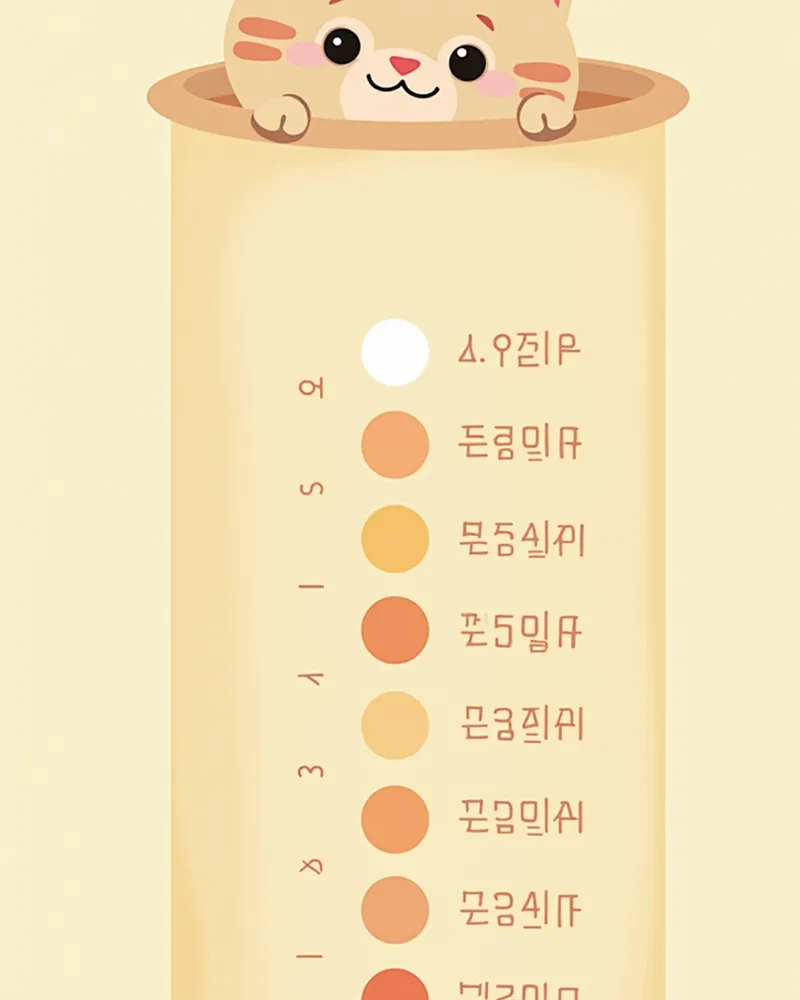
When to Seek Immediate Veterinary Care
If your cat’s urine specific gravity is 1.008 or lower, or if they show no appetite, vomiting, or signs of shock, seek veterinary care immediately. These symptoms may indicate kidney dysfunction or a serious endocrine disorder. Early intervention is especially important for senior cats.
Frequently Asked Questions About Urine Specific Gravity Testing
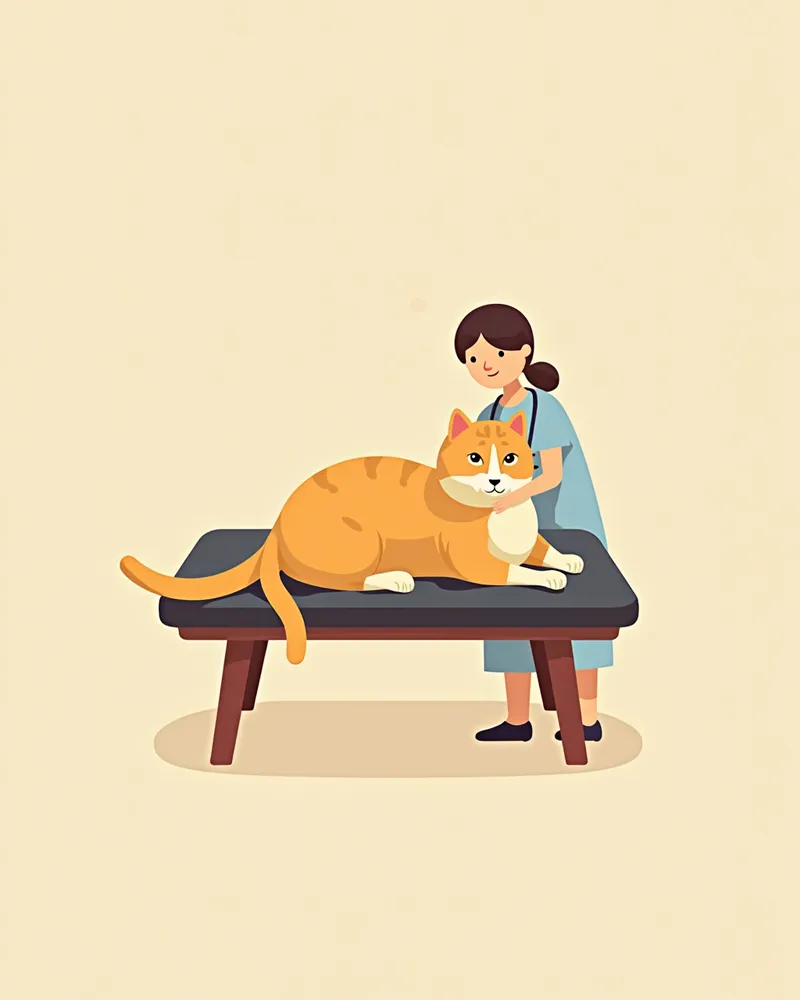
Comparison of Conditions Based on Urine Specific Gravity Results
| Item | Urine Specific Gravity Range | Meaning | Need for Further Testing |
|---|---|---|---|
| 1.012 or below | 1.008–1.012 is isosthenuric and below 1.008 is hyposthenuric, indicating possible decreased renal concentrating ability | Suspected severe renal impairment or a cause of polyuria | Yes |
| 1.035–1.060 | Normal range; renal concentrating ability is assessed as normal | Concentrating ability generally good | No |
| 1.060 or higher | Very concentrated urine, which may suggest dehydration or the like | If glucosuria (diabetes) or proteinuria is present, specific gravity can rise by about 0.005 per gram, so check them together | Yes |
Results must be judged comprehensively together with the medical history and symptoms.
Post-Urine Specific Gravity Test Care Tips

Reviewed by a veterinarian

Dr. Tony — Punnawat Phongkittirak
VeterinarianA veterinarian who majored in veterinary medicine at Khon Kaen University, Thailand, and completed the IVSA program at North Carolina State University in the United States. Drawing on clinical experience at animal hospitals, he works in the pet healthcare field and is dedicated to building a digital care environment that connects pet parents with veterinarians.
Reviewed 2026-06-29
Frequently Asked Questions
Is the urine specific gravity test painful?
Is one test enough?
If the specific gravity is low, does it mean I must take my pet to the vet?
Can I collect a urine sample at home?
How much does a urine specific gravity test cost?
Share
Related Guides

Top 5 Prescription Diets for Feline FLUTD — Comparison by Struvite and Calcium Oxalate Stones

Top 7 Prescription Diets for Feline Bladder and Urinary Tract Health Recommended by Veterinarians — Including Selection Criteria

Top 5 Cranberry Urinary Supplements for Dogs — Preventing Cystitis

What is feline hypertensive retinopathy? — Sudden vision loss signals and vision management

Feline Glaucoma: Medication or Surgery? — Key Q&A on Treatment Options
What is Feline Infectious Peritonitis (FIP)-Associated Uveitis? — Can Eye Signs Raise Suspicion of FIP?
How to Administer Eye Drops to Cats: Key Tips for Safe Application Without Struggling

What’s the Difference Between Corneal Ulcers and Corneal Erosion in Cats? Causes to Treatment Explained
Can My Blind Pet Still Be Happy? — Essential Guide to Caring for Blind Pets
What is a Canine T4 Test? — Key Thyroid Test Facts Every Pet Owner Should Know
References
[1] Stockham, S.L. and Scott, M.A. (2008). Fundamentals of Veterinary Clinical Pathology, 2e. Ames, Iowa: Blackwell Pub.
[2] The Cat, Clinical Medicine and Management, 2nd Edition. (2020). Elsevier Health Sciences.
[3] Feline Emergency and Critical Care Medicine, 2nd Ed. (2015). Wiley-Blackwell.