Like
Share
멍실장
고양이 소변 pH 관리 자주 묻는 질문 Q&A — 보호자가 꼭 알아야 할 핵심

Cat Urine pH Management FAQ — Key Information Every Pet Owner Should Know

UrinaryQ&AMeongsiljang Veterinary Advisory Board

A cat’s urine pH directly impacts urinary tract health. Since an imbalanced pH can increase the risk of stone formation and infections, we’ve compiled the essential information every pet owner should know.

Why is managing cat urine pH important?
A veterinarian examining a cat urine test strip
A cat’s urine pH is a key factor in urinary tract health. If the pH is too high or too low, the risk of stone formation increases. Acidic urine is associated with calcium oxalate stones, while alkaline urine can lead to struvite stones, which form when ammonium, magnesium, and phosphate combine. Although the normal range is approximately 5.5 to 7.5, individual cats vary, and pH can fluctuate easily depending on diet and overall condition, making ongoing monitoring essential. This is especially important for cats with a history of urinary tract disease. Therefore, pet owners should protect their cat’s urinary health through daily care and regular veterinary check-ups.

What are the main causes of elevated urine pH?
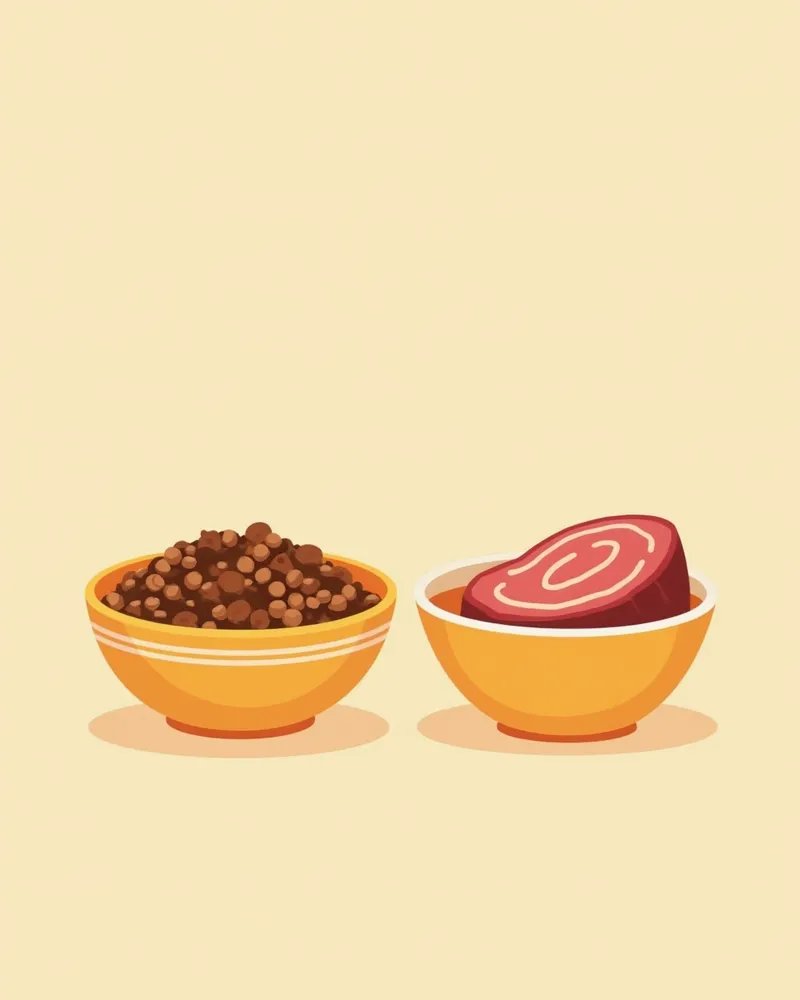
The main causes of elevated urine pH (alkaline urine) are diet and underlying health factors. According to veterinary textbooks, grain- and vegetable-based diets low in protein tend to produce more alkaline urine. Additionally, urinary tract infections caused by bacteria that produce the enzyme urease can increase bicarbonate levels in the urine, raising the pH and promoting the formation of struvite stones. Conditions that impair the kidney’s ability to sufficiently acidify urine, such as renal tubular acidosis, as well as temporary pH increases shortly after meals, can also lead to alkaline urine. Because alkaline urine increases the risk of struvite stone formation, dietary management and regular urine testing are essential.
An image showing grain-based and meat-based cat foods placed side by side.

What are the main causes of low urine pH?
The main causes of low (acidic) urine pH include high-protein diets and dehydration, which create an acidic metabolic state. According to veterinary textbooks, meat- and fish-based diets that are high in protein tend to make urine more acidic. Additionally, when the body experiences a metabolic state with increased acid production, urine pH can drop. Prolonged acidic urine can increase the risk of calcium oxalate (calcium oxalate) stone formation. In particular, long-term acidic urine conditions can negatively impact urinary tract health. Therefore, it is important to consistently manage diet and ensure adequate hydration.
An image of a cat drinking water, with signs of dehydration warning.

Comparison of urinary tract disease risk by urine pH level

ItemAt-Risk DiseaseMain Cause
5.5–6.5Calcium oxalate stonesAcidic urine
6.6–7.5Normal rangeTypical diet
7.6 or higherStruvite stonesAlkaline urine

A pH of 7.5 or higher indicates alkaline urine, which increases the risk of struvite stones. The risk becomes even higher when accompanied by infection with urease-producing bacteria.

How to maintain urine pH within the normal range?
To keep your cat’s urine pH within the normal range, dietary management and adequate hydration are essential. Choose a pH-balanced cat food formulated for your pet’s needs and encourage frequent water intake. Sufficient water consumption dilutes the urine, which helps regulate pH. If necessary, your veterinarian may prescribe pH-modulating supplements or a specialized therapeutic diet. It’s also important to maintain a clean litter box and closely monitor any changes in your cat’s elimination habits. Regular urine tests are key to tracking your cat’s condition.
A cat drinking from a water fountain

Signs requiring immediate veterinary visit

If your cat is urinating frequently but in small amounts, or shows signs of pain while urinating, you should take them to the vet immediately. This could be a sign of urinary tract obstruction, so it's important to seek veterinary care within 24 hours.

The importance of regular urine testing
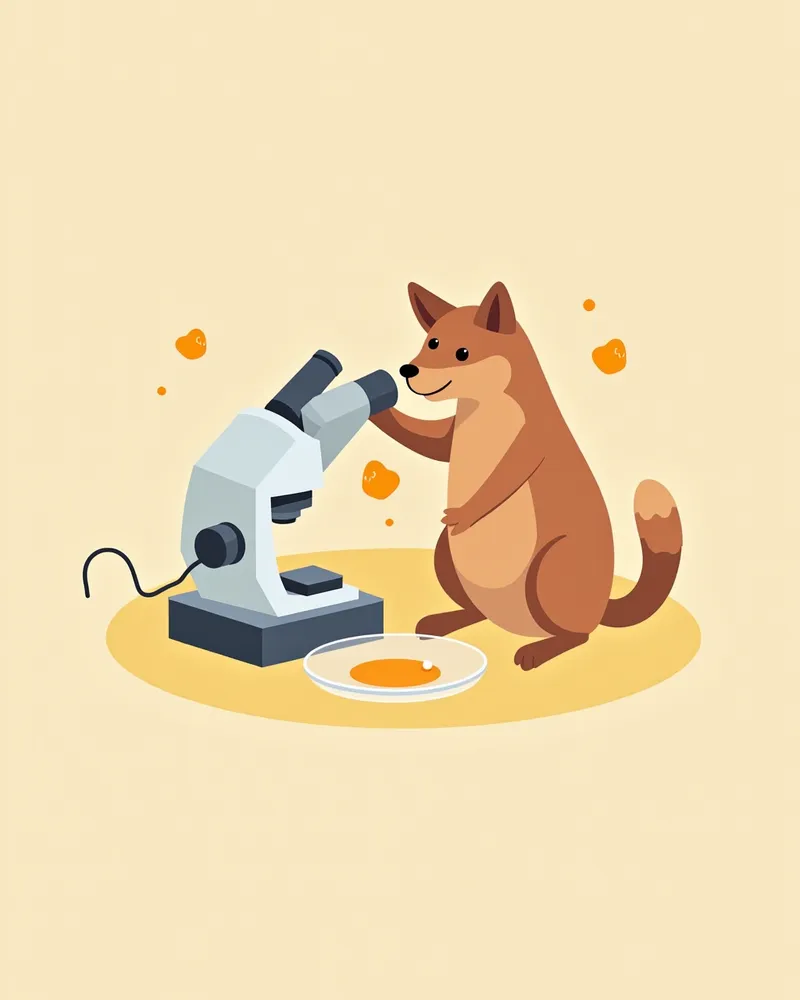
A cat’s urine pH can shift easily with changes in diet or health status. Regular urine testing to monitor pH levels enables early detection and prevention of issues. For cats with a history of urinary tract disease, we recommend testing every three months. Based on the results, you can adjust their diet or treatment plan accordingly. Since urine testing is non-invasive and straightforward, it’s an ideal part of routine health care. Therefore, pet owners should recognize the importance of these tests and make them a consistent practice.
A veterinarian examining urine under a microscope.

Key management points for pet owners to check
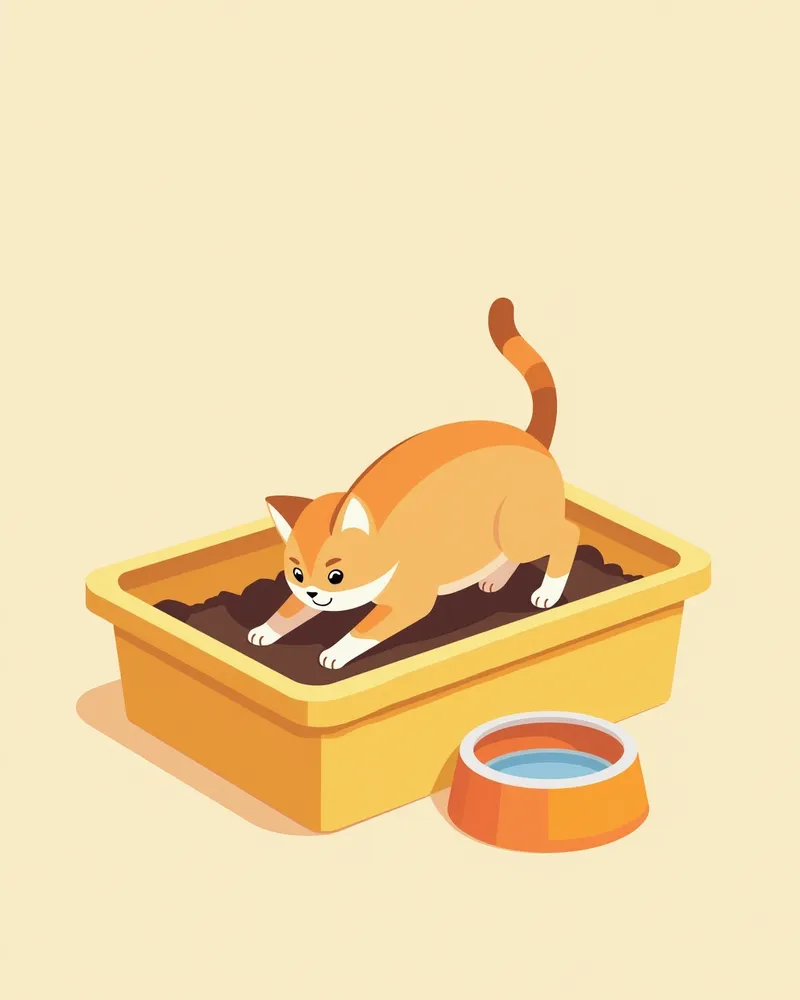
- Ensure fresh water access: Place water bowls in multiple locations and refresh the water two to three times daily. - Dietary management: Consult your veterinarian to select a prescription diet that helps regulate urinary pH. - Litter box hygiene: Clean the litter box daily to maintain sanitation and change the litter frequently. - Monitor behavioral changes: Closely observe your pet for changes in elimination frequency, posture, or signs of pain. - Regular check-ups: Schedule urine tests every three months to monitor your pet’s condition. - Maintain open communication with your veterinarian: Seek immediate advice if you notice any abnormal symptoms. All of these measures are essential for maintaining urinary tract health.
An image of a clean litter box and water bowl placed side by side

Reviewed by a veterinarian

Dr. Tony — Punnawat Phongkittirak

Dr. Tony — Punnawat Phongkittirak

Veterinarian

A veterinarian who majored in veterinary medicine at Khon Kaen University, Thailand, and completed the IVSA program at North Carolina State University in the United States. Drawing on clinical experience at animal hospitals, he works in the pet healthcare field and is dedicated to building a digital care environment that connects pet parents with veterinarians.

Frequently Asked Questions

How can I measure my cat’s urine pH at home?
Urine test strips allow for convenient at-home testing. However, the accuracy of the strips can be compromised depending on the testing method. For the most reliable results, we recommend having your veterinarian check the urine pH using dedicated equipment such as a pH meter.
When should I start feeding pH-balanced food?
This should only be given under veterinary prescription when your pet is at high risk for urinary tract disease or has unstable urine pH. Do not administer it on your own.
Can drinking only water normalize urine pH?
While increasing water intake can be helpful, simply drinking more water won’t normalize urine pH if dietary factors or underlying medical conditions are involved. A comprehensive management approach is necessary.
What kind of food is good for cats with high urine pH?
High-protein, meat-based diets that acidify the urine may be helpful in some cases, but they should only be chosen under a veterinarian’s guidance. Irregular changes in diet can be risky.
What happens if a low urine pH persists for a long time?
Calcium oxalate (calcium oxalate) stone formation may be promoted. These stones can cause urinary tract obstruction, so if any abnormal signs appear, you should seek veterinary care immediately.

Share

Related Guides

References

[1] Plumb, D. C. (2023). Plumb's Veterinary Drug Handbook, 10th Edition. Wiley-Blackwell.

[2] Lappin, M. R. (2021). Feline Emergency and Critical Care Medicine, 2nd Edition. Elsevier.

[3] Bartges, J. W. (2022). The Cat: Clinical Medicine and Management, 2nd Edition. Wiley-Blackwell.

This information is based on veterinary literature and does not replace diagnosis or treatment. Please consult a veterinarian for specific health concerns.

Metapet Co., Ltd. | CEO: Park Sung-yong | Business Reg. No. 417-88-02562 | Seoul, South Korea | Customer Center

Cat Urine pH Management: 5 Key Questions Answered | Meongsiljang