
Dog Difficulty Urinating (Stranguria) FAQ — Key Information for Pet Owners
If your dog struggles to urinate or tries frequently but only passes small amounts, they may be experiencing stranguuria. Here’s a clear overview of the causes, symptoms, and what you can do.
What is Dog Difficulty Urinating (Stranguria)?

What are the Main Causes of Difficulty Urinating?
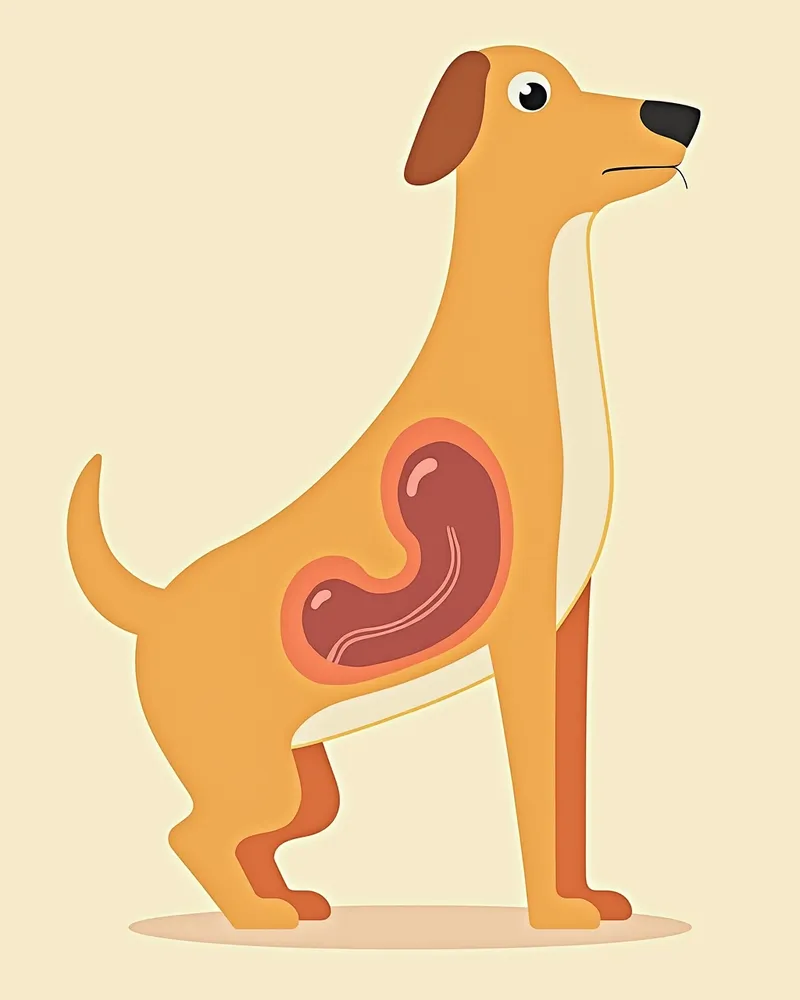
What Should You Do When Severe Symptoms Appear?

Signs Requiring Immediate Veterinary Visit
If your dog is unable to urinate or cries out in pain while trying, take them to the vet immediately. This could be a sign of a urinary blockage, which is a serious condition. Prompt diagnosis and treatment are crucial for saving their life.
How is Diagnosis Performed?

What are the Treatment Methods?

What Home Care Measures Can You Take?

Comparison of Responses Based on Severity of Difficulty Urinating
| Item | Severity of Symptoms | Main Signs | Response Measures |
|---|---|---|---|
| Mild | Frequent attempts to urinate, small amount of urine | Slight anxiety, appears to struggle | Ensure the dog drinks plenty of water and consult a veterinarian as soon as possible |
| Moderate | Pain during urination, no urine passed | Abdomen becomes distended, straining | Visit the clinic immediately and proceed with examination |
| Severe | No urine, vomiting | Lethargy, hard abdomen | Visit the emergency room, consider urgent treatment |
The more severe the symptoms, the greater the urgency of treatment. Quick judgment is important.
Reviewed by a veterinarian

Dr. Tony — Punnawat Phongkittirak
VeterinarianA veterinarian who majored in veterinary medicine at Khon Kaen University, Thailand, and completed the IVSA program at North Carolina State University in the United States. Drawing on clinical experience at animal hospitals, he works in the pet healthcare field and is dedicated to building a digital care environment that connects pet parents with veterinarians.
Reviewed 2026-06-29
Frequently Asked Questions
My dog is having trouble urinating. What should I do at home?
Is urinary difficulty more dangerous in dogs than in cats?
Should medication be given when difficulty urinating occurs?
Can it be prevented?
Can it recur?
Share
Related Guides

Top 5 Prescription Diets for Feline FLUTD — Comparison by Struvite and Calcium Oxalate Stones

Top 7 Prescription Diets for Feline Bladder and Urinary Tract Health Recommended by Veterinarians — Including Selection Criteria

Top 5 Cranberry Urinary Supplements for Dogs — Preventing Cystitis
How to Monitor Diet Progress

What Is Fatty Acid Deficiency in Dogs and Cats? — Symptoms to Supplementation, All in One Place
How to Manage Obesity Diets for Dogs and Cats Step by Step?

BARF Raw Diet Guide

How Much Treats Per Day? — The 10% Calorie Rule and How to Calculate It Correctly

What Is a Dog Food Allergy Panel? — A Complete Guide to Cost, Accuracy, and Necessity
Is the Allergy RAST Serum Test Really Necessary for Your Pet?
References
[1] Warman, S. (2023). The dog with signs of cystitis or haematuria. In 100 Top Consultations in Small Animal General Practice, 3rd ed. Wiley-Blackwell.
[2] Feldman, E. C., & Nelson, R. W. (2022). Clinical Medicine of the Dog and Cat, 4th ed. Elsevier.
[3] Weisse, C. S., et al. (2006). Urethral stents in dogs with urethral obstruction. Veterinary Surgery, 35(6), 567–573.