Like
Share
멍실장
강아지 백내장 자주 묻는 질문 Q&A — 보호자가 꼭 알아야 할 핵심

Canine Cataracts FAQ — Key Information Every Owner Should Know

Eye HealthQ&AMeongsiljang Veterinary Advisory Board

Canine cataracts occur when the lens of the eye becomes cloudy due to aging, genetics, or underlying health conditions. Early detection and proper management are essential.

What Are Canine Cataracts?

A close-up shot of a dog’s eye clouded by cataracts
Canine cataracts occur when the lens of the eye becomes cloudy, leading to a gradual decline in vision. The lens is naturally transparent and avascular, working together with the cornea to focus light onto the retina. When this transparency diminishes, the dog’s vision becomes blurred. Cataracts most commonly arise from genetic factors, though systemic conditions like diabetes, trauma, or lens inflammation can also be causes. Hereditary (breed-related) cataracts are well-documented, so breeds with a family history of the condition are at higher risk. As cataracts progress, the lens appears milky or opaque, and signs of vision loss may emerge, such as bumping into objects in dim or unfamiliar environments. If you notice these changes, early veterinary examination is essential. - Cataracts: An eye condition in which the lens becomes cloudy, causing vision loss; early detection helps preserve sight. - Genetic factors: Hereditary (breed-related) cataracts are the most common cause, so extra vigilance is needed for dogs with a family history. - Diabetes link: Dogs with diabetes may develop diabetic cataracts, where the lens becomes cloudy. - Key signs: A milky or opaque appearance of the lens and bumping into objects in dark or unfamiliar settings are typical indicators.

What Are the Main Causes of Cataracts?
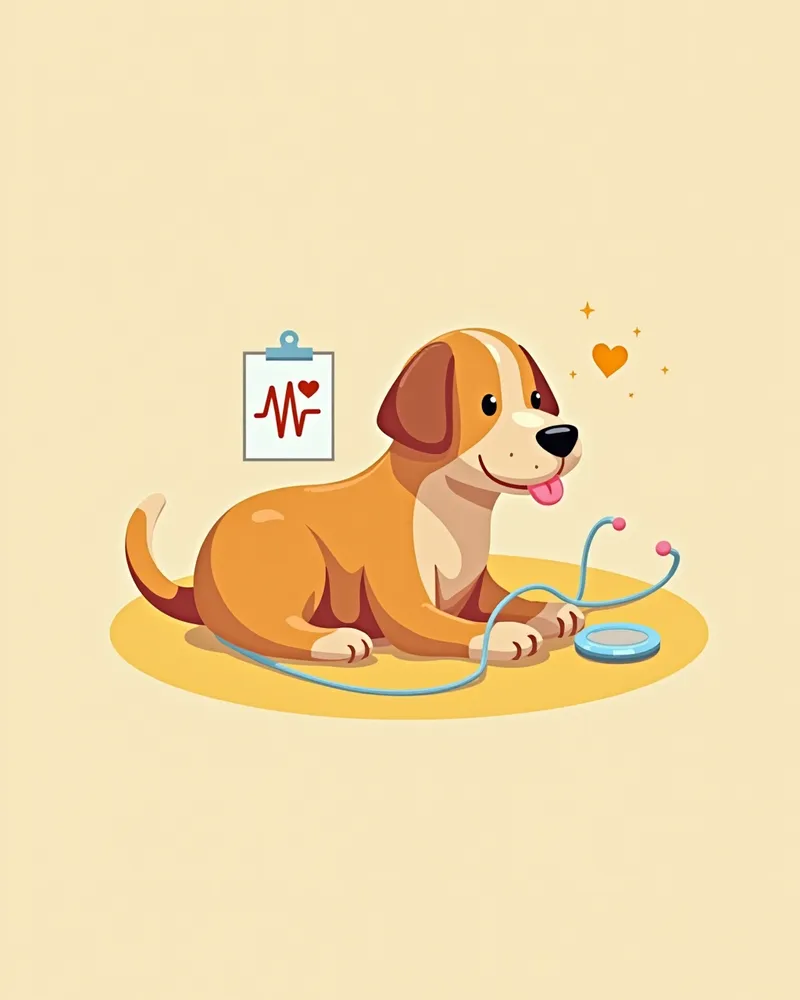
The most common cause of cataracts in dogs is genetic predisposition. Veterinary textbooks state that cataracts most frequently arise from genetic factors. Aging can also be a cause; as dogs get older, lens fibers become densely compressed, which may lead to nuclear sclerosis (note that nuclear sclerosis itself is distinct from cataracts). Dogs with diabetes can develop diabetic cataracts, which cause clouding of the lens. Other potential causes include trauma, lens inflammation, nutritional deficiencies (such as from the use of artificial milk), retinal atrophy, and radiation exposure. Among medications, long-term use of the antifungal drug ketoconazole is known to be associated with cataract formation. Because multiple factors can interact, careful observation by pet owners is essential. - Genetic predisposition: This is the most common cause of cataracts, with breed-related hereditary cataracts being well documented. - Aging: As dogs age, compression of lens fibers can cause clouding. - Diabetes: Dogs with diabetes may develop diabetic cataracts. - Trauma, inflammation, and nutrition: Eye injuries, lens inflammation, and nutritional deficiencies can also cause cataracts. - Medication use: Long-term use of the antifungal drug ketoconazole may be associated with the development of cataracts.
A dog with diabetes and cataracts, along with hospital records

What Are the Main Symptoms of Cataracts?
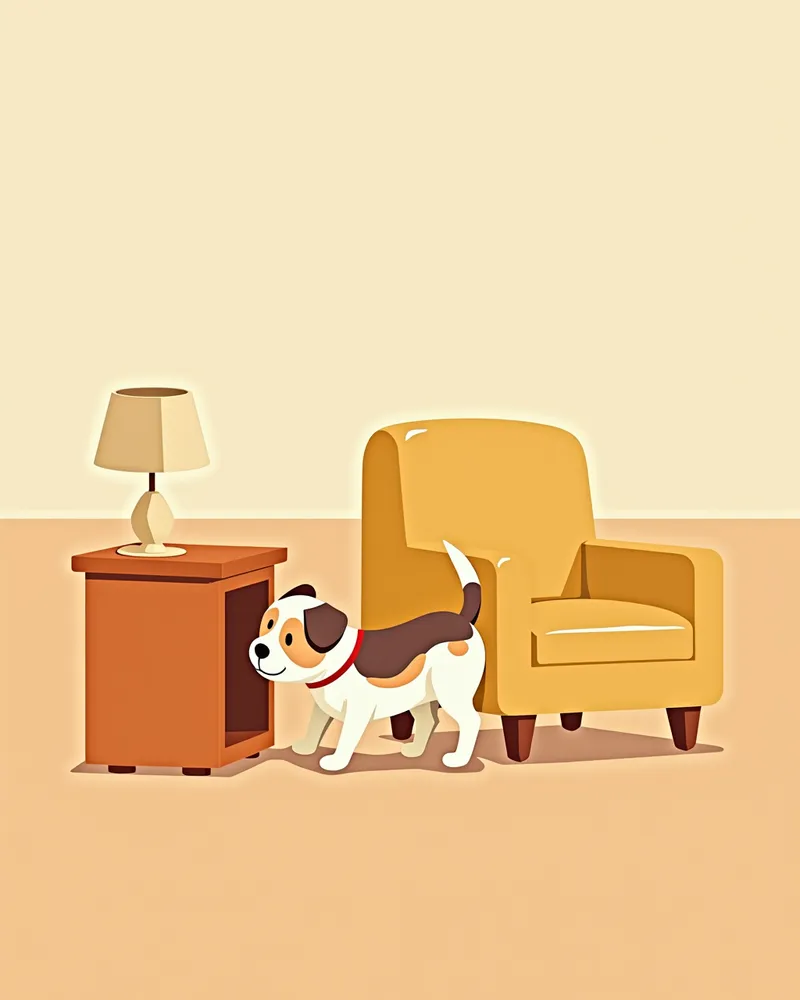
The most common sign of cataracts in dogs is a cloudy, milky appearance of the eye due to lens opacity. When owners report that their dog’s eyes look “hazy,” it is often caused by this lens clouding. As cataracts progress, vision declines, leading to increased collisions with objects or walls in dark or unfamiliar environments. However, symptoms such as redness, pain, frequent squinting, or eye rubbing may indicate complications like uveitis secondary to lens issues, rather than cataracts alone, so careful attention is needed. If you notice these changes, early veterinary examination is essential to determine the exact cause. - Lens Opacity: The most characteristic sign is a cloudy, milky appearance of the eye. - Vision Loss: Dogs may frequently bump into objects in unfamiliar or dimly lit environments. - Behavioral Changes: Reduced activity levels or disorientation may become apparent. - Signs of Complications: Eye redness, pain, or squinting may suggest complications such as uveitis. - Early Examination: If any of these signs are observed, diagnostic testing is necessary to identify the underlying cause.
A puppy bumping into furniture in the dark, with its owner looking worried.

When to Seek Immediate Veterinary Care

If your dog suddenly loses vision, or if their eyes become red, swollen, and painful, seek veterinary care immediately. These symptoms may indicate serious conditions such as endophthalmitis or glaucoma, in addition to cataracts. Early diagnosis and treatment are key to restoring vision.

How Are Cataracts Diagnosed?
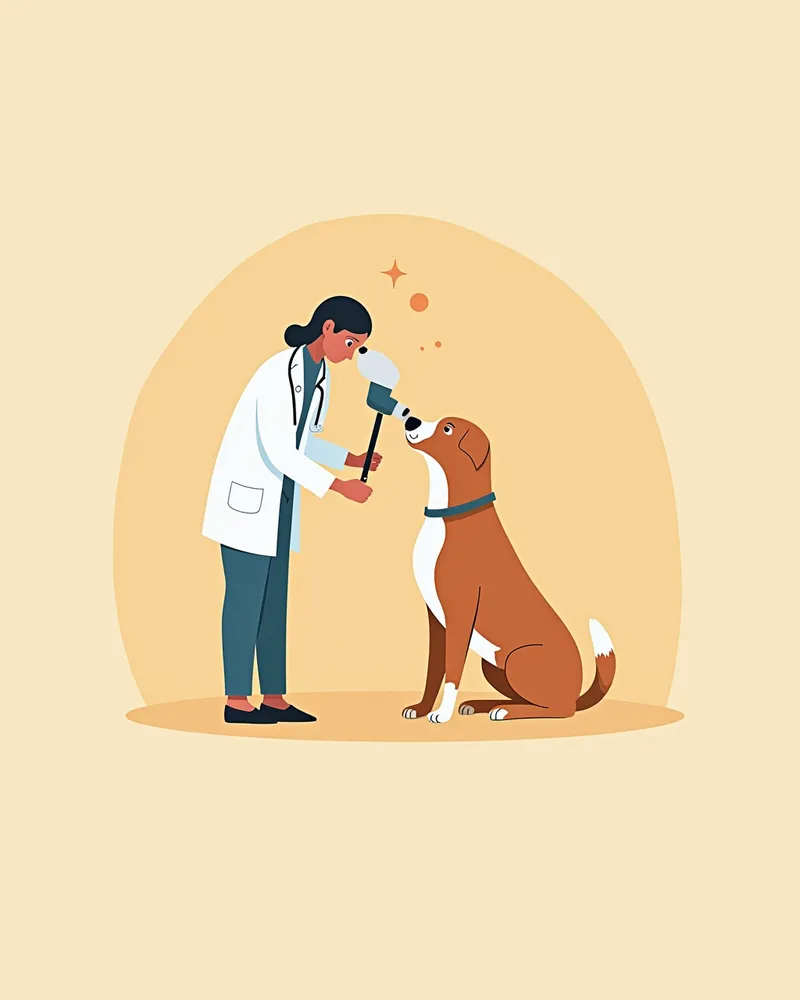
Diagnosing cataracts requires a thorough ophthalmic examination. After instilling mydriatic eye drops to dilate the pupils, we directly assess the lens’s transparency and the location and severity of opacification using an ophthalmoscope or slit lamp. Pupil dilation is essential for examining the lens equator, monitoring cataract progression, and observing the retina surrounding the cataract. It is also important to differentiate cataracts from nuclear sclerosis, an age-related condition that typically does not cause significant vision loss. If needed, blood tests are performed to check for diabetes. When lens opacification obscures the fundus view, ultrasound is used to evaluate the internal structures of the eye. We combine the results of these various tests to make an accurate diagnosis and develop a treatment plan. - Post-dilation ophthalmic examination: The key diagnostic step, involving direct observation of lens opacification with an ophthalmoscope or slit lamp. - Differentiation from nuclear sclerosis: Distinguishing cataracts from age-related nuclear sclerosis. - Blood tests: Checking for diabetes to identify underlying causes. - Ultrasound examination: Evaluating the interior of the eye when lens opacification prevents visualization of the fundus. - Comprehensive diagnosis: Integrating results from multiple tests to reach an accurate diagnosis.
A veterinarian using a retinal scanner on a puppy's eye

What Are the Treatment Options for Cataracts?

Surgery is the most effective treatment for cataracts. By removing the clouded lens and implanting an artificial one, vision can be restored. The procedure is performed by a specialized veterinarian, and careful pre- and post-operative care is essential. Non-surgical options, such as medication, can only alleviate symptoms and have limited ability to restore vision. Surgery is successful in most cases and significantly improves your pet’s quality of life. The decision to proceed with surgery should be made in consultation with your veterinarian. - Surgical Treatment: Vision can be restored by removing the natural lens and implanting an artificial one. - Surgical Success Rate: When performed by a specialized veterinarian, surgery is successful in most cases. - Non-Surgical Treatment: Medication can only relieve symptoms; restoring vision is difficult. - Pre- and Post-Operative Care: Administering antibiotics and anti-inflammatory medications, along with restricting activity, is essential. - Improved Quality of Life: Restored vision greatly enhances your dog’s daily activities and overall well-being.
A dog recovering from cataract surgery, with a bandage on its eye and a calm expression.

How to Manage Care After Cataract Surgery?

After surgery, it’s important to consistently administer antibiotics and anti-inflammatory medications. To prevent behaviors that could strain the eyes, such as scratching or jumping, use a leash or muzzle. For 1 to 2 weeks post-surgery, limit outdoor activities and schedule regular veterinary check-ups to monitor recovery. Be careful not to let the pet close its eyes, and ensure no medication doses are missed. Proper care is key to surgical success, so follow these guidelines diligently. - Medication: Administer antibiotics and anti-inflammatory drugs at the correct times. - Behavioral Restrictions: Use a leash or muzzle to prevent eye scratching or jumping. - Limit Outdoor Activities: Minimize outings for 1 to 2 weeks after surgery. - Regular Check-ups: Visit the vet regularly to monitor recovery progress. - Eye Protection: Prevent the pet from closing its eyes and avoid any irritation.
A dog wearing a collar after cataract surgery, being gently petted by its owner.

Comparing Cataract Treatments: Surgery vs. Non-Surgical

ItemSurgical TreatmentNon-surgical Treatment
EffectivenessHigh (vision restoration possible)Low (symptom relief only)
CostHigh ($400 to $700)Low (about $70 to $200)
Recovery period2–4 weeksOngoing management required
SuitabilityHealthy dog, surgery possibleSevere illness present, surgery not possible

Surgery is the most effective for restoring vision, but the cost and recovery period are long. Non-surgical treatment only relieves symptoms.

Reviewed by a veterinarian

Dr. Tony — Punnawat Phongkittirak

Dr. Tony — Punnawat Phongkittirak

Veterinarian

A veterinarian who majored in veterinary medicine at Khon Kaen University, Thailand, and completed the IVSA program at North Carolina State University in the United States. Drawing on clinical experience at animal hospitals, he works in the pet healthcare field and is dedicated to building a digital care environment that connects pet parents with veterinarians.

Frequently Asked Questions

Can cataracts be cured?
Surgery (phacoemulsification) can restore vision by removing the clouded lens and implanting an artificial one. However, success rates vary depending on the stage of cataracts, with mature and hypermature cataracts having a somewhat lower long-term success rate (approximately 85–90%) compared to immature cataracts.
Is surgery always necessary when cataracts develop?
Surgery is recommended to restore vision, but if symptoms are mild or surgical risks are high, non-surgical (medical) management may also be an option. Please consult with your veterinarian to determine the best course of action.
Is cataract hereditary?
Cataracts most commonly develop due to genetic factors, and hereditary (breed-related) cataracts are well-documented in certain breeds. If there’s a family history, consider the risk of genetic disease when breeding, and selective breeding can help reduce the incidence. Consulting with a veterinary ophthalmologist before adoption can be helpful.
Can cataracts recur after surgery?
Recurrence after surgery is rare, but in some cases, a condition called "posterior capsule opacification" can occur, where the posterior lens capsule becomes cloudy. This can be detected during regular check-ups and managed with additional treatment if necessary.
Is it possible to prevent cataracts?
While complete prevention is difficult, early detection and monitoring of disease progression are possible through diabetes management, injury prevention, and regular check-ups. Breeds with a genetic predisposition require particular attention.

Share

Related Guides

References

[1] BSAVA Manual of Canine and Feline Dermatology, 4th Ed (2017)

[2] Plumb's Veterinary Drug Handbook, 9th Ed (2021)

[3] American College of Veterinary Ophthalmologists (ACVO) Guidelines on Canine Cataracts (2020)

This information is based on veterinary literature and does not replace diagnosis or treatment. Please consult a veterinarian for specific health concerns.

Metapet Co., Ltd. | CEO: Park Sung-yong | Business Reg. No. 417-88-02562 | Seoul, South Korea | Customer Center

Canine Cataracts FAQ: Key Facts Every Owner Should Know | Meongsiljang