Like
Share
멍실장
수의 침 치료 (TCVM) 적응증

Indications for Veterinary Acupuncture (TCVM)

JointQ&AMeongsiljang Veterinary Advisory Board

Acupuncture for dogs is a complementary therapy proven effective for chronic pain conditions such as arthritis, disc disease, and neurological disorders. We’ve summarized the indications and expected benefits in terms that are easy for pet owners to understand.

When Is Acupuncture Recommended for Dogs?
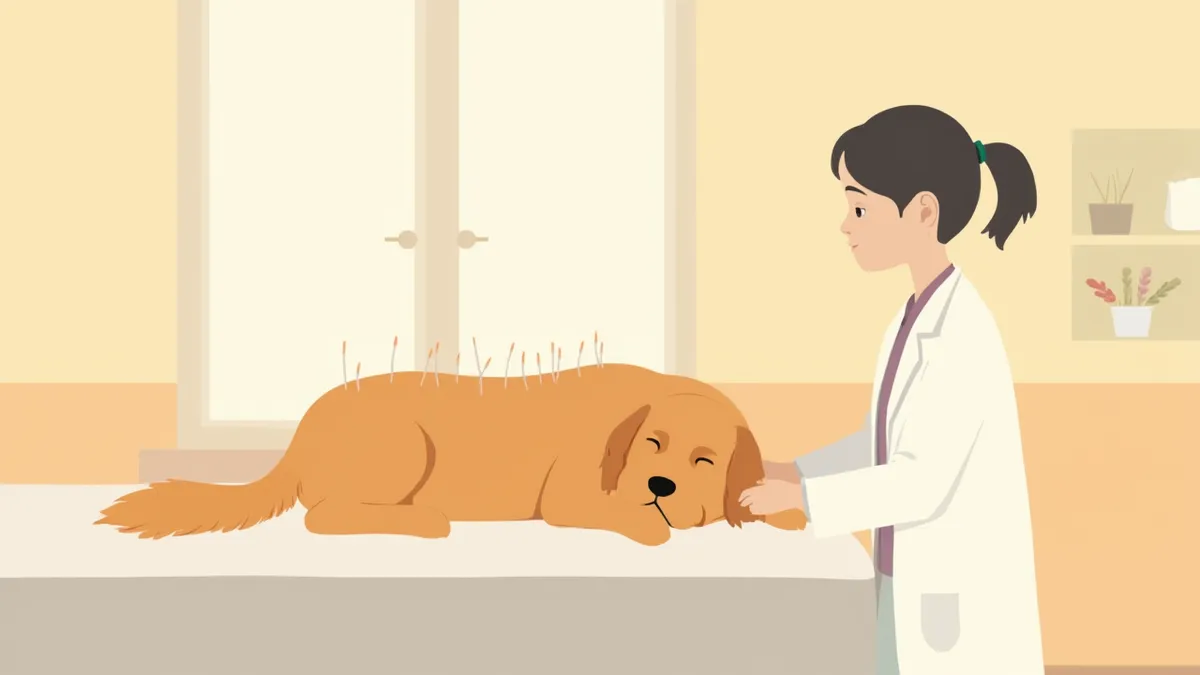
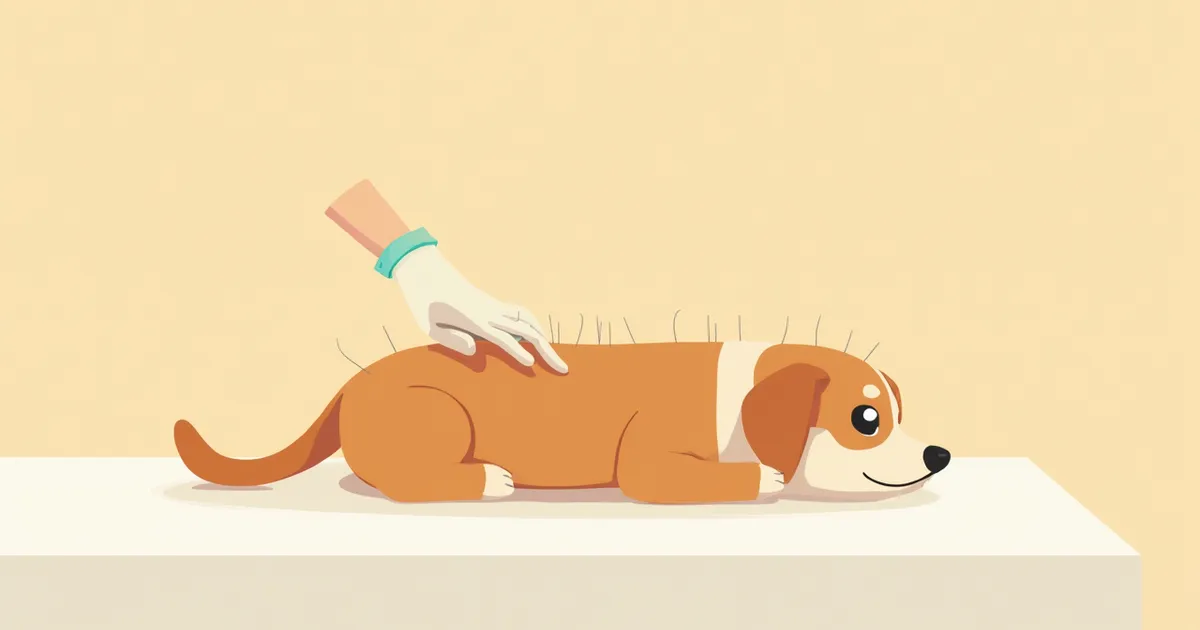
A dog comfortably lying down while receiving acupuncture treatment
Acupuncture for dogs, based on Traditional Chinese Veterinary Medicine (TCVM), is a complementary therapy that combines traditional Chinese veterinary principles with modern pain management theories by inserting fine needles into specific acupoints. The key point to remember is that it is "complementary." It is not a replacement for medication or surgery, but rather a supportive treatment used to enhance the management of chronic pain, promote nerve recovery, and accelerate rehabilitation. Common conditions that benefit from this therapy include arthritis, intervertebral disc disease, nerve paralysis, and post-surgical recovery.

How Veterinary Acupuncture Works

Modern medicine explains acupuncture’s analgesic effect as being mediated through the nervous system. In particular, low-frequency electroacupuncture is known to stimulate A-delta nerve fibers, triggering the release of endogenous pain-relieving substances such as beta-endorphin, enkephalin, and orphanin. Veterinary pharmacology and anesthesia textbooks also confirm that electroacupuncture reduces the minimum alveolar concentration (MAC) of inhalant anesthetics. This means it is a complementary therapy supported by growing neurophysiological evidence, not merely a placebo effect. However, because the magnitude and duration of the effect vary significantly among individuals, it is difficult to claim that all pets will respond in the same way.

Checklist of Conditions Where Acupuncture Is Particularly Helpful
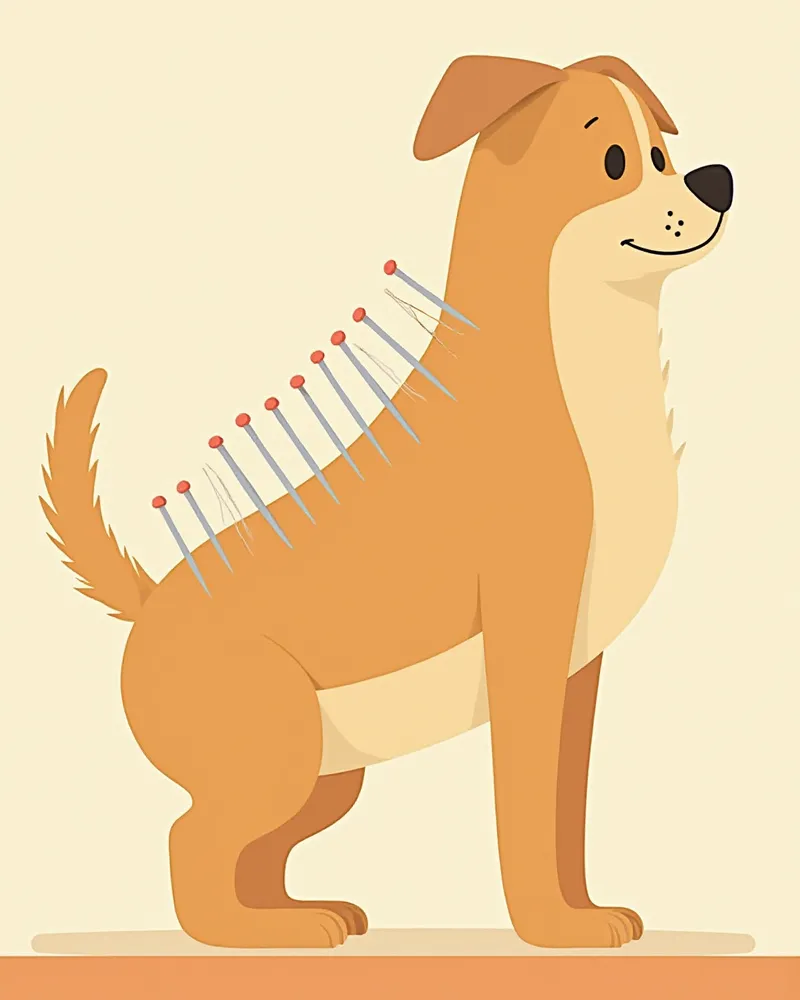
If your pet is experiencing any of the following conditions, it may be worth discussing the combination of veterinary acupuncture with your veterinarian: - Degenerative joint disease: When chronic pain in the knees, hips, or elbows leads to a slower gait - Intervertebral disc disease (IVDD): During recovery from back pain, hindlimb weakness, or mild paralysis - Neurological disorders or injuries: As an adjunct to support sensory and motor recovery in conditions such as spinal cord injury or trauma - Post-surgical pain: For supplementary pain relief immediately after procedures such as TPLO, spinal surgery, or ovariohysterectomy - Chronic musculoskeletal pain: To address generalized stiffness in older large-breed dogs - Adjunct to rehabilitation: Used in conjunction with other rehabilitative therapies, such as physical therapy
Close-up of a puppy receiving acupuncture treatment on its lower back and hips.

Expected Benefits of Acupuncture by Condition at a Glance

ItemArthritisDisc disease (IVDD)Nerve paralysis
Main effectAids pain reductionAids recovery of motor functionAids rehabilitation of sensory/motor nerves
Recommended frequencyConducted as a series after veterinary assessmentStarted more frequently at first and adjusted based on responseA long-term series may be needed
Concurrent treatmentJoint supplements/weight managementSurgery/medication/rehabilitationPhysical therapy/medication
Expected timelineIndividual variation is large, so a veterinarian assessesThe veterinarian judges based on the responseLong-term observation is needed

Individual variation is large, and there is no fixed standard number of sessions or timeline, so it may vary depending on the veterinarian's assessment.

When to Avoid or Exercise Caution with Acupuncture

In the following situations, you must consult your primary veterinarian before starting acupuncture treatment: direct stimulation of tumor sites, severe bleeding disorders or coagulation defects, acute infections accompanied by high fever, certain acupoints during pregnancy, and severe heart disease that makes maintaining posture difficult. Additionally, the procedure should only be performed by a veterinarian who has received proper training to ensure safety.

It’s Not a One-Time Fix — Treatment Frequency and Duration

Acupuncture isn’t a one-time miracle cure. It’s typically administered as a series of sessions rather than a single treatment. There’s no fixed standard for the number of sessions or duration; your veterinarian will determine the frequency and length of treatment based on the specific condition and your pet’s response. For acute issues like disc disease or nerve damage, treatments often start more frequently in the early stages, with intervals gradually increased as improvement is observed. For chronic conditions like osteoarthritis, once symptoms stabilize, the focus often shifts to maintenance sessions spaced further apart. The duration of each session and the overall treatment timeline also vary depending on your pet’s individual condition, so it’s best to consult with your primary veterinarian to create a personalized plan.
A veterinarian checking the progress during a follow-up acupuncture session.

What Owners Should Do Before and After Acupuncture

- Check your pet’s condition the day before: Let us know in advance if you notice any unusual fever, diarrhea, or lethargy. - Meals: Keep meals light about 1–2 hours before the procedure. Fasting can lead to hypoglycemia, while overeating may make it difficult for your pet to maintain the required position. - Rest immediately after: Avoid vigorous walks and bathing for 12–24 hours post-procedure. - Monitor for reactions: Temporary fatigue or drowsiness may occur after the first 1–2 sessions; this is a normal response. - Keep records: Recording pain scores and filming your pet’s gait makes it easier to assess treatment effectiveness over time.

Signs That Treatment Needs Re-evaluation

If there is no improvement in pain scores or gait after 6–8 sessions, the diagnosis may need to be re-evaluated. Additionally, if symptoms worsen rapidly during treatment or new neurological signs such as paralysis, seizures, or difficulty breathing appear, acupuncture should be discontinued and advanced imaging (MRI or CT) should be prioritized. The veterinarian must reassess whether acupuncture is appropriate for the condition.

Synergy with Underwater Treadmill and Physical Therapy

Acupuncture is often more effective when used alongside rehabilitation therapy rather than as a standalone treatment. Both acupuncture and herbal therapy are considered complementary treatments, and in clinical practice, they are typically used as adjuncts to standard treatments such as medications, surgery, and physical therapy. By reducing pain through acupuncture, resistance during movement can decrease, making it easier to continue rehabilitation exercises. However, rather than declaring any single combination as "the best," it is ideal to work with your veterinarian to create an integrated rehabilitation plan tailored to your pet’s specific condition and diagnosis.
A dog undergoing rehabilitation exercises on an underwater treadmill

Reviewed by a veterinarian

Dr. Tony — Punnawat Phongkittirak

Dr. Tony — Punnawat Phongkittirak

Veterinarian

A veterinarian who majored in veterinary medicine at Khon Kaen University, Thailand, and completed the IVSA program at North Carolina State University in the United States. Drawing on clinical experience at animal hospitals, he works in the pet healthcare field and is dedicated to building a digital care environment that connects pet parents with veterinarians.

Frequently Asked Questions

Does acupuncture hurt dogs?
We use very fine filiform needles. Because the tips are so slender, most dogs accept them without much surprise. Sensitive pups may need one or two initial sessions to get used to the treatment.
Will the effects be noticeable right away?
The time it takes for results to appear varies from pet to pet. Rather than expecting a dramatic change after just one session, it’s best to monitor your pet’s response over multiple treatments. We recommend assessing the effectiveness together with your veterinarian after completing an adequate number of sessions.
What makes electroacupuncture different?
This method enhances the stimulation by applying a microcurrent to the acupuncture needles. The current delivers a stronger and more sustained stimulus through the needles, making it useful for neurological conditions and chronic pain. However, because it involves electrical current, if your pet has a history of heart disease or seizures, please consult with your veterinarian before deciding to proceed.
Is it covered by insurance?
Coverage varies by pet insurance provider and plan. Check your policy’s terms to see whether “rehabilitation therapy” or “complementary therapy” is included.
Can my pet receive acupuncture while taking medication?
In most cases, it can be used alongside existing medications, but it’s safest to consult your veterinarian if your pet is currently taking any drugs. This is especially important if your pet is on anticoagulants, as the risk of bleeding needs to be carefully assessed.

Share

Related Guides

References

[1] Small Animal Anesthesia and Pain Management: A Color Handbook, 3rd Edition — Chapter 30 Acupuncture and Rehabilitation

[2] Roynard P, Frank L, Xie H, Fowler M (2018) Acupuncture for small animal neurologic disorders. Vet Clin North Am Small Anim Pract

[3] Miscioscia E, Repac J (2022) Evidence-based complementary and alternative canine orthopedic medicine. Vet Clin North Am 52:925–38

[4] The Dog Care Handbook — Things I Wish My Vet Had Told Me

This information is based on veterinary literature and does not replace diagnosis or treatment. Please consult a veterinarian for specific health concerns.

Metapet Co., Ltd. | CEO: Park Sung-yong | Business Reg. No. 417-88-02562 | Seoul, South Korea | Customer Center

Veterinary Acupuncture (TCVM): Indications for Dogs | Meongsiljang