

Guide to Choosing Dog Food for Tear Stains
If your dog has severe tear stains, start by checking their food ingredients. We’ve compiled veterinary-backed guidance on how to choose tear-stain-reducing dog food, compare key ingredients, and manage tear stains effectively.
Can Dog Food Reduce Tear Stains?

Understanding the Causes of Tear Stains
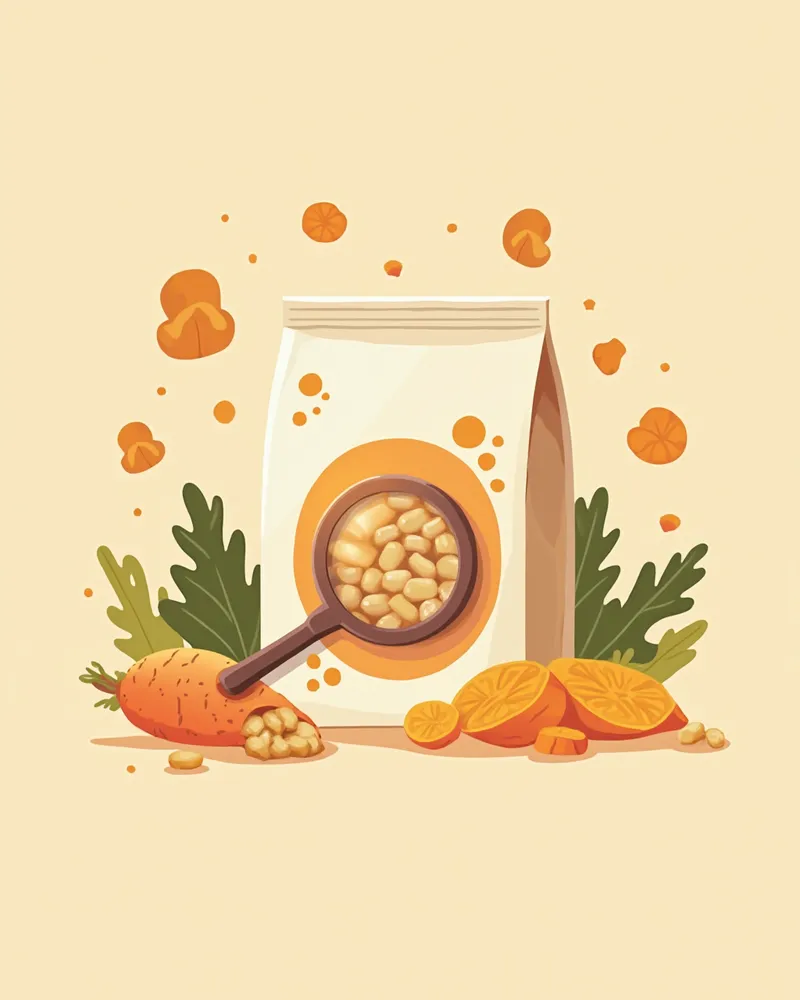
Ingredients That Cause Tear Stains vs. Beneficial Ingredients
| Category | Ingredients to Avoid | Beneficial Ingredients |
|---|---|---|
| Protein | By-products, mixed protein sources | Single animal protein (salmon, duck, lamb) |
| Grains | Wheat, corn, soybeans | Sweet potato, potato, oats |
| Additives | Artificial colors, BHA, BHT | Natural preservatives (tocopherols, rosemary extract) |
| Functional Ingredients | — | Omega-3 fatty acids, probiotics |
4 Criteria for Choosing Dog Food for Tear Stains
Cases Where Diet Alone Is Not Enough
If there’s no improvement in tear staining even after allowing sufficient time for the diet change to take effect, it could indicate a structural issue such as a blocked nasolacrimal duct or an eyelid abnormality. In such cases, a veterinary examination is essential. If the tears appear yellowish or the discharge is thick and sticky, an infection may be present, making prompt veterinary care crucial.
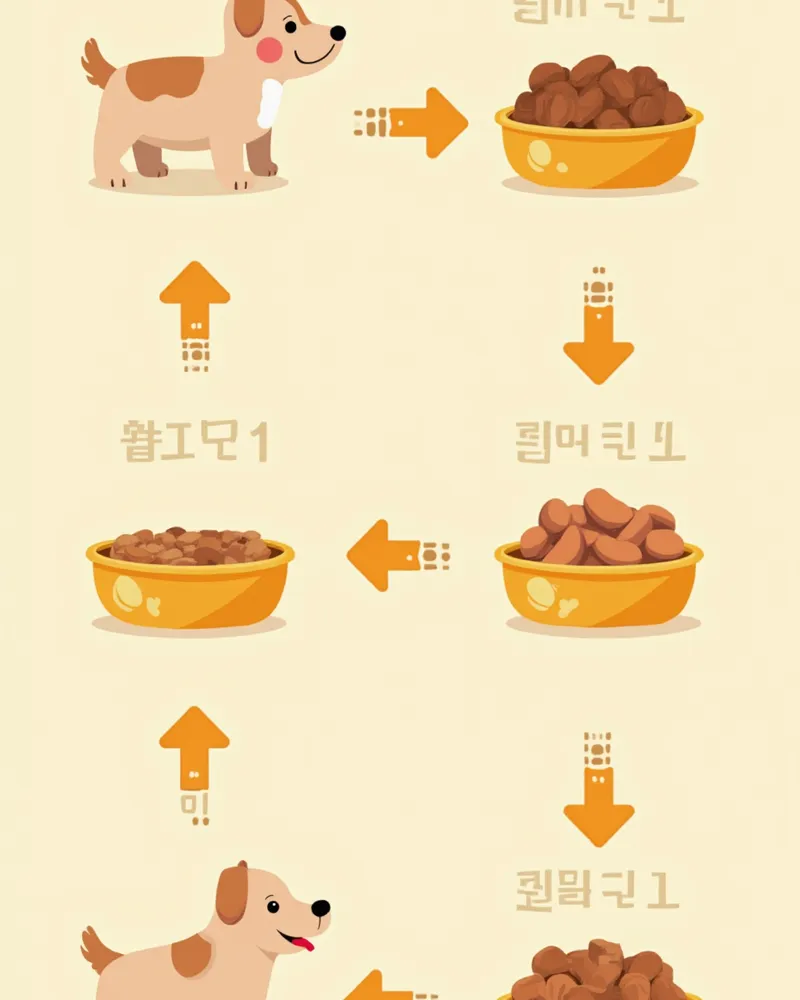
How to Transition to New Dog Food
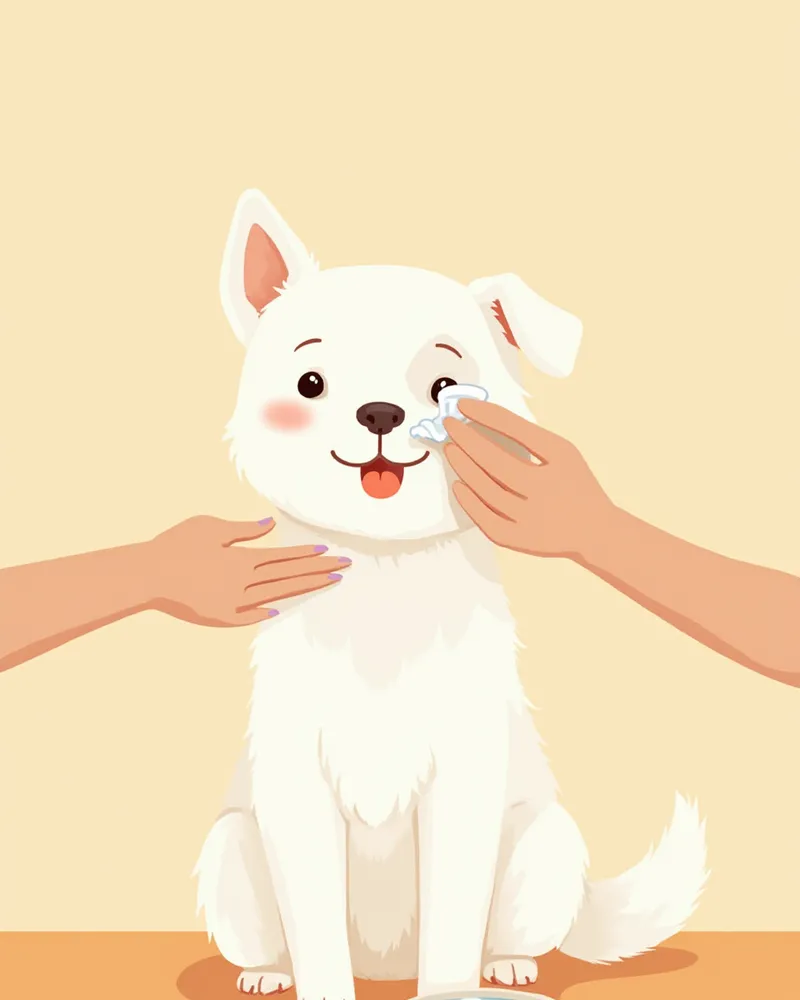
Care Tips to Use Alongside Diet
Do Not Use Tear Stain Removers Carelessly
Some tear-stain removers available on the market contain antibiotic ingredients (such as tylosin). Prolonged use without a veterinarian’s prescription can lead to antibiotic-resistant bacteria. Additionally, removers containing bleaching agents may irritate the skin around the eyes. Always consult your veterinarian before using any tear-stain remover.
Breeds Particularly Prone to Severe Tear Stains
Reviewed by a veterinarian

Dr. Tony — Punnawat Phongkittirak
VeterinarianA veterinarian who majored in veterinary medicine at Khon Kaen University, Thailand, and completed the IVSA program at North Carolina State University in the United States. Drawing on clinical experience at animal hospitals, he works in the pet healthcare field and is dedicated to building a digital care environment that connects pet parents with veterinarians.
Reviewed 2026-04-13
Frequently Asked Questions
Are grain-free diets always good for tear stains?
How quickly will tear stains decrease after changing your pet’s food?
Should I take my pet to the vet if its tear stains are brown?
Will giving filtered water instead of tap water make a difference?
Do supplements marketed for reducing tear stains in dogs actually work?
Share
Related Guides

Top 5 Dog Tear Supplements Recommended for 2026

What is Lutein? Effects on Dog Eye Health

The Best Canine Uveitis Management Products and Selection Criteria: A Comprehensive Guide

Elevated Liver Enzymes (ALT/ALP) in Cats: Causes and Necessary Tests

When Common Drugs and Toxins Damage a Cat’s Liver — Warning Signs of Liver Injury and When to Act

If Your Cat Has Jaundice — Key Q&A on the Causes and Treatment of Cholangiohepatitis

If Your Cat’s Belly Is Distended — Ascites and Liver Disease: Warning Signs You Must Not Miss

What is feline hepatic failure? — Emergency Q&A to not miss the golden time
What is urine specific gravity in dogs? — How to assess kidney function
Why Get a Kidney Ultrasound for Your Dog? — When to Test and What It Reveals
References
[1] Slatter's Fundamentals of Veterinary Ophthalmology, 6th Ed — Chapter 10: Lacrimal System (Epiphora & Tear Staining)
[2] Applied Veterinary Clinical Nutrition, 2nd Ed — Chapter 8: Commercial and Home-Prepared Diets
[3] Clinical Medicine of the Dog and Cat, 4th Ed — Chapter 18: Ophthalmology
[4] Small Animal Ophthalmology: A Problem-Oriented Approach, 4th Ed — Nasolacrimal System Disorders