
Dog Bladder Ultrasound Exam FAQ — Key Information Every Pet Owner Should Know
Ultrasound examinations of a dog’s bladder are non-invasive tests that precisely evaluate the bladder’s structure and function. We’ve compiled the key information every pet owner should know in a Q&A format.
What is a dog bladder ultrasound exam?
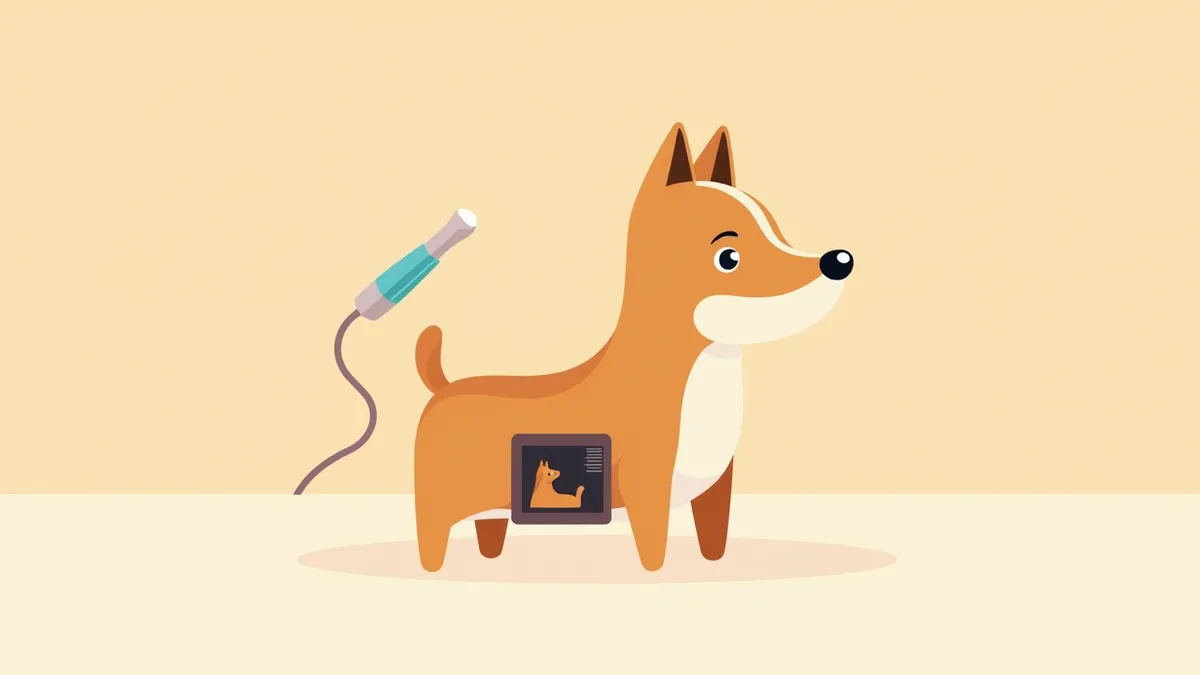
Why is a bladder ultrasound exam necessary?
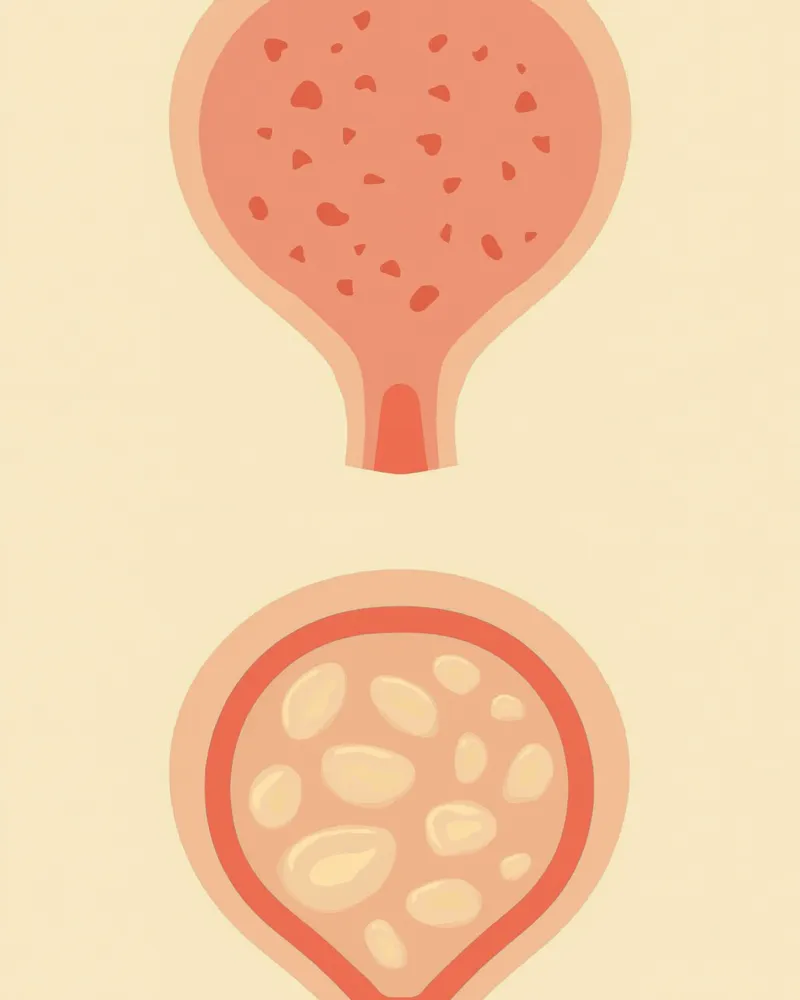
How to prepare for the exam?
What is the exam process like?
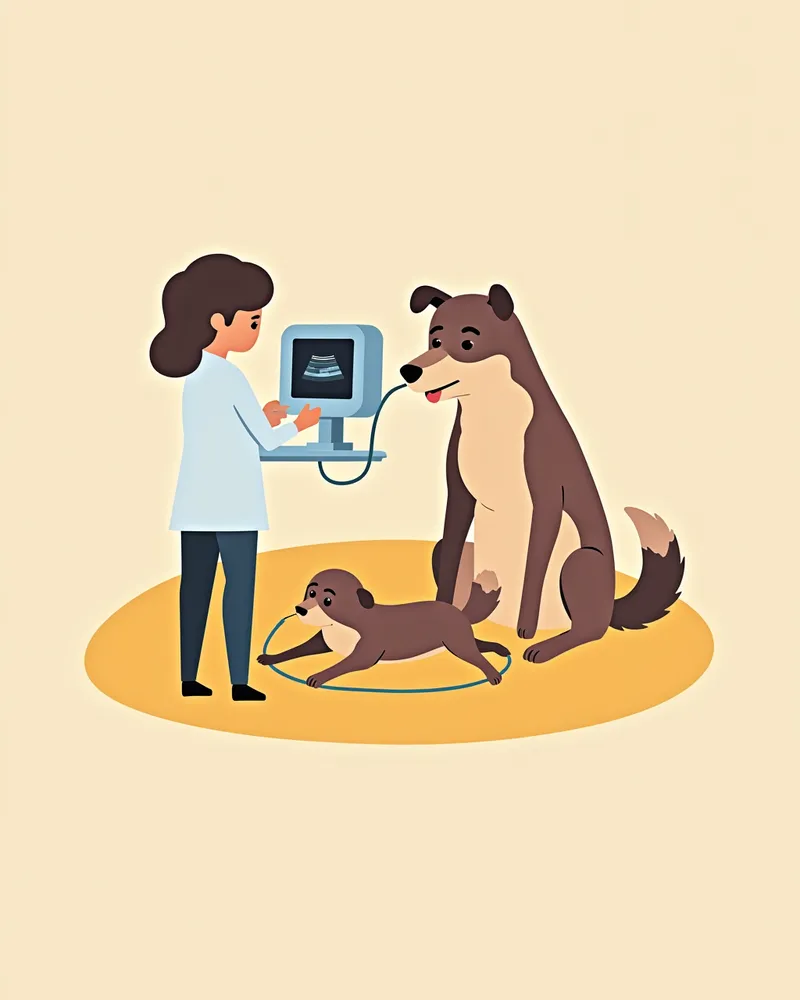
Bladder Ultrasound Exam vs. Routine Urinalysis Comparison
| Item | Bladder Ultrasound Examination | Routine Urinalysis |
|---|---|---|
| Purpose of Examination | Evaluation of bladder structure and function | Analysis of urine components |
| Examination Method | Non-invasive ultrasound imaging | Collection of a urine sample |
| Problems That Can Be Detected | Stones, tumors, changes in wall thickness | Infection, proteinuria, hematuria |
| Examination Duration | 10–20 minutes | 5–10 minutes |
The two examinations are complementary to each other. When a bladder problem is suspected, it is best to perform them together at the clinic.
How are the exam results interpreted?

Immediate Veterinary Visit Required in These Cases
If your dog tries to urinate but no urine comes out, or shows signs of pain while attempting to urinate, it may have a blocked bladder. This is a life-threatening emergency, so you should seek veterinary care immediately.
What are the post-exam precautions?
Reviewed by a veterinarian

Dr. Tony — Punnawat Phongkittirak
VeterinarianA veterinarian who majored in veterinary medicine at Khon Kaen University, Thailand, and completed the IVSA program at North Carolina State University in the United States. Drawing on clinical experience at animal hospitals, he works in the pet healthcare field and is dedicated to building a digital care environment that connects pet parents with veterinarians.
Reviewed 2026-06-29
Frequently Asked Questions
Does a bladder ultrasound cause pain?
Is fasting required before the test?
If the test results come back abnormal, does that always mean treatment is necessary?
Is a follow-up test needed?
What should I do if my dog is anxious during the examination?
Share
Related Guides

Top 5 Prescription Diets for Feline FLUTD — Comparison by Struvite and Calcium Oxalate Stones

Top 7 Prescription Diets for Feline Bladder and Urinary Tract Health Recommended by Veterinarians — Including Selection Criteria

Top 5 Cranberry Urinary Supplements for Dogs — Preventing Cystitis

10 Dangerous Houseplants Cats Frequently Chew — Including Pothos

What If Your Cat Eats Onions or Garlic? — Key Facts on Red Blood Cell Destruction and Anemia Risk

Are Lilies Dangerous for Cats? — 12 Toxic Flowers and Plants That Cause Kidney Failure

My Cat Licked a Lily — Kidney Failure Risk and the 12-Hour Golden Window

15 Indoor Plants That Are Deadly to Dogs and Risk Levels by Symptoms

Can dogs eat avocado? — Risk levels by part: flesh and pit

How Much Chocolate Is Dangerous for Dogs? — Lethal Doses by Weight and Emergency Response
References
[1] Textbook of Cardiovascular Medicine in Dogs and Cats, 2022
[2] Small Animal Critical Care Medicine, 3rd Ed, 2021
[3] Feline Emergency and Critical Care Medicine, 2nd Ed, 2020