Like
Share
멍실장
강아지 문맥 고혈압 자주 묻는 질문 Q&A — 보호자가 꼭 알아야 할 핵심

What Is Canine Portal Hypertension? — Why Does Ascites Occur and When Should You Visit the Vet?

Liver HealthQ&AMeongsiljang Veterinary Advisory Board

Canine portal hypertension is a serious health issue that requires accurate identification of the cause and early intervention. Here’s a summary of the key information every pet owner should know.

What Is Canine Portal Hypertension?
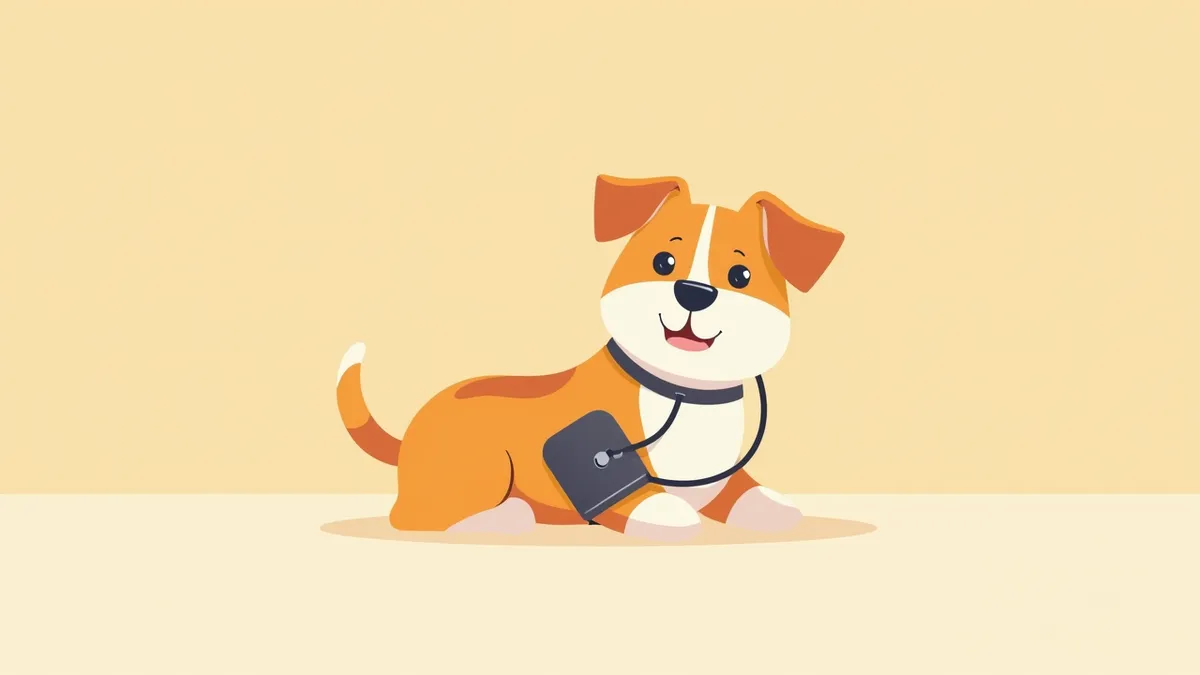
A puppy wearing a blood pressure cuff on its paw
Portal hypertension in dogs is not a condition of high systemic blood pressure, but rather an abnormally elevated pressure within the portal venous system, which carries blood from abdominal organs such as the stomach, intestines, and spleen to the liver. - Elevated Portal Pressure: Portal pressure is determined by portal blood flow and vascular resistance to that flow, with pressure typically rising as resistance increases. - Anatomical Classification: Based on the location of the pressure increase, it is classified as prehepatic (portal vein), intrahepatic (liver), or posthepatic (heart/vena cava). - Ascites and Shunts: Prolonged high pressure can lead to the accumulation of fluid in the abdominal cavity (ascites) and the development of acquired portosystemic shunts that bypass the liver. - Association with Liver Function: It is often closely associated with underlying liver diseases, such as chronic hepatitis or cirrhosis. - Importance of Early Detection: Because early signs are often subtle, regular check-ups and imaging studies are crucial for early detection and management.

What Are the Main Causes of Portal Hypertension?
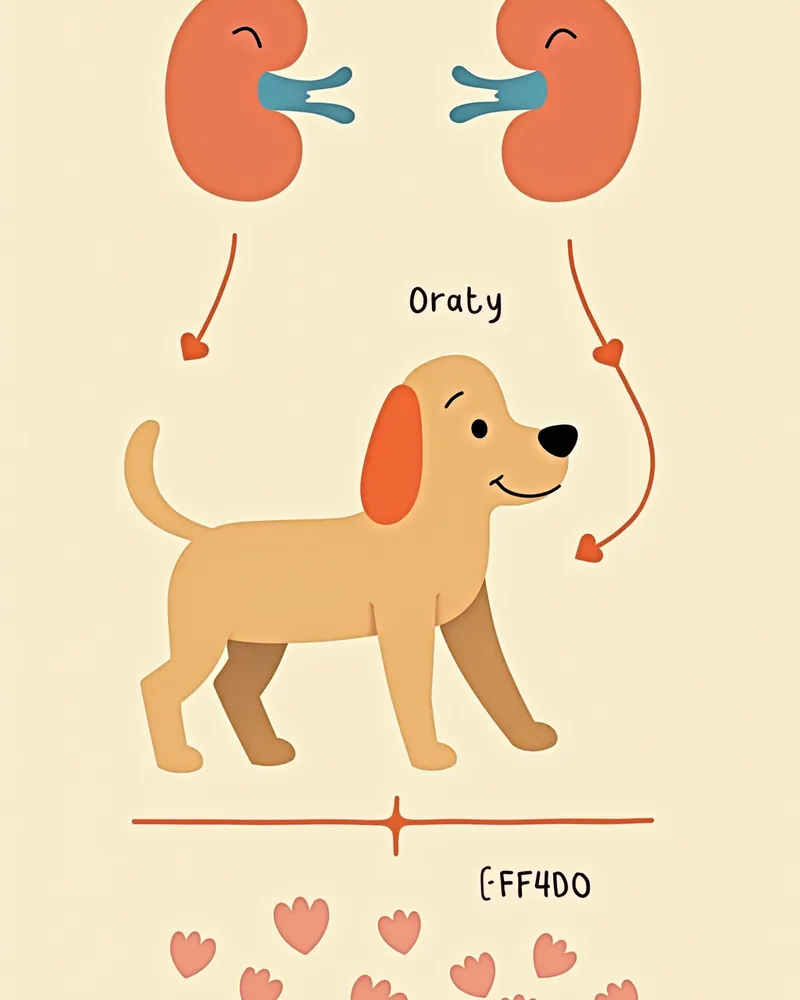
The causes of portal hypertension in dogs are classified into prehepatic, intrahepatic, and posthepatic types, depending on where the pressure increase occurs. - Prehepatic causes: Conditions such as portal vein thrombosis, congenital portal vein atresia, hepatic arterioportal arteriovenous fistula, and chronic cholangitis obstruct portal blood flow, leading to increased pressure. - Intrahepatic causes: When liver tissue undergoes fibrosis and forms regenerative nodules, as seen in chronic hepatitis or cirrhosis, resistance within the liver increases, raising portal pressure. - Posthepatic causes: Heart or vena cava issues, such as right-sided heart failure, cardiac tamponade, or constrictive pericarditis, obstruct blood flow and cause portal pressure to rise. - Hepatic fibrosis: In young dogs, non-cirrhotic portal hypertension can occur, where hepatic fibrosis progresses without inflammation. - Multiple factors: Because the causes are diverse, identifying the exact location and underlying cause is the first step toward effective treatment.
A diagram illustrating the link between canine kidney disease, hyperadrenocorticism, and high blood pressure.

What Are the Main Symptoms of Portal Hypertension?

Portal hypertension often shows few obvious signs in its early stages, but as it progresses, various symptoms related to declining liver function may appear. - Ascites (fluid accumulation in the abdomen): Increased portal pressure can cause fluid to leak into the abdominal cavity, making the belly appear distended. - Hepatic encephalopathy: When toxins such as ammonia bypass the liver and accumulate in the body, seizures, coma, or behavioral changes may occur. - Decreased activity and appetite: As liver function declines, pets may appear lethargic and eat less. - Changes associated with hypoalbuminemia: Low blood albumin levels and elevated liver enzymes may be accompanied by anemia or prolonged clotting times. - Acquired portosystemic shunts: Blood vessels that bypass the liver to reduce pressure may develop, complicating the clinical picture. Early detection is crucial for effective management.
Your dog appears to be dizzy.

Symptoms Requiring Immediate Veterinary Care

If your pet suddenly experiences seizures or coma, difficulty breathing due to severe abdominal distension, or signs of collapse and shock, seek immediate veterinary care. These symptoms may indicate hepatic encephalopathy, worsening ascites, or bleeding associated with portal hypertension. Early treatment is critical for survival, so it’s essential for pet owners to act quickly and decisively.

How Is Portal Hypertension Diagnosed?
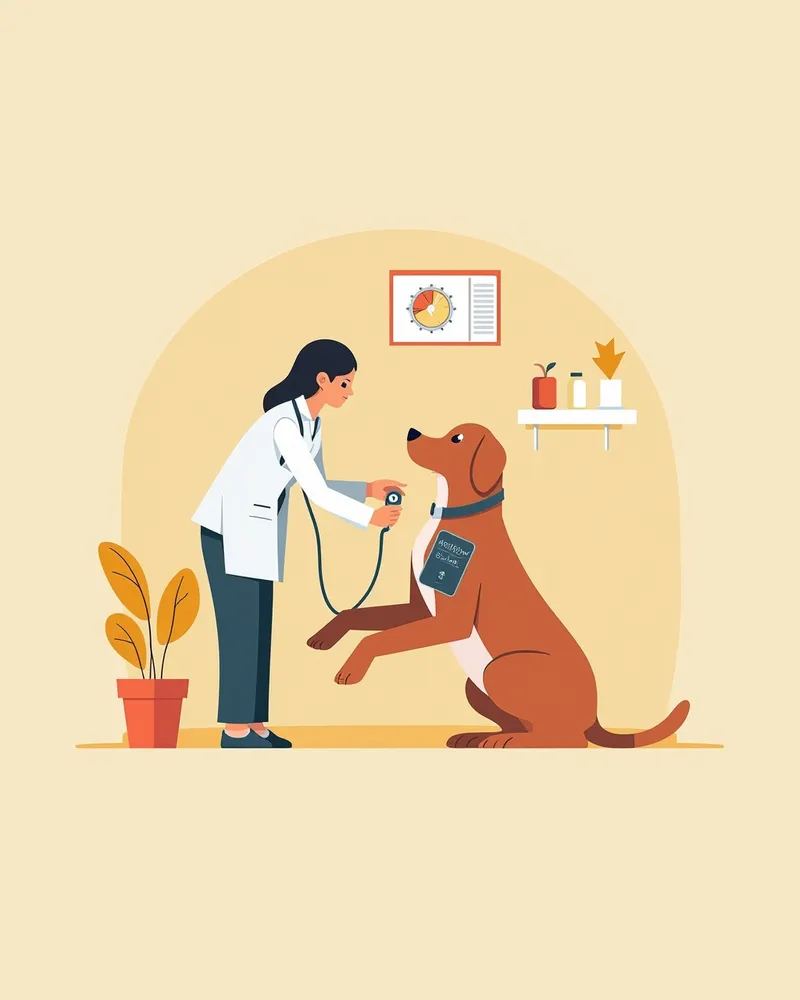
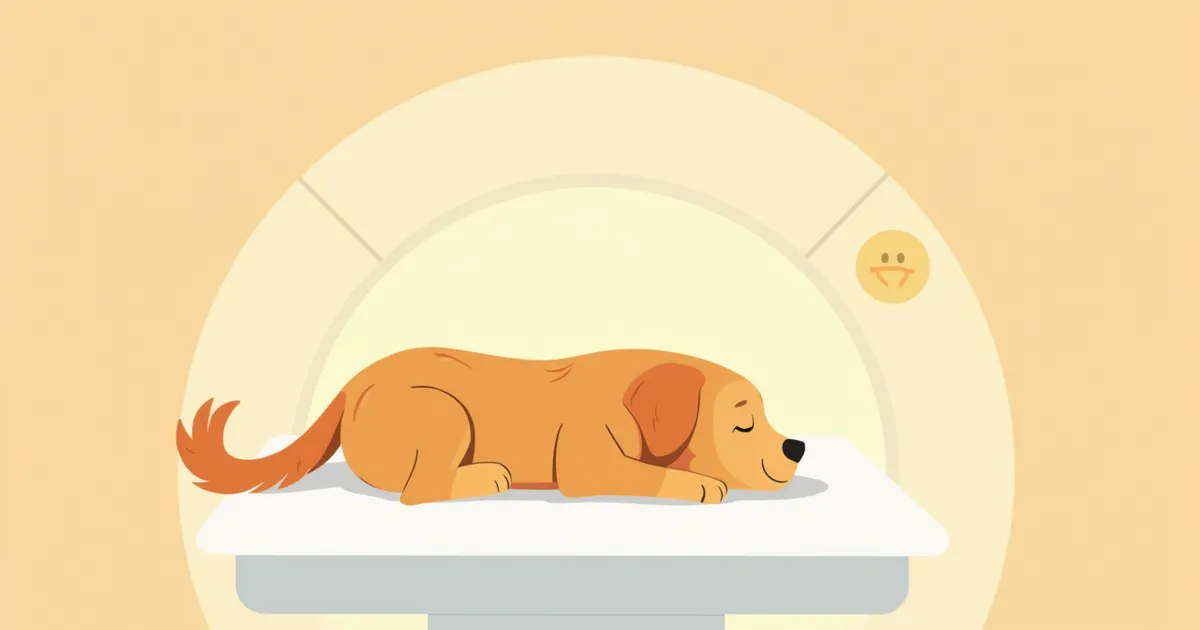
Port hypertension is diagnosed by combining physical examination and imaging results, with the most accurate criterion being the direct or indirect measurement of portal pressure. - Portal Pressure Measurement: Direct measurement or indirect measurement using a thoracic vena cava catheter is the gold standard diagnostic method. - Imaging Tests: Ultrasound can detect ascites, a shrunken liver (hepatic atrophy), increased liver echogenicity, and acquired portosystemic shunts. - Blood and Urine Tests: We also check for hypoalbuminemia, elevated liver enzymes, anemia, and prolonged clotting times. - Liver Biopsy: A liver biopsy may be necessary to confirm the cause, and a coagulation test must always be performed beforehand. - Cause Tracking and Monitoring: Once pressure is confirmed, additional tests to identify the location and cause, along with regular monitoring, are essential.
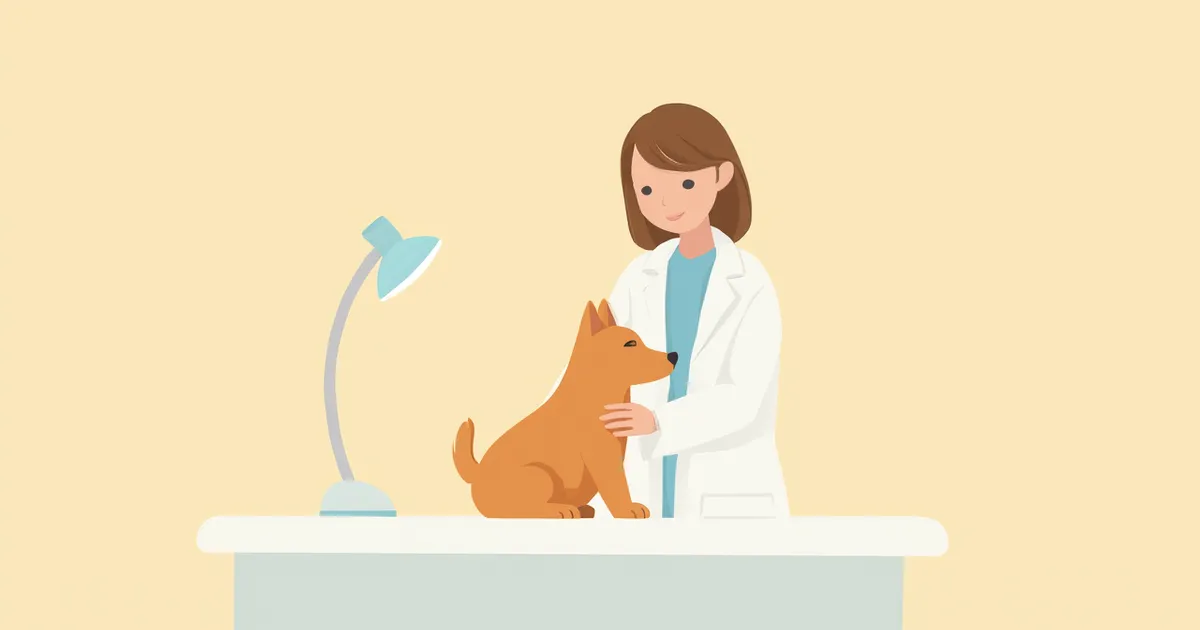
A veterinarian measuring a dog's blood pressure using a Doppler blood pressure monitor.

What Are the Treatment Options for Portal Hypertension?

Because treatment options for portal hypertension are limited, therapy focuses on managing the underlying cause and controlling complications. - Treat the underlying cause first: Address primary conditions such as chronic hepatitis or cirrhosis, combining dietary management with medical treatment. - Ascites management: If ascites is present, diuretics such as low-dose furosemide are used, with careful monitoring of daily weight and abdominal circumference to adjust therapy. - Limitations of medication: The efficacy of drugs like propranolol in dogs remains unclear based on experimental evidence, so veterinarians make cautious, case-specific decisions. - Managing hepatic encephalopathy: Dietary and pharmacological interventions that reduce ammonia levels help prevent neurological symptoms, while antioxidants may be used as supportive therapy. - Owner involvement is essential: Treatment is long-term, and consistent monitoring by the owner along with regular veterinary check-ups are crucial for maintaining quality of life.
A puppy receiving medication from a veterinarian

Stage-by-Stage Symptoms and Management of Portal Hypertension

ItemClassification (Anatomical Location)Main CausesCharacteristics and Management
PrehepaticPortal vein (before the liver)Portal vein thrombosis, congenital portal vein obstruction, arteriovenous fistula, chronic cholangitisLow-protein transudate/ascites, evaluation of the causative vessel
IntrahepaticThe liver itselfChronic hepatitis, cirrhosis (fibrosis/regenerative nodules), hepatic fibrosisAccompanied by decreased liver function, requires imaging and liver biopsy
PosthepaticHeart/vena cavaRight-sided heart failure, cardiac tamponade, constrictive pericarditisProtein-rich transudate, treatment of the underlying heart disease

Portal pressure is assessed by direct/indirect portal pressure measurement rather than Doppler systemic blood pressure, and accurate classification and diagnosis are determined by the veterinarian.

Caution: Drug Interactions

Medications for portal hypertension or liver disease can affect liver metabolism and cause side effects when taken with other drugs, such as steroids or antibiotics. Only use medications prescribed by your veterinarian, and always consult them before starting any new treatment. Self-prescribing is strictly prohibited.

Reviewed by a veterinarian

Dr. Tony — Punnawat Phongkittirak

Dr. Tony — Punnawat Phongkittirak

Veterinarian

A veterinarian who majored in veterinary medicine at Khon Kaen University, Thailand, and completed the IVSA program at North Carolina State University in the United States. Drawing on clinical experience at animal hospitals, he works in the pet healthcare field and is dedicated to building a digital care environment that connects pet parents with veterinarians.

Frequently Asked Questions

Is portal hypertension in dogs hereditary?
Certain causes, such as congenital portosystemic shunts, have a breed predisposition and are more commonly reported at a young age in small-breed dogs like Lhasa Apsos, Shih Tzus, Miniature Schnauzers, and Pugs. However, acquired causes, including chronic hepatitis, cirrhosis, and heart disease, account for a larger proportion of cases.
Can regular check-ups help detect portal hypertension early?
Yes, combining an abdominal ultrasound with blood tests during a routine checkup can help detect early signs such as ascites, liver changes, or hypoalbuminemia. For dogs with existing liver disease or suspected symptoms, early diagnosis through these detailed examinations is highly recommended.
Do I need to give my pet this medication for the rest of its life?
As long as the underlying disease persists, long-term management and medication may be necessary. However, because treatment options for portal hypertension are limited, care primarily focuses on managing complications such as ascites and hepatic encephalopathy, and it is essential to follow your veterinarian's guidance.
Can dietary management help alleviate portal hypertension?
Yes, a diet that supports liver health and helps manage ascites can be beneficial. If ascites is present, it’s important to control sodium intake, and if hepatic encephalopathy is a concern, protein levels may need to be adjusted. Following the dietary plan recommended by your veterinarian is key.
Can dogs with portal hypertension still maintain a good quality of life?
Yes, by addressing the underlying cause and consistently managing complications such as ascites and hepatic encephalopathy, many dogs can maintain a stable quality of life. Regular check-ups, adherence to prescribed medications, and proper dietary management are key.

Share

Related Guides

References

[1] Clinical Medicine of the Dog and Cat, 4th Ed, 2020

[2] Notes on Canine Internal Medicine, 4th Ed, 2019

[3] Textbook of Cardiovascular Medicine in Dogs and Cats, 2021

This information is based on veterinary literature and does not replace diagnosis or treatment. Please consult a veterinarian for specific health concerns.

Metapet Co., Ltd. | CEO: Park Sung-yong | Business Reg. No. 417-88-02562 | Seoul, South Korea | Customer Center

What Is Canine Portal Hypertension? Ascites & When to Act | Meongsiljang