Like
Share
멍실장
강아지 커피·카페인 먹었을 때 증상과 응급 대처 — 체중별 위험량과 병원 기준

Can Dogs Drink Coffee? — Caffeine Poisoning Symptoms and Weight-Based Dangerous Dosages

Emergency/ToxicityQ&AMeongsiljang Veterinary Advisory Board

If your dog consumes coffee, energy drinks, or caffeine pills, toxicity symptoms can begin at a dose of 20 mg per kilogram of body weight. We’ve outlined the dangerous dosage thresholds based on weight, the warning signs that require an immediate vet visit, and home care steps to take within the first four hours.

Dog Coffee and Caffeine Poisoning: Even a Sip Can Be Dangerous
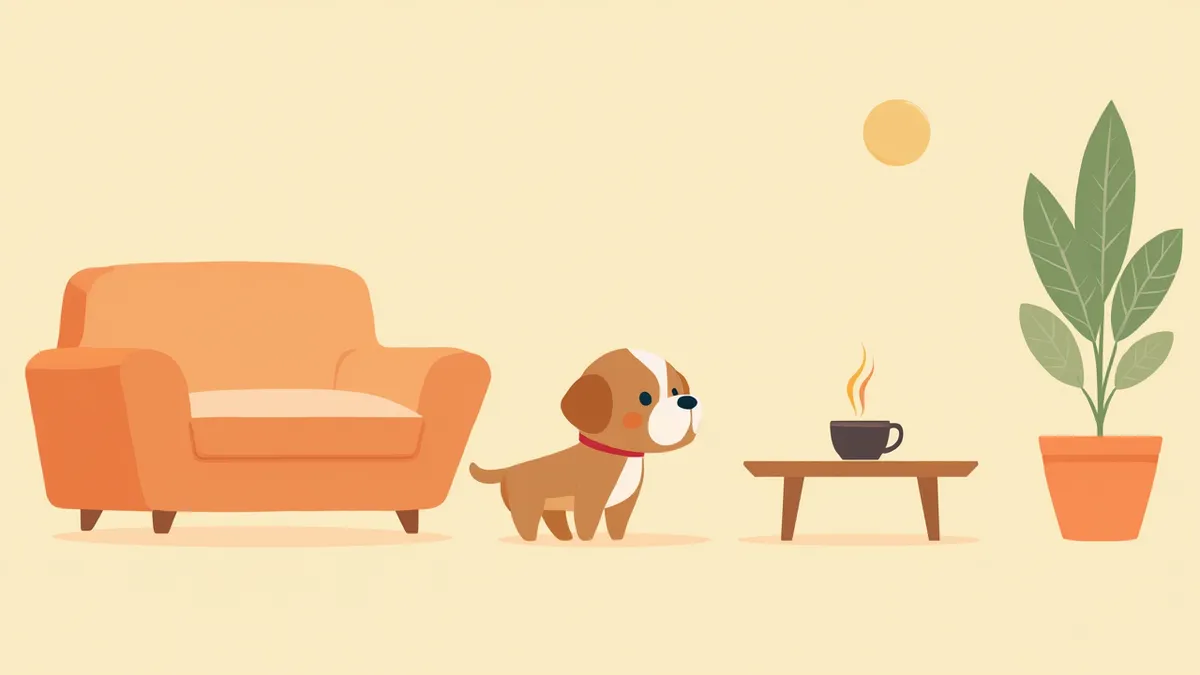
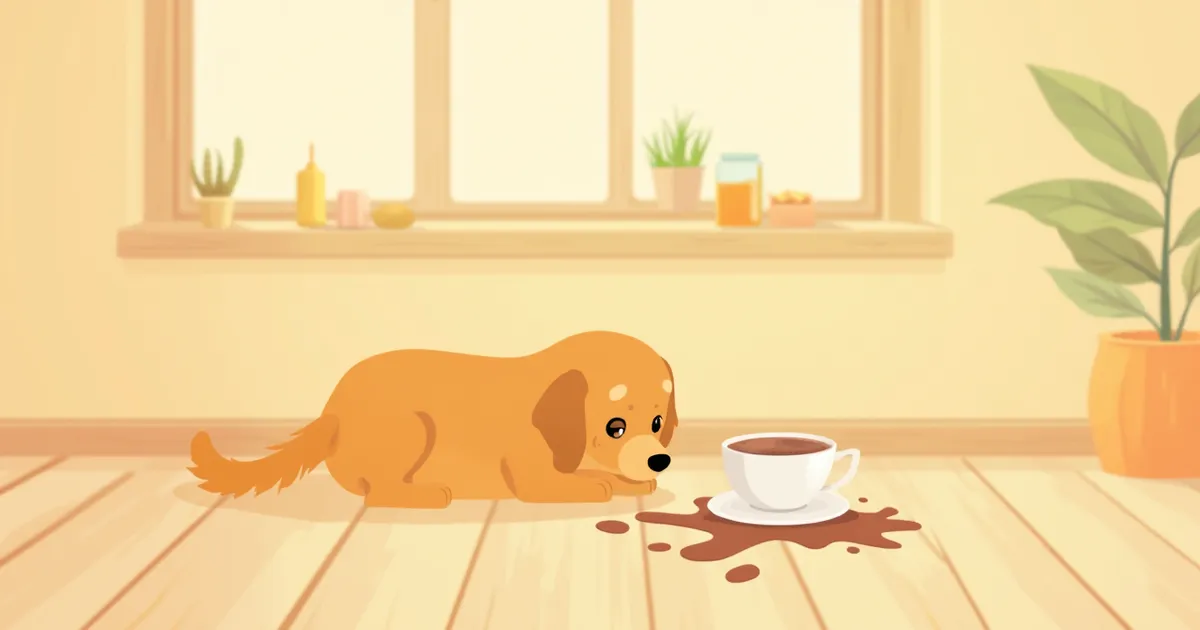
A curious puppy eyeing the coffee cup on the table
Caffeine poisoning in dogs is an acute condition caused by methylxanthine stimulants found in coffee, energy drinks, and caffeine pills, which overstimulate the dog’s heart and nervous system. According to veterinary textbooks, mild poisoning (excitement, vomiting, diarrhea) can occur at doses of 20 mg per kilogram of body weight, cardiovascular abnormalities (tachycardia, arrhythmia, hypertension) at 40 mg/kg, and seizures or coma at 60 mg/kg or higher. Therefore, risk should be assessed based on the amount consumed per kilogram of body weight (mg/kg). A single cup of instant coffee (approximately 60–90 mg) equates to roughly 12–18 mg/kg for a 5 kg dog, which is below the threshold for mild symptoms (20 mg/kg). However, smaller dogs or consumption of strong coffee or multiple cups can quickly reach dangerous levels. If you suspect your dog has ingested caffeine, do not wait; contact your veterinarian immediately and provide both your dog’s weight and the estimated amount consumed.

Why Is Caffeine Dangerous for Dogs?

Methylxanthines like caffeine take time to break down and be eliminated from a dog’s body, and their effects can be prolonged due to enterohepatic recirculation, where the substance is reabsorbed in the intestines. As a result, once absorbed, caffeine remains in the bloodstream for an extended period, which can lead to prolonged symptoms. Caffeine stimulates the central nervous system, increases heart rate, and raises blood pressure, potentially causing signs such as restlessness, tachycardia, and hypertension. Additionally, smaller dogs are at greater risk because the same amount of caffeine results in a higher exposure per kilogram of body weight (mg/kg), meaning even a small sip can trigger faster and more severe symptoms. Therefore, if ingestion is suspected, it is crucial to assess the risk based on the dog’s weight and the amount consumed.

Comparison of Caffeine Content in Common Products

ItemCaffeine per serving (mg)Risk for a 5kg dog
1 caffeine pillAbout 200mgAbout 40mg/kg · moderate (cardiovascular effects begin)
1 cup of instant coffee (about 150ml)30–90mgAbout 6–18mg/kg · below mild threshold (20mg/kg)
1 can of energy drink (250ml)80–160mgAbout 16–32mg/kg · below threshold to mild
1 can of cola (355ml)40–60mgAbout 8–12mg/kg · below mild threshold
1 tablespoon of ground coffeeAbout 60mgAbout 12mg/kg · below mild threshold
Guarana supplementVaries greatly by productVerification needed

Based on Blackwell's Five-Minute Veterinary Consult, Small Animal Toxicology 3rd Ed. Risk is judged by methylxanthine amount per kg of body weight (20mg/kg mild, 40mg/kg moderate, 60mg/kg severe). Even below the threshold, risk varies with body weight, individual variation, high concentration, or repeated intake, so consult a clinic if there is a relevant situation.

Poisoning Stages by Weight and Ingestion Amount — These Are the Key Thresholds
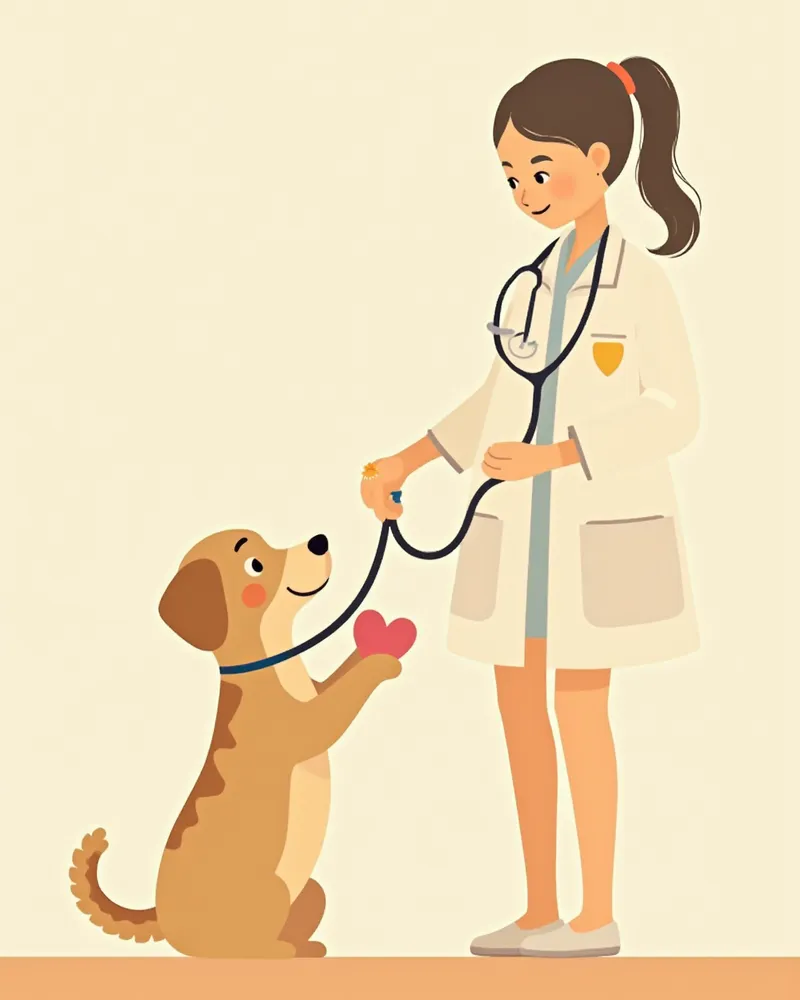
Veterinary textbooks divide methylxanthine exposure into three weight-based tiers. - 20 mg/kg or more: Excitation, vomiting, diarrhea, and increased thirst and urination begin. - 40 mg/kg or more: Cardiovascular issues such as rapid heart rate, arrhythmias, and high blood pressure are added. - 60 mg/kg or more: Symptoms can progress to muscle rigidity, staggering, tremors, seizures, and coma. If a 5 kg dog ingests one 200 mg caffeine tablet, that equals 40 mg per kg of body weight, placing it immediately in the moderate toxicity range. This single calculation is key to making an emergency assessment.
A veterinarian checking a dog’s heart rate at the animal hospital.

If You See These Signs, Go to an Emergency Veterinary Clinic Immediately

If you notice any of the following, do not wait—seek emergency veterinary care immediately: rapid and irregular heartbeat, whole-body tremors or rigidity, ataxia (staggering, uncoordinated gait), seizures or decreased level of consciousness, and high fever exceeding 39.5°C. Symptoms can begin within 30 minutes of ingestion, or may be delayed up to 12 hours depending on the amount consumed. If you suspect your pet has ingested caffeine, call your veterinarian right away, even if no symptoms are present.

The First 4 Hours Before the Vet Are Critical — Home Care Steps
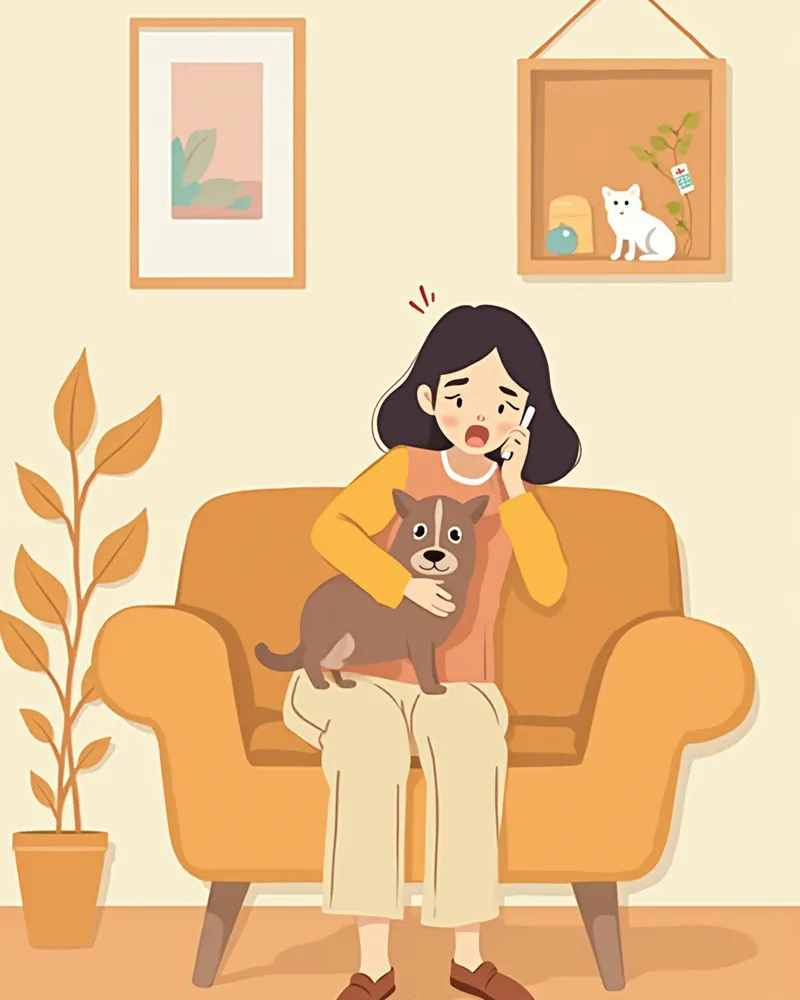
- Step 1: Gather the facts. Write down what your pet ingested (product name and brand), how much (in spoons, pills, or cans), and when (the exact time). If possible, take a photo of the packaging. - Step 2: Call your veterinary clinic. Provide your pet’s weight along with the details from Step 1 so the vet can immediately assess the level of risk. - Step 3: Transport your pet. Do not attempt to induce vomiting at home unless specifically instructed by your veterinarian, as improper methods can lead to aspiration pneumonia. - Step 4: Monitor closely. Continue to watch for any changes in breathing, consciousness, or tremors during transport.
A pet owner holding their dog while calling the veterinary clinic

How Is It Treated at the Veterinary Clinic?

According to veterinary textbooks, emergency treatment depends on the time elapsed since ingestion. If less than 4 hours have passed (or 6–8 hours in cases of large ingestion), the first step is to induce vomiting to remove any remaining caffeine from the stomach. Next, activated charcoal is administered multiple times to bind caffeine and prevent its reabsorption in the intestines. Medications for arrhythmias, sedatives, and anticonvulsants are used to manage tremors and seizures, while intravenous fluids are given to support kidney function and help eliminate caffeine from the body. In severe cases, hospitalization for 24–48 hours of monitoring is necessary.

Home Management Tips to Prevent Recurrence

- Proper disposal of coffee grounds and tea bags: Caffeine can become concentrated in leftover coffee grounds and used tea bags. Use a trash can with a secure lid to prevent your dog from rummaging through the garbage. - Safe storage of energy drinks and caffeine pills: Keep these items out of reach by storing them in closed drawers rather than leaving them on tables or in bags. - Garden precautions: Some garden mulches, such as cocoa bean hulls, contain methylxanthines. If your dog has a habit of picking up and eating things outdoors, consider using a muzzle or a shorter leash during walks.

Don’t Forget That Chocolate and Guarana Are in the Same Family

The methylxanthine family, often discussed alongside caffeine, includes theobromine in chocolate, guarana supplements, and certain diet aids. Dark chocolate and unsweetened baking chocolate, in particular, have much higher concentrations than caffeine. If your dog has ingested both coffee and chocolate, the combined effect of these substances can push them into the danger zone more quickly, so it’s crucial to provide accurate details about the amounts and types consumed.

Reviewed by a veterinarian

Dr. Tony — Punnawat Phongkittirak

Dr. Tony — Punnawat Phongkittirak

Veterinarian

A veterinarian who majored in veterinary medicine at Khon Kaen University, Thailand, and completed the IVSA program at North Carolina State University in the United States. Drawing on clinical experience at animal hospitals, he works in the pet healthcare field and is dedicated to building a digital care environment that connects pet parents with veterinarians.

Frequently Asked Questions

My dog just licked a sip of coffee. Do I need to take him to the vet?
It depends on your dog’s weight and the type of coffee. If a small dog under 5 kg has licked strong espresso or drip coffee, it’s safest to call your vet. If a larger dog has only had a sip of a weak latte, you can monitor for symptoms before deciding, but if you notice signs like restlessness or vomiting, seek veterinary care immediately.
Is decaffeinated coffee safe?
Even decaffeinated coffee isn’t completely caffeine-free. Small amounts of caffeine may still be present, and the milk, sugar, and flavorings can also burden your dog’s stomach. There’s no reason to intentionally give this beverage to your dog.
Can I sprinkle coffee grounds on the soil?
I don’t recommend using it in gardens where dogs can access. Coffee grounds still contain caffeine, and if dogs lick them up along with the soil, it can lead to cumulative exposure. Use coffee grounds only in areas fenced off from dogs or in spaces they cannot enter.
How long does it take for symptoms to appear?
Early symptoms such as restlessness and vomiting typically begin within 30 minutes, but depending on the amount and form ingested, they may not appear for up to 12 hours. Therefore, if there is any indication that your pet has consumed the substance, monitor them for at least 12 hours, even if no symptoms are present.
Is it not recommended to induce vomiting at home?
We don’t recommend it without a vet’s guidance. Improperly inducing vomiting can lead to aspiration pneumonia or esophageal damage, and it’s even more dangerous if your pet is already seizing or unconscious. The fastest, safest step is to call your vet and follow their instructions for getting there.

Share

Related Guides

References

[1] Blackwell's Five-Minute Veterinary Consult Clinical Companion, Small Animal Toxicology, 3rd Edition, Chapter 71 Chocolate and Caffeine

[2] Clinical Medicine of the Dog and Cat, 4th Ed — Methylxanthines (Chocolate, Tea, Coffee, Guarana)

This information is based on veterinary literature and does not replace diagnosis or treatment. Please consult a veterinarian for specific health concerns.

Metapet Co., Ltd. | CEO: Park Sung-yong | Business Reg. No. 417-88-02562 | Seoul, South Korea | Customer Center

Can Dogs Drink Coffee? Caffeine Poisoning Symptoms & Doses | Meongsiljang