Like
Share
멍실장
인지 기능 보조 사료 (노령)

Senior Dog Cognitive Support Diets: Are They Really Effective? — Ingredients and Selection Criteria

Brain & CognitionQ&AMeongsiljang Veterinary Advisory Board

Here’s a summary of the key ingredients, selection criteria, and feeding guidelines for cognitive-support diets designed to help slow cognitive decline in senior pets.

What Are Cognitive Support Diets?
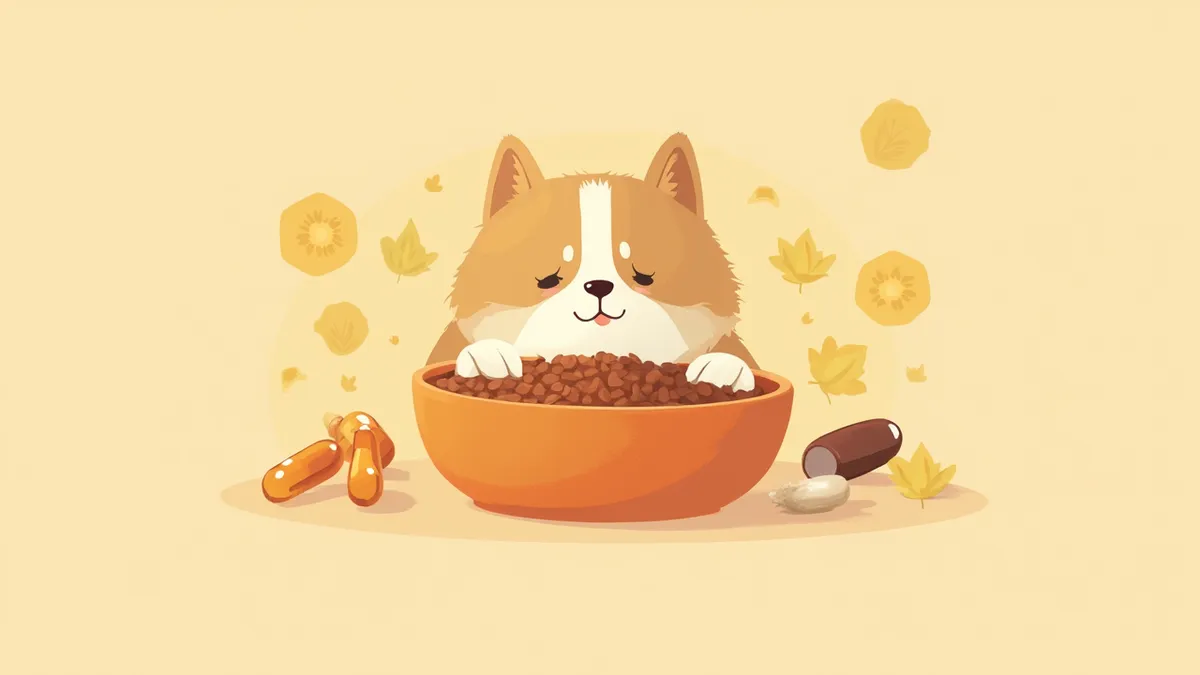
A cognitive support diet for senior pets, enriched with omega-3 and antioxidants.
Cognitive support diets are functional foods formulated with enhanced levels of omega-3 fatty acids, antioxidants, and medium-chain triglycerides (MCTs) to help slow brain aging and cognitive decline in senior dogs and cats. Studies have reported that diets containing antioxidants and mitochondrial cofactors, as well as those enriched with MCTs, can help improve and slow the progression of canine cognitive dysfunction syndrome (CDS) in older dogs. However, age alone is not a reason to switch diets; it is best to determine the appropriate timing by consulting your veterinarian based on your pet’s individual health status. If symptoms are already present, these diets serve as a supportive measure to help slow disease progression.

Why Are They Necessary for Senior Pets?

As dogs and cats enter their senior years, the incidence of cognitive dysfunction syndrome (CDS) increases. Studies show that the prevalence of CDS in senior and geriatric pets rises significantly with age, which can substantially diminish their quality of life. The primary causes include increased oxidative stress in the brain, loss of nerve cells and brain atrophy, and reduced energy (glucose) metabolism. Since standard diets are insufficient to address these age-related changes, functional nutritional support with antioxidants, medium-chain triglycerides (MCTs), and L-carnitine is necessary.
A senior dog with gray fur resting comfortably.

Five Key Ingredients in Cognitive Support Diets

Safe

DHA·EPA(오메가3)

뇌세포막 구성, 신경 염증 감소

Dosage: DHA 0.05% 이상

수의내과학 교과서 권장

Safe

중쇄지방산(MCT)

뇌의 대체 에너지원(케톤체) 공급

Dosage: 전체 칼로리의 5~6.5%

Pan 연구팀(2010)

Safe

비타민 E

강력한 항산화, 신경세포 보호

Dosage: 500~800 IU/kg 사료

Cotman 연구팀(2002)

Safe

L-카르니틴

미토콘드리아 에너지 대사 개선

Dosage: 300mg/kg 사료

수의영양학 교과서

Caution

포스파티딜세린

기억력·학습 능력 보조

Dosage: 제품별 상이

임상 연구 진행 중

General Senior Diets vs. Cognitive Support Diets

ItemRegular Senior FoodCognitive-Support Food
DHA ContentStandard levelIncludes fortification (varies by product)
Medium-Chain Triglycerides (MCT)FalseTrue
Antioxidant FortificationBasic levelFortified with antioxidants, alpha-lipoic acid, etc.
L-CarnitineOften not includedIncludes fortification (content varies by product)
Main Purpose of UseWeight and joint managementSupports brain aging and cognitive decline
Recommended Start TimeAfter the senior stageAfter the senior stage (decide after veterinary consultation)

Specifications may vary by product. Check the nutritional information on the package before purchasing.

Signs Your Pet Needs Cognitive Support

- Decline in spatial awareness: Your pet may wander aimlessly in familiar surroundings or become trapped in corners, unable to find their way out. - Changes in social interaction: They may struggle to recognize family members or show a diminished response to their name. - Altered sleep patterns: Your pet might become active and roam around at night while sleeping during the day. - Accidents with elimination: There may be an increase in accidents in areas where they previously maintained good habits. - Reduced activity levels: Interest in walks and playtime may decrease. If you notice two or more of these signs, consider consulting your veterinarian and transitioning to a cognitive-support diet.
An elderly cat looking confused, sitting by the window

Points to Check Before Feeding

In pets with kidney failure, pancreatitis, or liver disease, the ingredient profile of cognitive-support diets can impact their underlying conditions. Diets high in fat or containing medium-chain triglycerides (MCTs) may not be suitable for pets with sensitive digestive systems or pancreatic issues, so always consult your veterinarian before choosing a diet. Even when switching from a prescription diet to a non-prescription cognitive-support diet, you must consult your veterinarian before making the change. Switching prescription diets on your own can worsen your pet’s underlying condition.

Transition Method and Feeding Duration
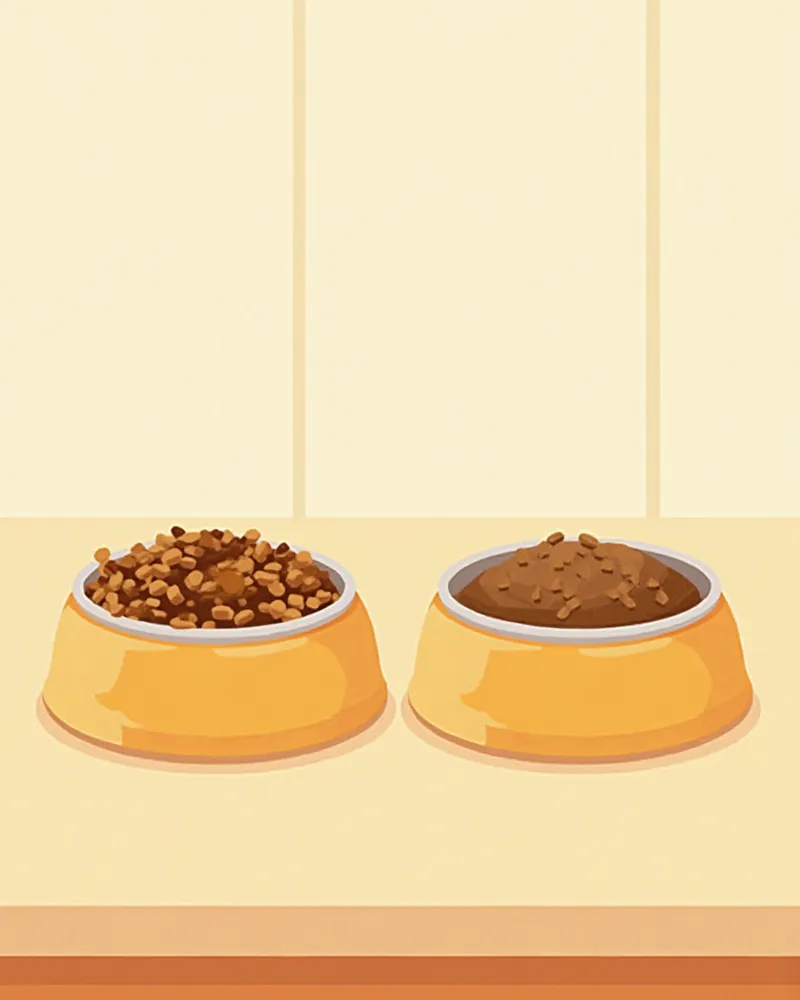
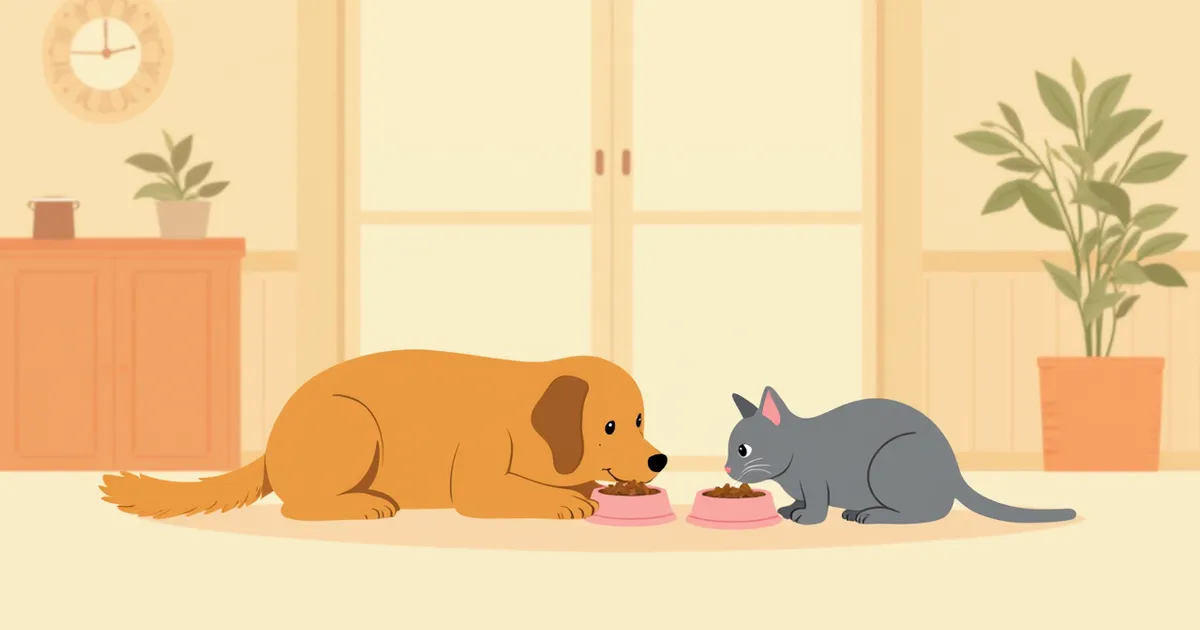
When transitioning from your pet’s current food to a cognitive-support diet, gradually mix the two over about seven days to minimize the risk of gastrointestinal upset. For days 1–2, feed 75% old food and 25% new; for days 3–4, use a 50:50 ratio; for days 5–6, switch to 25% old and 75% new; and from day 7 onward, feed 100% cognitive-support diet. Behavioral improvements may emerge gradually after several weeks of consistent feeding, so it’s best to maintain long-term administration rather than expecting quick results. Always consult your veterinarian before making any changes to or discontinuing the diet.
A photo of two bowls showing the gradual transition to senior pet food.

When Food Alone Isn’t Enough — Additional Care Tips

Prescription diets for cognitive support are a complementary tool, not a standalone treatment. - Environmental enrichment: Boost brain stimulation with new toys, scent-based games, and short walks. - Consistent routine: Keeping meal, walk, and bedtime schedules steady helps reduce confusion. - Veterinary-prescribed medications: Drugs like selegiline can be used alongside the diet. - Health check-ups: Regular veterinary visits and blood tests are essential to monitor for underlying conditions.

Seek Immediate Veterinary Care If These Symptoms Occur

It could be a condition other than simple cognitive decline. If your pet is experiencing seizures, circling in one direction, sudden vision loss, head tilting, or refusing food and water for more than 24 hours, there may be an underlying brain tumor, encephalitis, or vestibular disorder. Before attempting self-management with cognitive-support diets, a neurological examination is essential.

Reviewed by a veterinarian

Dr. Tony — Punnawat Phongkittirak

Dr. Tony — Punnawat Phongkittirak

Veterinarian

A veterinarian who majored in veterinary medicine at Khon Kaen University, Thailand, and completed the IVSA program at North Carolina State University in the United States. Drawing on clinical experience at animal hospitals, he works in the pet healthcare field and is dedicated to building a digital care environment that connects pet parents with veterinarians.

Frequently Asked Questions

At what age is it best to start feeding a senior dog food?
Generally, large-breed dogs are considered to enter their senior years around the age of five, while medium- and small-breed dogs and cats are considered seniors at seven years of age and older. Studies have reported that diets fortified with antioxidants, mitochondrial cofactors, or medium-chain triglycerides (MCTs) can help slow the progression of cognitive dysfunction syndrome in senior dogs. However, age alone is not a strict reason to change a pet's food; the ideal time to make a dietary change varies depending on each individual's health status, so it is advisable to consult with your veterinarian to determine the best course of action.
Do cats have their own special cognitive-support diets?
Yes, we do. However, there are fewer options for cats than for dogs. Because cats have fundamentally different nutritional requirements than dogs, it’s important to choose a food specifically formulated for cats, with the right protein levels and essential nutrients. You should never feed dog food to cats.
When will the effects start to show?
The benefits of the diet may take several weeks to gradually appear after consistent feeding. In cases of cognitive dysfunction syndrome that has already progressed, the goal is to slow the progression rather than achieve full recovery. Since individual responses vary, it's important to regularly check in with your veterinarian to monitor progress.
Can I substitute it with an omega-3 supplement?
Only partially. Omega-3 supplements provide only DHA and EPA, whereas cognitive-support diets contain a balanced blend of MCTs, antioxidants, and L-carnitine, offering more comprehensive benefits than standalone supplements.
Can I buy it without a prescription?
Over-the-counter senior cognitive support diets are available without a prescription. However, if your pet has an underlying medical condition, prescription-only formulations are exclusively available through veterinary clinics.

Share

Related Guides

References

[1] Fascetti AJ, Delaney SJ, Applied Veterinary Clinical Nutrition, 2nd Ed, Chapter 8 Commercial and Home-Prepared Diets, 2024

[2] Pan Y et al., Dietary supplementation with medium-chain TAG has long-lasting cognition-enhancing effects in aged dogs, British Journal of Nutrition, 2010

[3] Cotman CW et al., Brain aging in the canine: a diet enriched in antioxidants reduces cognitive dysfunction, Neurobiology of Aging, 2002

[4] Ettinger SJ, Textbook of Veterinary Internal Medicine, 8th Ed, Geriatric Nutrition Chapter, 2017

This information is based on veterinary literature and does not replace diagnosis or treatment. Please consult a veterinarian for specific health concerns.

Metapet Co., Ltd. | CEO: Park Sung-yong | Business Reg. No. 417-88-02562 | Seoul, South Korea | Customer Center

Senior Dog Cognitive Diets: Do They Work? Key Ingredients | Meongsiljang