

Guide to Canine Ophthalmology Specialist Care — When Should You Go?
Canine ophthalmology specialist care is a secondary referral service that provides precise diagnosis and treatment for eye conditions that are difficult to diagnose or require surgery at general veterinary clinics. We’ve compiled everything you need to know, including when to visit, what types of exams are performed, and associated costs.
What Is Canine Ophthalmology?

When Specialized Ophthalmic Care Is Needed
General Animal Hospital vs. Ophthalmology Specialist Clinic
| Item | General animal hospital | Specialized ophthalmology hospital |
|---|---|---|
| Slit-lamp microscope | False | True |
| Tonometry measurement | True | True |
| Fundus photography | False | True |
| Corneal topography | False | True |
| Cataract surgery | False | True |
| Initial visit cost (reference) | $10 to $40 | $60 to $100 |
Costs vary by region and hospital. Check the exact amount by phone before visiting.
Main Examinations Performed in Ophthalmology
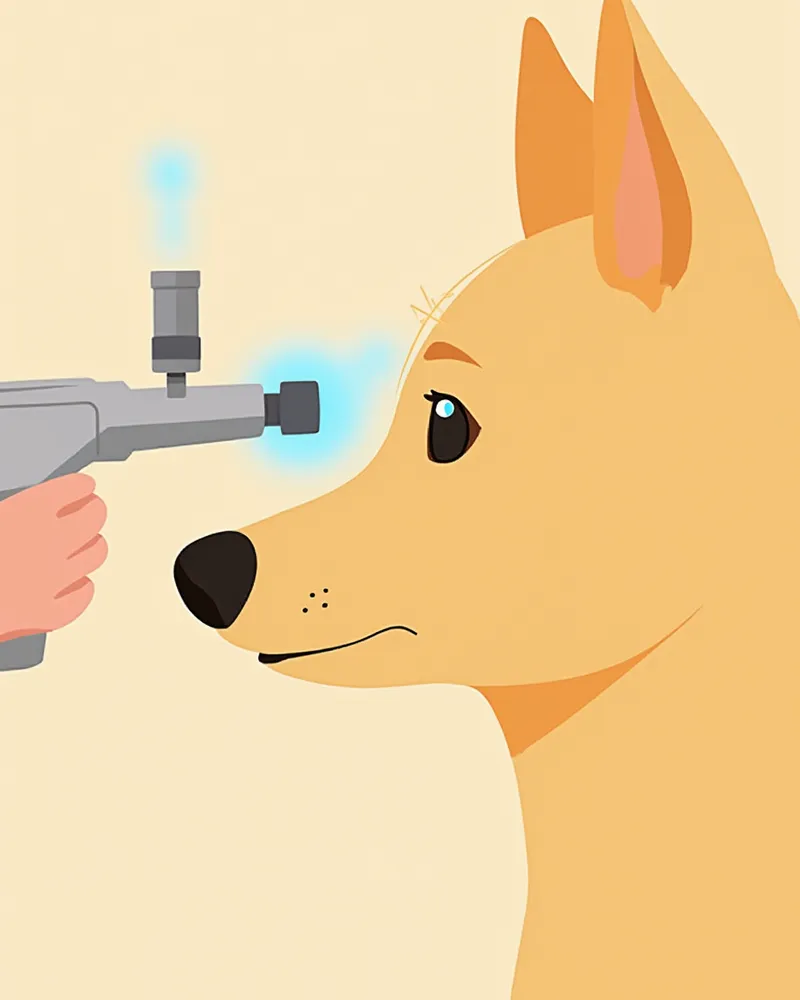
Signs Requiring Immediate Ophthalmic Emergency Care
The following symptoms can lead to permanent vision loss, so it’s important to seek veterinary ophthalmic care as soon as possible. These include a severely dilated pupil with difficulty opening the eye (suspected glaucoma), a deep indentation in the cornea resembling a perforation (corneal perforation), and a protruding eyeball (exophthalmos). If these symptoms occur at night, go directly to a 24-hour emergency veterinary ophthalmology clinic.
Preparing Referral Letters and Test Records
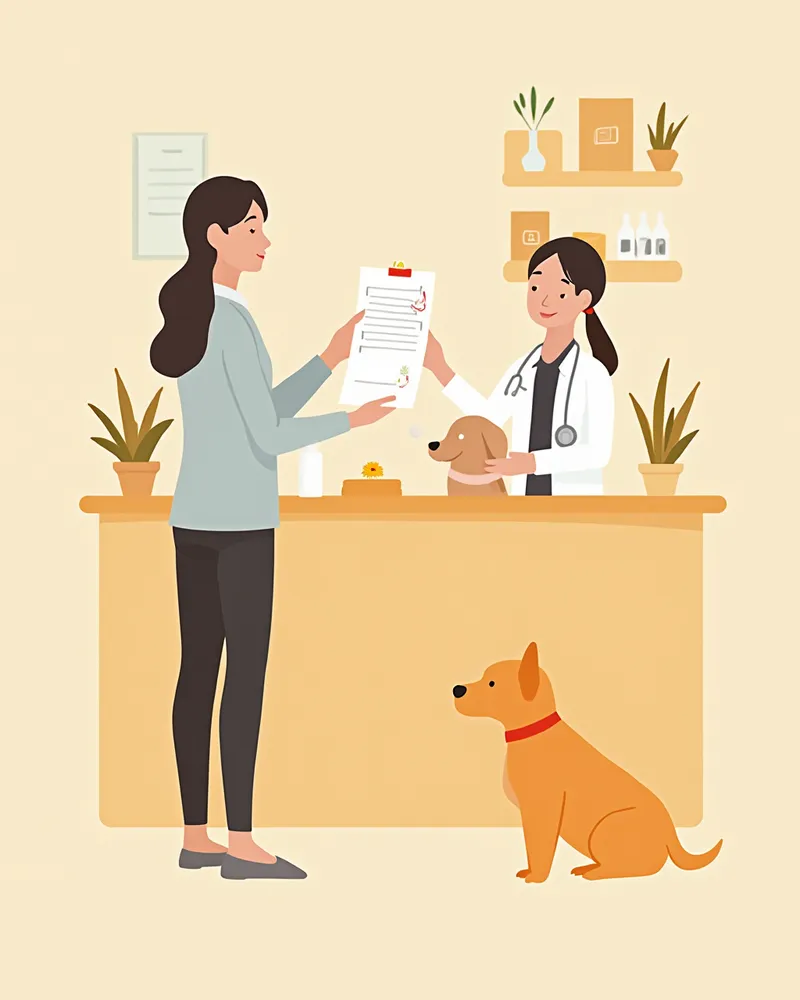
Estimated Costs and Insurance Utilization
Regular Checkups Recommended for Brachycephalic and Senior Dogs
Brachycephalic breeds like Shih Tzus, Pugs, and Pekingese have a shallow orbital structure with protruding eyeballs, which puts them at a higher risk for corneal ulcers, conjunctivitis, and dry eye disease compared to other breeds. Senior dogs are also more prone to various eye conditions, including cataracts, glaucoma, and keratoconjunctivitis sicca, and extra care is needed if they have diabetes or a family history of genetic disorders. Even in the absence of symptoms, it’s a good idea to have regular eye exams once or twice a year to catch any issues early.
Reviewed by a veterinarian

Dr. Tony — Punnawat Phongkittirak
VeterinarianA veterinarian who majored in veterinary medicine at Khon Kaen University, Thailand, and completed the IVSA program at North Carolina State University in the United States. Drawing on clinical experience at animal hospitals, he works in the pet healthcare field and is dedicated to building a digital care environment that connects pet parents with veterinarians.
Reviewed 2026-04-21
Frequently Asked Questions
Do I really need to get a referral form from a regular vet clinic?
Do I need to fast my pet before an eye exam?
How often should puppies have eye exams?
Will my dog feel pain or fear during the examination?
Is cataract surgery always necessary?
Share
Related Guides

Top 5 Dog Tear Supplements Recommended for 2026

What is Lutein? Effects on Dog Eye Health

The Best Canine Uveitis Management Products and Selection Criteria: A Comprehensive Guide
Complete Guide to Managing Anticonvulsants for Dogs — Key Points for Owners

Feline Skin Cancer (Squamous Cell Carcinoma) in White Cats — Sun Exposure and Prevention Guide

Did Your Dog Drink Alcohol? — Signs of Alcohol Poisoning and When to Go to the Vet

When to Let Go of Our Dog with End-Stage Cancer — Hospice Care and the Euthanasia Decision

End-Stage Kidney Failure in Cats — Symptoms and Euthanasia Decision Guide

Tick-Borne Disease Checklist — What to Check After Your Dog’s Walk

Cats and Essential Oil Diffusers — Why Inhalation Alone Causes Liver Damage
References
[1] Maggs DJ, Miller PE, Ofri R. Slatter's Fundamentals of Veterinary Ophthalmology, 6th ed. Elsevier, 2018
[2] Gelatt KN, Gilger BC, Kern TJ. Veterinary Ophthalmology, 5th ed. Wiley-Blackwell, 2013
[3] American College of Veterinary Ophthalmologists (ACVO) Practice Guidelines, 2022