Like
Share
멍실장
강아지 양치 방법과 익숙하게 하기

How to Brush Your Dog’s Teeth and Get Them Used to It

Oral HealthQ&AMeongsiljang Veterinary Advisory Board

Brushing your dog’s teeth is the most basic form of oral care, helping to prevent periodontal disease and its potential heart and kidney complications. Even dogs who dislike brushing can gradually get used to it with a step-by-step approach.

Why Is Brushing Your Dog’s Teeth Essential?

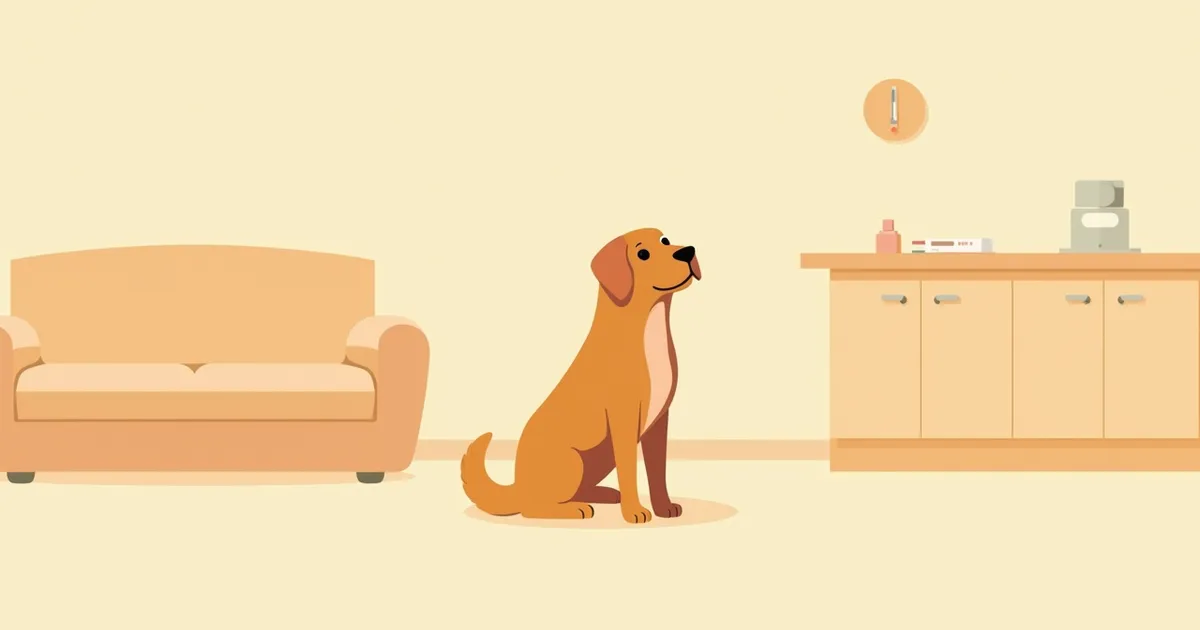
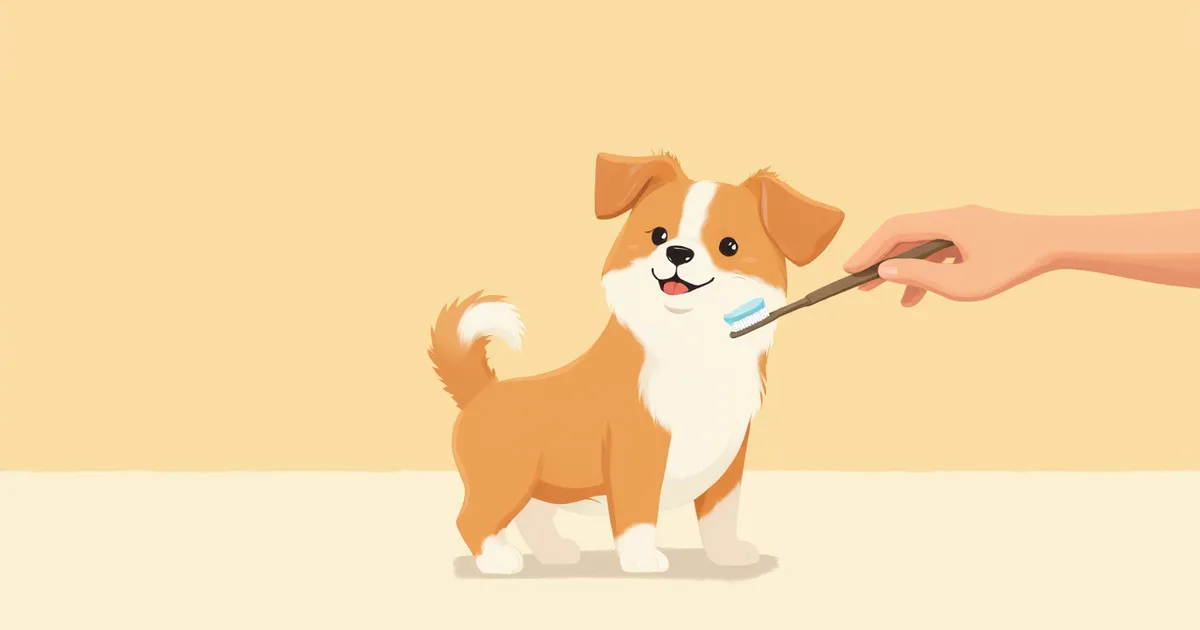
A dog with healthy teeth and its toothbrushing tools
Brushing your dog’s teeth is the most fundamental oral care habit for removing plaque and tartar to prevent periodontal disease. What truly matters is consistency—even if it’s brief, do it daily. Periodontal disease is one of the most common conditions in dogs, yet it is frequently underdiagnosed precisely because of its prevalence. If left untreated, gum inflammation can deepen, potentially leading to severe tooth damage and pain, and in advanced cases, can even affect the jawbone, causing pathological fractures. It’s okay if you don’t get it perfect right away. The key is to start with just 10 seconds a day and gradually build the routine until it becomes second nature.

What Happens If You Don’t Brush

Food particles left in the mouth turn into dental plaque, and when plaque hardens, it becomes tartar that can no longer be removed with a toothbrush. Tartar requires professional scaling. Even more concerning is periodontitis, which occurs when bacteria spread below the gumline. Signs include severe bad breath, loose teeth, and reluctance to chew. Periodontal disease is very common in dogs but is often underdiagnosed. If the inflammation caused by bacteria and their byproducts worsens, it can even lead to pathological jaw fractures.

How to Get Your Dog Used to Brushing in 4 Steps
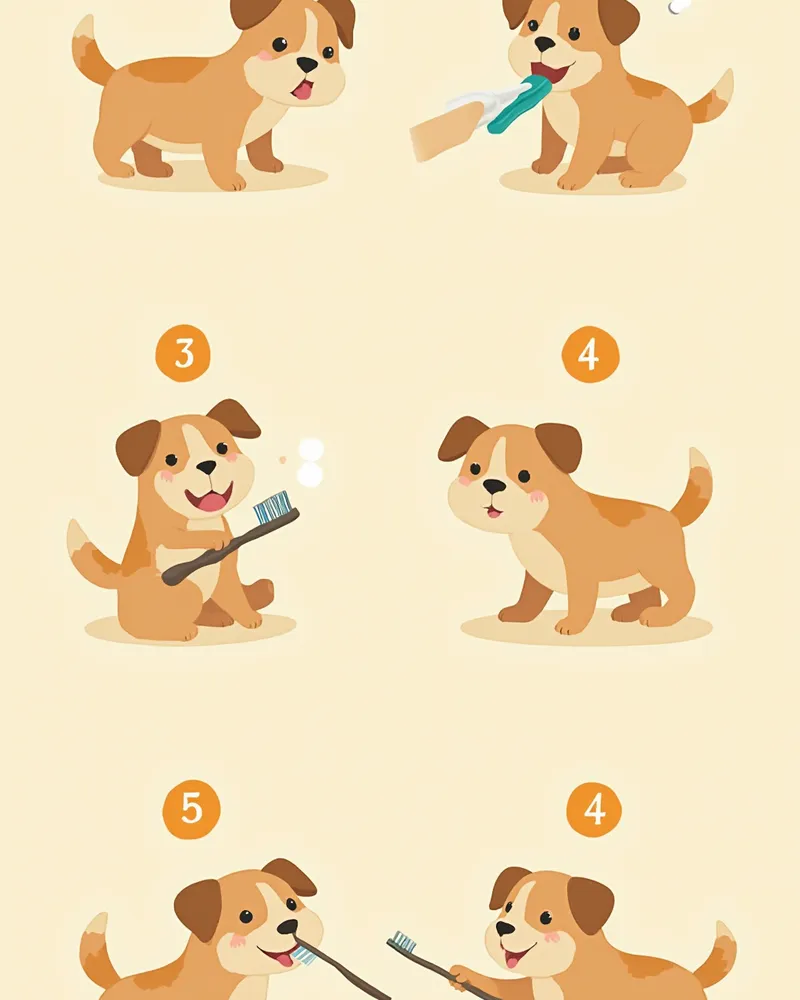
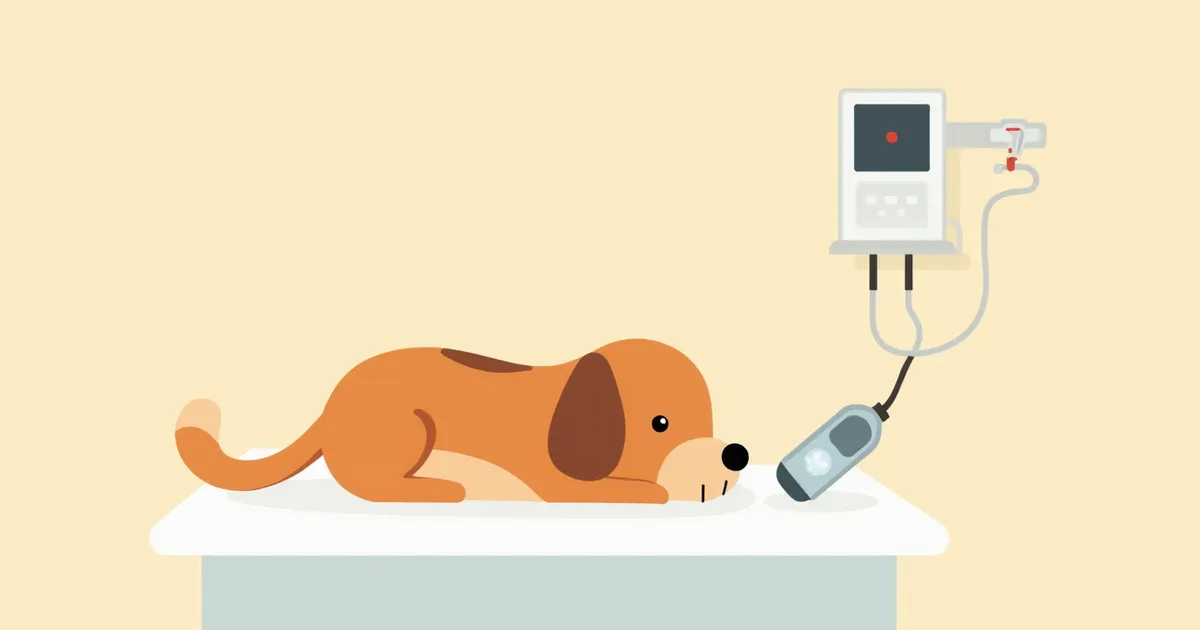
Trying to put a toothbrush in your dog’s mouth from the very beginning usually backfires. It’s much more effective to gradually increase the stimulation over several days.
Step 1 — Lip Touching: Gently lift your dog’s upper lip with your finger for 3–5 seconds. Reward with praise and a treat.
Step 2 — Introducing Toothpaste Flavor: Dab a small amount of dog-specific toothpaste on your finger and let your dog lick it.
Step 3 — Finger Brushing, Starting with Front Teeth: Brush only the outer surfaces of the canines and incisors for 5–10 seconds.
Step 4 — Toothbrushing, Including Molars: Slowly brush the outer surfaces of all teeth, keeping the session under 30 seconds.
Four-step guide to brushing your dog's teeth

Guide to Choosing a Toothbrush and Toothpaste

ItemFinger ToothbrushSmall-Dog Toothbrush360-Degree Toothbrush
Recommended AgePuppiesAll agesAdult dogs new to brushing
Cleaning PowerWeakStrongMedium
ResistanceLowMediumLow
Ease of UseEasyModerateEasy

Human toothpaste is strictly forbidden due to xylitol · fluoride. Always use pet-specific toothpaste.

Human Toothpaste Is Strictly Prohibited

Xylitol, a common ingredient in human toothpaste, can cause hypoglycemia and liver damage in dogs. Fluoride is also dangerous if swallowed. Since dogs cannot spit out foam, you must use a pet-specific toothpaste that is safe to swallow. Starting with highly palatable flavors, such as chicken or beef, can help reduce resistance.

How Often Should You Brush?

Consistency is key. In veterinary dentistry, brushing has long been considered the cornerstone of oral home care, and daily brushing is recommended as the most effective way to prevent periodontal disease. Some studies have even shown that brushing twice a day is more effective at managing plaque than brushing just once. If daily brushing isn’t realistic for you, aim to do it as often as possible. The less frequently you brush, the less effective it becomes at controlling plaque, so making it a regular habit is crucial. Try setting a specific time, like after your evening walk or right after your pet’s last meal, to help you remember. And don’t forget to praise your pet and offer a small treat after brushing—this positive reinforcement is the secret to keeping up the routine long-term.
A dog resting comfortably after brushing its teeth

Checkpoints When Your Dog Strongly Resists Brushing

Pain signals: If your pet growls or pulls away when you touch a specific area, it could be periodontitis or a fractured tooth. Please have a veterinarian examine them first.
Rushing the process: Don’t attempt to brush all the teeth within just two to three days. Instead, take at least a week or more to gradually progress through the steps.
Negative associations: If your pet has already developed an aversion, switch to a different toothbrush and start over by reintroducing the toothpaste flavor.
Timing: Avoid trying to brush when your pet is excited or hungry. The best time is when they are calm, such as after a walk.

There Are Cases Where Brushing Alone Is Not Enough

Even with diligent brushing, professional dental scaling is necessary if tartar has already accumulated or if your pet has severe bad breath, as tartar cannot be removed with a toothbrush alone. Small breeds and brachycephalic (short-nosed) dogs require particular attention because their crowded teeth make plaque buildup more likely. The recommended frequency for scaling varies by individual based on oral health; while once a year may be sufficient for some, others may need more frequent cleanings depending on the progression of periodontal disease, so we recommend consulting your veterinarian to determine an appropriate schedule. Dental chews and dental diets are only supplementary aids and cannot replace brushing.

Reviewed by a veterinarian

Dr. Tony — Punnawat Phongkittirak

Dr. Tony — Punnawat Phongkittirak

Veterinarian

A veterinarian who majored in veterinary medicine at Khon Kaen University, Thailand, and completed the IVSA program at North Carolina State University in the United States. Drawing on clinical experience at animal hospitals, he works in the pet healthcare field and is dedicated to building a digital care environment that connects pet parents with veterinarians.

Frequently Asked Questions

When is the best time to start brushing your puppy’s teeth?
It’s best to start getting your dog used to having their mouth touched as early as possible. Begin by gently stroking the lips and gums with your fingers to help them get accustomed to the sensation. Once their permanent teeth have fully come in, you can progress to regular toothbrushing. Early desensitization significantly reduces resistance when they reach adulthood.
Can dental chews replace brushing your pet’s teeth?
Not exactly. Dental chews play a supportive role by helping to scrape away some plaque as your pet chews, but they can’t reach the inner surfaces of the molars or the gumline. To effectively prevent periodontal disease, they must be used alongside regular tooth brushing.
Do I need to brush the inside of the teeth as well?
Ideally, you should clean all the way to the inner surfaces of the teeth. However, in practice, consistently cleaning even just the outer surfaces can help reduce plaque buildup. Dogs are prone to tartar formation on the outer surfaces of the upper molars and the inner surfaces of the lower molars, so the inner areas do require attention. That said, it’s better to start by consistently cleaning the outer surfaces and gradually expand the area, rather than forcing the process and causing resistance or discomfort.
Is it okay to give my pet water or treats right after brushing their teeth?
Water can be given right away. For tooth-brushing rewards, offer a light treat about the size of a small kibble. Avoid oily or high-sugar treats, as they can burden the oral environment; instead, choose something as simple and light as possible for rewards.
My pet has really bad breath. Will brushing their teeth help?
Regular brushing often gradually reduces bad breath caused by plaque. However, if tartar or periodontal disease has progressed to a level requiring professional cleaning, brushing alone has its limits. If the odor persists despite consistent brushing, please have your pet examined at a veterinary clinic.

Share

Related Guides

References

[1] Rawlings, J.M., Gorrel, C., Markwell, P.J., Effect on canine oral health of adding chlorhexidine to a dental hygiene chew, J. Vet. Dent. 15(3), 1998

[2] Logan, E.I., Dietary influences on periodontal health in dogs and cats, Veterinary Clinics of North America: Small Animal Practice 36, 2006

[3] Applied Veterinary Clinical Nutrition, 2nd Ed — Oral Health Chapter

This information is based on veterinary literature and does not replace diagnosis or treatment. Please consult a veterinarian for specific health concerns.

Metapet Co., Ltd. | CEO: Park Sung-yong | Business Reg. No. 417-88-02562 | Seoul, South Korea | Customer Center

How to Brush Your Dog's Teeth & Help Them Get Used to It | Meongsiljang