
Dog Liver Ultrasound: When and Why — Q&A from Exam to Result Interpretation
Ultrasound examination of a dog’s liver is an important diagnostic tool for the early detection of liver disease. We’ve compiled the key questions and answers that pet owners should know.
Dog Liver Ultrasound Exam: A Key Test for Precisely Evaluating Liver Structure and Function

How Should I Prepare for the Exam?

How Long Does the Exam Take?

Liver Ultrasound vs. Blood Work — What’s the Difference?
| Item | Liver Ultrasound | Blood Test |
|---|---|---|
| Purpose of test | Check for structural abnormalities of the liver | Evaluate liver function values |
| Test method | Non-invasive, imaging | Invasive, blood draw |
| Speed of results | Results available immediately | Takes 1–2 days |
| Main advantage | Accurately identifies lesion location and size | Enables early detection of functional abnormalities |
The two tests are complementary. When a lesion is suspected, ideally both should be performed.
What to Do If the Exam Results Are Abnormal?
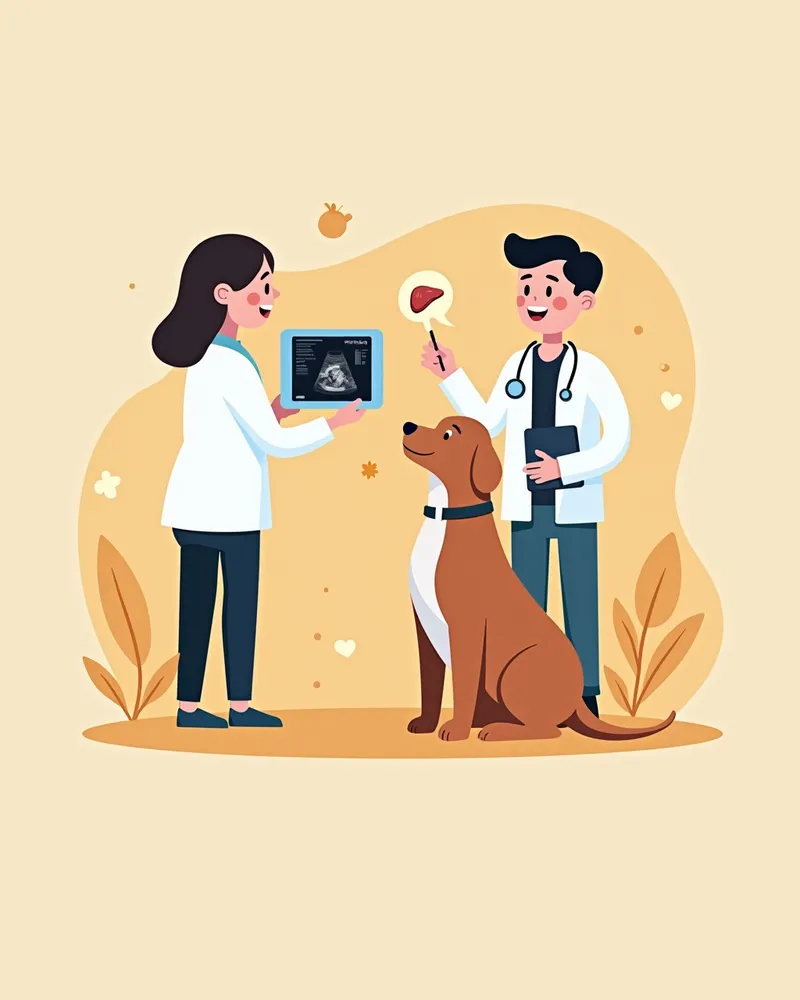
Immediate Veterinary Visit Is Necessary in These Cases
Persistent loss of appetite, vomiting, jaundice (yellowing of the eyes and lips), and abdominal distension are signs of liver problems. If your pet shows these symptoms, immediate testing is essential.
What Should I Watch Out for After the Exam?

Reviewed by a veterinarian

Dr. Tony — Punnawat Phongkittirak
VeterinarianA veterinarian who majored in veterinary medicine at Khon Kaen University, Thailand, and completed the IVSA program at North Carolina State University in the United States. Drawing on clinical experience at animal hospitals, he works in the pet healthcare field and is dedicated to building a digital care environment that connects pet parents with veterinarians.
Reviewed 2026-06-07
Frequently Asked Questions
Does an ultrasound exam of a dog's liver cause pain?
Can my pet take medication before the test?
Does a liver lesion always require surgery?
Can liver cancer be definitively diagnosed through an ultrasound examination?
Should I have regular liver ultrasound exams?
Share
Related Guides

7 Key Symptoms and Management Essentials for Canine Cholecystitis Recommended by Veterinarians

Top 5 Milk Thistle (Silymarin) Liver Supplements for Dogs — A Comparison Guide Based on Silybin Content and Absorption Rates

Top Prescription Diets for Dogs with Liver Disease and Selection Criteria

Risk of Bowel Obstruction and Emergency Signs When a Dog Swallows a Corn Cob

How to Read Your Dog’s BUN and Creatinine Levels — Interpreting Kidney Test Results

Canine Separation Anxiety: Is Medication Necessary? — Key Points on Medical Diagnosis and Pharmacological Treatment

Diabetic Dog Dietary Management — Prescription Diet Recommendations and Feeding Time Guide

Feline Mammary Tumors: Why the Malignancy Rate Is Higher Than in Dogs and When to Operate

Symptoms When Dogs Eat Garlic and Criteria for Visiting the Vet — Emergency Response by Ingestion Amount

Cat Subcutaneous Fluids — Home Administration Procedure and Frequency Guide
References
[1] Textbook of Cardiovascular Medicine in Dogs and Cats, 2021
[2] Small Animal Critical Care Medicine, 3rd Ed, 2020
[3] Clinical Medicine of the Dog and Cat, 4th Ed, 2022