
Frequently Asked Questions on Canine Chest X-ray Interpretation — Key Points for Pet Owners
Chest X-rays are a key diagnostic tool for respiratory diseases in dogs. Here’s a summary of the essential questions and answers that pet owners should understand.
Why is canine chest X-ray interpretation important?

No need to worry even if the X-ray results show abnormalities

What do lung shadows on an X-ray mean?
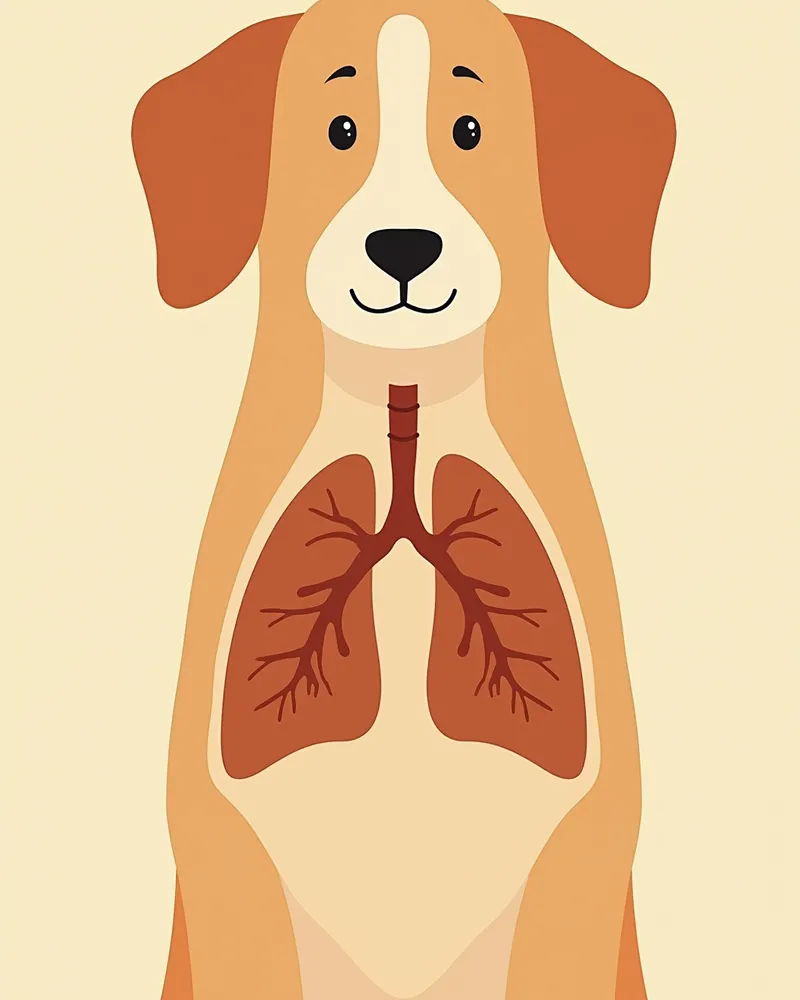
Veterinarians should be responsible for interpreting X-ray results
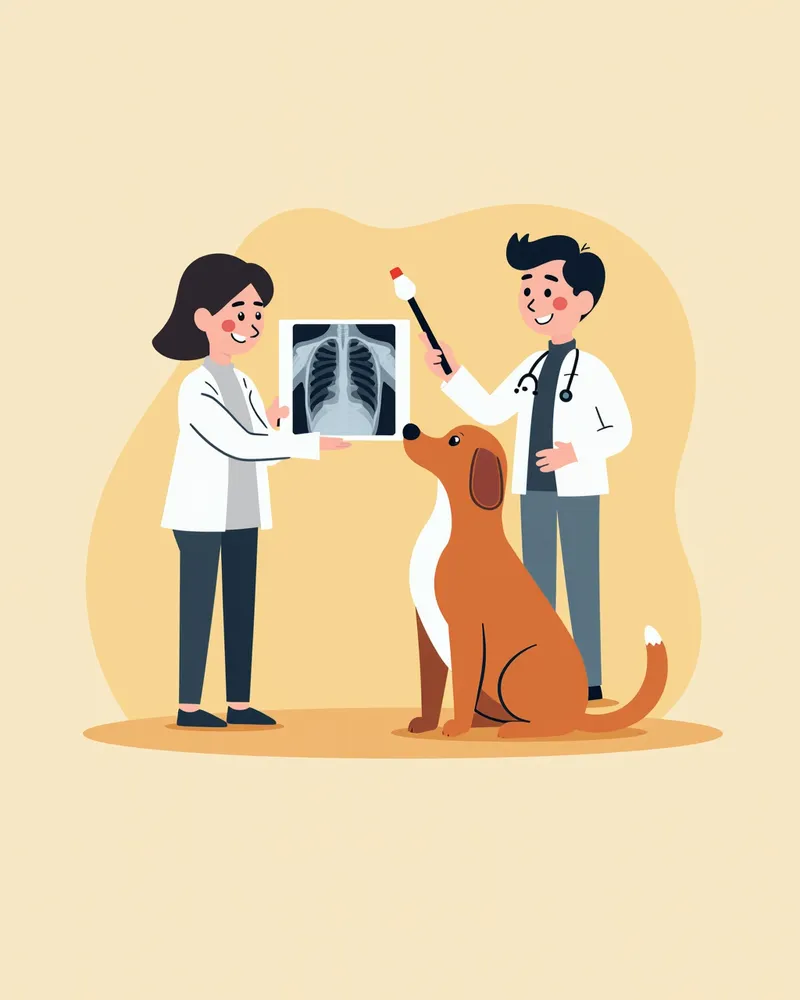
Comparison of major causes by type of X-ray abnormality
| Item | Shadow type | Main causes | Need for further testing |
|---|---|---|---|
| Focal shadow | Pneumonia | Lung tumor | Lung lobe torsion |
| Generalized haziness | Pulmonary edema | Bronchitis | Interstitial lung disease |
| Symmetrical shadow | Cardiomegaly | Pulmonary edema | Pleural effusion |
| Nodular (spotted) shadow | Tumor metastasis | Fungal pneumonia | Inflammatory reaction |
Each type requires an accurate diagnosis through additional testing (CT, biopsy, blood test). In particular, the cause cannot be confirmed by X-ray findings alone; it must be judged comprehensively together with the clinical signs.
Signs requiring immediate veterinary visit
If your pet is having difficulty breathing, foaming at the mouth, or if a chest X-ray suggests pneumothorax or cardiomegaly, immediate veterinary care is necessary. These are life-threatening emergencies, so prompt action is crucial.
Cases requiring additional tests after X-ray
Five things pet owners should check

Reviewed by a veterinarian

Dr. Tony — Punnawat Phongkittirak
VeterinarianA veterinarian who majored in veterinary medicine at Khon Kaen University, Thailand, and completed the IVSA program at North Carolina State University in the United States. Drawing on clinical experience at animal hospitals, he works in the pet healthcare field and is dedicated to building a digital care environment that connects pet parents with veterinarians.
Reviewed 2026-06-29
Frequently Asked Questions
Does an X-ray hurt?
How often should X-rays be taken?
Even though the X-ray results are normal, the coughing continues?
Should my pet fast before an X-ray?
What should you keep in mind after an X-ray?
Share
Related Guides

Top Recommended Feline Bronchodilators and Selection Criteria: A Complete Guide

Best Recommendations and Selection Criteria for Monitoring Your Cat’s Respiratory Rate (RR) During Sleep for Heart Care

Top Recommended Products for Managing Canine Tracheal Collapse and Selection Criteria

What Is Canine Enucleation? — From Surgical Procedure to Recovery Care

Helicobacter Infection in Cats: From Symptoms to Treatment

Care Guide for FeLV-Positive Cats

Will Bird and Fish Videos Work for Cats? Environmental Enrichment or Stress?

My Cat Licks Plastic — Is Pica Normal?

Why Does Your Cat Bring You Prey as a Gift? — Psychology and Proper Responses

Cat Food Burying Behavior: Instinct or Health Signal?
References
[1] Evans HE, Miller's Anatomy of the Dog, 1993, WB Saunders.
[2] Clinical Medicine of the Dog and Cat, 4th Ed, 2020, Elsevier.
[3] Canine and Feline Respiratory Medicine, 3rd Edition, 2021, Wiley-Blackwell.