Like
Share
멍실장
강아지 실내 환경 벼룩 제거 자주 묻는 질문 Q&A — 보호자가 꼭 알아야 할 핵심

Frequently Asked Questions on Removing Fleas from Your Dog’s Indoor Environment — Key Information Every Pet Owner Should Know

Infection/ParasitesQ&AMeongsiljang Veterinary Advisory Board

Removing fleas from your dog’s indoor environment goes beyond just treating the dog—it requires managing the entire household ecosystem. Here’s a summary of the key information every pet owner should know.

Removing Fleas from Your Dog’s Indoor Environment Is Not Just Treatment, But Managing the Entire Ecosystem
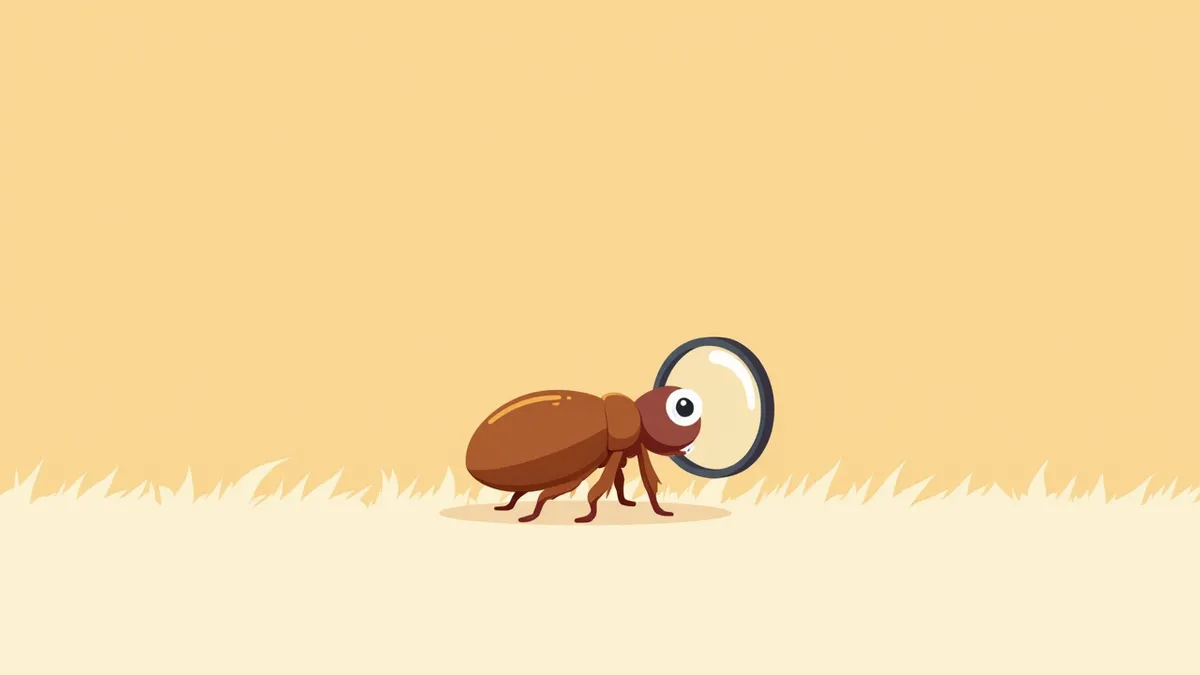
A close-up photo of fleas on a dog's fur, along with a flea comb
Effectively eliminating fleas from your home goes beyond just removing the ones on your dog’s fur; you must also eradicate the eggs, larvae, and pupae hidden throughout your house to achieve complete control. Fleas are small, wingless insects that survive through a complete metamorphosis cycle consisting of egg, larva, pupa, and adult stages. Once male and female fleas reach your dog, they begin laying eggs within about two days. Most of these eggs fall off the dog’s fur within eight hours, scattering into your home environment. Because these immature stages spread so quickly, early intervention is crucial. The key to this process is a comprehensive approach targeting your entire home. Treating your dog alone is not enough, as fleas can easily return. Fleas and their eggs, larvae, and pupae can hide in every nook and cranny, including beds, sofas, carpets, and grooming brushes, so thorough cleaning and pest control must be carried out simultaneously.

Why Do Fleas Keep Appearing in the House? Understand the Core Causes
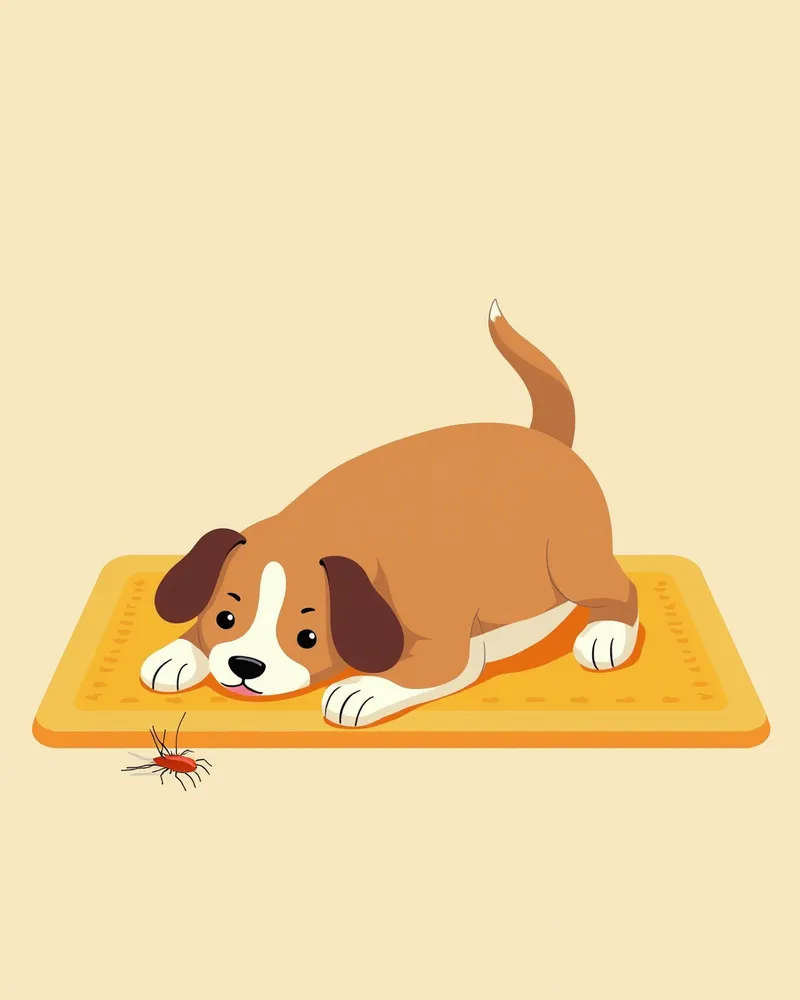
Removing fleas from your home can be challenging because their life cycle spreads throughout the entire house. Fleas go through egg, larval, and pupal stages before becoming adults, and all these stages can hide in carpets, sofa crevices, bed seams, and grooming tools. In particular, flea eggs don’t stick to your dog’s fur—they scatter into the environment. Fleas can also bite humans. Even in homes without cats, if your dog brings fleas inside, they may climb onto your ankles or legs, causing itching. This indicates that fleas have established themselves in your home, putting you at risk as well. Therefore, flea control isn’t just about treating your dog—it’s about protecting the health of your entire family.
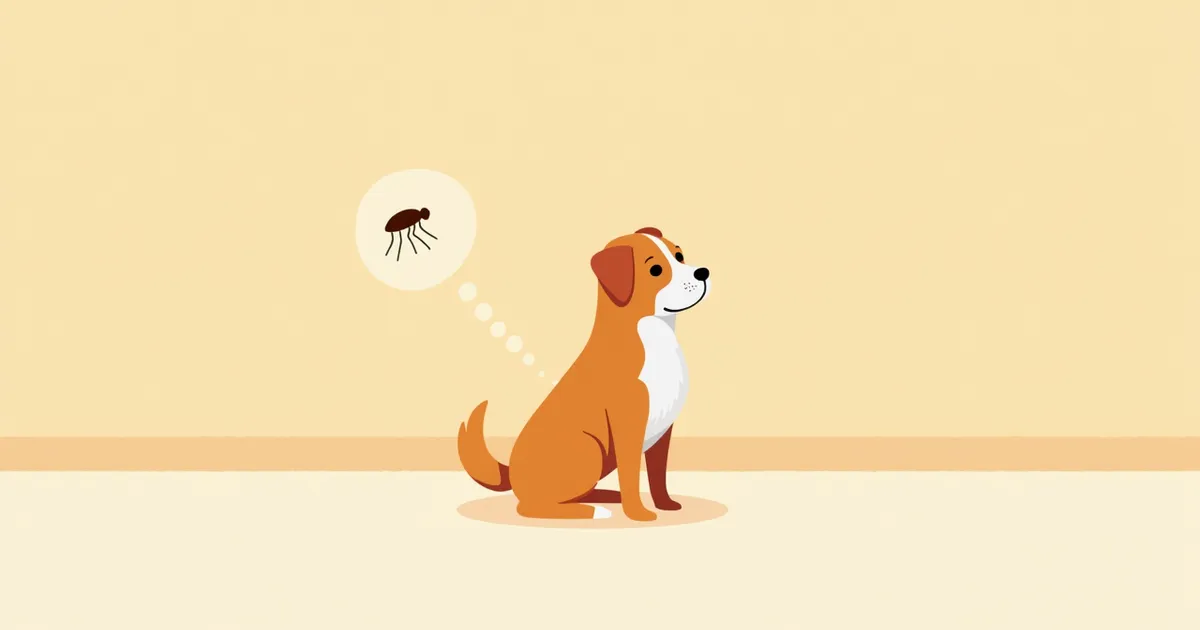
A puppy lying on a carpet, with fleas visible near its toes

Key Steps for Removing Fleas from Your Dog’s Indoor Environment

Removing fleas from your dog’s indoor environment requires a step-by-step approach. First, thoroughly clean your entire home. Vacuum carpets, sofas, beds, and grooming brushes deeply, and dispose of the vacuum bag or canister contents immediately. Pay special attention to grooming brushes, bed seams, and sofa crevices, as flea eggs and larvae often hide there. It’s also best to wash or replace your pet’s bedding daily. Second, use insecticides. Apply environmental flea control products by spraying them throughout your home, focusing on bed seams, sofa crevices, and grooming tools. Third, use dedicated flea control products for your dog, such as collars, sprays, or medications. Always use products recommended by your veterinarian and apply them regularly. Finally, repeat cleaning and environmental treatment consistently throughout the treatment period. Because it takes time to completely eliminate immature stages like eggs, larvae, and pupae in the environment, it is recommended to continue cleaning and treating your home for at least six months, or ideally on an ongoing basis, to prevent reinfection.
A person is spraying flea pesticide on the sofa, with a dog sitting nearby.

Comparing Methods for Removing Fleas from Your Dog’s Indoor Environment: Cleaning vs. Insecticides vs. Product Use

ItemMethodDuration of EffectFrequency of UsePrecautions
Vacuum cleaningMediumShort-termDaily or every 2 daysEffective at removing eggs and larvae
Insecticide sprayMediumShort-termCan be reused within 1–2 weeks after starting treatmentCaution around contact with children and cats
Use of dog-specific productsHighLong-termAs directed by the veterinarianDo not overdose

Combining all methods enables the most effective flea elimination.

Fleas Can Reappear After Removal. Prevention Is Most Important.

Even after you’ve finished treating your home for fleas, they can still reappear. Fleas may be brought in from outside, or eggs left behind in your home can hatch. That’s why prevention is so important. Regular cleaning, environmental treatment, and consistent use of flea products designed specifically for dogs are key. After your dog comes in from outside, check their fur and clean any surfaces they’ll sit on, like beds or sofas. Fleas are especially active during spring and summer, so extra care is needed during these seasons. Preventing fleas isn’t just about routine care—it’s an important step in protecting your dog’s health and your family’s well-being.
A flea caught on the brush while grooming a puppy

If Fleas Keep Appearing, Consider Visiting the Vet Immediately

Even if you’re treating your home for fleas, they may keep appearing, or your dog may continue to suffer from severe itching. This could indicate an underlying issue such as flea allergy dermatitis, a parasitic infection, or another form of dermatitis, so it’s important to have your dog examined by a veterinarian. If fleas persist despite your efforts, it may also mean that your cleaning routine or the way you’re using flea control products needs adjustment.

Checkpoints Pet Owners Must Follow When Removing Fleas from Their Dog

Removing fleas from your dog’s indoor environment requires systematic management, not just routine cleaning. First, you must target all life stages of the flea: eggs, larvae, pupae, and adults. Second, thoroughly clean your entire home while simultaneously implementing ongoing environmental treatments. Third, use products specifically designed for your dog and replace them regularly. Fourth, perform regular repeat cleanings and environmental treatments throughout the treatment period. Fifth, inspect your dog’s coat after every outing and clean bedding or furniture before allowing your dog to rest on them. Following these steps significantly increases the likelihood of successful flea elimination. The owner’s sense of responsibility and consistency are the most critical factors.
Flea removal checklist image, a list of items

Reviewed by a veterinarian

Dr. Tony — Punnawat Phongkittirak

Dr. Tony — Punnawat Phongkittirak

Veterinarian

A veterinarian who majored in veterinary medicine at Khon Kaen University, Thailand, and completed the IVSA program at North Carolina State University in the United States. Drawing on clinical experience at animal hospitals, he works in the pet healthcare field and is dedicated to building a digital care environment that connects pet parents with veterinarians.

Frequently Asked Questions

How long does it take to get rid of fleas on a dog?
Once a flea infestation is confirmed, both the pet and the environment must be treated simultaneously, and treatment should continue for at least six months to prevent reinfestation. Complete eradication requires eliminating all immature stages (eggs, larvae, and pupae) in the environment, so it is ideal to maintain uninterrupted preventive treatment whenever possible.
Can fleas be eliminated by cleaning the house alone?
Cleaning helps, but it’s not enough to completely eliminate fleas. Flea eggs and larvae hide deep in cracks and crevices, so using insecticides and specialized products is essential. In particular, it’s recommended to apply environmental insecticides concurrently to target immature stages.
Can dog fleas also affect humans?
Yes, fleas can bite humans too. They often target the ankles and legs, causing itching, so pet owners are also at risk of infestation. This indicates that fleas have established themselves in your home, so it’s important to monitor the health of all family members.
What should I do if the itching persists even after the parasites have been eliminated?
In this case, it could be flea allergy dermatitis or another form of dermatitis. Since repeated exposure to fleas can worsen itching, it’s important to have your pet examined by a veterinarian. Additional treatment may be necessary.
What products should I use for prevention?
Use a veterinarian-recommended flea control product. There are various forms available, such as collars, sprays, and medications, so choose the one that best suits your dog's health condition and risk factors. Consistent use is key.

Share

Related Guides

References

[1] BSAVA Manual of Canine and Feline Dermatology, 4th Ed, 2003

[2] Thiemann T, Fielden LJ, Kelrick MI. Water uptake in the cat flea Ctenocephalides felis. Journal of Insect Physiology, 2003

[3] Shaw SE, Kenny MJ, Tasker S et al. Pathogen carriage by the cat flea Ctenocephalides felis in the United Kingdom. Veterinary Microbiology, 2004

This information is based on veterinary literature and does not replace diagnosis or treatment. Please consult a veterinarian for specific health concerns.

Metapet Co., Ltd. | CEO: Park Sung-yong | Business Reg. No. 417-88-02562 | Seoul, South Korea | Customer Center

How to Get Rid of Fleas Indoors: Essential Q&A for Dog Owners | Meongsiljang