

Flea Infestations in Dogs: Relief Q&A — Key Points Pet Owners Must Know
Flea infestations in dogs can lead to more than just itching; they may also cause infectious diseases and allergies. Here’s a summary of relief methods and prevention strategies that pet owners should know.
Flea Infestations in Dogs Require Managing Both the Pet and the Environment

What Are the Main Causes of Flea Infestations?
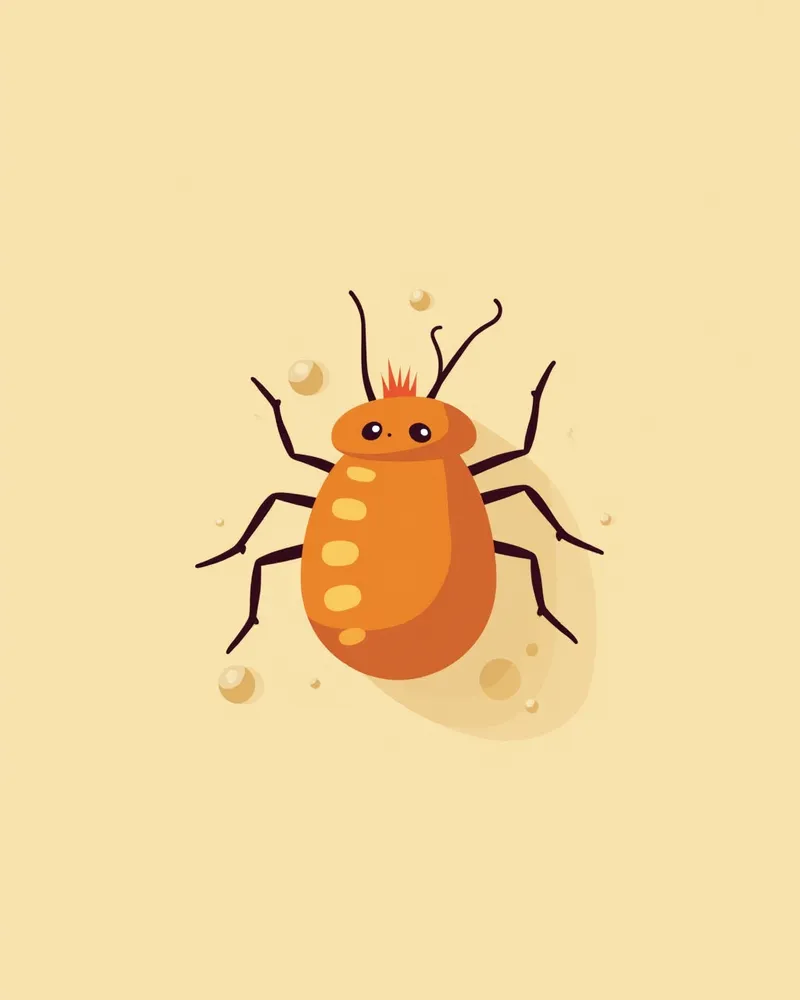
What Are the Main Symptoms of Flea Infestations in Dogs?
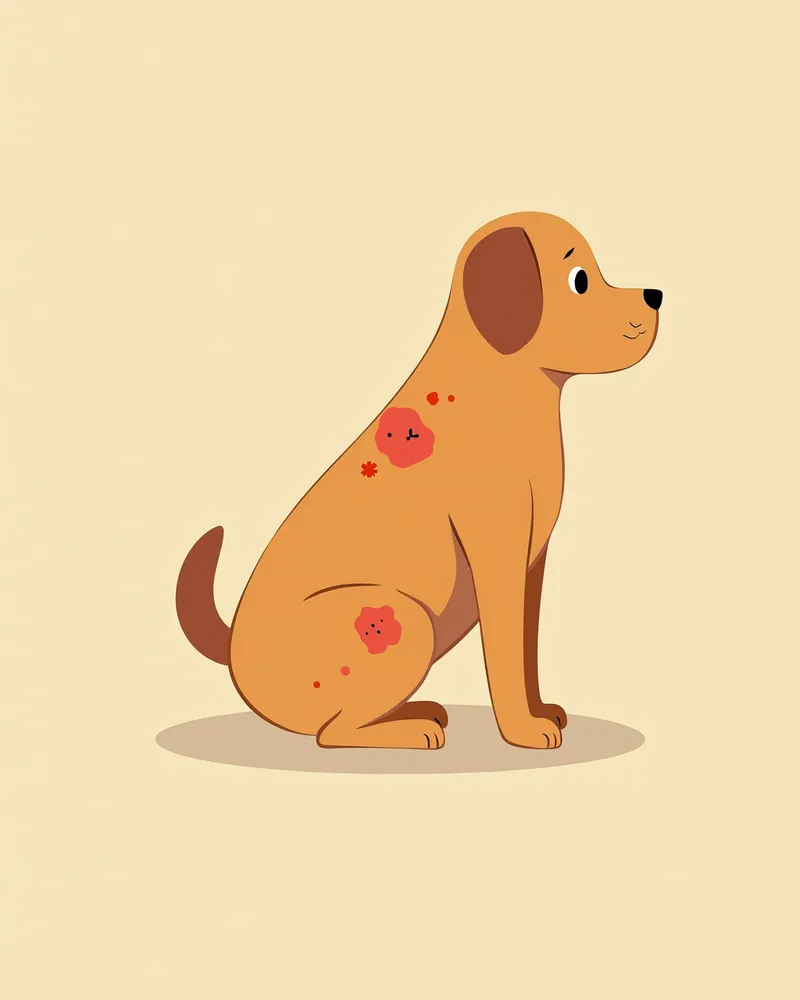
When to Visit the Vet Immediately
If your dog is experiencing severe itching due to a flea infestation, or if excessive licking and scratching have caused the skin to become raw, weep, or form scabs, consult your veterinarian immediately. Persistent itching can allow bacteria to rapidly colonize the damaged skin, potentially worsening the condition into acute moist dermatitis (hot spots). Furthermore, fleas can transmit pathogens such as the tapeworm Dipylidium caninum and Rickettsia felis. Therefore, if symptoms are severe, do not delay treatment and seek veterinary care promptly for your pet’s safety.
The Key to Treating Flea Infestations Is Managing Both the Dog and the Environment
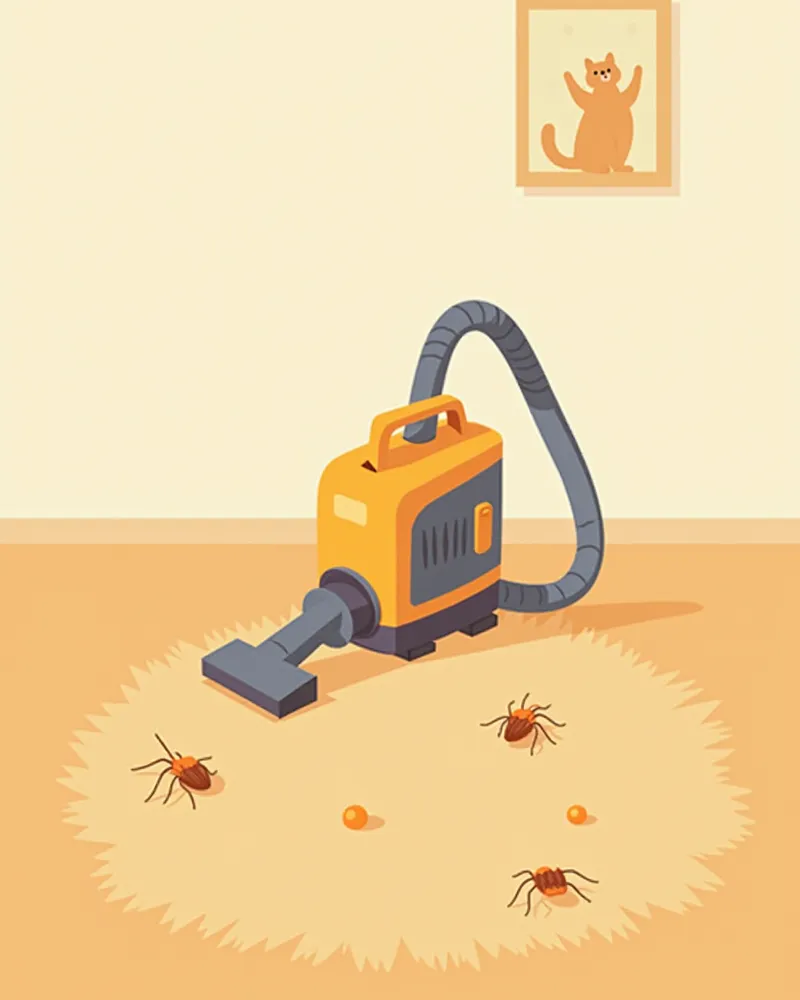
Practical Tips for Preventing Flea Infestations in Dogs

Comparison Table of Flea Control Products by Type
| Item | Form | Onset of Action | Duration | Precautions |
|---|---|---|---|---|
| Bath repellent | Liquid | Within 1 hour | 1–2 weeks | May cause skin irritation |
| Collar-type repellent | Collar | Within 24 hours | 3–6 months | Watch for skin reactions |
| Oral repellent | Capsule | Within 2–3 days | 1 month | Veterinary prescription required |
Each product should be used according to the dog's body weight and age. Choose after consulting your veterinarian.
Caution! Incorrect Use of Flea Control Products Can Be Dangerous
Using human pesticides or unregistered flea control products on dogs can lead to poisoning. Environmental pest treatments may also be toxic to pets, so it's essential to follow the instructions carefully. Additionally, mixing multiple products can increase the risk of side effects, so even when alternating between products with different mechanisms of action, always follow your veterinarian's guidance. For safety, choose a veterinarian-approved product suitable for your dog's weight and age, and consult your vet before and after use.
Reviewed by a veterinarian

Dr. Tony — Punnawat Phongkittirak
VeterinarianA veterinarian who majored in veterinary medicine at Khon Kaen University, Thailand, and completed the IVSA program at North Carolina State University in the United States. Drawing on clinical experience at animal hospitals, he works in the pet healthcare field and is dedicated to building a digital care environment that connects pet parents with veterinarians.
Reviewed 2026-06-29
Frequently Asked Questions
Your pet is still itchy even though you can’t see any fleas?
Can fleas from dogs be transmitted to humans?
Do I need to use flea control products every month?
Can fleas be eliminated from the home through cleaning alone?
What happens if a dog eats a flea?
Share
Related Guides

5 Flea and Tick Preventives for Cats Recommended by Veterinarians — Ingredient Safety Comparison

The Ultimate Guide to Differentiating Symptoms, Managing Internal Parasites in Dogs, and Choosing the Best Products

Best Practices and Selection Criteria for Dog Heartworm Antigen Testing

Dogs That Destroy the House When Left Alone — Is Separation-Related Destructive Behavior Normal?

Why Does Your Dog Keep Licking and Chewing? — Key Causes and Management of Compulsive Behavior

My Dog Changed After the Baby Was Born — Is This Normal?

Why Is My Cat Constantly Licking and Losing Hair? — Causes and Management of Psychogenic Alopecia

Is Your Cat’s Hunting Instinct Too Strong? — Just Play or Does It Need Management?

Is Your Cat Avoiding the Litter Box? — Key Q&A on Causes and Solutions

Do Cats Grieve Too? — Behavioral Changes and Care Q&A After Pet Loss
References
[1] BSAVA Manual of Canine and Feline Dermatology, 4th Ed. BSAVA Publications, 2003.
[2] Thiemann T, Fielden LJ, Kelrick MI. Water uptake in the cat flea Ctenocephalides felis. Journal of Insect Physiology, 2003, 49:1085-1092.
[3] Shaw SE, Kenny MJ, Tasker S et al. Pathogen carriage by the cat flea Ctenocephalides felis in the United Kingdom. Veterinary Microbiology, 2004, 102:183-186.