

Frequently Asked Questions About Feline Pleural Effusion — Key Information for Pet Owners
Feline pleural effusion is an acute condition in which fluid accumulates in the chest cavity, causing difficulty breathing. Here’s a summary of the key symptoms and response measures that pet owners should know.
What Is Feline Pleural Effusion?
What Are the Main Causes?
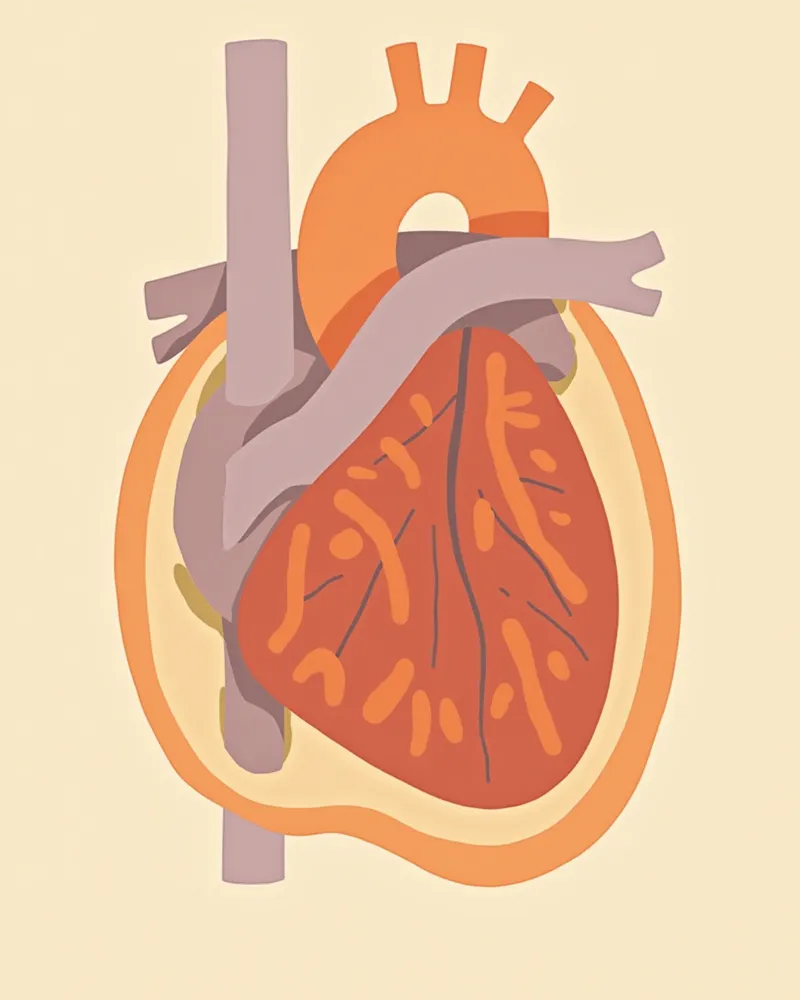
What Are the Severe Symptoms?

Signs Requiring Immediate Veterinary Attention
If your cat is struggling to breathe or their lips or tongue turn bluish, it can be life-threatening. This condition requires immediate veterinary attention. Attempting home emergency measures may worsen the situation, so it’s best to take your cat to the clinic as soon as possible.
How Is It Diagnosed?
What Are the Treatment Options?
Key Points for Home Management

Comparison of Response Measures by Symptom Severity
| Item | Key Signs | Emergency Response | Whether to Visit the Hospital |
|---|---|---|---|
| Mild | Slightly rapid breathing, decreased activity, increased respiratory rate | Let them rest comfortably at home, provide oxygen if needed | Schedule a veterinary consultation |
| Moderate | Open-mouth breathing, coughing, increased respiratory rate | Prepare to go to the hospital immediately, monitor respiratory status | Visit immediately |
| Severe | Bluish lips, lethargy, difficulty breathing, mouth breathing | Transport to the emergency room, provide oxygen and sedation | Immediate emergency treatment required |
If symptoms worsen, you must visit the hospital immediately. In particular, emergency measures including thoracocentesis require sterile procedures and specialized equipment, so they are only possible in a professional setting.
Reviewed by a veterinarian

Dr. Tony — Punnawat Phongkittirak
VeterinarianA veterinarian who majored in veterinary medicine at Khon Kaen University, Thailand, and completed the IVSA program at North Carolina State University in the United States. Drawing on clinical experience at animal hospitals, he works in the pet healthcare field and is dedicated to building a digital care environment that connects pet parents with veterinarians.
Reviewed 2026-06-29
Frequently Asked Questions
Can feline mastitis be treated?
Can it recur?
Can I drain the fluid from my pet’s chest at home?
If your cat has had pleural effusion, how should you manage their care going forward?
Is feline pleural effusion hereditary?
Share
Related Guides

Top Recommended Feline Bronchodilators and Selection Criteria: A Complete Guide

Best Recommendations and Selection Criteria for Monitoring Your Cat’s Respiratory Rate (RR) During Sleep for Heart Care

Best Recommendations and Selection Criteria for Monitoring Your Dog’s Respiratory Rate (RR) During Sleep for Heart Care

Rice-like Granules Around Your Dog’s Anus — Tapeworm Causes and When to Visit the Vet

Canine Mast Cell Tumor Treatment by Grade and Post-Operative Care — A Step-by-Step Guide for Pet Owners

Emergency First Aid for Cats Accidentally Treated with Dog Tick Medication (Pyrethrin) — Symptoms, Treatment, and Prognosis Overview
Feline Bladder Stones: Which Prescription Diet Is Right? — How Diets Differ by Stone Type

If Your Senior Cat Is Vocalizing at Night or Pacing — Symptoms and Management of Cognitive Dysfunction

What Is Dog Mange? — Demodex and Sarcoptic Mange Symptoms and Treatment

When to Deworm Cats for Roundworms: Schedules and Medication Guide for Kittens and Adults
References
[1] The Cat, Clinical Medicine and Management, 2nd Edition, 2020
[2] Plumb's Veterinary Drug Handbook, 9th Edition, 2022
[3] American College of Veterinary Internal Medicine (ACVIM) Guidelines on Feline Pleural Effusion, 2021