Like
Share
멍실장
강아지 슬개골 탈구 1~4단계 완벽 가이드

The Complete Guide to Stages 1–4 of Patellar Luxation in Dogs

JointQ&AMeongsiljang Veterinary Advisory Board

Patellar luxation in dogs is classified into four stages, and the treatment approach varies significantly depending on the stage. Here’s a summary of the symptoms, causes, and criteria for selecting treatments for each grade, based on veterinary textbooks.

Why Is It Important to Know the Exact Grade of Patellar Luxation in Dogs?
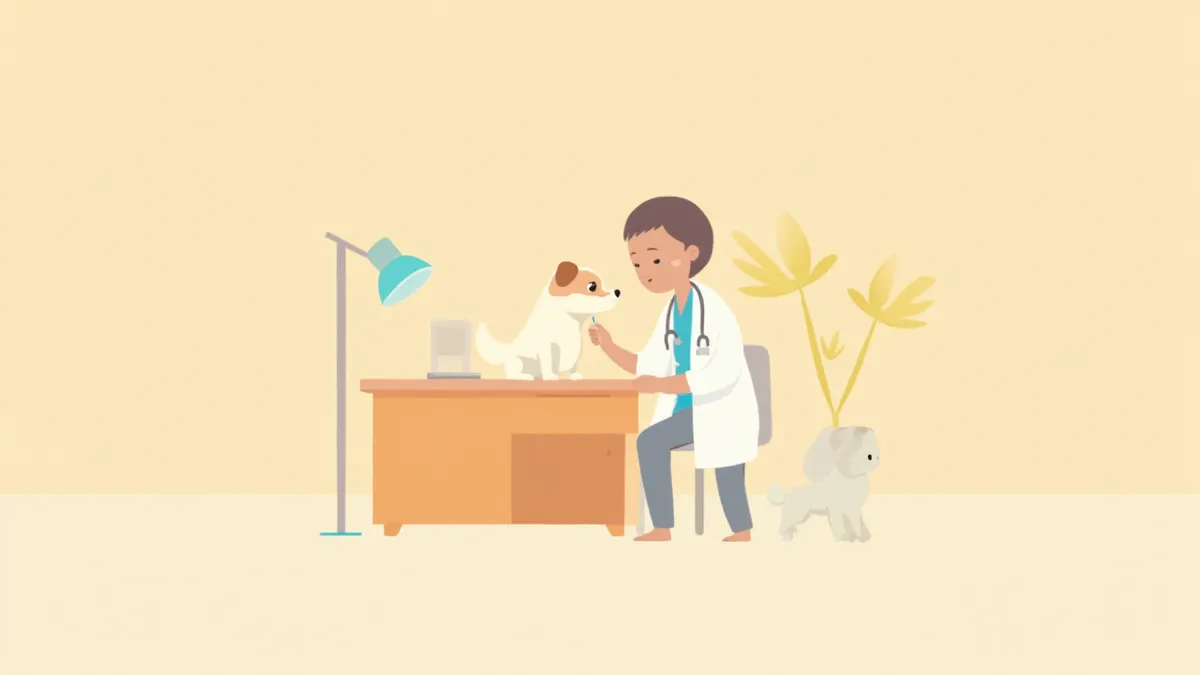
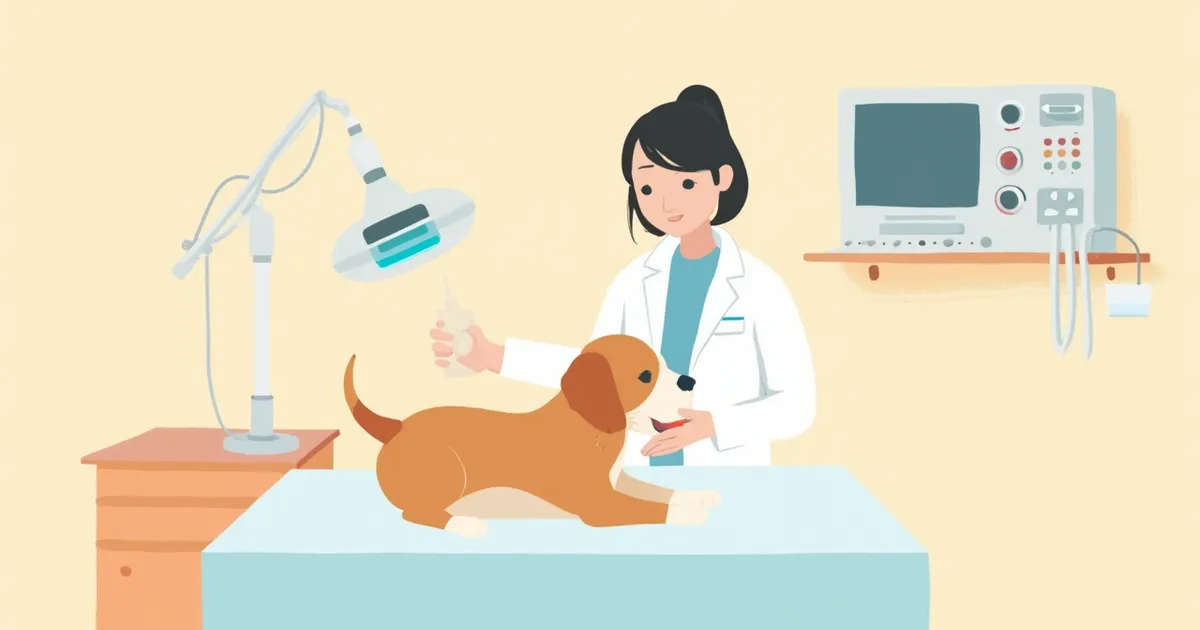
A small dog undergoing a knee examination at the veterinary clinic
Patellar luxation in dogs is an orthopedic condition classified into four stages based on the severity of kneecap displacement, with treatment approaches varying by stage. Stage 1 often requires only lifestyle management, whereas stages 3 and 4 typically necessitate surgery. Even with the same diagnosis of patellar luxation, failing to accurately determine the grade can lead to missed treatment windows or unnecessary worry. Obtaining an accurate grade diagnosis from a veterinarian is the first step toward proper treatment. There is a significant difference in management strategies and prognosis between cases where the dog occasionally lifts its hind leg and those where walking is severely impaired.

What Causes the Kneecap to Dislocate?

Patellar luxation isn’t just a problem with the kneecap alone. According to veterinary internal medicine textbooks, it results from a combination of several structural abnormalities.
Femoral abnormalities: If the lower part of the femur (thigh bone) curves inward, the kneecap is more likely to slip out of place.
Shallow trochlear groove: If the groove in which the kneecap moves (the trochlear groove) isn’t deep enough, the kneecap can easily dislocate.
Malposition of the tibial tuberosity: If the tibial tuberosity (the bump on the shin bone where the patellar ligament attaches) is shifted inward, it pulls the kneecap toward the inside.
Soft tissue imbalance: An imbalance in the pulling forces of muscles or ligaments can also contribute to the condition.

A Quick Comparison of Patellar Luxation Stages 1–4

Veterinarians classify patellar luxation into four grades based on physical examination. The higher the grade, the more severe the structural changes in the joint and the greater the impact on daily life.
GradePatellar StatusDaily SymptomsTreatment Approach
Grade 1Dislocates when pushed manually but returns to place spontaneously upon releaseAlmost noneWeight management + regular check-ups
Grade 2Dislocates spontaneously during knee flexion and extension; can be manually reducedIntermittent leg liftingLifestyle management + veterinary consultation
Grade 3Permanently dislocated; can be temporarily reduced manuallyFrequent limpingSurgery recommended
Grade 4Permanently dislocated; cannot be reducedGait disturbance + leg deformitySurgery essential

What Is Happening at Each Stage?

Stage 1: The joint structure is nearly normal. The patella only dislocates when manually pushed and returns to its groove immediately upon release. This stage is difficult for owners to notice and is often discovered incidentally during routine health checkups.
Stage 2: The patella dislocates spontaneously when the knee is bent or extended. You may begin to notice your pet suddenly lifting and dropping its hind leg while walking. Active management at this stage can help slow disease progression.
Stage 3: The patella is dislocated almost constantly, and articular cartilage damage is progressing. Misalignment of the leg bones also begins to occur.
Stage 4: The patella cannot be manually repositioned. Deformities of the femur and tibia are often present, making normal gait difficult.
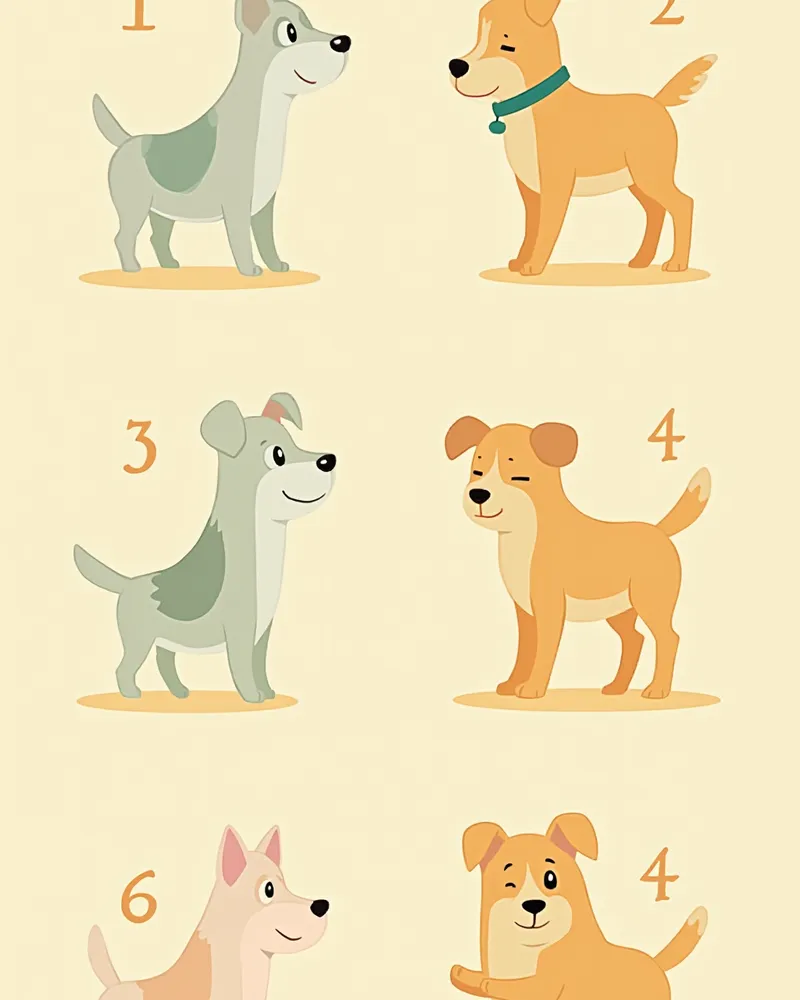
An educational illustration showing stages 1 through 4 of patellar luxation

If You Notice These Changes, the Grade May Be Progressing

If your dog, who previously only occasionally lifted a leg, is now noticeably limping more often or frequently shows weakness in the hind legs after walks, it may indicate that the condition is progressing. Untreated patellar luxation can lead to anterior cruciate ligament rupture or degenerative arthritis. If you notice any changes, please schedule a follow-up visit with your veterinarian.

Should Surgery Be Performed? Criteria for Selecting Treatment by Stage
Stage 1 — Observation: The key to management is weight control and providing a slip-resistant environment. Joint health supplements may be considered if needed, after consulting with your veterinarian. Follow your vet’s recommended schedule for regular check-ups to closely monitor any changes or worsening of symptoms.
Stage 2 — Decision Based on Condition: If symptoms occur frequently and cause pain, surgery should be considered. If symptoms are mild, conservative treatment can be used while monitoring the condition.
Stage 3 — Surgery Recommended: Joint damage has already progressed. The earlier the surgery, the better the recovery outcome.
Stage 4 — Surgery Essential: Bone deformation is present, making surgery more complex and recovery longer. Delaying further will make correction more difficult.
If you’re curious about the surgical process, check out the Patellar Surgery Guide for more details.
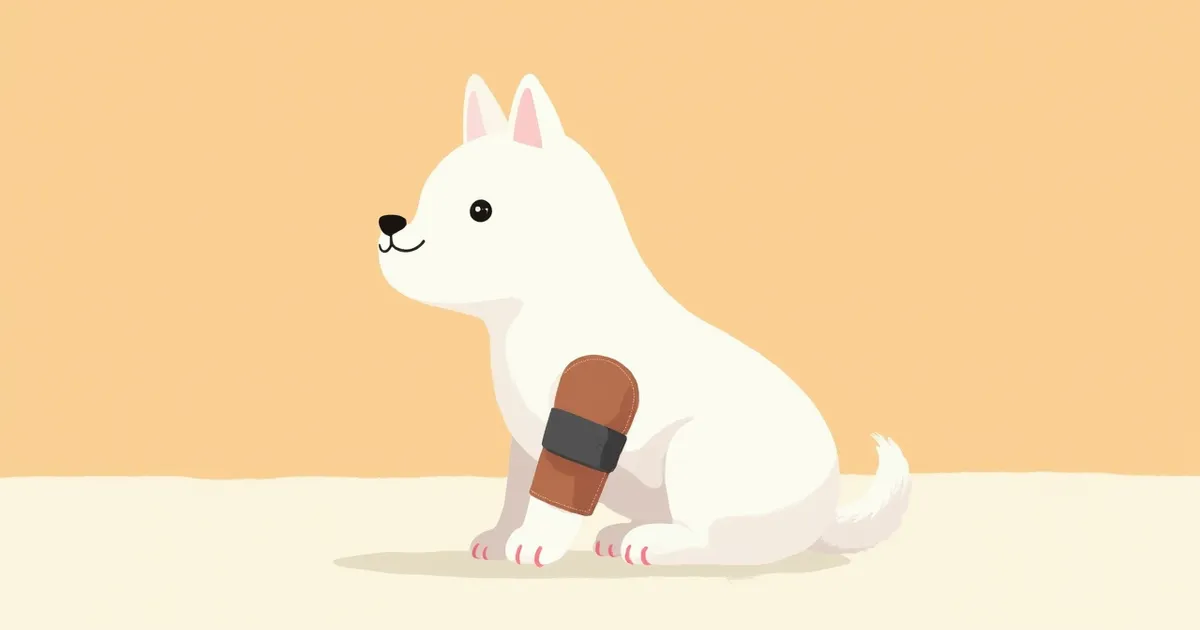
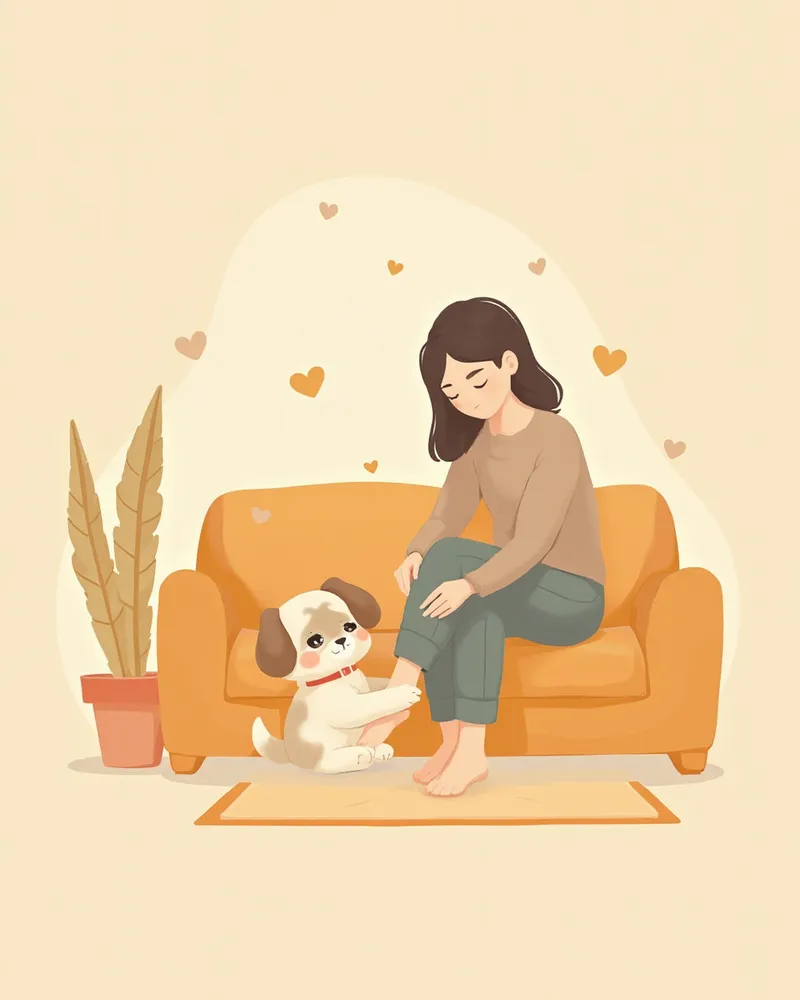
A dog receiving knee care from its owner

Common Surgical Procedures

According to veterinary orthopedic textbooks, patellar luxation correction surgery is typically performed by combining several surgical techniques.
Trochleoplasty: This procedure deepens the groove (trochlear groove) in which the kneecap moves, helping the patella sit more securely. It is the most fundamental technique.
Tibial Tuberosity Transposition: This surgery relocates and secures the bony prominence on the tibia where the patellar ligament attaches, correcting the direction of the pulling force on the patella.
Joint Capsule Plication: This technique tightens the lax joint capsule to reinforce it and prevent the patella from dislocating.
Your veterinarian will determine the optimal combination of procedures based on your pet’s condition and bone structure.

Lifestyle Management to Prevent Grade Progression
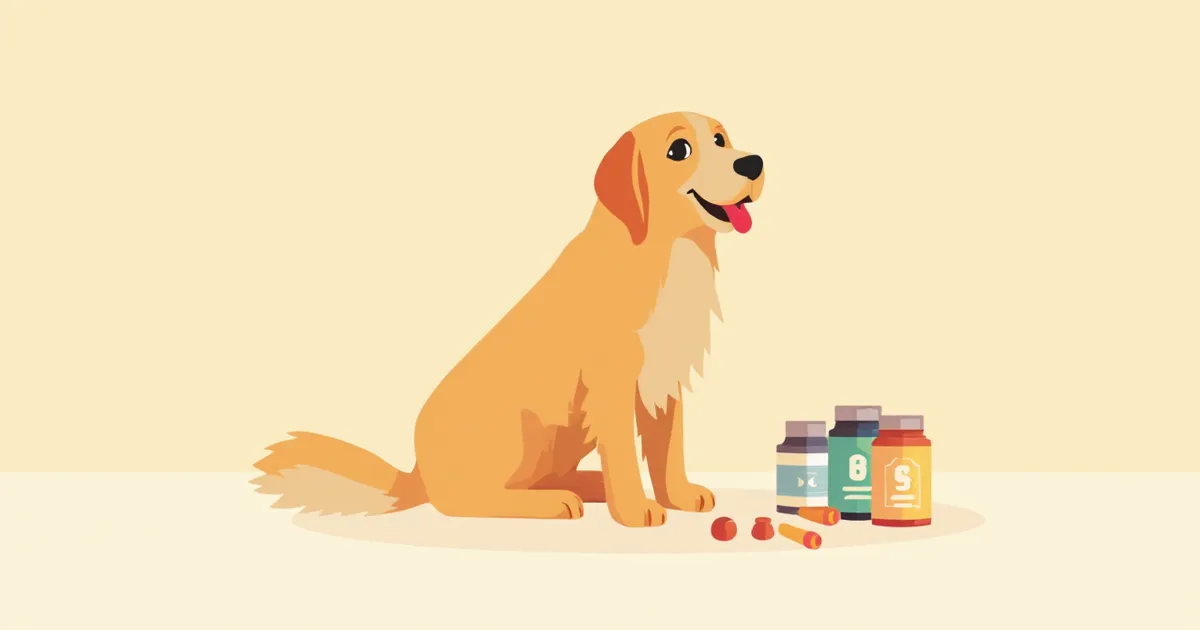
Maintain a healthy weight: Excess weight places direct stress on the knee joints. Keeping your pet at an optimal weight can significantly slow the progression of the condition. Prevent slippery floors: When legs splay out on slick surfaces, the risk of patellar luxation increases. Use rugs or non-slip mats to provide better traction. Avoid strenuous exercise: Jumping from heights, climbing stairs, and making sudden turns can cause significant impact on the knees. Stick to walks on flat, even ground. Consider joint supplements: Joint health supplements vary in ingredients and efficacy by product. Consult with your veterinarian to determine the appropriate type and dosage based on your pet’s condition and weight. It is important to follow professional guidance rather than choosing supplements on your own.
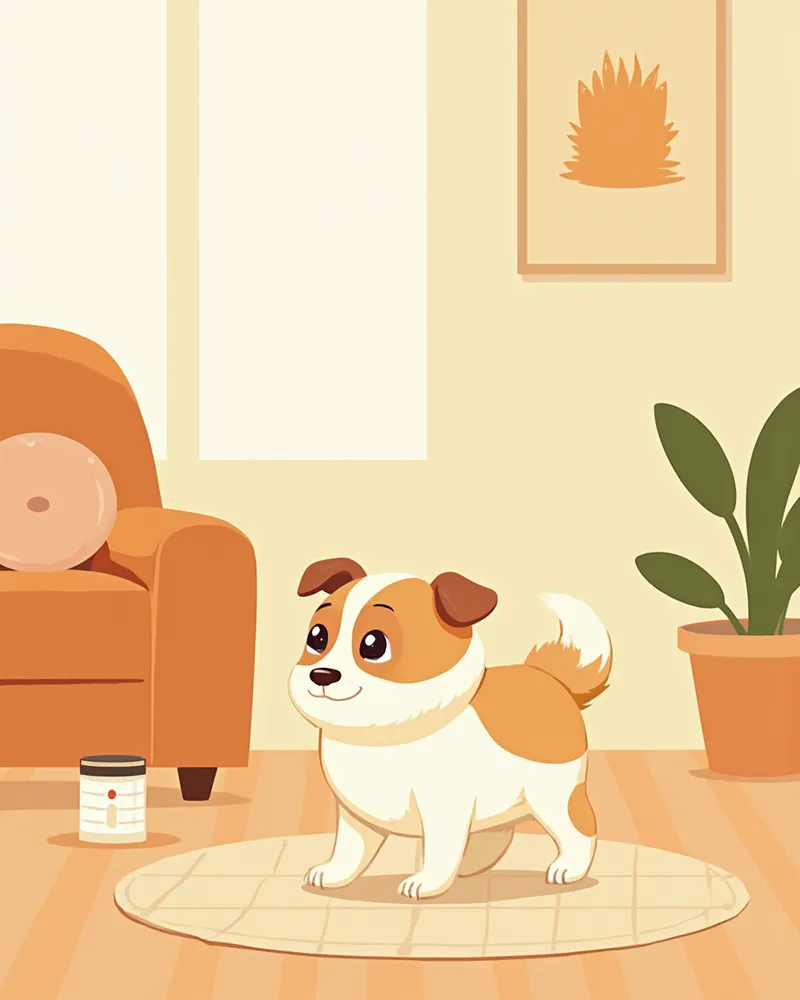
A puppy walking on a non-slip mat

Owners of Small-Breed Dogs Should Pay Special Attention

Small-breed dogs such as Pomeranians, Maltese, Chihuahuas, Yorkshire Terriers, and Toy Poodles have a higher predisposition to patellar luxation. Even if your dog shows no symptoms, we recommend having the patella evaluated during regular health check-ups starting at one year of age. The earlier it is detected, the greater the chance that lifestyle management alone can prevent progression. If you’d like to learn more about the signs of patellar luxation, please refer to our Patellar Luxation Symptoms Guide.

Reviewed by a veterinarian

Dr. Tony — Punnawat Phongkittirak

Dr. Tony — Punnawat Phongkittirak

Veterinarian

A veterinarian who majored in veterinary medicine at Khon Kaen University, Thailand, and completed the IVSA program at North Carolina State University in the United States. Drawing on clinical experience at animal hospitals, he works in the pet healthcare field and is dedicated to building a digital care environment that connects pet parents with veterinarians.

Frequently Asked Questions

Does the grade of patellar luxation increase over time?
While it doesn't always progress, the condition can gradually worsen if left unmanaged. It's important to maintain your pet's current health status through proper weight management and improvements in their living environment.
Can you check for patellar luxation at home?
An accurate grading requires a veterinarian’s physical examination. However, if your dog occasionally lifts its hind leg or suddenly starts limping while walking, it could indicate patellar luxation, so please have it checked at a veterinary clinic.
Can patellar luxation improve on its own?
Patellar luxation is a structural joint issue, so it won’t heal on its own. However, with consistent weight management and muscle strengthening in stages 1 and 2, you can help prevent the condition from worsening.
If both knees have patellar luxation, are they operated on at the same time?
Typically, we operate on the more severely affected side first, then proceed with the other side once recovery is complete. Performing surgery on both sides simultaneously would leave the patient without a leg to bear weight during recovery, making rehabilitation difficult.
Are there any supplements that help prevent patellar luxation?
It’s best to consult with your veterinarian before deciding whether to use supplements for joint health. Supplements alone cannot prevent or treat patellar luxation; the most important management strategies are maintaining a healthy weight, improving your pet’s living environment, and scheduling regular veterinary check-ups.

Share

Related Guides

References

[1] Clinical Medicine of the Dog and Cat, 4th Ed — Patella Luxation: pathophysiology, grading system, surgical options

[2] Textbook of Veterinary Orthopaedic Surgery — Chapter 11: Patellar Luxation, trochlear groove deepening, tibial tuberosity transposition

[3] 100 Top Consultations in Small Animal General Practice — Patellar luxation: clinical presentation and management

[4] The Dog Care Handbook: Things I Wish My Vet Had Told Me — Knee joint injuries, patellar luxation

This information is based on veterinary literature and does not replace diagnosis or treatment. Please consult a veterinarian for specific health concerns.

Metapet Co., Ltd. | CEO: Park Sung-yong | Business Reg. No. 417-88-02562 | Seoul, South Korea | Customer Center

Dog Patellar Luxation: Complete Guide to Grades 1–4 | Meongsiljang