Like
Share
멍실장
림프절 적출 수술, 언제 필요하고 어떻게 진행되나요?

Lymph Node Excision Surgery: When Is It Necessary and How Is It Performed?

ImmunityQ&AMeongsiljang Veterinary Advisory Board

We’ve put together a clear, easy-to-understand guide for pet owners on when lymph node removal surgery is necessary, what the procedure involves, anesthesia preparation, and key points for post-operative recovery and care.

What Is Lymph Node Excision Surgery?

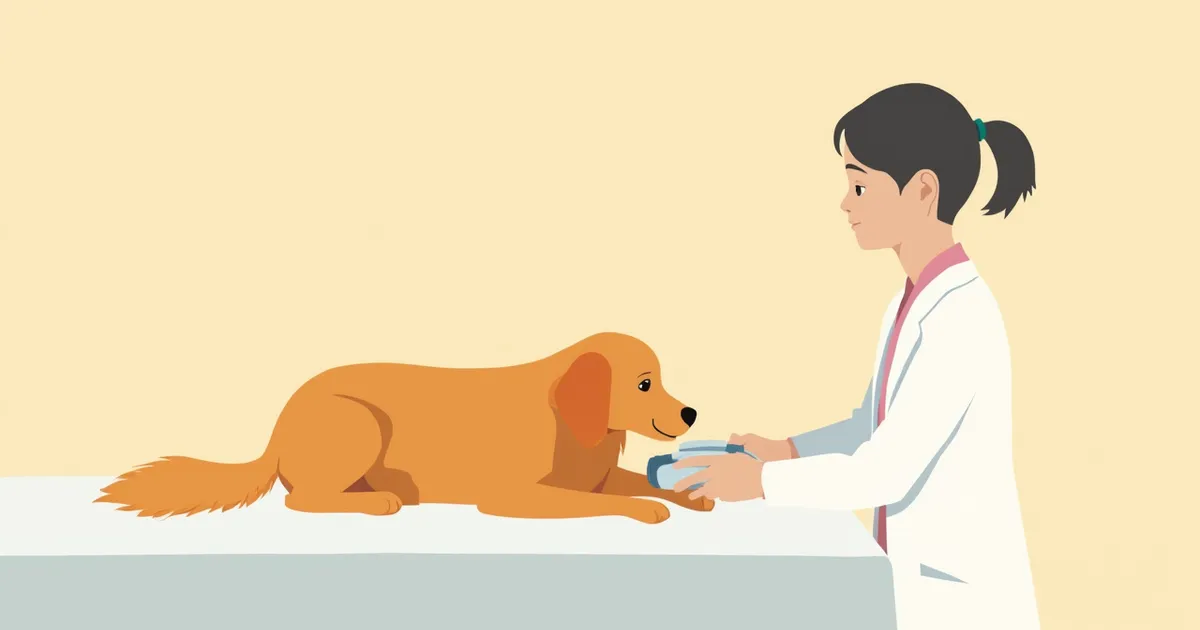
A veterinarian palpating the lymph nodes under a pet’s jaw.
Lymph node excision is a surgical procedure that removes abnormally enlarged or tumor-suspected lymph nodes for diagnostic and therapeutic purposes. The most critical question is "why remove it?" We don't simply remove swollen lymph nodes; instead, we decide on surgery only when abnormalities are confirmed through fine-needle aspiration (FNA) or biopsy, or when lymphoma or metastatic tumors are suspected. Since lymph nodes are directly connected to your pet's immune function, a veterinarian's careful judgment is essential.

When Is Surgery Necessary?

Not all swollen lymph nodes require surgical removal. If the swelling is temporary and caused by infection or an immune response, it may resolve with appropriate treatment of the underlying cause. However, surgical excision is recommended in the following situations: - Persistent enlargement: When a firm lymph node remains enlarged despite a negative tumor finding on fine-needle aspiration (FNA). - Confirmed diagnosis of lymphoma: When malignant cells are identified through cytology. - Assessment of metastasis: When it is necessary to examine the regional (draining) lymph node for tumor involvement. Since lymph node size alone cannot reliably determine metastasis, confirmation is made through excisional biopsy and histopathology. - Pain or compressive symptoms: When the swelling interferes with breathing, swallowing, or defecation. - Enlargement of unknown cause: When fine-needle aspiration is inconclusive and a full tissue examination is required for diagnostic purposes.

Pre-Surgical Preparation

According to veterinary surgery textbooks, pre-anesthetic testing is crucial for ensuring surgical safety. Typically, blood tests, chest X-rays, and abdominal ultrasounds are performed first to assess the patient’s overall health and check for any signs of metastasis. To minimize anesthesia risks, adequate fasting before surgery is essential. The specific fasting duration and whether water is allowed will be individually determined by your veterinarian based on the patient’s age, condition, and anesthesia protocol. Your veterinarian will also tailor the anesthesia and pain management plan according to the patient’s weight, age, and any underlying health conditions.

Lymph Node Excision vs. Fine-Needle Aspiration (FNA)

ItemLymph node excisionFine-needle aspiration
Anesthesia requiredGeneral anesthesiaNo anesthesia or mild sedation
Diagnostic accuracyHigh (examines whole tissue, optimal for detecting metastasis)Limited (limited for detecting metastasis, useful for initial screening)
Recovery periodA few days to weeks depending on surgical site and scaleSame-day recovery
Main purposeDefinitive diagnosis + treatmentInitial screening
Cost burdenHighLow

It is often performed in stages after consulting a veterinarian.

How Is the Surgery Performed?

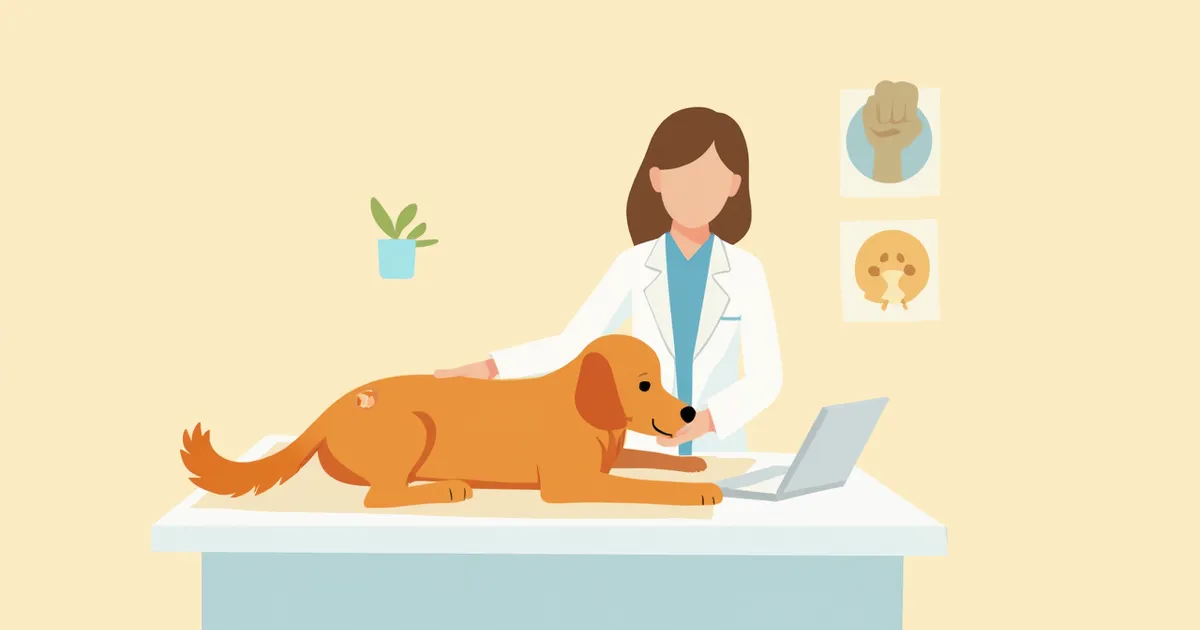
The surgery time varies depending on the lymph node’s location, size, and whether it’s adhered to surrounding tissues. After general anesthesia, the skin over the lymph node is incised, and the node is carefully removed while preserving nearby blood vessels and nerves. The excised tissue is always sent for histopathological examination to confirm whether it’s malignant and to assess the extent of invasion. The incision size and recovery time may vary slightly depending on the location, such as the submandibular, axillary, or inguinal areas.
A veterinarian performing a lymph node excision surgery in a sterile environment

Surgical Risks You Must Know

Because major blood vessels and nerves run close to the lymph nodes, surgery requires meticulous care. If the lymph node is firmly adhered to the walls of surrounding blood vessels or to muscle tissue, the risk of bleeding increases, and complete removal may be difficult or even impossible. Postoperatively, complications such as seromas (lymphatic cysts) caused by the accumulation of lymph or serous fluid, hematomas, infections, or wound dehiscence can occur. In rare cases, removal of deep abdominal nodes (such as the lumbar lymph nodes) has been associated with septic shock or transient urinary dysfunction. Therefore, it is safest to have the procedure performed by a surgeon with extensive experience. For senior cats and dogs, the burden of anesthesia may be greater, so thorough pre-anesthetic testing is recommended.

Post-Operative Recovery and Home Care

For 10–14 days after discharge, the following care is essential: - Wound care: Keep the e-collar on at all times to prevent licking or scratching. - Rest: Limit walks, stairs, and jumping; allow only low-activity indoor movement. - Diet: Maintain your pet’s regular diet, ensuring adequate protein intake. - Drainage tube: If a drain was placed, strictly follow the instructions for cleaning and monitoring. - Medication: Complete the full course of antibiotics and pain relievers. Biopsy results typically take 5–10 days to return. Further treatment will be determined based on those results.
A dog resting comfortably at home while wearing a neck collar.

Signs That Require a Return Visit to the Vet

Even if your pet is recovering at home, seek immediate veterinary care if you notice any of the following symptoms: - Increasing redness and swelling at the surgical site - Discharge of clear fluid or pus - Fever: A noticeably elevated temperature in the ears or rectum compared to normal - Loss of appetite lasting more than 48 hours - Limping or reduced sensation in the legs - Rapid, labored breathing While lymph sacs are relatively common during recovery, they can lead to infection if left untreated, so it is essential to have them checked.

Reviewed by a veterinarian

Dr. Tony — Punnawat Phongkittirak

Dr. Tony — Punnawat Phongkittirak

Veterinarian

A veterinarian who majored in veterinary medicine at Khon Kaen University, Thailand, and completed the IVSA program at North Carolina State University in the United States. Drawing on clinical experience at animal hospitals, he works in the pet healthcare field and is dedicated to building a digital care environment that connects pet parents with veterinarians.

Frequently Asked Questions

Will removing a lymph node weaken my pet’s immune system?
Removing one or two lymph nodes won’t significantly compromise your pet’s overall immune function. Lymph nodes are distributed throughout the body in multiple clusters, so if some are removed, the remaining ones can compensate for their function. However, if several lymph nodes in the same area are removed at once, lymphatic circulation in that region may temporarily slow down, potentially leading to the formation of a lymphocele (lymphatic cyst). In such cases, it’s important to monitor your pet’s condition closely.
How much does the surgery cost?
The cost varies significantly depending on the affected area, size, and anesthesia level, and a separate fee applies for the biopsy. Since pricing differs from one veterinary clinic to another, we recommend getting a detailed estimate beforehand.
Are cats operated on in the same way?
Yes, the basic principles are the same. In particular, excisional biopsy, which allows for examination of the entire tissue, often provides the most valuable diagnostic information for cats. However, since they can experience significant stress during recovery, it is especially important to provide a quiet environment and care from a familiar owner.
When can my pet start going for walks after surgery?
Until the sutures are removed (typically 10–14 days), limit bathroom trips to short walks only. After your veterinarian gives the all-clear, gradually increase exercise. To prevent pressure on the incision site around the neck, switch from a collar to a harness.
If it’s lymphoma, is surgery alone sufficient?
No. Lymphoma is a systemic disease, so surgery is used for diagnosis and partial debulking, while the main treatment is an anticancer protocol. Based on the biopsy results, we will collaborate with a veterinary oncologist to develop a treatment plan.

Share

Related Guides

References

[1] Fossum TW. Small Animal Surgery, 5th ed. Elsevier, 2019

[2] Withrow & MacEwen's Small Animal Clinical Oncology, 6th ed. Elsevier, 2020

[3] Grimm KA et al. Veterinary Anesthesia and Analgesia, 5th ed. Wiley-Blackwell, 2015

This information is based on veterinary literature and does not replace diagnosis or treatment. Please consult a veterinarian for specific health concerns.

Metapet Co., Ltd. | CEO: Park Sung-yong | Business Reg. No. 417-88-02562 | Seoul, South Korea | Customer Center

Lymph Node Removal Surgery in Dogs & Cats: Full Guide | Meongsiljang