Like
Share
멍실장
강아지 항문 주위 누공(독일 셰퍼드)

Perianal Fistulas in Dogs (German Shepherds)

ImmunityQ&AMeongsiljang Veterinary Advisory Board

We’ve compiled the causes, symptoms, and treatment options for perianal fistulas—particularly common in German Shepherds—based on standard veterinary internal medicine textbooks. Get a clear overview of immunosuppressants, surgical approaches, and key management tips all in one place.

What Are Perianal Fistulas in Dogs?

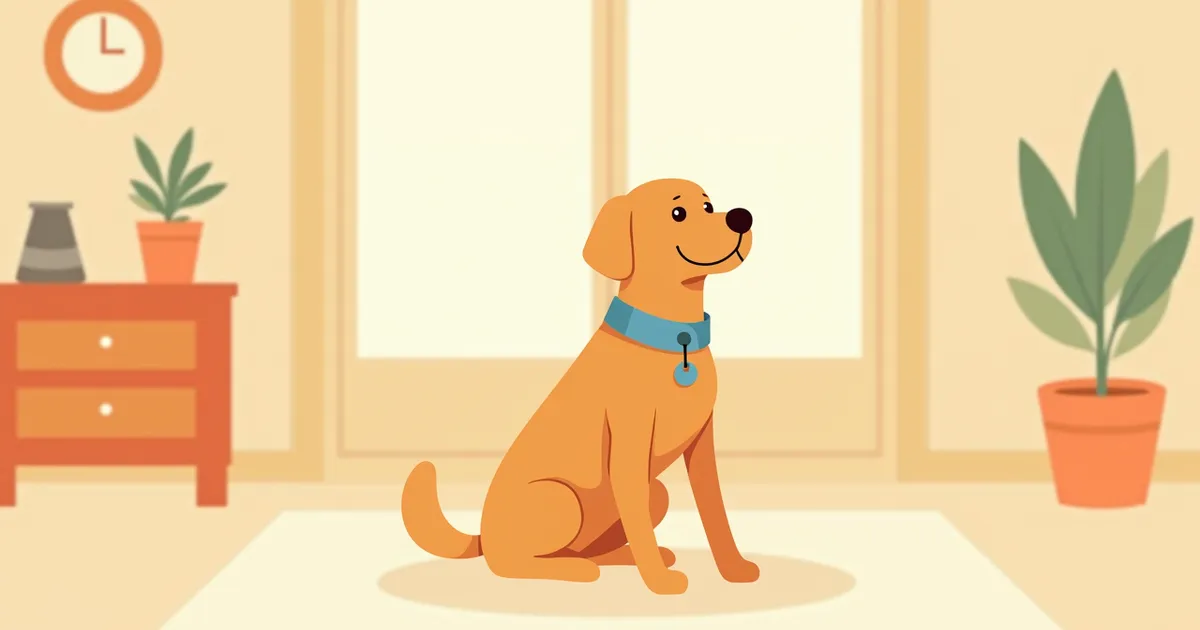
A German Shepherd, a breed prone to perianal fistulas, resting comfortably.
Perianal fistulas in dogs are a chronic, immune-mediated inflammatory condition characterized by the recurrent formation of pus-filled tunnels (fistulas) in the skin around the anus. These fistulous lesions typically do not connect directly to the inside of the rectum but are confined to the perianal skin and subcutaneous tissues. Early detection and consistent immune modulation are key. The condition is notably prevalent in middle-aged and senior German Shepherds, showing a clear breed predisposition. If left untreated, it leads to recurring pain, defecation difficulties, and relapses. If your dog frequently licks the anal area or cries out during defecation, have a veterinarian examine the entire perianal region immediately.

Why Are They Particularly Common in German Shepherds?

The most likely cause is an overactive immune response. According to veterinary internal medicine textbooks, perianal fistulas are classified as immune-mediated diseases caused by localized T-cell-mediated inflammation, rather than simple bacterial infections. German Shepherds have been reported to have a genetic susceptibility to this condition, and it is also known to occur more frequently in intact male dogs. Additionally, there is a correlation with gastrointestinal diseases such as colitis, so dogs with perianal fistulas may also exhibit digestive symptoms. In this way, a combination of immune and genetic factors, along with local T-cell hyperactivity, leads to the recurrent development of chronic inflammation, ulcers, and fistulas in the skin around the anus.

Checklist for Easily Overlooked Symptoms of Perianal Fistulas
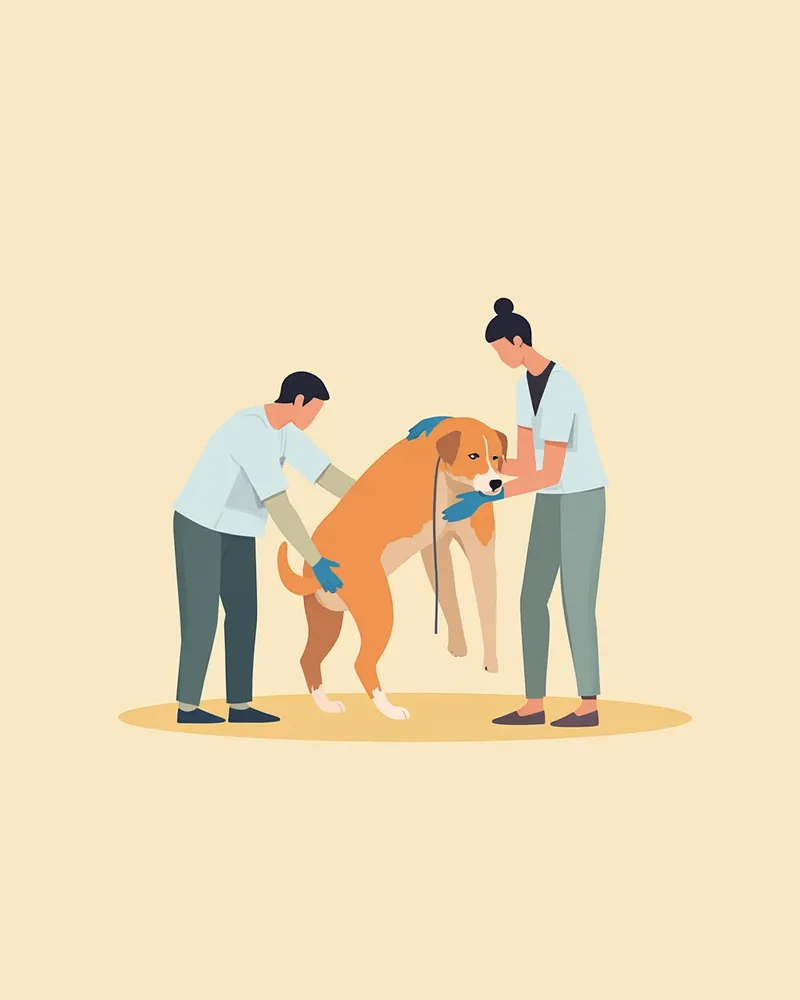
In the early stages, owners often mistake the condition for a simple anal gland issue. If your pet shows two or more of the following signs, you should suspect an anal fistula.
Licking around the anus: Due to pain or itching, your pet may lick its rear end constantly throughout the day.
Vocalizing during defecation: Passing stool irritates the fistula, causing your pet to whine, groan, or even snap.
Persistent odor around the anus: Pus and discharge cause a foul smell that lingers even after bathing.
Blood or mucus in stool: Although the fistula tract itself usually does not directly connect to the inside of the rectum, gastrointestinal symptoms such as straining, blood in the stool, mucus, and soft stools often occur together, making the stool appear mixed with blood or mucus.
Tail carriage: Your pet may hold its tail lower than usual and dislike having its tail touched.
Constipation or refusal to defecate: Pain may cause your pet to withhold stool, which can worsen constipation.
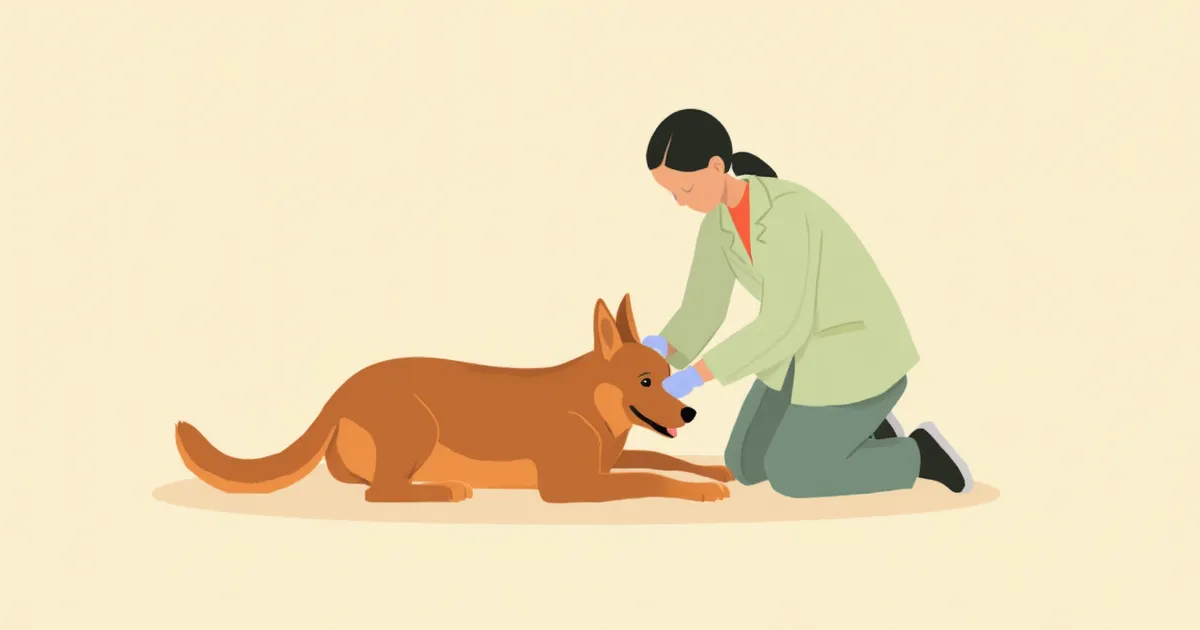
A veterinarian carefully examining the area around a puppy's anus.

These Signs Require Immediate Veterinary Attention

If you notice pus draining or a bleeding opening around the anus, the fistula has already ruptured through the skin. Additionally, if your dog hasn’t had a bowel movement for over 24 hours, or if the area around the anus becomes red and swollen and your dog strongly resists being touched there, don’t delay—go to an emergency clinic right away. Severe pain may also cause loss of appetite, fever, and lethargy.

How Is Diagnosis Performed at the Clinic?

Diagnosis begins with a visual inspection of the perianal area and a digital rectal examination. The veterinarian carefully palpates the area around the anus with a gloved hand to assess the fistula openings, their depth, and the condition of the surrounding tissues. If the dog is in significant pain, the procedure may be performed under sedation or anesthesia. If necessary, imaging tests are added to determine the depth and extent of the fistula and to rule out tumors. If infection is suspected, bacterial culture of the discharge is performed. If a tumor is suspected, fine-needle aspiration or a biopsy is conducted, and histopathological examination is also important to differentiate from anal sac inflammation or rectal tumors.

How Is Treatment Carried Out?

In the past, surgical removal of lesions was the standard approach, but due to high recurrence rates, immunosuppressive therapy is now the first-line treatment. The representative drug is cyclosporine, administered orally at a dose of 5–10 mg per kg of body weight once daily. In cases that respond well to treatment, remission (symptom relief) can be achieved within 8–12 weeks, after which the dose is often reduced for long-term maintenance therapy. Once large fistulas have improved, a calcineurin inhibitor such as topical tacrolimus (0.1%) may be added as adjunctive or maintenance therapy. If medications are ineffective or lesions are too deep, surgical options such as cryosurgery or laser surgery may be used in combination. Your veterinarian will determine the dosing schedule and dosage based on your pet’s weight and the severity of the lesions.
A bottle of cyclosporine, an immunosuppressant medication, sitting next to a dog’s food bowl.

Comparison of Treatment Methods

ItemCyclosporine (first-line)Surgery (cryotherapy·laser)Dietary change alone
Timing of applicationStandard right after diagnosisNo response to medication / deep lesionsMild early stage / adjunctive
Treatment durationSome achieve remission after 8–12 weeks; long-term maintenance therapy may be requiredOne session + 2–4 weeks recoveryMonitoring for 8 weeks or more
Recurrence rateModerate (may recur upon discontinuation)High (when used alone, insufficient underlying immune modulation)High (evidence for maintaining remission alone is unclear)
Cost burdenMonthly medication cost burdenHigh surgery·anesthesia costsRelatively inexpensive
CautionsRegular blood tests for kidney·liver function requiredComplications such as wound dehiscence·fecal incontinence·stricture possibleUnclear evidence on whether remission can be maintained with this alone

The exact choice should be decided after examination by a veterinarian.

How to Manage at Home

To prevent recurrence, medication must be combined with consistent hygiene management.
Perianal cleanliness: Gently wipe the area with lukewarm water or saline solution after defecation.
Hypoallergenic diet: In some dogs, food antigens can worsen inflammation. Consult your veterinarian about changing their diet.
Weight management: Obesity reduces air circulation around the anal area.
Stress reduction: Immune-mediated conditions are sensitive to stress. Regular walks and a stable environment are important.
Elizabethan collar: In the early stages, use an e-collar to prevent licking and avoid irritating the wound.

Essential Precautions While Taking Immunosuppressants

While your dog is taking cyclosporine, their immune system will be suppressed, so it’s important to be extra cautious with vaccinations and where they walk. Live vaccines should only be given after coordinating with your veterinarian, and you should avoid contact with other sick dogs as well as grassy areas with soil or feces. Even if symptoms improve, never stop the medication on your own. Regular blood tests are necessary to monitor liver and kidney function, as well as drug levels in the bloodstream.

Reviewed by a veterinarian

Dr. Tony — Punnawat Phongkittirak

Dr. Tony — Punnawat Phongkittirak

Veterinarian

A veterinarian who majored in veterinary medicine at Khon Kaen University, Thailand, and completed the IVSA program at North Carolina State University in the United States. Drawing on clinical experience at animal hospitals, he works in the pet healthcare field and is dedicated to building a digital care environment that connects pet parents with veterinarians.

Frequently Asked Questions

Can anal fistulas be completely cured?
Rather than aiming for a complete cure, the realistic goal is to maintain long-term remission (a symptom-free state). Many dogs can live stably by using immunosuppressants for a certain period and then switching to a low-dose maintenance therapy. However, abruptly stopping the medication often leads to frequent relapses.
Does this only happen in German Shepherds?
Not at all. It has also been reported in other breeds such as Irish Setters, Beagles, Border Collies, and Staffordshire Bull Terriers. Although the incidence is lower, it can still occur in these breeds, so please make it a habit to regularly check your pet’s perianal area.
How do you differentiate it from anal sac inflammation?
Anal sacculitis occurs when secretions accumulate in the anal sacs, causing inflammation; symptoms typically improve immediately after the sacs are expressed or drained. In contrast, an anal fistula involves the formation of holes or tunnels in the skin around the anus, leading to a chronic condition where symptoms persist even after the anal sacs have been emptied. Since distinguishing between these two conditions can be difficult, please have your pet examined at a veterinary clinic.
Can't we do the surgery first?
In the past, surgery was the primary treatment, but due to its high recurrence rate and the risk of complications such as fecal incontinence, immunosuppressants are now used first. Surgery is considered only when the condition does not respond to medication or when the lesions are too deep, and immune-modulating therapy remains necessary even after surgery.
Can changing the diet alone make a difference?
In some dogs, food antigens can trigger inflammation, and switching to a hypoallergenic or novel-protein diet may lead to improvement. However, dietary changes alone are often insufficient, and the best results are achieved when combined with medication. Please always consult your veterinarian before making any dietary changes.

Share

Related Guides

References

[1] Ettinger SJ, Feldman EC. Textbook of Veterinary Internal Medicine, 8th Edition — Perianal Fistula (Anal Furunculosis) chapter

[2] Fossum TW. Small Animal Surgery, 5th Edition — Anal and Perianal Disease

[3] Patterson AP, Campbell KL. Managing anal furunculosis in dogs. Compendium on Continuing Education, 2005

[4] House AK et al. Evaluation of the effect of two dose rates of cyclosporine on the severity of perianal fistulae lesions. Vet Surgery, 2006

This information is based on veterinary literature and does not replace diagnosis or treatment. Please consult a veterinarian for specific health concerns.

Metapet Co., Ltd. | CEO: Park Sung-yong | Business Reg. No. 417-88-02562 | Seoul, South Korea | Customer Center

Perianal Fistulas in Dogs: Why German Shepherds Are Prone | Meongsiljang