

Puppy Socialization: Timing and Methods
We’ve put together a guide with the right ways to expose puppies to a variety of positive stimuli during their critical socialization period (3 to 14 weeks of age), along with a handy checklist.
Why Is Puppy Socialization Important?
Critical Socialization Period: 3 to 14 Weeks of Age
Weekly Socialization Developmental Stages
| Stage | Developmental Characteristics | Socialization Focus |
|---|---|---|
| 2–3 weeks of age | Eyes and external ear canals open; sensory development begins, including startle responses | Gentle handling; exposure to various textures |
| 4–7 weeks of age | Play with littermates; development of species-specific social behaviors | Maintain living with mother and littermates |
| 7–10 weeks of age | Primary socialization period; focus on the quality of experiences | Prioritize positive experiences; avoid forced exposure |
| 10–14 weeks of age | End of the sensitive socialization period | Gradually expand exposure to diverse people, environments, and sounds |
Proper Socialization Methods
Things to Watch Out for During Socialization
Forcing a fearful dog into exposure can backfire, cementing negative associations. Trembling, hiding, or whining are clear signs of fear and stress. When you notice these signals, never force interaction; instead, immediately increase distance and allow your dog to approach at their own pace. According to veterinary behavior textbooks, it is crucial to prioritize the quality of experiences throughout the socialization period. If your dog becomes overly frightened, end the session immediately, and avoid excessive stimulation that is inappropriate for their developmental stage.
Socialization Checklist
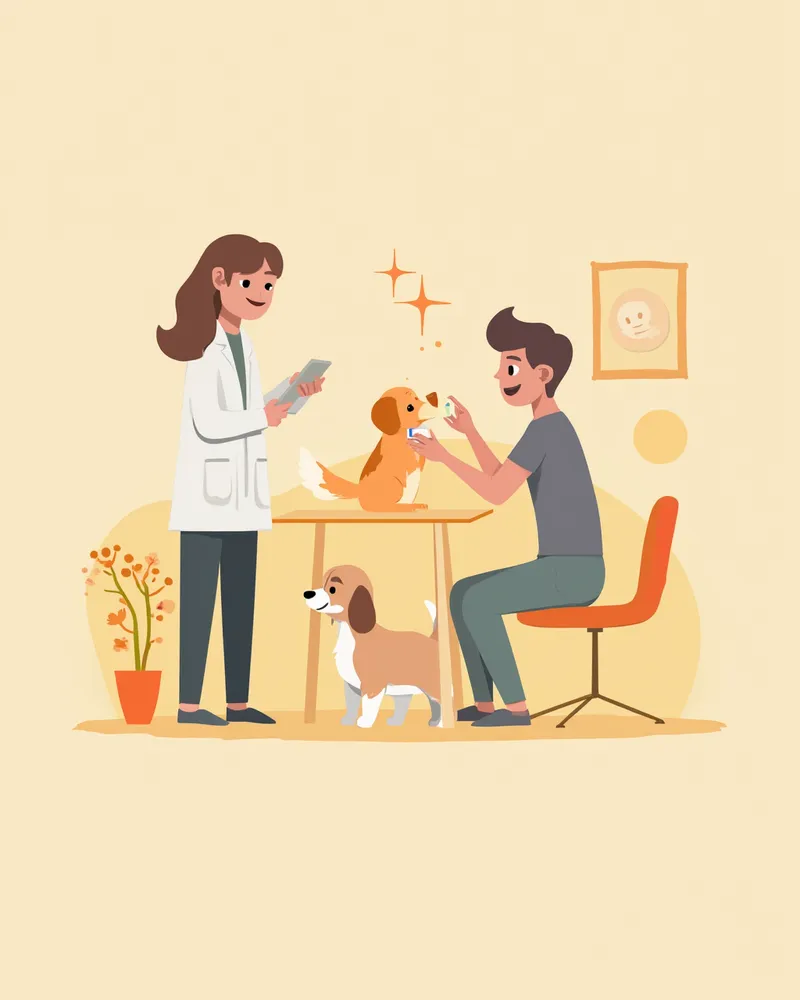
What If You Missed the Socialization Window?
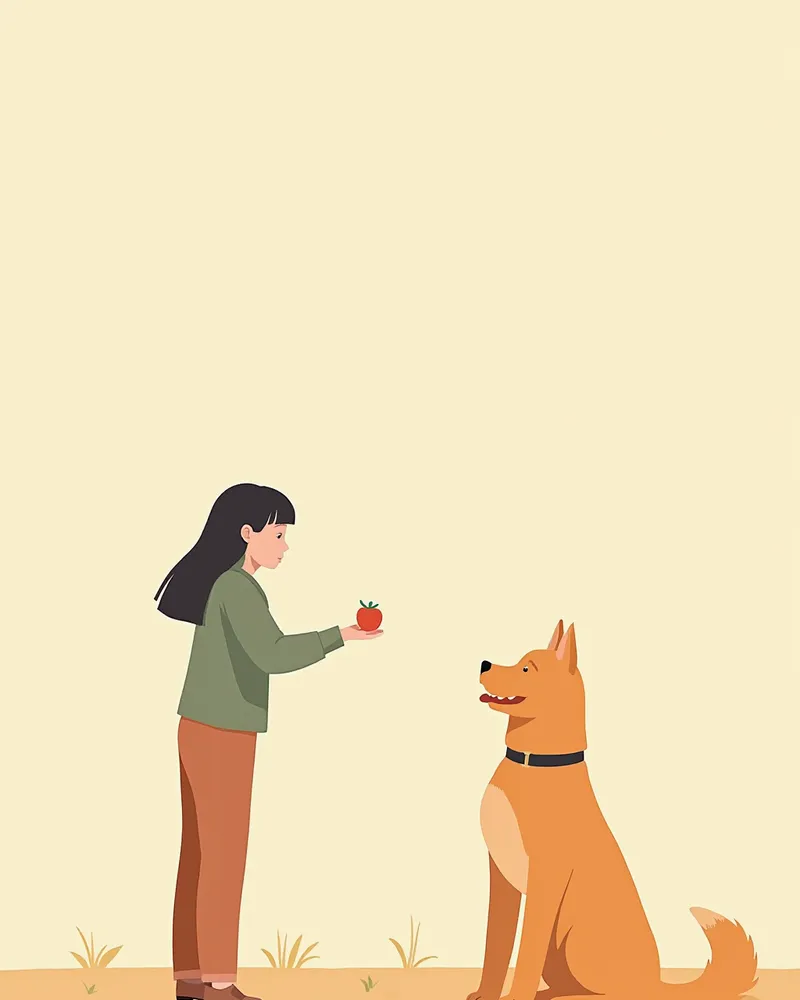
Socialization Before Vaccinations Are Complete
Many pet owners worry about the overlap between the critical socialization window and the vaccination schedule. However, socialization should not be delayed, even if the vaccination series is incomplete. You can safely proceed by choosing low-risk environments, such as clean indoor spaces, controlled interactions with fully vaccinated adult dogs, or puppy classes managed by professionals. Please wait until your puppy has completed all vaccinations before visiting public parks or streets where they may encounter an unknown number of dogs.
Reviewed by a veterinarian

Dr. Tony — Punnawat Phongkittirak
VeterinarianA veterinarian who majored in veterinary medicine at Khon Kaen University, Thailand, and completed the IVSA program at North Carolina State University in the United States. Drawing on clinical experience at animal hospitals, he works in the pet healthcare field and is dedicated to building a digital care environment that connects pet parents with veterinarians.
Reviewed 2026-04-16
Frequently Asked Questions
Until what age should I socialize my puppy?
My dog is afraid of other dogs. Is it okay to force them to meet?
Should I send my puppy to puppy kindergarten?
Can adult dogs still be socialized?
What problems can arise if a pet isn’t socialized?
Share
Related Guides

7 Behavioral Enrichment Strategies for Mental Stimulation Recommended by Veterinarians

Top 5 Calming Supplements for Dogs and Cats in 2026

L-Theanine Effects and Calming Support

Frequently Asked Questions About Feline Liver Tumors (Primary and Metastatic) — Key Information for Pet Owners

Why Do Cats Develop Coagulation Abnormalities with Liver Disease? — Bleeding Risks and Management Strategies

What Is Feline Hepatic Fibrosis and Cirrhosis? — Key Q&A on Symptoms to Prognosis

Frequently Asked Questions About Feline Liver Abscesses — Key Information Every Pet Owner Should Know

My Cat’s Eyes Have Turned Yellow — Bile Duct Obstruction: Is It an Emergency? Q&A on When to Visit the Vet
The Complete Guide to Feline Bile Acid Testing: Why It’s Needed and How to Read the Results – Q&A

What Is Feline Autoimmune Hepatitis? — A Comprehensive Guide to Symptoms, Diagnosis, and Treatment
References
[1] Landsberg G., Hunthausen W., Ackerman L., Veterinary Guide to Preventing Behavior Problems in Dogs and Cats, 2nd Edition
[2] Tynes V.V., Introduction to Animal Behavior and Veterinary Behavioral Medicine, Wiley-Blackwell
[3] The Veterinary Workbook of Small Animal Clinical Cases
[4] Houpt K.A., Domestic Animal Behavior for Veterinarians and Animal Scientists, 6th Edition, 2018
[5] Serpell J., The Domestic Dog: Its Evolution, Behavior and Interactions with People, 2nd Edition, 2017
[6] Freedman D.G., King J.A., Elliott O., Critical Period in the Social Development of Dogs, Science, 1961