Like
Share
멍실장
노묘 화장실 사용 변화 관리

My Senior Cat’s Litter Box Habits Have Changed — Is This Normal or a Sign of Illness?

ImmunityQ&AMeongsiljang Veterinary Advisory Board

If your senior cat suddenly stops using the litter box properly, it could be a sign of joint issues, cognitive decline, or other medical conditions. Here’s a breakdown of key checkpoints by cause and home care tips you can try.

What Are Changes in Litter Box Use in Senior Cats?
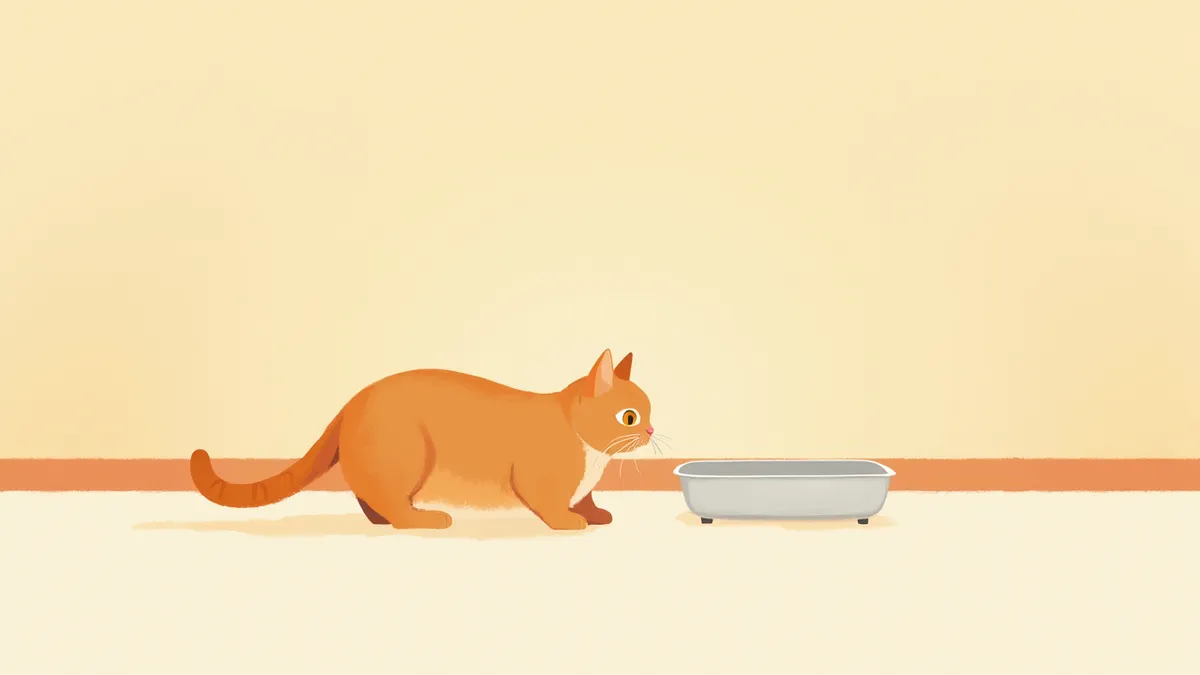
An elderly cat approaching a litter box with a low entrance.
Changes in litter box use in senior cats—such as avoiding their usual box, frequenting accidents, or shifts in posture and frequency—are common age-related behavioral shifts. The key takeaway is that this isn’t mere stubbornness; it’s a signal from their body. Underlying conditions like arthritis, chronic kidney disease, hyperthyroidism, or cognitive dysfunction often drive these changes, so it’s essential to check their health status before making any environmental adjustments.

Why Do Senior Cats Change Their Litter Box Habits?

As cats age, their bodies undergo various changes. Veterinary research indicates that behavioral issues appear in approximately 28% of cats aged 11 to 14, and in more than half of those over 15, with changes in litter box use being a prominent sign. Conditions such as arthritis, chronic kidney disease, lower urinary tract disease, and hyperthyroidism are commonly associated with these changes in older cats. Pain when stepping over the litter box edge, altered urination habits, or cognitive decline can make it difficult for them to use the litter box as they normally would. Rather than dismissing these changes as mere behavioral problems, they should be interpreted as signals from the body.

Check for These Changes

These are some common signs you can check for at home.
Hesitation at the entrance: Your pet paces around the litter box for a while before turning away.
Partial entry: They eliminate while keeping their hind legs outside the box.
Unstable posture: They struggle to squat or adopt a crooked position.
Increased accidents: Accidents occur right next to the litter box, on bedding, or on carpets.
Changes in urine volume: Urine clumps suddenly become much larger or smaller.
Frequent visits: They go to the litter box repeatedly, passing only small amounts each time.
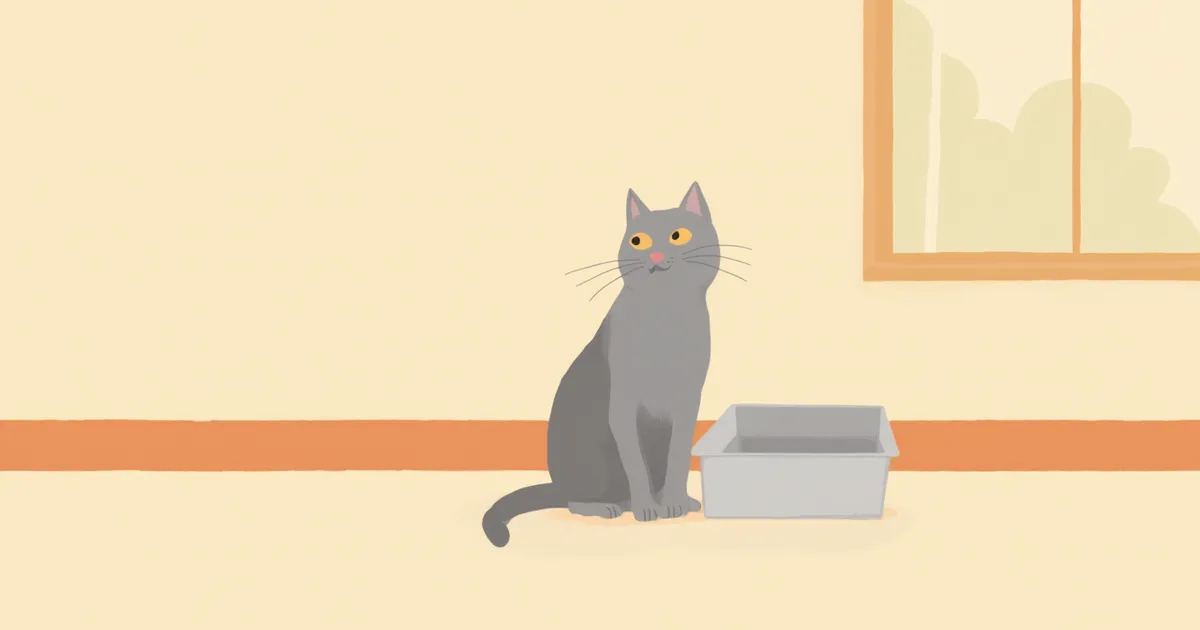
An elderly cat hesitating in front of the litter box

When to Go to the Vet Immediately

If your cat repeatedly assumes a urination posture without producing any urine, if you notice blood in the urine, or if there has been no urination or defecation for an extended period, it may be an emergency. Male senior cats are particularly at risk for urethral obstruction, so seek immediate veterinary care if these symptoms appear. You should also visit the clinic without delay if your cat drinks very little water yet suddenly produces more urine, or if it experiences rapid weight loss.

Comparison of Elimination Signals by Cause

ItemArthritisChronic kidney diseaseCognitive dysfunction
Frequently seen signsReluctant to step over the litter box edge / only partially climbs inIncreased urine output, increased water intakeEliminating in inappropriate places, confusion
Location of accidentsNear or beside the litter boxRegardless of location, not particular about locationCorners not previously used
Accompanying symptomsReduced jumping, stiffnessWeight loss, decreased appetiteCrying through the night, disorientation
Priority actionProvide a low-edged litter boxBlood and urine testsSimplify the environment, consult a veterinarian

This is a reference comparison table; an actual diagnosis requires a veterinary examination.

How to Adjust the Litter Box Environment for Senior Cats
For senior cats, accessibility to the litter box is even more important than the box itself.
Low entry: Switch to a box with a low rim or a shallow tray to reduce strain on their joints.
Adequate size: Choose a spacious box that allows your cat to comfortably turn around and change positions inside.
Increase the number of boxes: The general rule is one box per cat plus one extra; for senior cats, it’s ideal to have one on each floor.
Quiet location: Avoid placing boxes near noisy appliances like washing machines or boilers, and minimize the distance your cat needs to travel.
Slip prevention: Place mats around the box to prevent slipping and ensure stable footing.
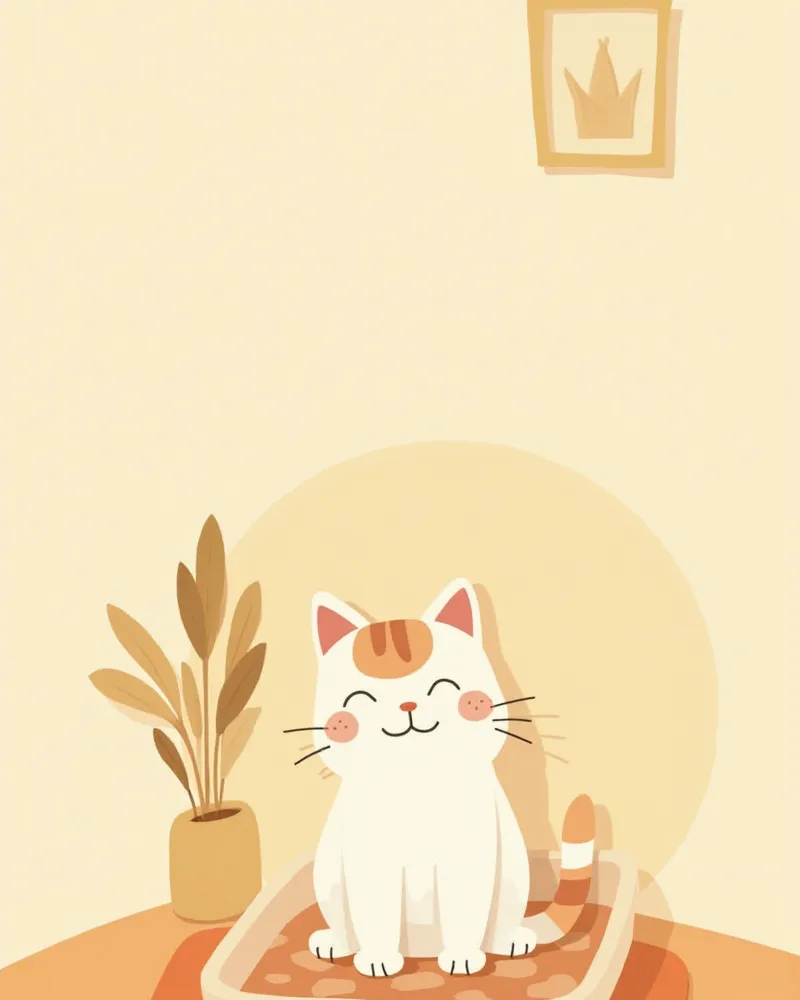
A low-entry litter box designed for senior cats, paired with a non-slip mat.

Litter and Cleanliness Management Tips

According to veterinary behavioral medicine textbooks, cats strongly prefer a clean litter box. Scoop waste at least once or twice daily, and replace the entire litter regularly. To prevent refusal, gradually transition to a new litter type by mixing it with the old one over one to two weeks. Avoid strong deodorizers and chemical cleaners; instead, clean the box with lukewarm water and a mild detergent.

Do Not Scold

Scolding or rubbing your senior cat’s nose in the mess will only make things worse. Increased fear and anxiety can cause them to dread the litter box altogether, leading to repeated accidents. Thoroughly clean soiled areas with an enzymatic cleaner to eliminate odors and prevent them from returning to the same spot, and treat your cat as you normally would. Identifying and addressing the underlying cause is far more important.

What Does the Vet Check?
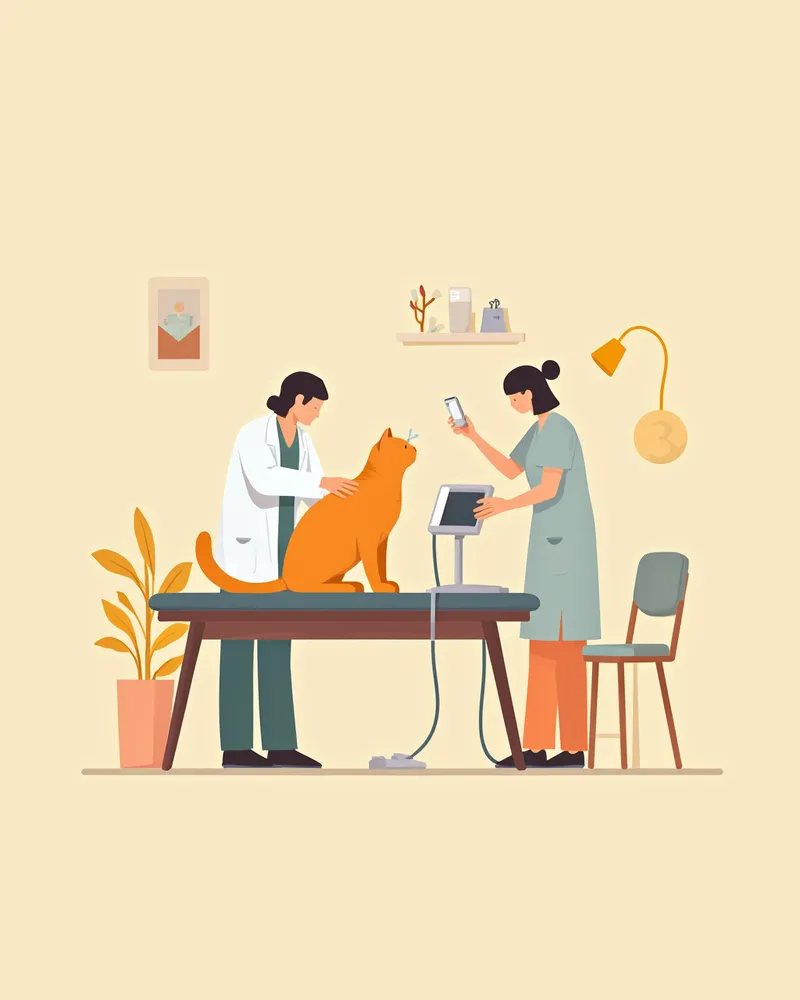
Veterinarians identify the underlying cause through physical examinations, blood and urine tests, and, when necessary, fecal analysis, abdominal ultrasounds, or X-rays. If arthritis is suspected, they conduct gait and pain assessments. Common conditions in senior cats, such as kidney disease, hyperthyroidism, and lower urinary tract disease, often manifest initially only through changes in elimination habits. Even in the absence of symptoms, regular health check-ups are the most reliable way to detect issues early.
A veterinarian gently examining an elderly cat.

Reviewed by a veterinarian

Dr. Tony — Punnawat Phongkittirak

Dr. Tony — Punnawat Phongkittirak

Veterinarian

A veterinarian who majored in veterinary medicine at Khon Kaen University, Thailand, and completed the IVSA program at North Carolina State University in the United States. Drawing on clinical experience at animal hospitals, he works in the pet healthcare field and is dedicated to building a digital care environment that connects pet parents with veterinarians.

Frequently Asked Questions

My senior cat is having accidents next to the litter box. Is this just because of age?
It’s more likely that there’s an underlying cause, such as arthritis or kidney disease, rather than simple aging. Don’t just change the environment—first, have your pet checked at a veterinary clinic.
I’m afraid to change the litter because I worry my cat might stop using it.
Senior cats are sensitive to changes. To minimize the risk of rejection, gradually transition by mixing 10–20% new litter into the existing litter over a period of 1–2 weeks.
Can I use an automatic litter box?
Many senior cats are startled by the noise and movement of automatic litter boxes. If your cat isn't already accustomed to using one, a standard tray with a low entry is a safer choice.
My pet’s urine output has suddenly increased. Since they’re drinking plenty of water, is that okay?
These symptoms could actually be early signs of kidney disease or hyperthyroidism. If excessive thirst and urination persist for more than a few days, immediate veterinary examination is necessary.
How many litter boxes should I have?
We recommend having one more litter box than the number of cats. For senior cats, who may have difficulty moving around, it’s best to place one in each room and in every main living area.

Share

Related Guides

References

[1] Little SE, The Cat: Clinical Medicine and Management, 2nd Edition, 2012

[2] Shaw JK, Martin D, Introduction to Animal Behavior and Veterinary Behavioral Medicine, Chapter 13

[3] Overall KL, Manual of Clinical Behavioral Medicine for Dogs and Cats, 2013

This information is based on veterinary literature and does not replace diagnosis or treatment. Please consult a veterinarian for specific health concerns.

Metapet Co., Ltd. | CEO: Park Sung-yong | Business Reg. No. 417-88-02562 | Seoul, South Korea | Customer Center

Senior Cat Litter Box Changes: Normal or a Sign of Illness? | Meongsiljang