
Like
Share
멍실장
강아지·고양이 마취 종류 — 전신·부분·국소 마취 차이

Types of Anesthesia for Dogs and Cats — Differences Between General, Regional, and Local Anesthesia

ImmunityQ&AMeongsiljang Veterinary Advisory Board

Anesthesia for pets is divided into three types: general, regional, and local. The veterinarian will determine the most appropriate method based on the type of procedure and the pet’s health status.

Learn About the Three Types of Anesthesia for Pets
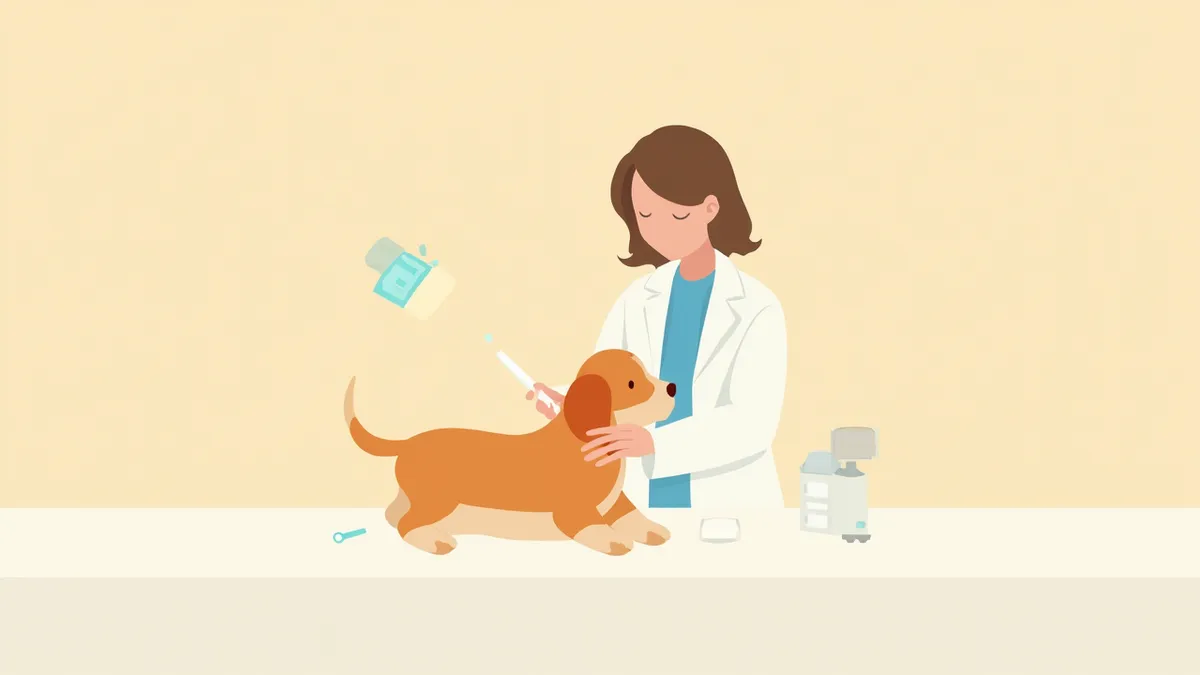
A veterinarian and a dog preparing for a procedure at an animal hospital
Anesthesia for pets is a medical procedure that blocks pain and regulates consciousness to ensure safe performance of surgeries or detailed examinations. Anesthesia is broadly categorized into general, regional, and local anesthesia, with veterinarians selecting the safest method based on the type of procedure and the pet’s health status. Understanding the differences among these three types of anesthesia in advance will make consultations with your veterinarian much smoother.

General Anesthesia — Completely Blocks Consciousness and Pain

General anesthesia completely eliminates consciousness and blocks pain throughout the body. It is primarily used for procedures that require the patient to remain still for extended periods, such as abdominal surgery, orthopedic surgery, and advanced imaging like CT or MRI scans.
Pre-medication: Sedative and analgesic drugs are administered before anesthesia to reduce anxiety and lower the required dose of the main anesthetic agent.
Induction: Consciousness is rapidly lost through an intravenous injection.
Maintenance: After intubation, a consistent depth of anesthesia is maintained throughout the surgery using inhaled anesthetic gases.
The pre-medication step ensures a smooth induction of anesthesia and helps reduce the total amount of anesthetic agents used.

Comparison of General, Regional, and Local Anesthesia at a Glance

ItemGeneral anesthesiaRegional anesthesiaLocal anesthesia
Scope of anesthesiaWhole bodySpecific region (e.g., lower body)Very small area
State of consciousnessCompletely lostMaintained or combined with general anesthesiaMaintained
Representative proceduresAbdominal/orthopedic surgery, CT/MRIEpidural anesthesia, cesarean sectionSkin mass removal, dental procedures
Duration of anesthesiaTens of minutes to several hours1–3 hoursWithin tens of minutes
Recovery speedSlowModerateFast

Actual use varies depending on the pet's health status and the type of procedure

Regional Anesthesia — Blocks Sensation in Specific Areas Only

Regional anesthesia involves injecting anesthetic agents near the spine or specific nerves to block sensation in a particular area of the body. Epidural anesthesia is a common example, frequently used for surgeries on the lower body or during cesarean sections. When combined with general anesthesia, it reduces the amount of anesthetic needed, easing the burden on senior pets with compromised heart or liver function. It is rarely used alone for surgery and typically serves as an adjunct to general anesthesia.
A veterinarian administering local anesthesia to a cat

Fasting Before Anesthesia Is Essential

Fasting is essential before anesthesia. Generally, food should be withheld for 8 to 12 hours prior to surgery, and water for 2 to 4 hours. If fasting is not observed, there is a risk of aspiration pneumonia if vomiting occurs during anesthesia and stomach contents enter the airway. Please strictly follow your veterinarian’s instructions for the exact fasting duration.

Local Anesthesia — Applied to Small, Specific Areas
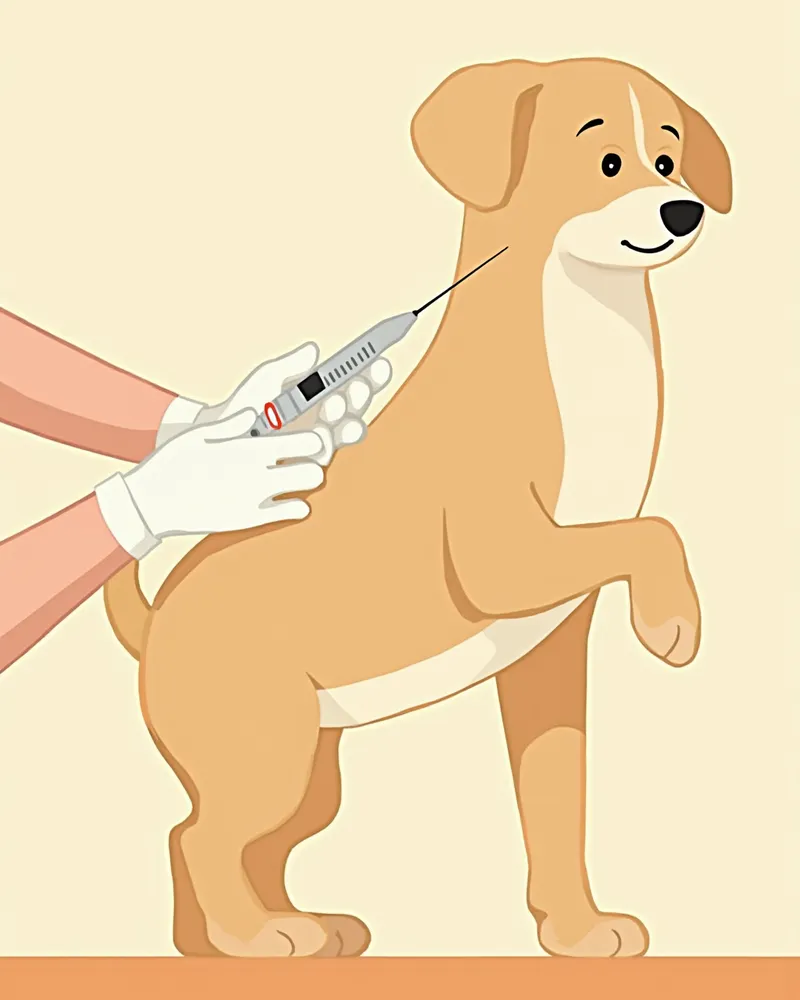
Local anesthesia involves applying an anesthetic to a small, specific area of the skin or mucous membranes. It is primarily used for relatively simple procedures such as removing small skin growths, suturing wounds, and dental treatments. The anesthetic is administered either by direct injection into the target area or applied topically in the form of a cream or spray. Since the animal remains conscious, a mild sedative is often given to help keep them still. Compared to general anesthesia, local anesthesia places less stress on the body and allows for a faster recovery.
A small dog receiving local anesthesia on its paw

Anesthesia Risk Factors and Pre-anesthetic Testing

While anesthesia can never be guaranteed as 100% safe, pre-anesthetic testing and real-time monitoring significantly reduce risks. Veterinary literature indicates that the risk of anesthesia-related mortality is influenced more by an animal’s health status than by species. In dogs, the overall anesthesia-related mortality rate is approximately 0.17%. This rate is lower, around 0.05%, in healthy individuals (ASA grades 1–2), but rises to approximately 1.33% in those with underlying diseases (ASA grades 3–5). This underscores the importance of accurately assessing health status before anesthesia.
Age: Young and geriatric animals have reduced physiological reserve, which can relatively increase anesthesia risk.
Health Status: Heart, liver, or kidney diseases can affect the metabolism of anesthetic agents.
Emergency Status: Emergency surgeries carry higher risks than planned procedures.
Body Weight: Obesity or extreme emaciation makes adjusting drug dosages more difficult.
Common anesthesia complications include hypotension, arrhythmias, regurgitation and vomiting during or after anesthesia, and aspiration pneumonia. Therefore, pre-anesthetic tests such as blood work, electrocardiograms, and chest X-rays are essential to identify hidden risks beforehand.

Anesthesia Precautions Vary by Breed

Brachycephalic breeds (such as Bulldogs, Pugs, and Persians) have narrower airways, requiring special attention to respiratory management during anesthesia. Sighthound breeds (such as Greyhounds and Whippets) have lower body fat, which alters the metabolism rate of anesthetic agents. Cats have been reported to have a higher risk of mortality during the post-anesthetic recovery period compared to dogs, making monitoring during recovery especially important.

Post-anesthesia Recovery: How to Manage It

The recovery period after anesthesia is the most critical time to watch. Cats, in particular, are prone to complications such as hypothermia, hypoxia, and respiratory irregularities during recovery, so they require close and continuous monitoring until their body temperature stabilizes and they regain full consciousness. If recovery is slow, actively support them with oxygen supplementation and external warming.
Temperature Management: Maintain a warm environment, as body temperature may drop after anesthesia.
Food and Water Restriction: Withhold food and water until instructed otherwise by your veterinarian.
Activity Restriction: Avoid strenuous movement on the day of the procedure and allow your pet to rest quietly.
Observation Points: Contact your clinic immediately if vomiting, staggering, or breathing difficulties persist for several hours.
Most pets return to normal within 24 hours, but recovery may be slower in senior animals or those with underlying health conditions.
A cat recovering under a blanket after surgery

Reviewed by a veterinarian

Dr. Tony — Punnawat Phongkittirak

Dr. Tony — Punnawat Phongkittirak

Veterinarian

A veterinarian who majored in veterinary medicine at Khon Kaen University, Thailand, and completed the IVSA program at North Carolina State University in the United States. Drawing on clinical experience at animal hospitals, he works in the pet healthcare field and is dedicated to building a digital care environment that connects pet parents with veterinarians.

Frequently Asked Questions

Is there a chance my pet won’t wake up after anesthesia?
The risk of anesthesia-related death in healthy pets is very low. You can significantly reduce this risk by having a thorough pre-anesthetic examination and choosing a clinic that provides real-time monitoring during the procedure.
Do cats and dogs have different anesthesia risks?
Anesthesia risk is more heavily influenced by a pet’s overall health than by their species. For example, while the anesthesia-related mortality rate in healthy dogs is as low as approximately 0.05%, it can rise to about 1.33% if underlying conditions are present. Cats are particularly prone to hypothermia and respiratory complications during recovery, so it is essential to closely monitor their temperature and breathing until they are fully stable before discharge.
Can older pets undergo anesthesia?
Advanced age alone isn't a reason to avoid anesthesia. However, as pets get older, their heart, liver, and kidney functions may decline, so we conduct thorough pre-anesthetic testing to assess risks before the veterinarian determines the appropriate anesthesia protocol.
What happens if a pet isn’t fasted before anesthesia?
If vomiting occurs during anesthesia, food can enter the airway and cause aspiration pneumonia. It’s essential to strictly follow the fasting period recommended by your veterinarian.
Is it normal for my pet to be wobbly after anesthesia?
It’s normal for pets to be temporarily unsteady or dazed right after waking up from anesthesia. They usually recover within a few hours, but if the symptoms last more than 24 hours or if you notice signs of seizures, please contact your vet immediately.

Share

Related Guides

References

[1] Brodbelt D. Perioperative mortality in small animal anaesthesia. Vet J. 2009;182:152-161

[2] Brodbelt DC, Blissitt KJ, Hammond RA, et al. The risk of death: the confidential enquiry into perioperative small animal fatalities. Vet Anaesth Analg. 2008;35(5):365-373

[3] Pypendop BH, Ilkiw JE. Drugs and Techniques in Feline Anesthesia. In: Little SE, ed. The Cat: Clinical Medicine and Management. 2nd ed. Elsevier; 2012

[4] Englar RE. Planning a Feline Castration. In: The Veterinary Workbook of Small Animal Clinical Cases. 5M Publishing; 2019

This information is based on veterinary literature and does not replace diagnosis or treatment. Please consult a veterinarian for specific health concerns.

Metapet Co., Ltd. | CEO: Park Sung-yong | Business Reg. No. 417-88-02562 | Seoul, South Korea | Customer Center

Anesthesia Types for Dogs & Cats: General, Regional, Local | Meongsiljang