

How to Read Your Dog’s Blood Test Results
We’ll walk you through the key items on your dog’s blood test results and what they mean, explained in simple terms for pet owners. You’ll find easy-to-understand interpretations of each component in routine blood tests and serum chemistry panels, along with practical guidance on how to respond if any values fall outside the normal range.
Understanding Your Dog’s Blood Test Report

Two Types of Blood Tests
Key Items in a Complete Blood Count
| Parameter | What It Assesses | When Elevated | When Low |
|---|---|---|---|
| Red Blood Cells (RBC) | Oxygen-carrying capacity | Dehydration, polycythemia | Anemia |
| White Blood Cells (WBC) | Immune and inflammatory response | Infection, inflammation, stress | Immunosuppression |
| Platelets (PLT) | Blood-clotting ability | Inflammation, reactive thrombocytosis | Risk of bleeding |
| Hematocrit (HCT) | Proportion of red blood cells | Dehydration | Anemia |
| Hemoglobin (HGB) | Oxygen-binding protein | Dehydration | Anemia |
Key Items in a Serum Chemistry Panel
| Test | Organ Assessed | Elevated Levels | Low Levels |
|---|---|---|---|
| ALT (Liver Enzyme) | Liver | Hepatitis, liver damage | Rare |
| BUN (Blood Urea Nitrogen) | Kidneys | Kidney disease, dehydration | Liver disease, hypoproteinemia |
| CREA (Creatinine) | Kidneys | Kidney failure, dehydration | Decreased muscle mass |
| GLU (Blood Glucose) | Pancreas | Diabetes, stress | Hypoglycemia |
| TP (Total Protein) | Systemic | Dehydration, inflammation | Malnutrition |
| ALB (Albumin) | Liver, Kidneys | Dehydration | Liver disease, renal loss |
When Quick Action Is Needed
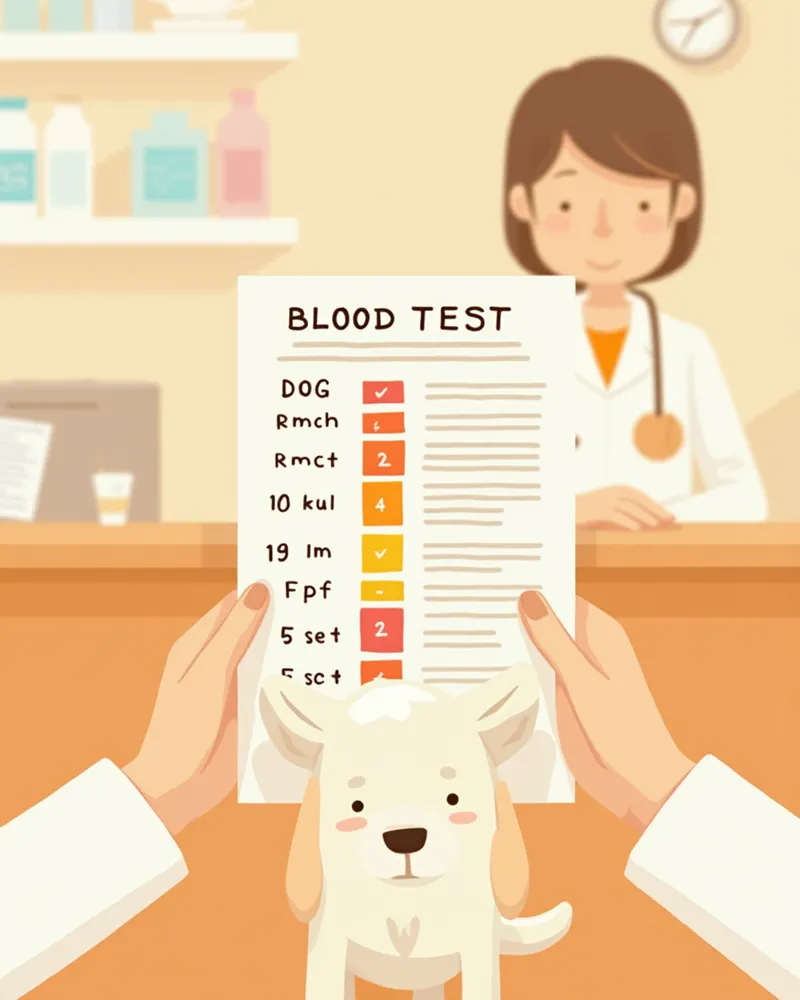
If any of the following values fall significantly outside the reference range, consult your veterinarian immediately. • Red blood cells significantly below the reference range → Severe anemia; a blood transfusion may be necessary. • White blood cells extremely high or low → Possible serious infection or bone marrow disorder. • Liver enzymes significantly above the reference range → Possible acute liver damage. • Blood urea nitrogen and creatinine both elevated → Possible kidney failure. • Blood glucose extremely low → Hypoglycemic emergency.
How to Interpret Values in Combination

Pre-Test Preparation and Regular Testing Intervals

What Pet Owners Must Remember
Blood test results are like a snapshot of your pet’s health on that particular day. It’s difficult to confirm a disease based on a single result. A slightly abnormal value doesn’t necessarily mean a serious illness, and even if the results are within the normal range, sudden changes compared to previous tests may require attention. Instead of trying to interpret the results on your own through internet searches, it’s most accurate and safe to have your veterinarian explain the overall context.
Reviewed by a veterinarian

Dr. Tony — Punnawat Phongkittirak
VeterinarianA veterinarian who majored in veterinary medicine at Khon Kaen University, Thailand, and completed the IVSA program at North Carolina State University in the United States. Drawing on clinical experience at animal hospitals, he works in the pet healthcare field and is dedicated to building a digital care environment that connects pet parents with veterinarians.
Reviewed 2026-04-19
Frequently Asked Questions
How much does a blood test for dogs typically cost?
Does my dog feel a lot of pain during blood draws?
Does a normal blood test result mean my pet is completely healthy?
At what age should puppies start getting blood tests?
Can I bring my pet’s previous medical records from another clinic to your hospital?
Share
Related Guides

Primary vs. Secondary Veterinary Hospitals: A Comparison

5 Easy-to-Raise Cat Breeds for First-Time Owners — Grooming Difficulty Comparison

Top 7 Short-Legged Dog Breeds

If You Feel a Lump on Your Cat’s Thyroid — Differences Between Nodules and Cysts and How to Handle Them

What are hormonal imbalances in pregnant and lactating cats — what signs to watch for after delivery

What is Radioactive Iodine Therapy for Cats? — From Process to Cost and Care

How to Administer Insulin Injections to Cats — How to Adjust the Dosage

My Cat Keeps Collapsing — Is It a Sign of Hypoglycemia? Causes and Emergency Response
What Is Feline Hypocalcemia — Emergency Signs You Shouldn’t Miss

If Your Cat Is Constantly Losing Weight — Symptoms and Diagnosis of Hyperthyroidism
References
[1] Stockham SL, Scott MA. Fundamentals of Veterinary Clinical Pathology, 3rd Edition. Wiley-Blackwell. Chapter 2–6: Hematology & Clinical Chemistry.
[2] Tilley LP, Smith FWK. Blackwell's Five-Minute Veterinary Consult: Canine and Feline, 7th Edition. Wiley-Blackwell.
[3] Silverstein DC, Hopper K. Small Animal Critical Care Medicine, 3rd Edition. Elsevier. Appendix: Reference Ranges for Dogs and Cats.