Like
Share
멍실장
고양이 림프종 COP 치료 자주 묻는 질문 Q&A — 보호자가 꼭 알아야 할 핵심

What is COP treatment for feline lymphoma? — How to manage efficacy and side effects

Oncology/CancerQ&AMeongsiljang Veterinary Advisory Board

We’ve compiled the key questions pet owners most commonly ask about COP treatment for feline lymphoma. Here, you’ll find practical information on treatment efficacy, side effects, and survival times.

What is COP treatment for feline lymphoma?

Treatment for feline lymphoma using the COP protocol involves a combination chemotherapy regimen of cyclophosphamide, vincristine (Oncovin), and prednisolone. This multi-drug protocol is primarily used for rapidly dividing lymphomas, such as large-cell (high-grade) types. In contrast, the standard management for small-cell (low-grade) alimentary (gastrointestinal) lymphoma typically involves slower-acting medications, such as a combination of prednisolone and chlorambucil. Treatment proceeds according to the schedule set by your veterinarian, with regular blood tests conducted before and after chemotherapy administration to monitor your cat’s condition. - COP Therapy: This approach combines three drugs—cyclophosphamide, vincristine, and prednisolone—with a focus on suppressing rapidly dividing lymphoma cells. - Treatment Schedule: Chemotherapy agents are administered in repeated cycles at set intervals. Blood cell counts are checked before and after each administration to adjust the subsequent schedule as needed. - Treatment Goals: The aim is to achieve tumor remission (including complete remission), alleviate symptoms, and extend survival time. Expected outcomes vary depending on the type and grade of the lymphoma.
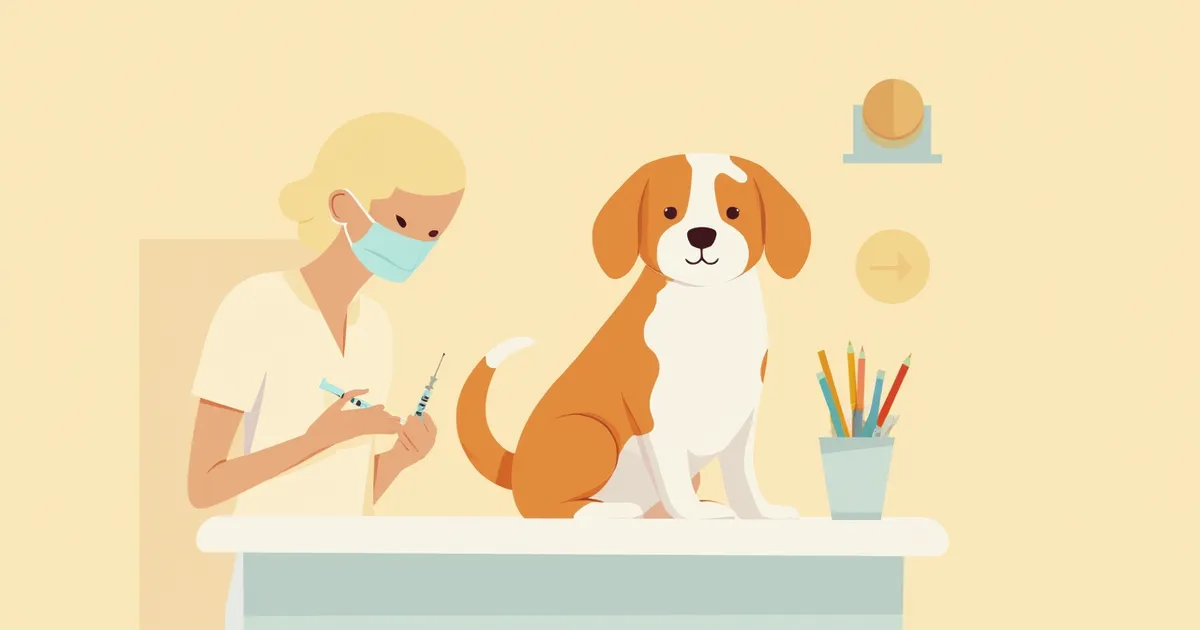
A veterinarian explaining a treatment plan for chronic obstructive pulmonary disease (COP) to a cat owner.

What are the main effects of COP treatment?

Combination chemotherapy, including COP, can help slow the progression of feline lymphoma and alleviate symptoms. In particular, low-grade (small-cell) alimentary lymphoma achieves complete remission in approximately 55% to 76% of cases with combination therapy using prednisolone and chlorambucil, with a median survival time reported at 14 to 36 months. However, these figures vary depending on the type and grade of lymphoma and the treatment protocol, so expected outcomes for high-grade (large-cell) lymphoma are assessed differently. - Treatment efficacy: Response varies depending on the stage at diagnosis, the grade and morphology of the lymphoma, and the presence of metastasis. - Response assessment: Tumor status is monitored through regular physical examinations, imaging, and blood tests throughout the course of treatment. - Long-term management: Regular check-ups are necessary to monitor for recurrence, even after remission is achieved.
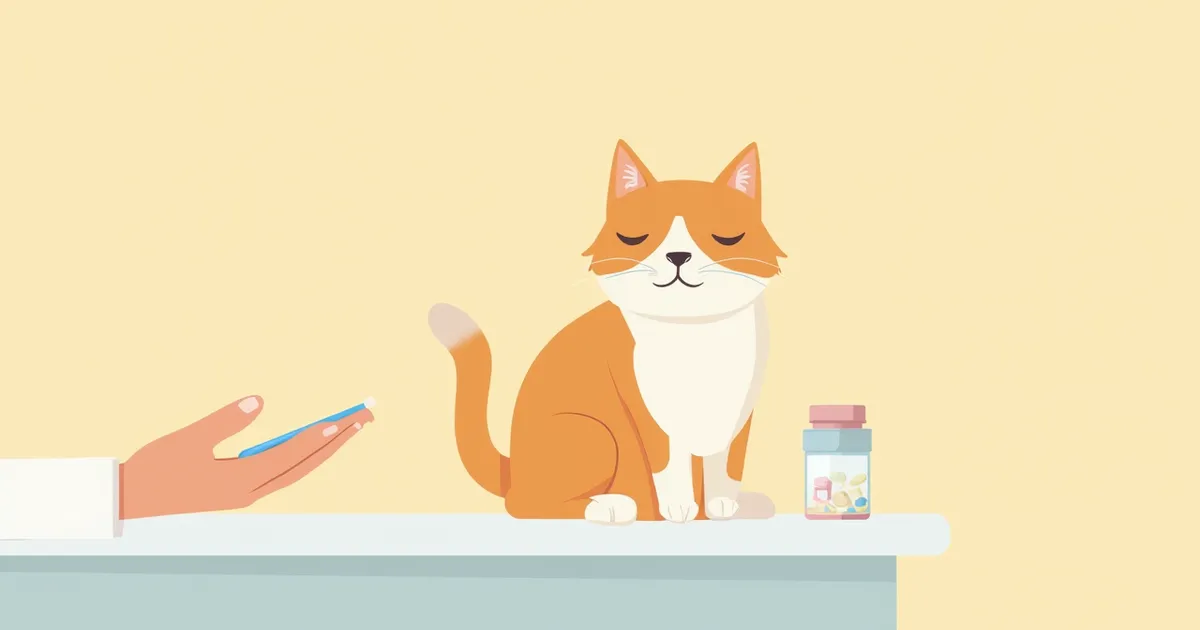
A playful cat enjoying itself after treatment

What are the main side effects of COP treatment?
The most common side effects of COP chemotherapy are hematologic toxicity and gastrointestinal symptoms. Your pet may experience nausea, loss of appetite, and lethargy. A drop in white blood cell counts, particularly neutrophils, can increase susceptibility to infection. If you notice any unusual signs, such as a change in urine color, please consult your veterinarian rather than making your own judgment. - Managing Side Effects: White blood cell and neutrophil counts are monitored through weekly blood tests before and after chemotherapy administration. If counts are low, the schedule for the next dose is adjusted accordingly. - Preventive Measures: To reduce the risk of infection, minimize outdoor activities and clean the litter box or potty area thoroughly every day. - Emergency Response: Immediate veterinary attention is required if severe vomiting, fever, or decreased consciousness occurs.
A cat that has undergone a blood test is lying comfortably.

How long does COP treatment last?

The duration of chemotherapy, including the COP protocol, varies depending on the type and grade of lymphoma, the patient’s response to treatment, and the severity of side effects. In cases of low-grade lymphoma, which progresses slowly, maintenance therapy may continue over a long period, ranging from several months to years. Chemotherapy is administered according to a set schedule, with blood tests conducted before and after each session to guide decisions on the timing of the next dose and whether to continue treatment. Since treatment plans are individualized, regular check-ins with your veterinarian are essential. - Criteria for ending or maintaining treatment: The decision is based on repeated tests confirming that the tumor remains stable in remission. - Preparing for recurrence: Even after treatment ends, regular check-ups are necessary to monitor for any signs of relapse. - Individualized care: Every cat responds differently, so treatment plans should always be discussed with your veterinarian.
A calendar to track the treatment period and a picture of the cat

Seek immediate veterinary care for sudden worsening of symptoms during treatment

If your cat experiences severe vomiting, fever, bloody stools, or decreased consciousness, seek veterinary care immediately. These symptoms may indicate serious side effects or infection. Prompt veterinary intervention is essential; if necessary, the next chemotherapy dose may be delayed or the schedule adjusted to ensure safe management.

Things to manage alongside COP treatment

During COP chemotherapy treatment, it’s important to maintain your cat’s appetite and encourage adequate water intake. If food consumption decreases, offer smaller, more frequent meals. To help prevent infections, limit outdoor exposure and keep the litter box clean. Using veterinarian-recommended supplements can also be beneficial. - Nutritional management: Choose high-calorie, easily digestible foods. - Hydration support: Place multiple water bowls around the home or use an automatic water fountain that provides a steady flow of fresh water. - Regular check-ups: Monitor your cat’s condition with blood tests and imaging every 2–3 visits during treatment.
A cat enjoying a healthy meal and drinking water.

COP treatment vs. single-drug treatment comparison

ItemCOP (Combination) ChemotherapySingle-Agent Therapy
Complete remission response rateVaries by lymphoma grade and tends to be higher with combination protocols (about 55%–76% for low-grade alimentary lymphoma)Tends to be lower than combination therapy
Median survival timeVaries widely from several months to several years depending on lymphoma type and gradeGenerally tends to be shorter than combination therapy
Side effectsHematologic and gastrointestinal toxicity possibleTends to be relatively fewer
Treatment costHighLow

Complete remission rates and survival times vary greatly depending on the type and grade of lymphoma and the treatment protocol. Approximately 55%–76% complete remission and 14–36 months survival are values reported for low-grade alimentary lymphoma treated with combined prednisolone and chlorambucil, and do not apply the same way to all cases. Treatment choice is decided in consultation with your veterinarian based on the patient's condition.

Caution regarding drug interactions

Using other medications (such as pain relievers or antibiotics) alongside COP treatment can cause serious side effects. Always inform your veterinarian about all medications your pet is taking. Self-prescribing is strictly prohibited.

Reviewed by a veterinarian

Dr. Tony — Punnawat Phongkittirak

Dr. Tony — Punnawat Phongkittirak

Veterinarian

A veterinarian who majored in veterinary medicine at Khon Kaen University, Thailand, and completed the IVSA program at North Carolina State University in the United States. Drawing on clinical experience at animal hospitals, he works in the pet healthcare field and is dedicated to building a digital care environment that connects pet parents with veterinarians.

Frequently Asked Questions

Can a cat get sick again after treatment for FIP?
Yes, some patients may experience a recurrence after treatment. However, if the cancer returns, COP therapy can be tried again, and in some cases, this can help extend the patient's lifespan.
Can COP treatment be done at home?
While some medications can be given orally at home, injectable drugs must be administered at the clinic. It is important to follow your veterinarian's instructions for accurate dosing.
Is it okay if my cat loses its appetite during treatment?
Loss of appetite is a common side effect, but if it persists, it can lead to worsening nutritional status. Consider using supplements or adjusting the diet as recommended by your veterinarian.
Does COP treatment affect a cat's quality of life?
While your cat may experience temporary fatigue at the start of treatment, most cats go on to live active, vibrant lives once therapy is underway. Your veterinarian can monitor their condition and make adjustments as needed.
How much does COP treatment cost?
A single treatment course (4 weeks) typically costs around $1,000 to $2,000, including regular check-ups and medication.

Share

Related Guides

References

[1] Clinical Medicine of the Dog and Cat, 4th Edition, Elsevier, 2023

[2] The Cat: Clinical Medicine and Management, 2nd Edition, Wiley-Blackwell, 2021

[3] 100 Top Consultations in Small Animal General Practice, Elsevier, 2022

This information is based on veterinary literature and does not replace diagnosis or treatment. Please consult a veterinarian for specific health concerns.

Metapet Co., Ltd. | CEO: Park Sung-yong | Business Reg. No. 417-88-02562 | Seoul, South Korea | Customer Center

What Is COP Treatment for Feline Lymphoma? Managing Effects | Meongsiljang