
How to Administer Insulin Injections to Cats — How to Adjust the Dosage
In managing feline diabetes, insulin injection techniques and dose adjustments are key. We’ve compiled practical questions and answers that pet owners should know.
Insulin Injection Technique and Dosage Adjustment Are Key to Diabetes Management in Cats
Basic Principles of Insulin Injections and Timing

Key Criteria for Adjusting Injection Dosage

Post-Injection Care and Precautions
Hypoglycemia Is an Emergency Situation Requiring Immediate Action
If your cat becomes lethargic, trembles, is unable to move, or appears disoriented after an injection, it may be experiencing hypoglycemia. Immediately administer sugar (sugar water, honey, or glucose) into the mouth. If there is no improvement after 10 minutes, take your cat to the veterinary clinic right away.
Correct Procedure for Injection Technique
Comparison of Cat Insulin Injection Methods: Syringe vs. Pump
| Item | Syringe | Insulin pump |
|---|---|---|
| Cost | Inexpensive | High |
| Convenience | Moderate | Experimental (limited availability) |
| Accuracy | Moderate | Limited evidence (experimental) |
| Management burden | High | High (specialized management required) |
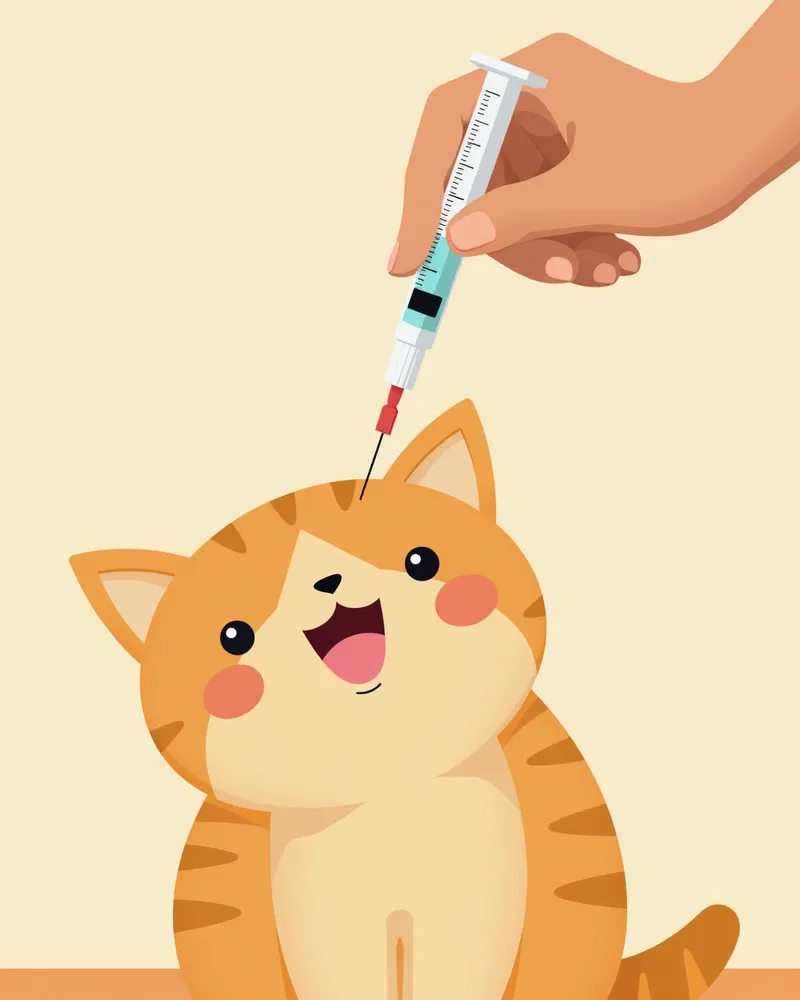
Subcutaneous injection using a syringe is the standard method for managing feline diabetes. The insulin pump is currently an experimental method at the level of single case reports in cats and is not commonly widely used. Syringes are low-cost and accessible, while pumps are discussed for their potential for precise control but have limitations in availability and management.
Post-Injection Care Checklist

Reviewed by a veterinarian

Dr. Tony — Punnawat Phongkittirak
VeterinarianA veterinarian who majored in veterinary medicine at Khon Kaen University, Thailand, and completed the IVSA program at North Carolina State University in the United States. Drawing on clinical experience at animal hospitals, he works in the pet healthcare field and is dedicated to building a digital care environment that connects pet parents with veterinarians.
Reviewed 2026-06-01
Frequently Asked Questions
My cat has no appetite after the injection. Is that normal?
I forgot the injection dosage. What should I do?
Should insulin be stored in the refrigerator?
My cat is shivering after the injection. Could it be hypoglycemia?
Is it possible to reuse syringes?
Share
Related Guides

Top 5 Prescription Dog Foods for Diabetes Recommended by Veterinarians — Blood Sugar-Stabilizing Food Comparison
7 Key Products for Managing Feline Hypercalcemia Recommended by Veterinarians and Selection Criteria
7 Key Points for Canine Thyroid T4 Testing by Veterinarians — From Timing to Result Interpretation

Why is self-control training for dogs necessary, and how should you start?

How to Improve Your Puppy’s Focus: A Step-by-Step Guide to Attention and Focus Training

How Do Dogs Follow Paw Prints and Scents? — The Secret of the Scent-Tracking Instinct

Causes of Dog Mounting Behavior and Proper Management

How to Handle Separation Anxiety Stages 1–4

Are Cat Water Fountains Really Effective? How to Increase Water Intake for Cats That Don’t Drink Water
Complete Guide to Dietary Differences Between Indoor and Outdoor Cats
References
[1] Plumb, D.C. (2023). Plumb's Veterinary Drug Handbook, 10th Edition. Wiley-Blackwell.
[2] The Cat, Clinical Medicine and Management, 2nd Edition (2022). Elsevier.
[3] American Association of Feline Practitioners (AAFP). (2023). Feline Diabetes Mellitus Guidelines.