Like
Share
멍실장
고양이 턱드름 원인과 관리법

Causes and Management of Feline Chin Acne

Skin & CoatQ&AMeongsiljang Veterinary Advisory Board

This guide provides a clear overview of feline chin acne, covering its causes, stage-by-stage symptoms, home care tips, and veterinary treatments.

Why Does Feline Chin Acne Occur?
A cat resting comfortably on a soft cushion.
Feline chin acne is a common skin condition caused by blocked pores on the chin. It can affect any cat, regardless of age, sex, or breed. According to veterinary dermatology textbooks, approximately 58% of cats with chin acne present with mild, non-inflammatory comedones only, which can often be managed without specific treatment. However, if left untreated, it can progress to bacterial infection, making early detection and proper care essential.

Main Causes of Chin Acne

There isn’t just one cause of chin acne in cats; it often results from a combination of factors. Pruritus (itching): Itching caused by allergies or skin irritation can lead to frequent rubbing of the chin, which may block hair follicles and damage the skin. Dietary allergies and environmental allergies (atopy) can be underlying causes. Pain-related rubbing: Repetitive rubbing of painful areas, such as those affected by dental disease, can cause trauma to the skin around the chin, leading to inflammation. Keratinization abnormalities: When the process of skin cell formation and shedding is disrupted, hair follicles can become blocked, resulting in comedones (blackheads). Secondary infection: Secondary infections by bacteria or Malassezia yeast can worsen lesions and intensify itching. Identifying underlying triggers: Inflammatory chin acne often stems from root causes such as itching, pain-induced rubbing, or keratinization abnormalities. Addressing these underlying triggers typically helps resolve clinical symptoms, so it’s important to investigate potential hidden causes, especially in cases that are recurrent or severe.

Signs That Indicate Chin Acne

Take a moment to check your cat’s chin. If you notice any of the following signs, it may be a case of chin acne.
Black specks: You may see small, sand-like black dots on the chin. These are early-stage lesions known as comedones.
Red swelling: If the area around the pores becomes red and swollen, inflammation has begun.
Pus or scabs: The presence of yellow pus or scabs indicates that a bacterial infection has progressed.
Hair loss: The fur around the chin may fall out or appear damp.
Chin rubbing: Your cat may frequently rub its chin against the floor or furniture.
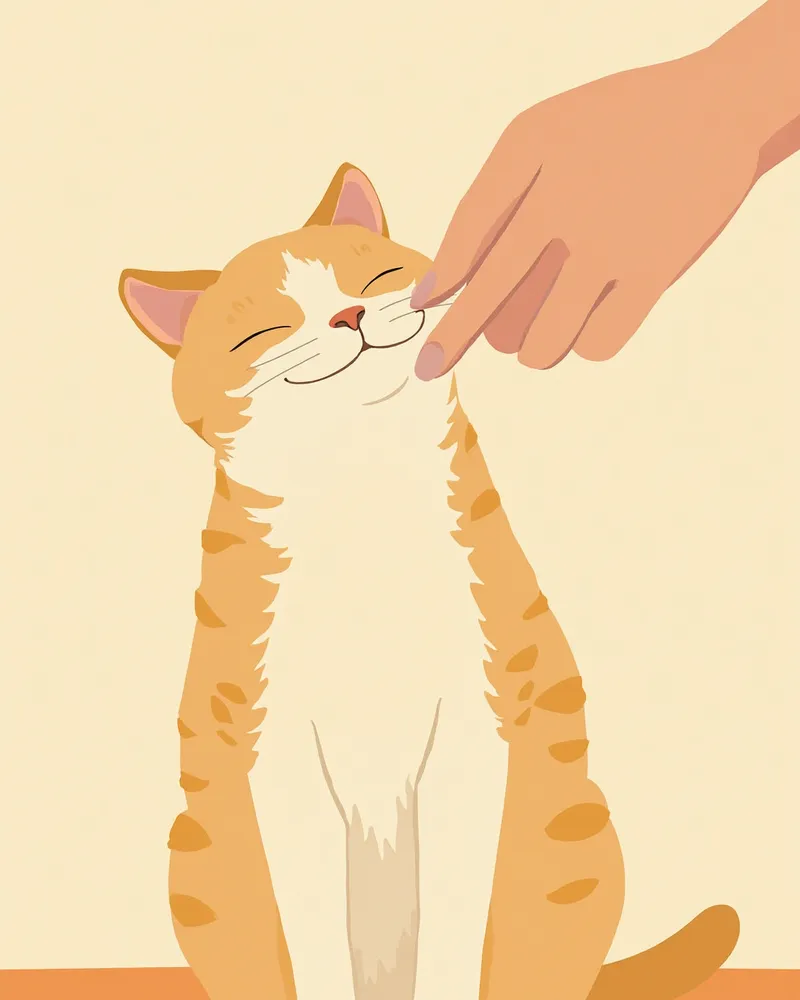
A guardian gently checking the area under a cat's chin.

Stage-by-Stage Severity of Chin Acne

Feline chin acne can be broadly divided into three stages depending on its severity.
Stage 1 — Comedones only: Only blackheads are visible, with no inflammation. Cats often do not feel discomfort at this stage. Proper hygiene care at home is usually sufficient to manage it.
Stage 2 — Inflammation has begun: Redness, swelling, and edema appear, and the cat experiences itching. It is advisable to seek veterinary care from this stage onward.
Stage 3 — Bacterial infection (abscess): Pus, severe swelling, and bleeding are present. Antibiotic treatment is necessary, and if left untreated, the condition can become chronic.
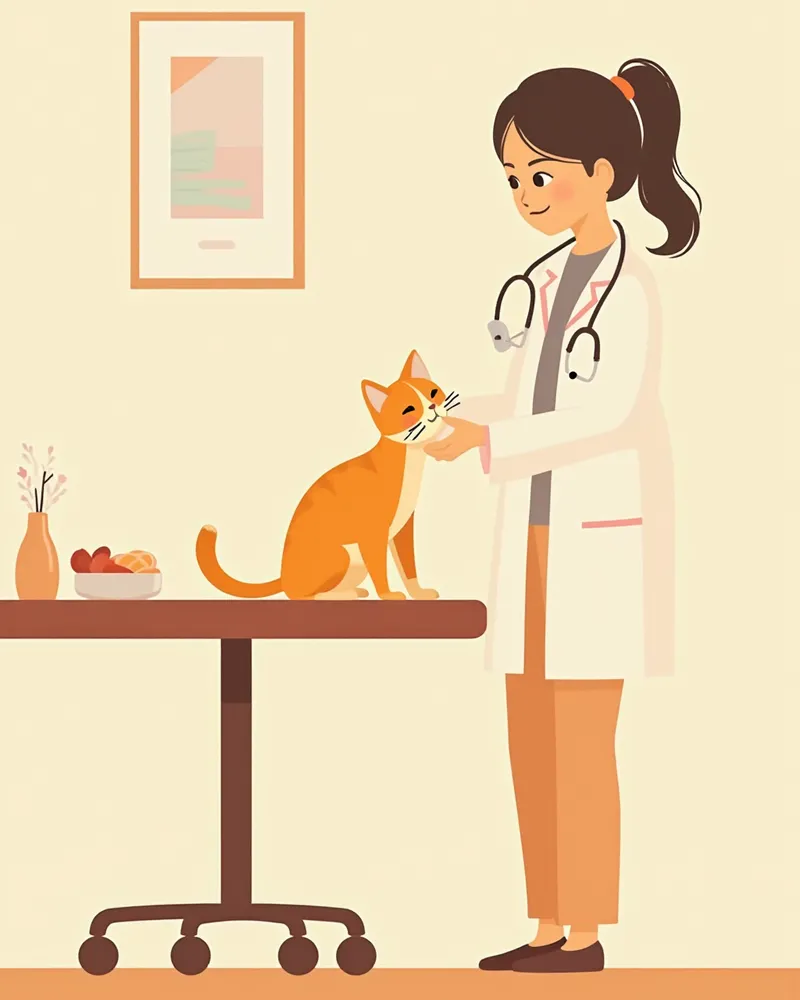
A veterinarian examining a cat's jaw at an animal hospital

When to Seek Immediate Veterinary Care

If your cat's chin is severely swollen, draining pus, or too painful to touch, it may indicate a deep bacterial infection. If fever or loss of appetite is also present, there is a risk of systemic infection, so immediate veterinary care is essential.

At-Home Care for Chin Acne
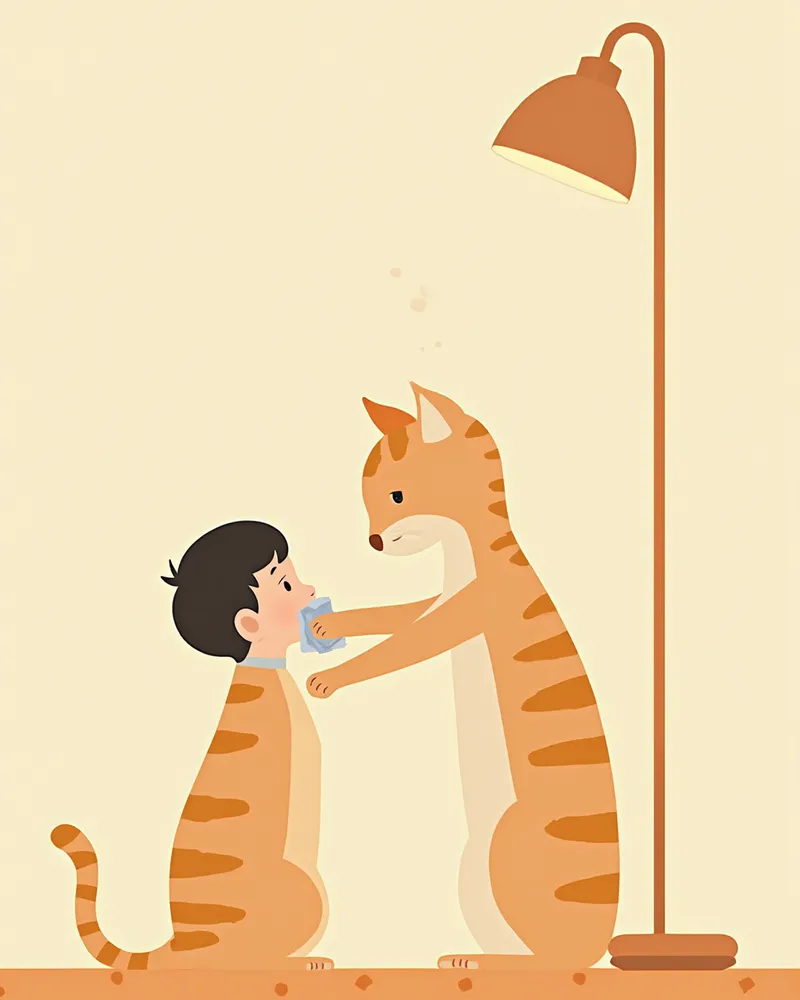
Mild chin acne can often improve with consistent at-home care.
Replace bowls: Stainless steel or ceramic bowls are commonly recommended because they tend to harbor fewer bacteria than plastic. Regardless of the material, it’s important to wash them thoroughly every day.
Wipe the chin: Gently wipe under your pet’s chin once or twice a day with a soft cloth dampened with warm water. Rubbing too hard can cause irritation.
Use topical antiseptics: Avoid self-diagnosing and using human products. Instead, use veterinary-approved topical antiseptics or disinfectants recommended by your vet. Since cats tend to lick off medications quickly, keeping them in an Elizabethan collar for a short time after application can help. Never use human acne products, as they can be toxic to pets.
Review diet: If a food allergy is suspected, consult your vet about trying a different diet.
A caregiver gently wiping a cat's chin with a soft cloth.

Veterinary Treatment

If the condition has progressed to stage 2 or beyond, veterinary treatment is necessary. The veterinarian will first perform a skin cytology test to differentiate between bacterial or yeast infections and other skin diseases, such as fungal infections or demodicosis.
Topical Antimicrobials: Since cats often tolerate shampoo treatments poorly, topical agents such as creams or ointments containing antimicrobial ingredients are frequently prescribed for mild, localized inflammation. Placing an Elizabethan collar on the cat briefly after application can prevent them from licking off the medication.
Antibiotic Therapy: If a bacterial infection is confirmed, the veterinarian will prescribe antibiotics tailored to the cat’s weight and condition. Never administer human medications without veterinary guidance.
Treatment of Underlying Conditions: If there are root causes such as allergies or keratinization disorders, treating them concurrently is essential to reduce the risk of recurrence.

Chin Acne Tends to Recur

Feline chin acne is a skin condition that tends to recur. Even after it clears up, consistent preventive care—such as keeping your cat’s food and water bowls clean and gently wiping their chin—is essential. If the condition keeps coming back, consult your veterinarian to check for underlying causes like food allergies or abnormal keratinization.

Reviewed by a veterinarian

Dr. Tony — Punnawat Phongkittirak

Dr. Tony — Punnawat Phongkittirak

Veterinarian

A veterinarian who majored in veterinary medicine at Khon Kaen University, Thailand, and completed the IVSA program at North Carolina State University in the United States. Drawing on clinical experience at animal hospitals, he works in the pet healthcare field and is dedicated to building a digital care environment that connects pet parents with veterinarians.

Frequently Asked Questions

Can cat chin acne spread to other cats or humans?
No, chin acne itself is not a contagious condition. It won’t spread to other cats or to people. However, if a bacterial infection is present, please be extra diligent with hygiene practices.
Can I use human acne products on my cat?
Absolutely not. Human acne products often contain ingredients that are toxic to cats. Always use only veterinary-approved products recommended by your veterinarian.
Do I always need to visit the vet if my pet develops chin acne?
If you only see small black specks without any signs of inflammation, proper hygiene care at home may be sufficient. However, if you notice redness, swelling, or pus, please consult a veterinarian.
My chin acne keeps coming back. What should I do?
If the condition keeps recurring, there may be an underlying cause such as a food allergy or a keratinization disorder. Consult your veterinarian about allergy testing or other diagnostic tests to identify any underlying health issues.
Will switching to plastic bowls make a difference?
Using stainless steel or ceramic bowls is generally recommended as part of environmental management. However, since chin acne can have various causes, simply changing the bowl may not be sufficient. If symptoms persist, please consult your veterinarian.

Share

Related Guides

References

[1] Little S. The Cat: Clinical Medicine and Management. 2nd ed. Elsevier; 2012. Chapter 25.

[2] Jackson H, Marsella R. BSAVA Manual of Canine and Feline Dermatology. 4th ed. BSAVA; 2021. Chapters 21, 25.

This information is based on veterinary literature and does not replace diagnosis or treatment. Please consult a veterinarian for specific health concerns.

Metapet Co., Ltd. | CEO: Park Sung-yong | Business Reg. No. 417-88-02562 | Seoul, South Korea | Customer Center

Cat Chin Acne: Causes, Symptoms & Care Guide | Meongsiljang