Like
Share
멍실장
강아지 파양 전 고려사항과 대안

Is Rehoming Your Dog Really the Answer? — Considerations and Alternatives Before Deciding

ImmunityQ&AMeongsiljang Veterinary Advisory Board

If you're considering rehoming your dog, we've put together a checklist of essential things to review before making a decision, along with practical alternatives you can try.

Read This Before Deciding to Rehome Your Dog
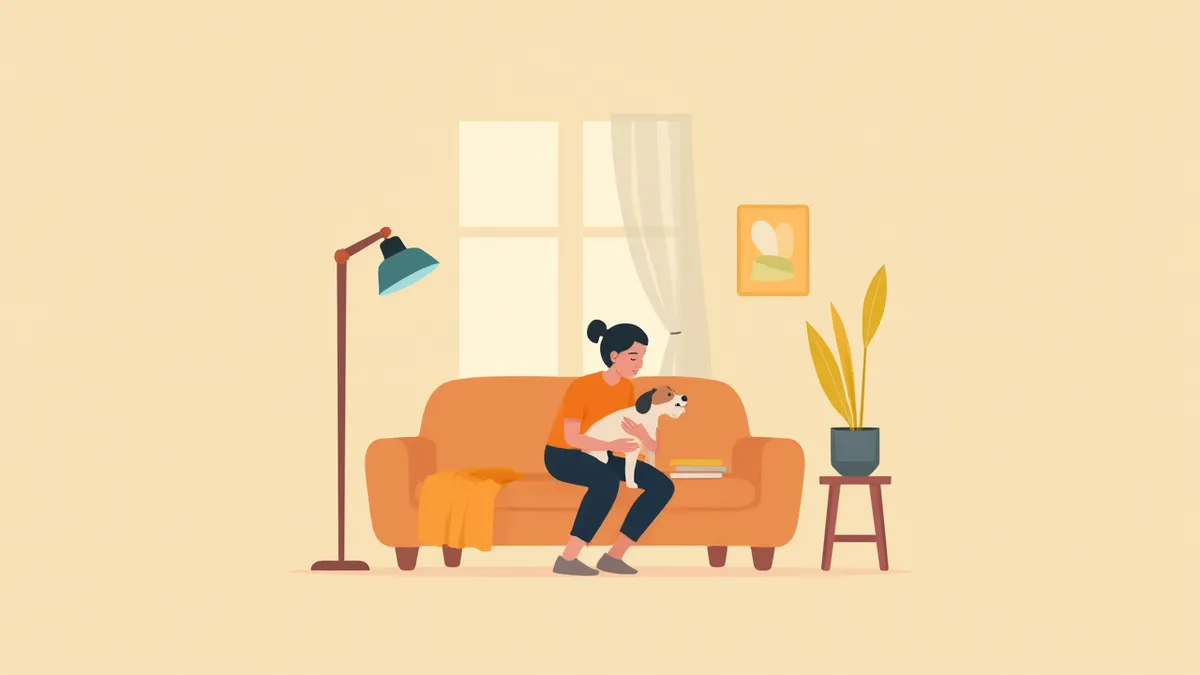
A worried pet owner sitting on the sofa, holding their dog in their arms.
Surrendering your dog should be considered a last resort. Struggling with the idea of surrender doesn’t make you irresponsible. However, surrendered dogs often face significant adjustment stress and separation-related behavioral changes as they lose their familiar environment and caregiver. Veterinary behaviorists note that sudden changes in environment and routine can contribute to behavioral issues in dogs. Therefore, before making the decision to surrender, it’s essential to carefully explore whether there are any other options available.

Main Reasons Pet Owners Consider Rehoming

There are many reasons why people consider rehoming their pets. Since the best solution depends on the specific situation, it’s important to first clearly understand your own circumstances.
Behavioral issues: When problems like excessive barking, biting, separation anxiety, or house-soiling become unmanageable
Financial difficulties: When you’re struggling to afford pet-related expenses such as food and veterinary care
Changes in living situation: Including moving, divorce, a family member’s allergies, or the birth of a new baby
Health concerns: When your own declining health makes it difficult to provide proper care
Lack of time: When work or lifestyle changes prevent you from giving your pet the attention they need

Self-Checklist Before Rehoming

Please go through each of the following items one by one. If there’s anything you haven’t tried yet, it’s worth attempting before making the decision to rehome your pet.
Check ItemConfirmation
Have you consulted with a professional trainer?
Have you discussed behavioral issues with your veterinarian?
Do you have someone you know who could temporarily foster your pet?
Have you reached out to an animal welfare organization for assistance?
Have you had a thorough discussion with all family members?
Have you explored whether improving the living environment could resolve the issue?

If Behavioral Issues Are the Reason, Try This First
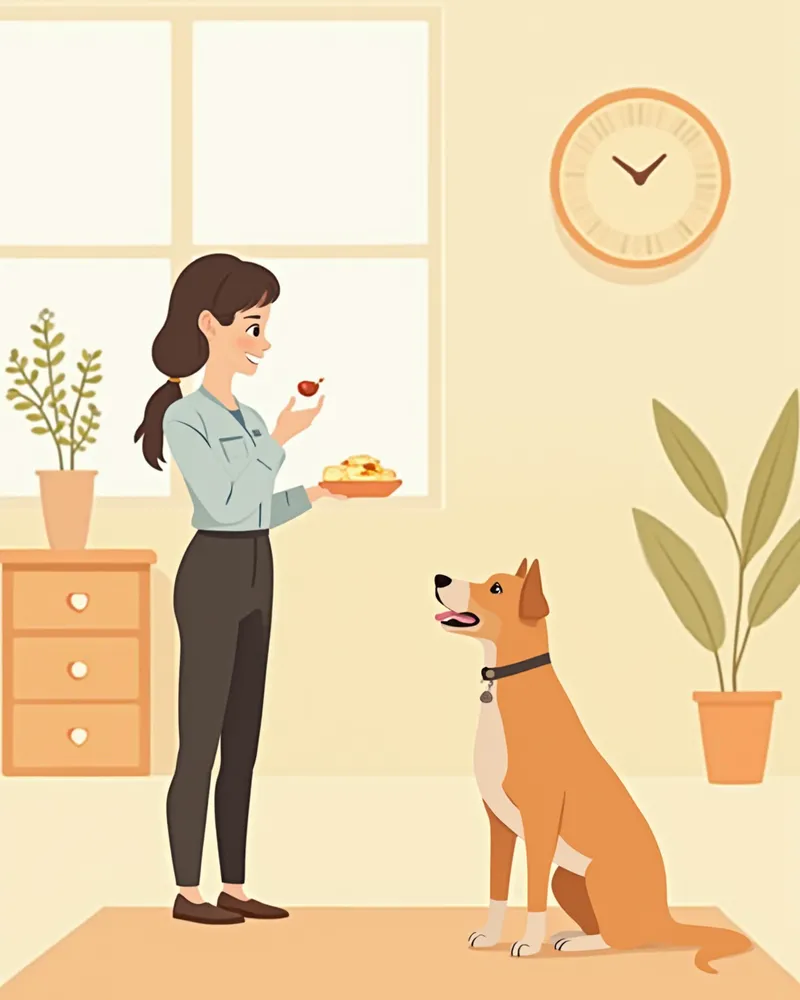
One common reason people consider rehoming their pets is behavioral issues. Veterinary behaviorists report that problems such as excessive barking, biting, and separation anxiety can often be improved through professional behavior modification programs, environmental management, and positive reinforcement training. However, it’s important to remember that not all behavioral issues can be completely corrected; in many cases, aiming for improvement rather than a complete cure is more realistic.
Consult with a Professional Trainer: Behavioral issues like barking, biting, and separation anxiety can often be significantly improved with the help of a professional trainer. Rather than expecting an immediate cure, focus on gradual progress.
Veterinary Behavior Consultation: If anxiety or aggression is severe, a consultation with a veterinary behaviorist may be necessary. In some cases, medication can also be used as a supportive treatment.
Environmental Enrichment: Simply providing sufficient walks, playtime, puzzle feeders, and a stable, enriching environment can lead to significant improvements in behavior.
A puppy receiving behavioral correction training from a professional trainer

Understand the Impact of Rehoming on Your Dog

Dogs surrendered to shelters experience significant stress in their new environment. Losing their familiar surroundings and caregivers can lead to separation anxiety, loss of appetite, and behavioral changes. Adult dogs, in particular, often take a long time to find a new home, and some may never be adopted. Please keep this in mind before making the decision to surrender your dog.

Practical Alternatives to Try Instead of Rehoming

Even in difficult situations, there may be alternatives to giving up your pet.
Trusted Friends or Family: You can ask someone you trust to care for your pet temporarily or long-term.
Temporary Foster Networks: You can utilize foster programs run by pet communities or rescue organizations.
Behavior Modification Programs: Working with a professional on a behavior modification program can help improve problematic behaviors. Veterinary behaviorists recommend starting these modifications in the familiar home environment before gradually expanding to other situations. Improvement takes time and varies by individual, so patience and consistency are key.
Doggy Daycare and Care Services: Leaving your dog in care during the day can significantly reduce the burden on the owner.
A puppy playing and socializing with other dogs at a puppy kindergarten.

Resources for Help If You Are Facing Financial Difficulties

If you’re considering giving up your pet due to the financial burden of care, there are resources available to help.
Local government pet support programs: Some local governments offer financial assistance for veterinary care or spaying/neutering for low-income pet owners. Contact the animal welfare department in your area for more information.
Animal welfare organization medical aid: Groups like Korea Animal Rescue Association (KARA) and the Animal Freedom Alliance sometimes provide emergency medical funding through their support programs.
Pet food sharing initiatives: In some cases, you may be able to receive pet food donations from animal rescue organizations or local community groups.

Things to Keep in Mind If You Decide to Rehome

If, after careful consideration and exhausting all alternatives, rehoming becomes unavoidable, it is crucial to proceed in the best possible way for your dog.
Find a new home directly: It is much better for your dog to find a trustworthy new owner directly rather than going through a shelter.
Transfer health records: Be sure to provide the new owner with vaccination records, medical history, and allergy information.
Allow an adjustment period: Instead of handing your dog over immediately, spend a few days meeting with the new family to help reduce your dog's stress.
Use verified adoption organizations: Going through an adoption agency allows you to verify the new home's living environment in advance.
A puppy and its owner meeting a new family at the park

Rehoming Methods You Must Never Use

Abandoning pets on the street or releasing them into the mountains is a violation of the Animal Protection Act and subject to legal penalties. Posting your pet on free online adoption boards is also highly risky, as it may end up in the hands of animal abusers or illegal breeders. Always verify the new owner’s identity and living conditions in person before making a decision.

Reviewed by a veterinarian

Dr. Tony — Punnawat Phongkittirak

Dr. Tony — Punnawat Phongkittirak

Veterinarian

A veterinarian who majored in veterinary medicine at Khon Kaen University, Thailand, and completed the IVSA program at North Carolina State University in the United States. Drawing on clinical experience at animal hospitals, he works in the pet healthcare field and is dedicated to building a digital care environment that connects pet parents with veterinarians.

Frequently Asked Questions

Will a dog forget its owner if it’s rehomed?
It’s difficult to say whether a dog completely forgets its previous owner. However, veterinary behaviorists recognize that past experiences can influence a dog’s future behavior. In particular, dogs who have spent time in shelters may develop heightened sensitivity to being left alone due to their prior experiences. Since memory and adaptation vary from dog to dog, it’s best to consult a veterinary behavior specialist for an accurate assessment.
Does surrendering a pet to a shelter guarantee adoption?
Unfortunately, not all dogs get adopted. Adult dogs and large breeds, in particular, have lower adoption rates. Whenever possible, it’s much better for the dog if you can help find them a new home directly.
Can behavioral problems really be corrected?
Many behavioral issues can be improved with the help of a professional trainer or a veterinary behaviorist. However, not all problems can be completely corrected, and the goal is often improvement rather than a complete cure. Even severe separation anxiety or aggression can improve with a systematic behavior modification program, and medication may be used in conjunction with this approach when necessary.
How does the pet surrender process work?
When adopting through a rescue organization, the process typically follows these steps: initial consultation, registration of the dog’s details, matching with prospective adopters, a pre-adoption meeting, and finally the adoption itself. Even if you’re finding a new home for your dog directly, it’s recommended to have at least one or two pre-adoption meetings.
Do I have to rehome my dog when a baby is born?
Not necessarily. There are ways to help babies and puppies coexist safely by separating their spaces and gradually getting them accustomed to each other. With the help of a professional trainer, the process can be much smoother.

Share

Related Guides

References

[1] Segurson, S.A., Serpell, J.A., and Hart, B.L. (2005). Evaluation of a behavioral assessment questionnaire for use in the characterization of behavioral problems of dogs relinquished to animal shelters. Journal of the American Veterinary Medical Association, 227(11): 1755-1761.

[2] Protopopova, A. and Gunter, L.M. (2017). Adoption and relinquishment interventions at the animal shelter: a review. Animal Welfare, 26: 35-48.

[3] Veterinary Guide to Preventing Behavior Problems in Dogs and Cats, Wiley, Chapter: Unique Needs of the Rehomed and Shelter Dog

[4] The Dog Care Handbook: Things I Wish My Vet Had Told Me, Chapter: Rehoming and Adoption

This information is based on veterinary literature and does not replace diagnosis or treatment. Please consult a veterinarian for specific health concerns.

Metapet Co., Ltd. | CEO: Park Sung-yong | Business Reg. No. 417-88-02562 | Seoul, South Korea | Customer Center

Is Rehoming Your Dog the Answer? Considerations & Alternatives | Meongsiljang