Like
Share
멍실장
강아지 입양 전 준비 완벽 가이드

What to Prepare Before Adopting a Puppy — Essential Checklist

ImmunityQ&AMeongsiljang Veterinary Advisory Board

If you’ve decided to adopt a puppy, we’ve put together an easy-to-follow guide covering everything from the essential supplies you’ll need before bringing them home, to tips for helping them adjust during their first week, and how to introduce them to your current pets.

Adopting a Puppy: Preparation Is Everything Before Bringing Them Home
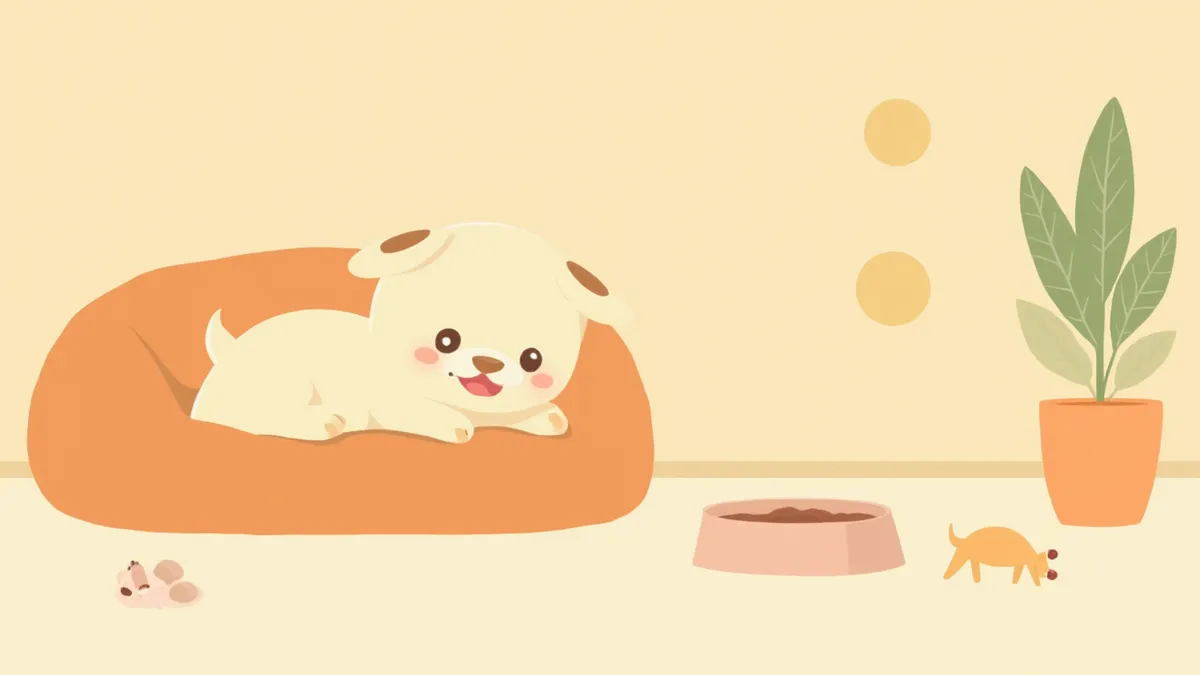
A puppy sitting in a cozy living room, ready for adoption.
Preparing to adopt a puppy involves setting up a safe living environment, gathering essential supplies, and establishing a health check-up plan before bringing your new companion home. Beyond stocking up on food and gear, you must carefully arrange a secure living space, assign roles among family members, and—if you already have pets—develop a thorough plan for introducing them. Bringing a dog home on impulse without proper preparation can cause stress for both the puppy and the owner, and in the worst-case scenario, lead to surrender. This guide covers everything you need to know, from a pre-adoption self-assessment to tips for helping your puppy adjust during the first week.

Pre-Adoption Self-Check Checklist

There are several key things to check before bringing a puppy home.
Time availability: You need to be able to provide daily, regular walks and plenty of playtime. The required amount of exercise varies by breed, age, and health status, so make sure you have enough time to spend with your dog after work.
Financial readiness: Expect ongoing monthly costs of $100 to $200 or more for food, treats, vaccinations, regular health check-ups, and emergency medical expenses.
Living environment: Ensure you have a safe space for your dog and confirm in advance that your residence allows pets.
Family consent: Make sure all family members agree and be sure to check for any allergies.

Essential Supplies to Prepare Before Adoption

Before bringing your puppy home, make sure to prepare the following items in advance.
CategoryItems to PrepareNotes
MealsDog food, water dispenser, food bowlCheck the information about the food they were previously eating
HygienePotty pads, potty tray, wet wipesIndoor potty training is essential for the first two weeks
SafetyPlaypen (fence), kennelProvides accident prevention and a sense of security
WalksHarness, leash, poop bagsHarnesses are recommended over collars
HealthVeterinary appointmentA health checkup is recommended as soon as possible after adoption

How to Check for a Healthy Puppy

When you meet your new puppy at the adoption center, be sure to check a few key health indicators.
Eyes: Excessive discharge or redness may indicate an infection.
Nose: Check that the area around the nostrils is clean, with no yellow discharge or crusting. Sticky nasal discharge or frequent sneezing could suggest a respiratory infection. However, don’t judge overall health based solely on whether the nose is moist; consider it alongside other symptoms for a more accurate assessment.
Coat and Skin: Look for a shiny coat and skin free of red spots or flakiness.
Energy Level: A healthy puppy should show curiosity about its surroundings and display moderate activity. If the puppy seems overly withdrawn or lethargic, it could be a sign of an underlying health issue.
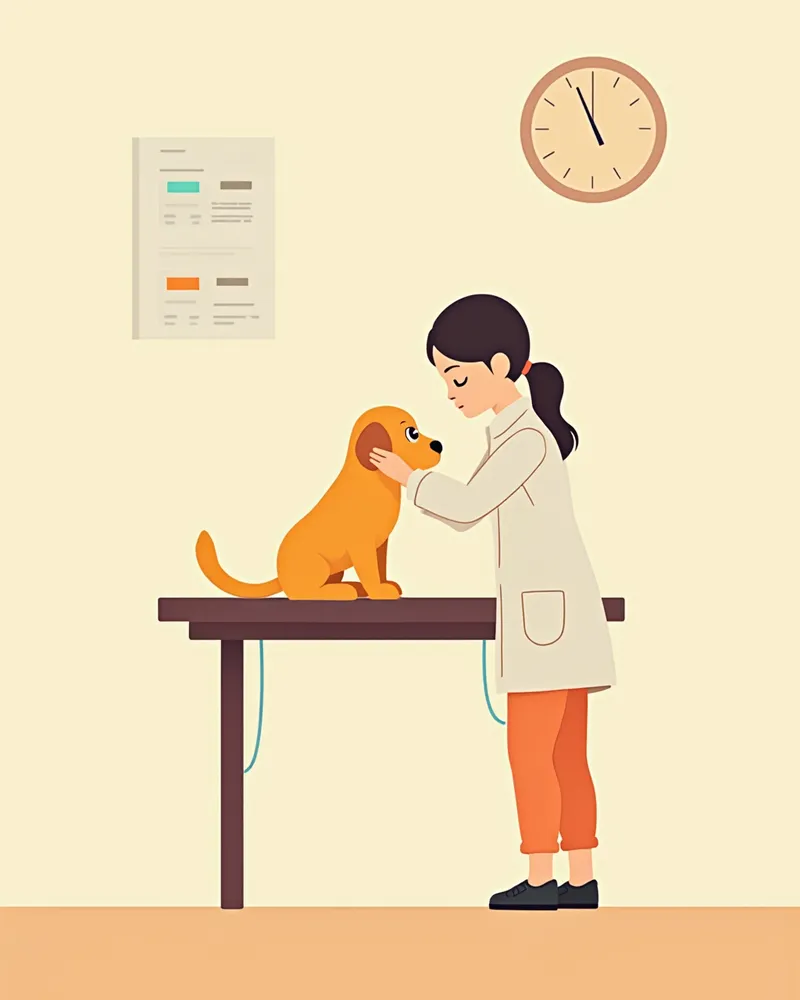
A puppy receiving a health check-up from a veterinarian at an animal hospital

The First Week After Adoption: Rules You Must Follow

The first week after adoption is often the most stressful for a puppy. Since they need time to adjust to their new surroundings, allow them to rest in a quiet, safe space for the first three to five days. Avoid excessive physical contact and refrain from inviting guests over; instead, focus on maintaining a consistent routine for meals, walks, and sleep. According to veterinary behaviorists, the adjustment period varies significantly depending on the dog’s developmental stage, previous environment, and individual temperament. Rather than adhering to a strict timeline, the key is to provide ample positive and consistent experiences. Please observe your puppy’s responses closely and give them the time they need to settle in.

How to Introduce Your New Puppy to Existing Pets

If you already have a pet at home, introductions should be done slowly and step by step.
Step 1 — Scent Exchange: For the first 1–3 days, keep them in separate rooms and exchange scents using towels or blankets.
Step 2 — Visual Contact: Allow them to see each other through a baby gate or fence. Use treats to create positive associations during this time.
Step 3 — Controlled Meeting: Let them spend short periods together while on leashes. If their reactions are positive, gradually increase the duration.
According to veterinary behavior textbooks, it is essential to provide the existing pet with a safe space where they can retreat if needed.
A puppy and an adult dog greeting each other through a safety gate

Post-Adoption Socialization and Basic Training

Once the adjustment period is over, you can begin formal socialization training. Socialization involves exposing your dog to a variety of people, sounds, and environments in a positive way.
Potty Training: Praise your dog and give a treat immediately after they eliminate in the designated spot. Never scold them for accidents. Punishment can increase anxiety and stress, potentially worsening behavioral issues.
Basic Commands: Practice basic commands like "sit," "stay," and "come" in short, daily sessions that keep your dog focused. Adjust the session length according to your dog’s developmental stage and attention span.
Positive Reinforcement: Rewarding desired behaviors is the most effective approach. Punishment is not recommended, as it can increase anxiety and aggression.

Shelter Adoption vs. Breeder: Where Should You Get Your Puppy?
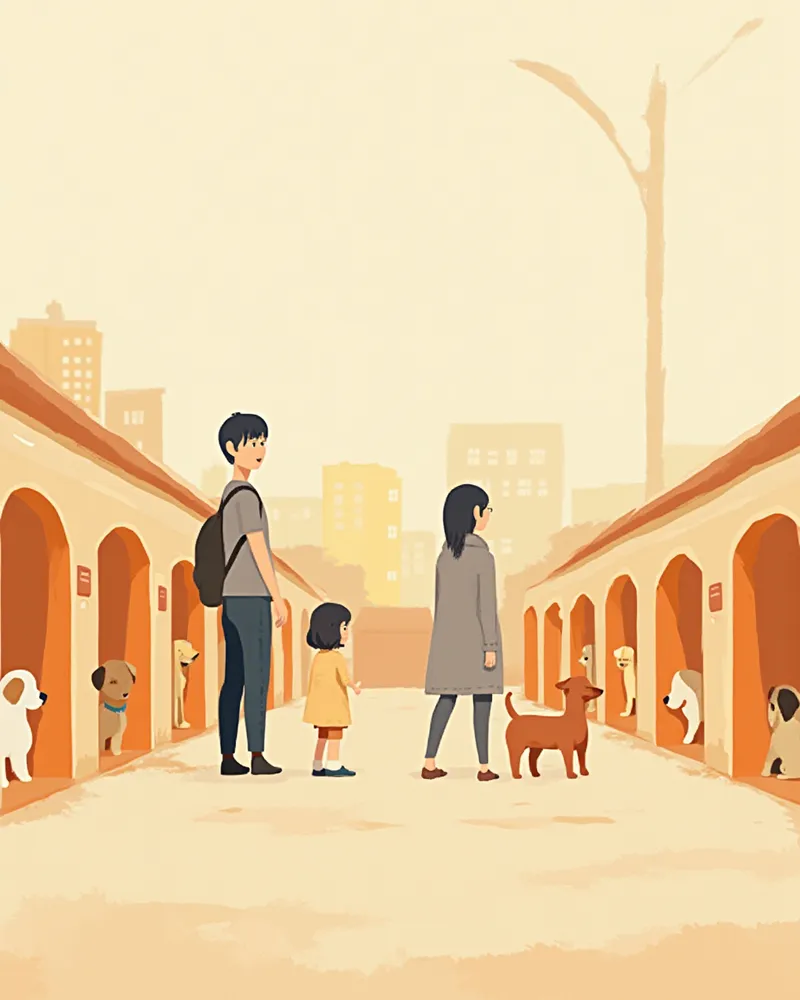
If you’ve decided to adopt a puppy, where you get it from is just as important a choice.
Shelters and rescue centers: Adoption fees tend to be lower, and many dogs are already spayed or neutered and have received core vaccinations. Adult dogs make it easier to assess temperament, helping you find a companion that fits your lifestyle.
Certified breeders: If you’re looking for a specific breed, choose a certified breeder who transparently provides health screening records and information about the puppy’s parents.
Places to avoid: Online classifieds and pet shops may source puppies from puppy mills. If you can’t verify the breeding conditions and health history, it’s best to steer clear.
A family meeting a puppy they’re considering adopting from a shelter

Things to Know About Shelter Puppies

Rescue puppies may exhibit unique behavioral traits depending on their previous environments. They might show signs of separation anxiety, fear of loud noises, or withdrawal in certain situations. These behaviors are not personality flaws but rather the result of past experiences. With enough time, a consistent routine, and positive reinforcement training, most of these issues can improve. If the behavioral problems are severe, consider consulting a veterinary behavior specialist.

Reviewed by a veterinarian

Dr. Tony — Punnawat Phongkittirak

Dr. Tony — Punnawat Phongkittirak

Veterinarian

A veterinarian who majored in veterinary medicine at Khon Kaen University, Thailand, and completed the IVSA program at North Carolina State University in the United States. Drawing on clinical experience at animal hospitals, he works in the pet healthcare field and is dedicated to building a digital care environment that connects pet parents with veterinarians.

Frequently Asked Questions

Is there an ideal age for adopting a puppy?
The ideal time to adopt a puppy is after 8 weeks of age. Separating a puppy from its mother before 8 weeks can lead to socialization issues. Adult dogs in shelters have already developed their personalities, making it easier to choose one that fits your home environment.
What should I do if my newly adopted pet refuses to eat on the first day?
A new environment can cause temporary stress and a short-term loss of appetite. Place the food bowl in a quiet spot and avoid forcing your pet to eat. If the decreased appetite persists or is accompanied by other symptoms such as lethargy or vomiting, it’s best to visit a veterinary clinic.
Can I bathe my pet right after adopting it?
Bathing your puppy right after adoption can cause stress, so it's best to wait until they've had some time to adjust to their new environment. If you need to clean them urgently, gently wipe them down with a pet-safe wet wipe. Before giving your puppy their first bath, consult your veterinarian about their vaccination schedule.
Can I raise a dog in an apartment?
Absolutely. However, managing noise between floors and ensuring adequate exercise are key. Small breeds or quieter-tempered dogs tend to do well in apartment living, and daily walks to help them burn off energy are essential.
When is the best time to take your newly adopted pet to the vet for the first time?
It’s best to have your new pet checked by a vet as soon as possible after adoption. The vet will perform a basic physical exam, test for parasites in the stool, and review the vaccination schedule. If you have any previous medical records, bring them along.

Share

Related Guides

References

[1] Seksel K., Mazur J., Veterinary Guide to Preventing Behavior Problems in Dogs and Cats, Wiley, 2024

[2] Landsberg G., Hunthausen W., Ackerman L., Behavior Problems of the Dog and Cat, 3rd Edition, Saunders, 2012

[3] Horwitz D.F., Mills D.S., BSAVA Manual of Canine and Feline Behavioural Medicine, 2nd Edition, BSAVA, 2009

This information is based on veterinary literature and does not replace diagnosis or treatment. Please consult a veterinarian for specific health concerns.

Metapet Co., Ltd. | CEO: Park Sung-yong | Business Reg. No. 417-88-02562 | Seoul, South Korea | Customer Center

What to Prepare Before Adopting a Dog: Essential Checklist | Meongsiljang