Like
Share
멍실장
강아지 비문증(유리체 혼탁) 자주 묻는 질문 Q&A — 보호자가 꼭 알아야 할 핵심

If You See Something Floating in Your Dog’s Vision — Causes of Floaters and When to Visit the Vet

Eye HealthQ&AMeongsiljang Veterinary Advisory Board

Canine floaters are cloudy spots or thread-like strands floating in the vitreous humor. While most are harmless, they can sometimes indicate a serious underlying condition depending on the cause. Here’s a summary of the key information pet owners should know.

What Are Canine Floaters (Vitreous Opacity)?

An anatomical illustration of opacities floating in a dog's vitreous body
Canine floaters refer to a condition in which cloudy spots or thread-like objects appear to drift within the vitreous body of the eye. - Vitreous Opacity: This occurs as the vitreous body, located at the center of the eye, gradually liquefies and its fibers clump together. - Physiological Change: This is a natural degenerative change that occurs with age and is generally harmless. - Impact on Vision: In most cases, it does not significantly affect vision. - Warning Signs: Immediate veterinary examination is necessary if the floaters suddenly increase in number or appear alongside other symptoms. - Various Causes: In addition to aging, causes can include hemorrhage, inflammation, trauma, and genetic factors.

What Are the Main Causes of Floaters?
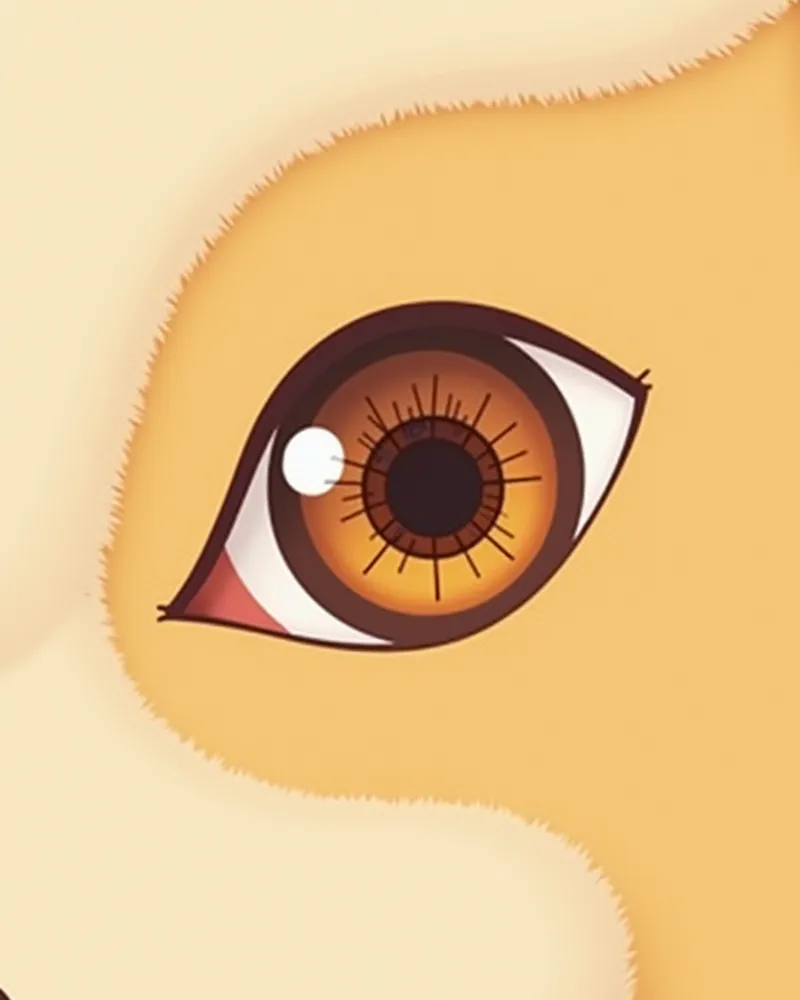
- Age-related degeneration: As the vitreous body gradually liquefies, clumps of fibers float within it, which is the most common cause. - Internal bleeding: If blood leaks into the eye due to trauma or vascular disease, it can cause cloudiness. - Retinal inflammation: Swelling or inflammation of the retina can lead to haziness in the vitreous body. - Post-traumatic response: The vitreous body may become cloudy after the eye has suffered an impact. - Genetic predisposition: Certain breeds are genetically more prone to developing floaters. - Caution for young dogs: If floaters appear suddenly in a young dog, it could indicate a serious condition, making early diagnosis crucial.
A dog's eye showing both vitreous opacity and hemorrhage

5 Key Signs of Floaters

Floaters in the vitreous: You may notice faint spots or thread-like shapes drifting in your pet’s vision, especially in bright light or sunlight. These floating particles may contain tiny melanin pigment granules or cells.
Changes in visual behavior: The presence of floaters can obstruct vision, causing your pet to hesitate momentarily or exhibit frequent eye movements.
Unsteady gaze: Your pet may have difficulty tracking objects with their eyes, or their gaze may appear unsteady and unable to focus on one spot.
Decreased vision: As floaters increase in number, your pet may show signs of visual impairment, such as bumping into obstacles or backing away from them.
Watch for accompanying symptoms: If sudden bleeding or a reduced pupillary response occurs alongside floaters, it could indicate retinal detachment or internal hemorrhage rather than simple floaters, requiring immediate veterinary examination.
A puppy exhibiting vitreous opacity when exposed to bright light

Signs Requiring Immediate Veterinary Visit

If your pet suddenly develops significant vitreous opacity, vision loss, eye pain, bleeding, or a sudden increase in tearing, consult your veterinarian immediately. These symptoms may be early signs of retinal detachment or internal bleeding.

How Are Floaters Diagnosed?
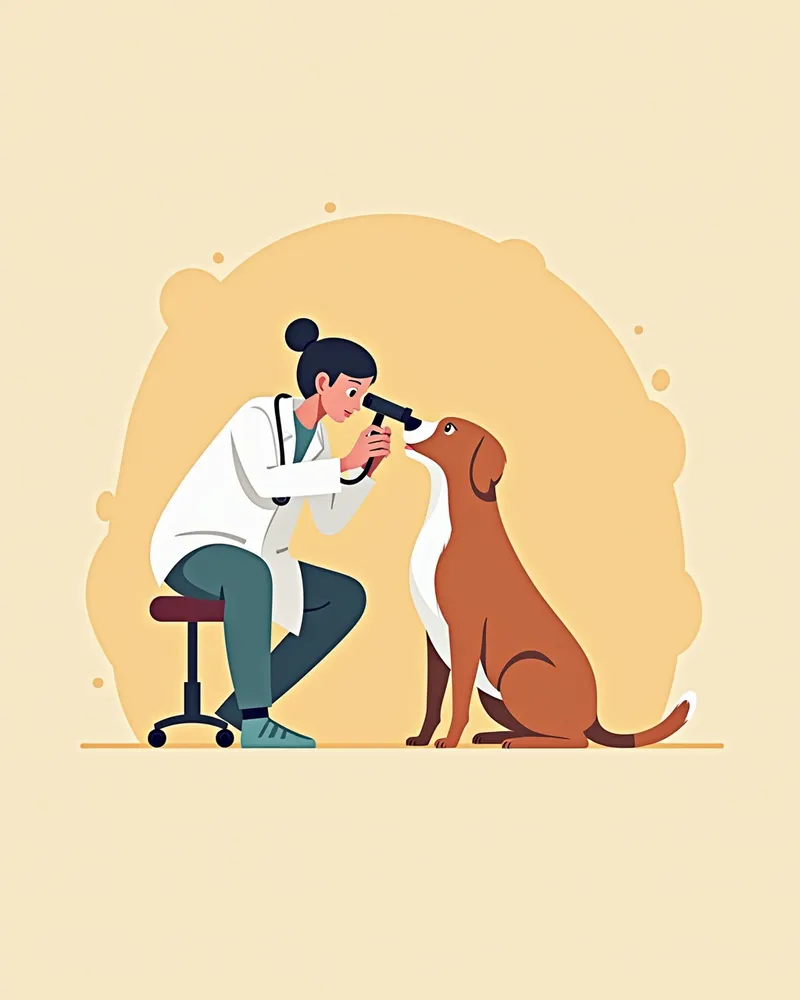
- Fundus (retinal) examination: The veterinarian uses an ophthalmoscope to directly visualize the interior of the eye, assessing the location and nature of the opacity as well as the condition of the retina. - Ultrasound examination: When the vitreous is cloudy and direct visualization is difficult, B-mode ultrasound is used to evaluate internal structures and check for retinal detachment. - Comprehensive clinical assessment: Diagnosing floaters and vitreous degeneration is primarily based on clinical findings, supplemented by ultrasound when necessary. - Concurrent blood tests: If bleeding or inflammation is suspected, blood tests may be performed alongside other diagnostics to identify the underlying cause. - Combination of multiple tests: To ensure an accurate diagnosis, multiple tests are often used in combination to clearly determine the cause. - Purpose of diagnosis: The key objective is to distinguish between simple opacities and more serious conditions such as retinal detachment or hemorrhage.
A veterinarian examining a dog's eye with a slit lamp.

Treatment Options and Management

- Observation-focused approach: When symptoms are mild, we may simply monitor the condition without immediate treatment. The need for intervention depends on the severity of the degeneration. - Medication: If inflammation is present, topical or systemic anti-inflammatory drugs (steroidal or non-steroidal) may be prescribed. However, because topical steroids can have side effects such as delayed wound healing, they should only be used under veterinary guidance. - Surgical consideration: Surgery, such as vitrectomy or retinal reattachment, may be considered if vision is severely impaired or if complications like lens instability or retinal detachment occur. - Lifestyle management: Adjusting the home environment can help reduce visual obstruction in bright settings. - Regular check-ups: Routine veterinary examinations are essential to identify the underlying cause and monitor disease progression. - Owner’s role: It is important to carefully observe any changes in symptoms and maintain ongoing communication with your veterinarian.
A puppy wearing eye protection while receiving veterinary care.

Comparison of Floater Conditions by Progression

ItemCourseMain FeaturesNeed for TreatmentPrognosis
Mild FloatersA few spots or threads driftingNo effect on daily lifeNoneGood
Moderate FloatersMany spots with distinct movementDistracted gaze, increased blinkingObservation neededFair
Severe FloatersMajor effect on visual field, accompanied by hemorrhage or inflammationReduced vision, pain, swellingTreatment neededConditional

After diagnosis, the veterinarian evaluates the condition and suggests an appropriate management direction.

Management Points Pet Owners Must Know

Eye environment management: Reduce activities in bright light or highly reflective environments.
Daily observation: Check daily for changes in gaze, blinking frequency, and signs of bleeding.
Veterinary visit schedule: Monitor eye health through regular ophthalmic examinations.
Stress management: Stress or excitement can put strain on the eyes.
Dietary management: Provide a diet rich in antioxidants to support eye health.
A puppy resting its eyes peacefully in a quiet environment.

Precautions and Contraindications

Even if your pet has floaters, avoid frequently touching their eyes with your hands or administering eye drops without proper guidance. Improper care can cause further damage to the eyes. Do not begin any treatment without following your veterinarian’s instructions.

Reviewed by a veterinarian

Dr. Tony — Punnawat Phongkittirak

Dr. Tony — Punnawat Phongkittirak

Veterinarian

A veterinarian who majored in veterinary medicine at Khon Kaen University, Thailand, and completed the IVSA program at North Carolina State University in the United States. Drawing on clinical experience at animal hospitals, he works in the pet healthcare field and is dedicated to building a digital care environment that connects pet parents with veterinarians.

Frequently Asked Questions

Can a dog’s eye floaters be treated?
In most cases, pets naturally adapt without any special treatment, and it doesn’t significantly affect their vision. However, depending on the cause, medication or surgery may be necessary.
Does floaters cause vision loss?
A few small spots or strands won’t affect vision. However, if there are many spots or if bleeding is present, vision loss may occur.
Is floaters hereditary?
While some breeds may have a genetic predisposition, most cases are caused by age, trauma, or underlying medical conditions. If your dog belongs to a breed with a known genetic tendency, please consult your veterinarian.
What should I do if my pet’s floaters suddenly worsen?
If you notice a sudden increase in floaters, vision loss, or eye pain, seek veterinary care immediately. These symptoms could be early signs of retinal detachment or bleeding.
Is it okay to let a puppy with entropion play?
Playing in a quiet environment is fine. However, it's best to avoid areas with fast-moving toys or bright, reflective lights.

Share

Related Guides

References

[1] Plumb's Veterinary Drug Handbook, 9th ed. (2022). Wiley-Blackwell.

[2] Gelatt, K.N. et al. (2018). Veterinary Ophthalmology, 5th ed. Wiley-Blackwell.

[3] American College of Veterinary Ophthalmologists (ACVO). (2021). Canine Vitreous Floaters: Clinical Guidelines.

This information is based on veterinary literature and does not replace diagnosis or treatment. Please consult a veterinarian for specific health concerns.

Metapet Co., Ltd. | CEO: Park Sung-yong | Business Reg. No. 417-88-02562 | Seoul, South Korea | Customer Center

Floaters in Your Dog's Vision: Causes & When to See a Vet | Meongsiljang