
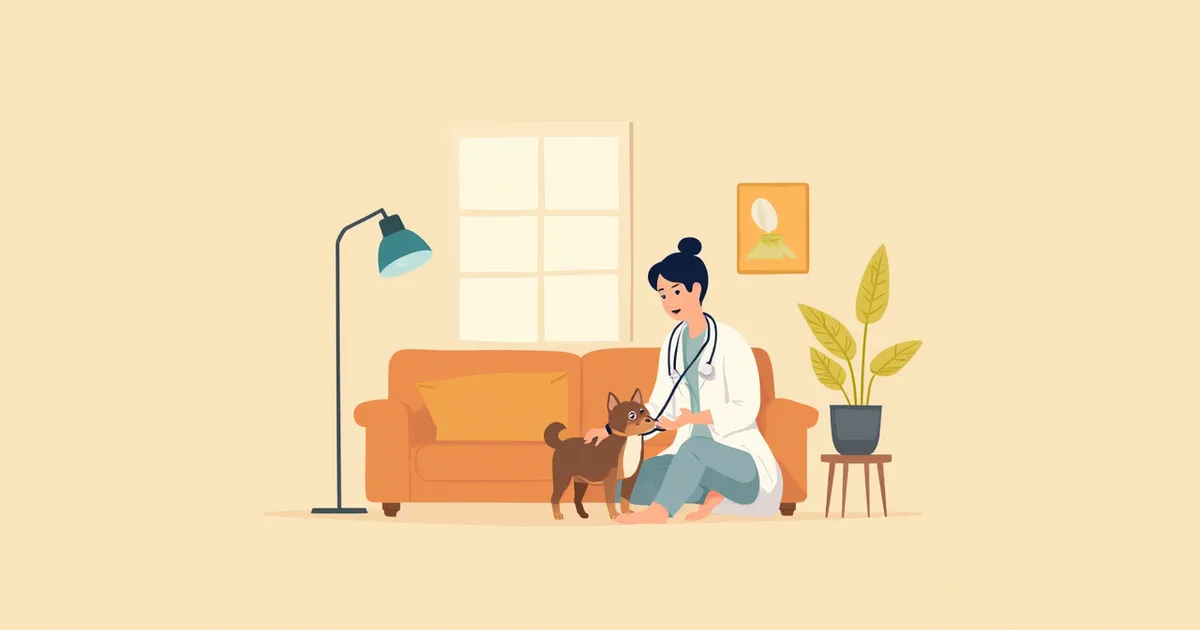
Basics of Auscultation at Home
Home check-ups allow pet owners to easily monitor their pet's heart rate and breathing at home, helping to detect any abnormalities early on.
What is Home Auscultation?

Why is Auscultation at Home Necessary?
Normal Heart Rate and Respiratory Rate Ranges
Comparison of Normal Ranges for Pets
| Item | Small dogs (under 10 kg) | Medium/large dogs | Cats |
|---|---|---|---|
| Resting heart rate (per minute) | 90–140 bpm | 60–120 bpm | 140–220 bpm |
| Resting respiratory rate (per minute) | 10–30 breaths | 10–30 breaths | 20–40 breaths |
| Sleeping respiratory rate warning line | Over 30 breaths | Over 30 breaths | Over 40 breaths |
For dogs, the normal resting respiratory rate can be up to 30 breaths per minute, so more than 30 breaths during sleep warrants attention. Cats have a higher normal range of 20–40 breaths per minute, so anything above 40 is the warning line. Rapid breathing that consistently exceeds the normal range may be a sign of cardiac strain, such as pulmonary congestion.
How to Perform Auscultation at Home (Step-by-Step)
Signs That Require Immediate Veterinary Attention
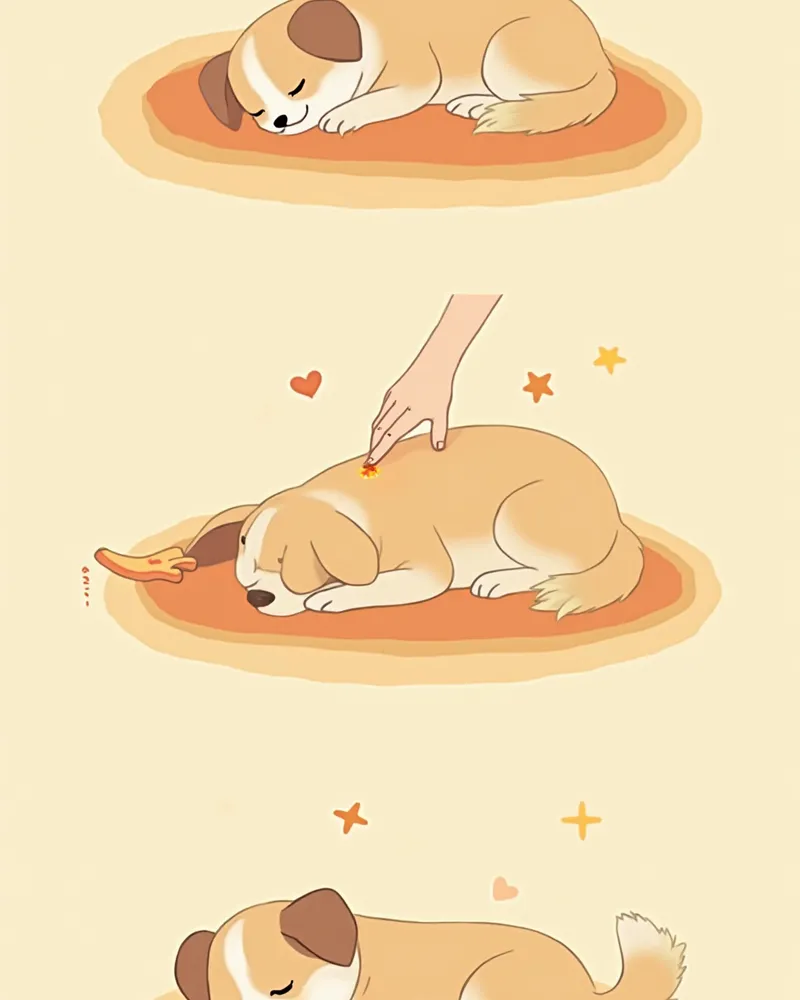
If you notice any of the following signs, your pet needs to be seen by a veterinarian within 24 hours. Rapid, shallow breathing that persists well beyond the normal range while resting or sleeping (more than 30 breaths per minute in dogs or 40 in cats): Possible pulmonary congestion. A resting heart rate noticeably faster than usual (tachycardia, such as over 140 beats per minute in dogs or 200 in cats): A sign of cardiovascular strain, including heart failure, as well as other potential causes like anemia or pain. A bluish tint to the tongue or gums: Indicates oxygen deprivation (cyanosis). Coughing that worsens at night: Suspected left-sided heart failure. Sudden collapse or fainting: Suspected arrhythmia or heart disease.
If You Want to Use a Stethoscope
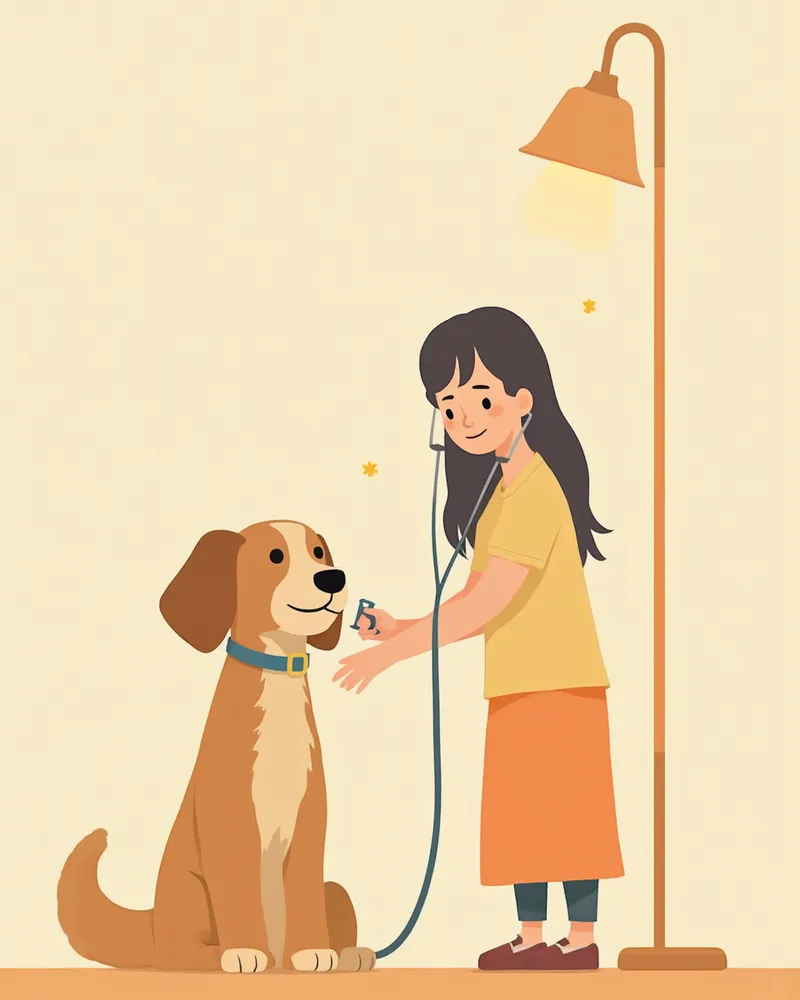
Record These Sounds If You Hear Them
Be Sure to Understand the Limitations of Home Auscultation
Home auscultation is meant to detect abnormalities, not to make a diagnosis. Heart disease cannot be confirmed by auscultation alone; it requires X-rays, echocardiography, and electrocardiography. Use measurements taken at home solely to help decide whether a veterinary visit is needed and to track trends over time. If you notice any abnormalities, be sure to seek veterinary care.
Reviewed by a veterinarian

Dr. Tony — Punnawat Phongkittirak
VeterinarianA veterinarian who majored in veterinary medicine at Khon Kaen University, Thailand, and completed the IVSA program at North Carolina State University in the United States. Drawing on clinical experience at animal hospitals, he works in the pet healthcare field and is dedicated to building a digital care environment that connects pet parents with veterinarians.
Reviewed 2026-04-29
Frequently Asked Questions
How often should it be measured?
Is it normal for my pet’s heart rate to increase when they’re excited?
Can I measure my cat’s blood pressure at home?
My pet’s respiratory rate is 32 breaths per minute while sleeping. Should I be concerned?
Can it be measured accurately without a stethoscope?
Share
Related Guides

Coenzyme Q10 Benefits and Administration Guide
Dog Pulmonary Edema Warning — 7 Best Diuretics (Furosemide) for Heart Management

7 Best Prescription Diets for Feline Heart Disease Recommended by Veterinarians — Criteria for Choosing Low-Sodium Food

Complete Guide to Post-Neutering Recovery for Cats — Key Points for Pet Owners

Complete Guide to Post-Neutering Recovery for Dogs — Key Points for Pet Owners
Is General Anesthesia in Cats Really Safe? — From Pre-anesthetic Tests to Risk Factors

Which Cat Dewormer Should You Choose? — Differences by Type and Selection Criteria

Complete Guide to Post-Tooth Extraction Care for Cats — Key Points for Owners
Complete Guide to Post-Tooth Extraction Care for Dogs — Key Points for Pet Owners
How to Administer Insulin to Cats — Key Precautions to Prevent Hypoglycemia
References
[1] Ettinger SJ, Feldman EC. Textbook of Veterinary Internal Medicine, 8th Edition. Elsevier, 2017. Chapter on Cardiovascular Examination
[2] Tilley LP, Smith FWK. Manual of Canine and Feline Cardiology, 5th Edition. Elsevier Saunders, 2016
[3] Nelson RW, Couto CG. Small Animal Internal Medicine, 6th Edition. Elsevier, 2020. Physical Examination chapter